
OpenAI has at least four AI-powered products in development, including a pin, a pen, glasses and a desktop speaker, The Information has previously reported. In addition, OpenAI is developing earbuds, with a likely release scheduled for the end of this year.
Chris Lehane, the company’s Chief Global Affairs Officer, recently suggested OpenAI could reveal more about its hardware ambitions in the second half of the year during an Axios-hosted panel. Meanwhile, CEO Sam Altman has teased that OpenAI’s first device could feel more “peaceful and calm” than the smartphone experience we’re used to — a not-so-subtle contrast to the iPhone era.
Rumors also point to at least one major OpenAI gadget arriving as soon as 2026.
So with hype building fast, now’s the perfect time to round up the five OpenAI hardware devices we’ve heard the most about so far — and what they could mean for the future of AI.
Wireless earbuds

OpenAI’s hardware push really started to take shape after the company acquired io Products, Inc., a device-focused startup founded by former Apple designer Jony Ive, in a deal reportedly worth around $6.5 billion.
And if the rumors are right, the first product out of the gate will have Ive’s fingerprints all over it.
The device most commonly linked to OpenAI’s early hardware plans is a pair of wireless earbuds reportedly codenamed “Sweetpea.” They’re being positioned as a direct rival to Apple’s AirPods, and recent leaks suggest OpenAI is aiming big from day one.
Consumer electronics blogger @zhihuipikachu shared a wave of alleged specs on an X (formerly Twitter) post, claiming Sweetpea could feature a “unique, never-before-seen” metal design, a powerful smartphone-class chip, and a custom processor built to handle AI commands more seamlessly than today’s earbuds.
Some rumors even suggest Sweetpea could run on an advanced 2nm chip, incorporate Samsung Exynos hardware, and be manufactured by Foxconn.
If even half of these details pan out, Sweetpea won’t just be OpenAI’s first step into hardware — it could be the company’s loudest signal yet that it’s ready to move beyond software and into the devices we use every day.
Wearable pin

The market of compact wearable pins powered by AI is young, but already has a major player looking to introduce its model to the space. Apple is rumored to be making its own wearable pin outfitted with three microphones and two cameras—rumors note that the development of this pin is getting pushed to compete with OpenAI’s first device (the rumored earbuds).
At the moment, no information has been seen floating around about OpenAI’s own version of an attachable pin. It would make sense for the AI-focused company to start work on that in a bid to show up Apple, while also learning from the mistakes made by Humane AI. If you’ve already forgotten about that company's failed pin release, here's a refresher: it developed and sold its very own Humane AI Pin that, unfortunately, undersold and led to the company shutting down shortly after the device’s launch.
Smart pen
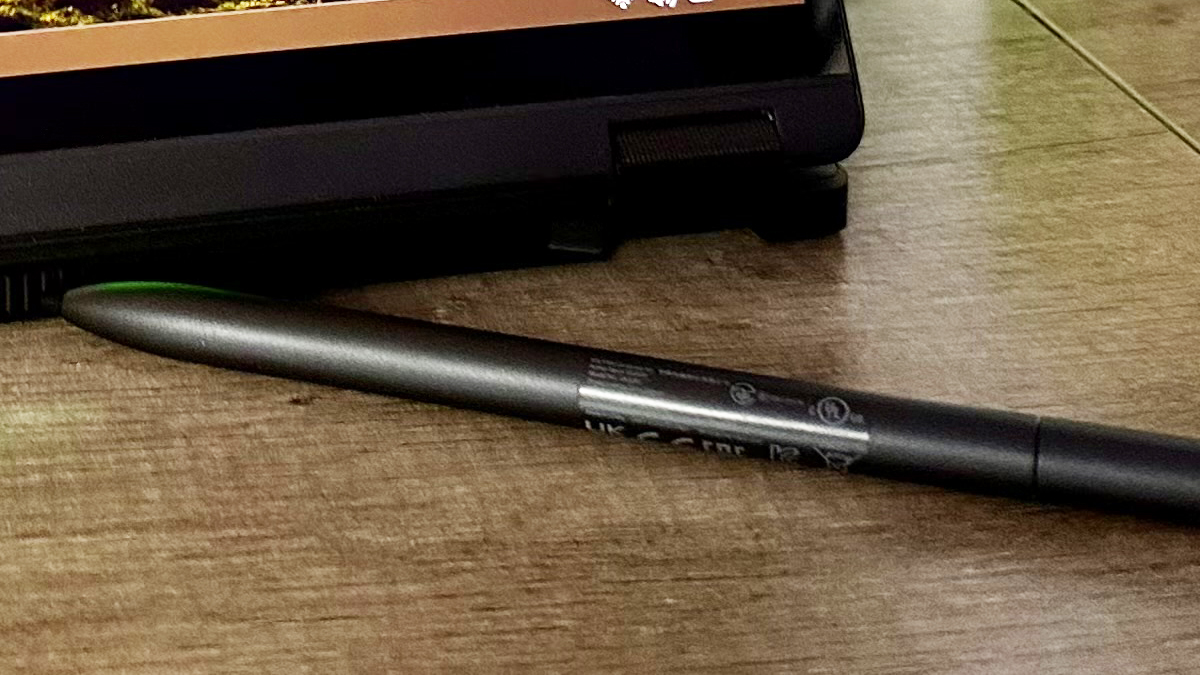
OpenAI’s rumored smart pen, codenamed “Gumdrop,” is said to be an AI-powered device that comes with a host of impressive features. Those include a microphone that enables real-time transcription capabilities, such as proposing edits and other editorial suggestions, and a camera capable of scanning your handwriting and instantly generating written content.
Reports say that this smart pen began development in 2025 and is being prepped for a 2027 launch.
Smart glasses
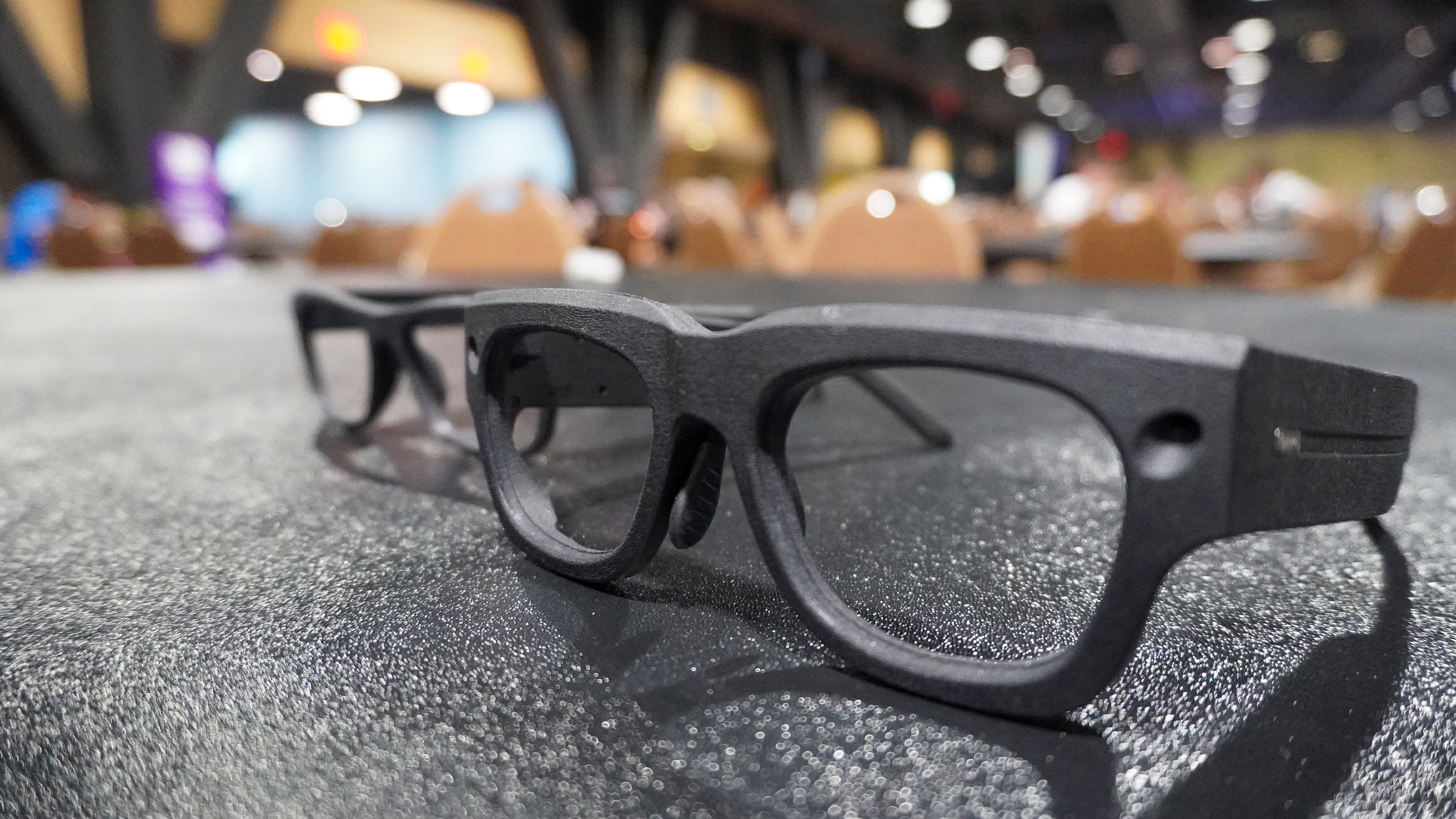
OpenAI is reportedly exploring AI-powered smart glasses as a follow-up hardware product, designed to offer hands-free access to AI without relying on a phone screen.
The glasses could use cameras, microphones and onboard AI to understand what you’re seeing and hearing, then respond in real time — similar in concept to Meta’s Ray-Ban smart glasses, but more deeply integrated with AI. If they move forward, the glasses would signal OpenAI’s push toward ambient, always-available AI that fits naturally into daily life rather than living inside apps.
Smart speaker
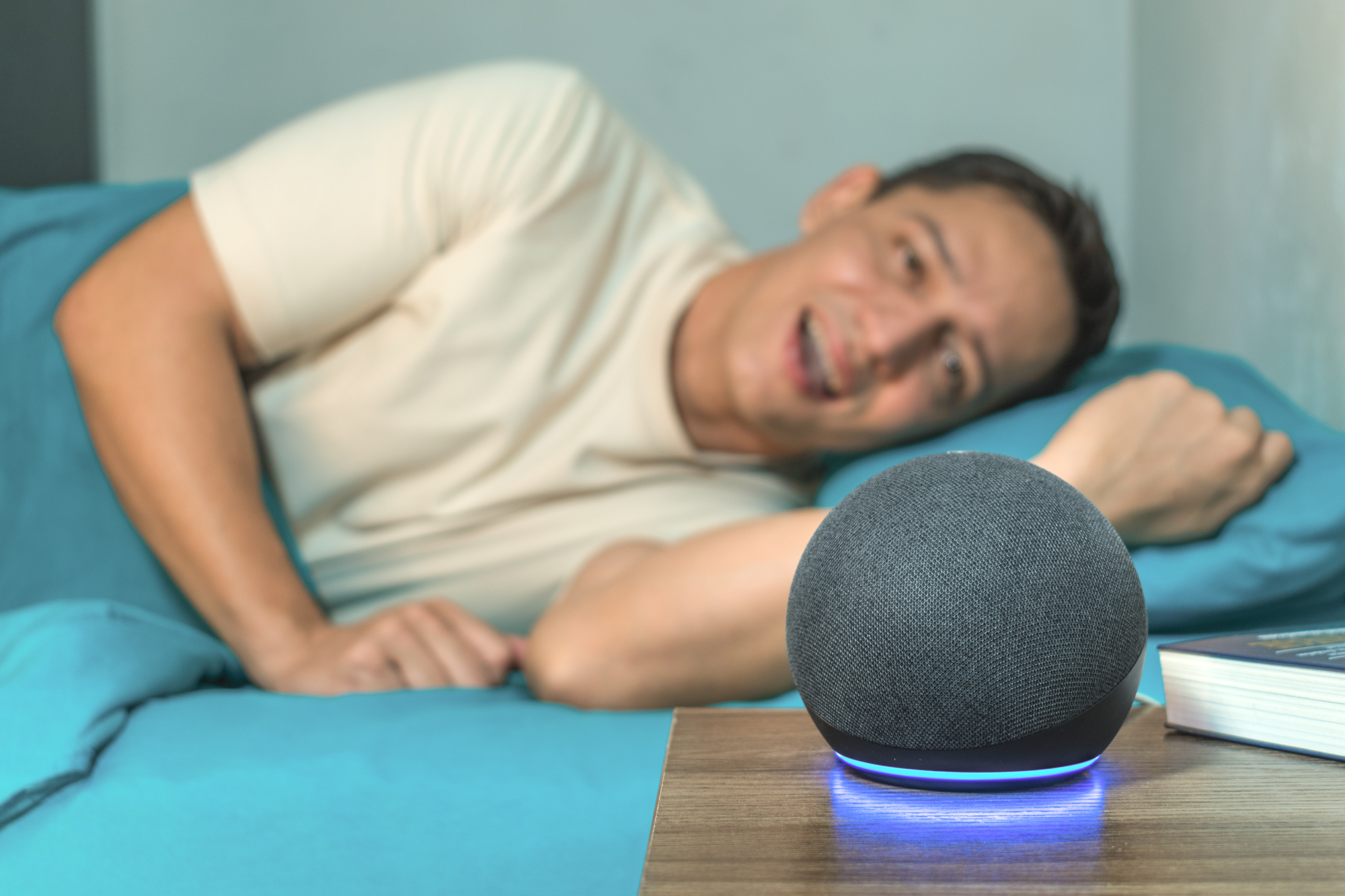
OpenAI may be pushing deeper into audio hardware with a rumored smart speaker-style device.
Leaks describe it as a “smart speaker without a display,” similar to Amazon’s Alexa-powered Echo Dot — a compact, always-on gadget designed to stay in the background and listen for voice commands. If true, it could be OpenAI’s clearest move yet toward ambient, hands-free AI that lives in your home, not just on your phone.
Bottom line
OpenAI’s pricey acquisition of io Products, Inc. signals the company is serious about moving beyond software and into real-world hardware.
And bringing in Jony Ive — the designer behind some of Apple’s most iconic products like the iPod, iPhone, iPad and MacBook Air — could be the key to making OpenAI’s devices feel sleek, desirable and instantly competitive in a market already crowded with big names.
Now we’re waiting to see which rumored gadgets become real, including wireless earbuds, smart glasses, a wearable pin, a smart pen and even a smart speaker.

Follow Tom's Guide on Google News and add us as a preferred source to get our up-to-date news, analysis, and reviews in your feeds.