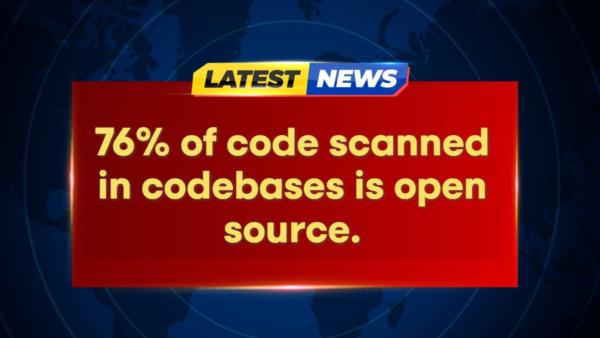
Open-source AI technology is rapidly gaining traction in today's digital landscape, with a significant impact on businesses and innovation. According to the 2023 'Open Source Security and Risk Analysis' report by Synopsys, a staggering 76% of code scanned in codebases was found to be open source, highlighting the growing reliance on open-source models.
Recent insights from a leaked document by a Google software engineer suggest that the gap between proprietary AI technology and open-source solutions is narrowing. The document emphasizes the advantages of open-source AI, citing factors such as speed, customization, privacy, and overall capability.
One company at the forefront of leveraging open-source AI is Speechify, which combines closed-source AI research with open-source language and audio models to develop text-to-speech tools. This approach showcases the potential of open-source AI in driving innovation and meeting user needs efficiently.
While open-source AI offers numerous benefits, including enhanced security, transparency, cost-effectiveness, and customization, there are also challenges to consider. Issues such as time investment, lack of quality assurance, and potential security vulnerabilities require proactive planning and management.
Despite these challenges, the adoption of open-source AI models is on the rise, with major players like Meta incorporating open-source strategies into their operations. Notable examples of open-source models include Llama 2, Vicuna, Alpaca, Falcon, and Bloom, each offering unique features and capabilities for commercial and research use.
As the open-source AI community continues to evolve, companies are encouraged to establish effective governance frameworks and legal safeguards to navigate the complexities of open-source technology. By embracing open-source AI and actively participating in the community, businesses can position themselves for success in a rapidly changing market landscape.
The future of open-source AI holds immense promise, with opportunities for businesses to drive innovation, collaboration, and growth. By staying informed and proactive in addressing the challenges and opportunities of open-source AI, companies can unlock the full potential of this transformative technology.