If you want evidence that new Saudi Oil Minister Abdulaziz bin Salman faces a challenging job heading OPEC's top producer, the International Energy Agency's latest outlook this morning isn't a bad place to start.
Why it matters: The Saudis want a tighter market and higher prices to support domestic spending. More broadly, the report signals the ongoing difficulty OPEC faces influencing the market despite the 3-year-old alliance with Russia
What they're saying: IEA's monthly report explains what's facing OPEC+, the alliance of OPEC and Russia (among others). "The challenge of market management remains a daunting one well into 2020," IEA said.
- "Soon, the OPEC+ producers will once again see surging non-OPEC oil production with the implied market balance returning to a significant surplus and placing pressure on prices."
- It notes that even though U.S. production growth has cooled off, it's still rising on the year and lots of new supply from Brazil and elsewhere is coming too.
Where it stands: Oil prices slid after the report came out, reversing gains earlier in the day. This morning, Brent was trading around $59.54.
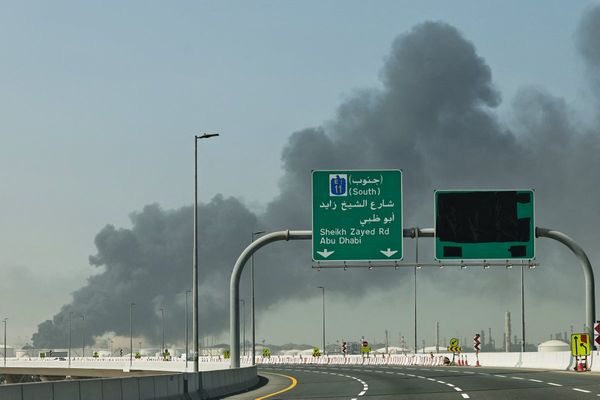
- Reuters reports that today's meeting of OPEC and Russian officials in Abu Dhabi did not address whether to deepen the existing production-cutting pact.
- "The new Saudi energy minister ... said any discussion on deeper cuts would be left for the next OPEC meeting," they report.
The big picture: Oil markets are more broadly caught between competing forces as the week nears its end.
- The prospect of a thaw in U.S.-Iran relations is putting downward pressure on the market. So is sluggish demand growth, though IEA, unlike last month, did not cut its demand growth forecast again.
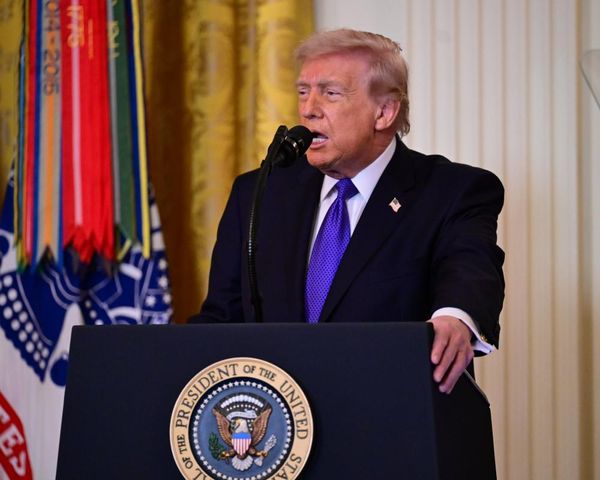
- But other forces are more supportive. Declining U.S. crude stockpiles and a slight de-escalation in the U.S.-China trade fight. President Trump last night announced a 2-week delay in tariff increases on $250 billion worth of Chinese goods.
Go deeper: OPEC's tough balancing act