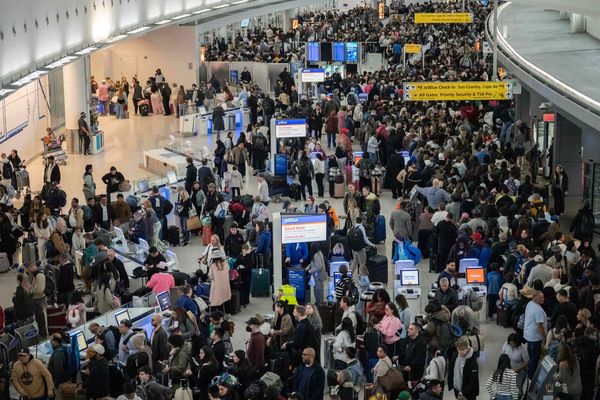
Demand is so high at one emergency department that a hospital has issued an urgent plea for patients not to attend unless they have 'emergency' or 'life-threatening' condition.
The emergency department at the Royal Albert Edward Infirmary is 'currently very busy', according to Wrightington, Wigan and Leigh Teaching Hospitals Trust.
The demand follows weeks of warnings, from NHS staff and health leaders alike, of ‘unprecedented’ pressure at hospitals hit by staff shortages, a colossal spike in critical emergency calls, large numbers of children being admitted for urgent care amid ‘respiratory viruses’ and GPs facing growing demand as they remain under social distancing restrictions.
At around 11.30am, the hospital trust tweeted: "Our Emergency Department is currently very busy.
"Please only attend A&E for emergencies and life-threatening conditions.
"There are a number of services that can help you, think 111 first. They will help you right away #111First #HelpUsHelpYou."

The emergency department published a reminder of the serious condition which might warrant a trip to A&E, including:
- Severe chest pain
- Difficulty breathing
- Bleeding you can't stop
- Possible broken bones
- Loss of consciousness
Last week, the M.E.N. reported the story of one paramedic at breaking point as the number of calls being received by North West Ambulance Service (NWAS) continues to skyrocket.
NWAS took more than 155,000 emergency calls in June, 48,000 more than the same period last year and 23,000 more than 2019.
The patients being treated are more seriously ill or injured – with category one (life-threatening) and two (emergency) incidents increasing by 27 per cent and 7 per cent, respectively, in comparison to June 2021 to June 2019.
In the week commencing July 19, the service says it received 43,000 999 calls, averaging 6,200-a-day - some 24 per cent higher than the same period two years ago, before the pandemic.

In response to the wider pressures, a spokesperson for the NHS in the North West said: “The NHS is working with partners across the North West to respond to rising demand for urgent and emergency care.
“Anyone who needs urgent care should continue to go to NHS 111 online or call 111 so that they can be signposted to the best option for their needs.”
Meanwhile, public figures are painting a grave picture of what the coming weeks will hold for hospitals.
Greater Manchester Mayor Andy Burnham has told the Manchester Evening News that the NHS in Greater Manchester could be ‘going through its toughest time of the pandemic, right now’ as it deals with ‘Covid - plus, plus, plus, plus'.
The region's health lead, Sir Richard Leese, has also said the system hasn't got 'sufficient capacity' to cope with the 'peaks' in demand - and said our hospitals need £140m of investment.
Despite Sir Richard's concerns, a Department of Health and Social Care spokesperson responded: “We have backed the NHS at every turn of this pandemic and the government is committed to supporting the NHS and its staff through COVID-19 and beyond.
“This year we have seen record numbers of doctors and nurses in the NHS, including an increase of 883 ambulance staff. There are now over 1.19 million NHS staff and we plan to deliver an extra 50 million appointments in general practice by growing and diversifying the workforce.
“This will mean improved access for patients and more support for staff to provide a wider range of care options outside of hospital.”