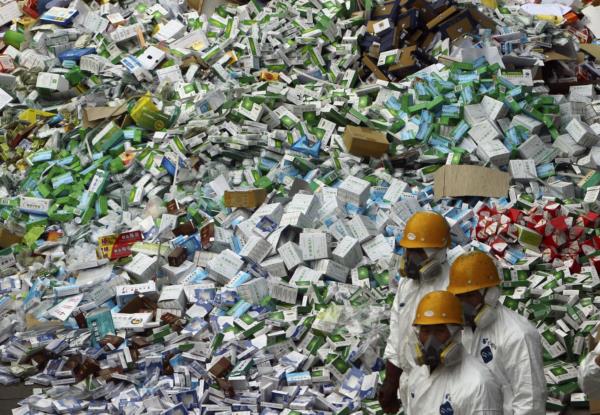
A recent report by the U.S. Trade Representative has shed light on the alarming prevalence of illegal online pharmacies around the world. Out of the estimated 35,000 online pharmacies, a staggering 96% were found to be operating illegally, selling medicines without prescriptions and safety warnings. These rogue pharmacies often masquerade as legitimate e-commerce platforms, deceiving consumers with false claims of approval by regulatory authorities like the FDA.
The risks associated with purchasing from these illicit sources are grave, with a survey revealing that nearly one in four Americans who have used online pharmacies encountered substandard, fake, or harmful medicines. The dangers extend beyond ineffective drugs, as some medications are manufactured in unsanitary conditions, posing additional health hazards.
The report also highlighted a disturbing case where a network of illegal drug sellers distributed potentially deadly synthetic opioids disguised as common prescription drugs through fake online stores, resulting in several deaths due to narcotics poisoning. The indictment underscored the urgent need for stringent measures to combat the proliferation of counterfeit pharmaceuticals.
While progress has been made in combating counterfeit and pirated goods, challenges persist in curbing online piracy. Cyberlockers and 'bulletproof' internet service providers continue to facilitate illicit activities, enabling the sale of counterfeit products and unauthorized content.
The report commended collaborative efforts that led to the shutdown of piracy rings in various countries, including a significant operation in Vietnam that dismantled a major pirated movies site. However, the battle against online piracy remains ongoing, with platforms like social-commerce sites and cloud storage services being flagged for hosting counterfeit goods and failing to enforce copyright protection.
Real-world locations, such as markets in Turkey and bazaars in the United Arab Emirates, were also identified as hotspots for counterfeit products. Despite some progress in cracking down on counterfeiting, challenges persist, as evidenced by the continued availability of such goods in prominent shopping centers like Bangkok's MBK Center.