The BBC has unveiled further details of what the new online-only BBC3 will look like after its TV channel is axed, including two new “editorial pillars” called “make me think” and “make me laugh”.
The BBC said 20% of the new youth offering’s budget would go on shortform digital content, while 80% would be spent on the sort of longform programmes currently broadcast on BBC3.
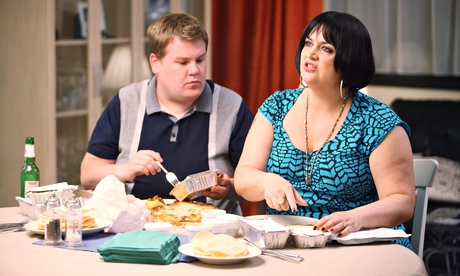
“Make me think” will be based around documentary, current affairs, news and drama, while “Make me laugh” will be focused on scripted comedy such as Gavin and Stacey.
The BBC’s director general, Tony Hall, said the decision to axe the channel was the most difficult decision he had to make since he took the job last year, but he called the new online-only offering “ambitious and exciting”.
Damian Kavanagh, who is leading the BBC3 project, said the new service would be “of the digital world not just in it” with opportunities for the audience to shape and comment on its content.
The channel will be promoted across the digital world, including on Facebook, Twitter and Snapchat, giving audiences the opportunity to “own it and help shape it”, Kavanagh said.
“The big mistake would have been if we had just moved the BBC3 TV channel online,” he said. ‘We want the audience to feel involved and put it in places where they can comment on it and engage with it in different ways.”
Trails and short clips on places like Twitter will seek to drive viewers to the BBC3 website, while sites such as Tumblr will be used to provide more background on BBC3 shows.
“We want to marry the best of BBC3 with the best of the digital world and create something genuinely new,” he said.
Kavanagh said most channels spent less than 1% on shortform digital content. BBC3 will spend 20% of its £30m budget, cut from its current £55m. Some of its new shortform content will include partnerships with digital rivals such as Vice Media.
“In essence we are moving from nine hours a day to 24 hours a day – a 24/7 proposition,’ said Kavanagh, who revealed the proposals had followed months of asking thousands of people about how they watched TV.
“We haven’t just made it up,” he said, adding that the plans were in part a response to the changing digital environment. “And let’s be frank, it’s also down to the money.”