
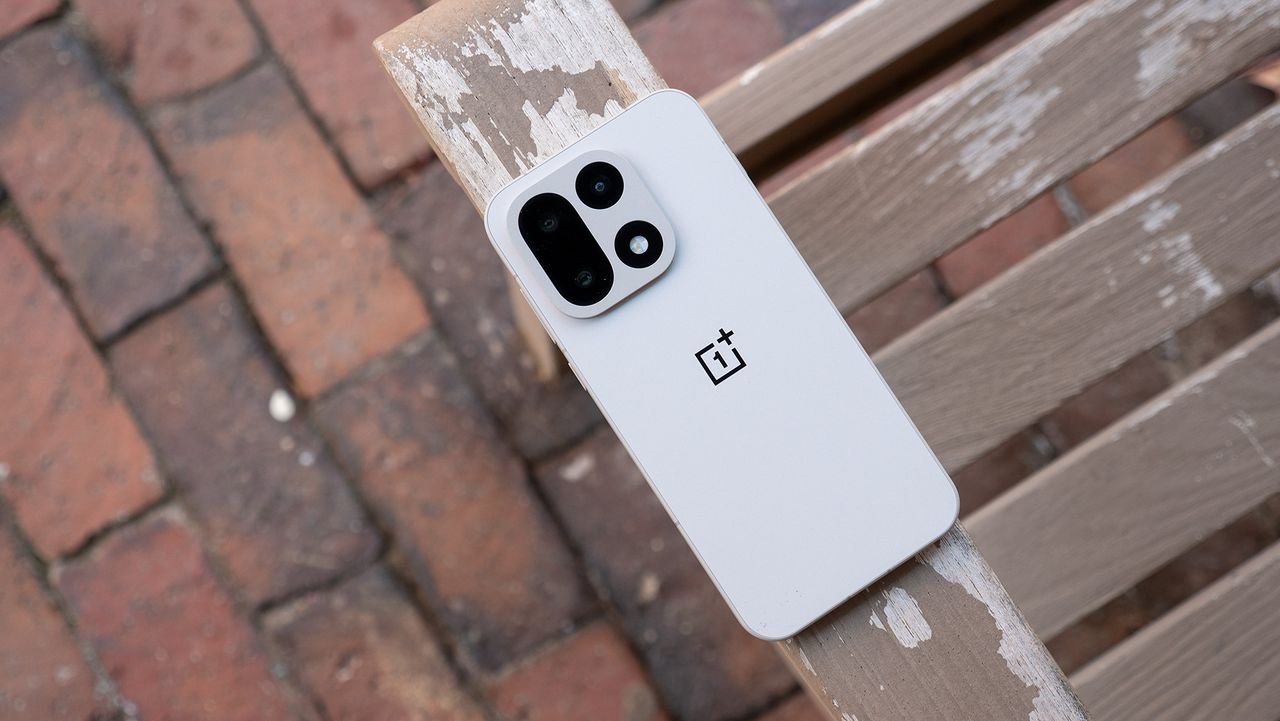
Flagship features
Compared to Samsung's latest phones, the OnePlus 15 is unique for its flashy specs and willingness to lean into new technologies. Notably, the phone has a 7,300mAh battery and a Snapdragon 8 Elite Gen 5 processor. It also comes with a more subdued design, for better or worse.
Pros
- Fast Snapdragon 8 Elite Gen 5 processor
- 7,300mAh battery capacity could lead to multi-day battery life
- New in-house camera processing engine
Cons
- Display is now 1.5K resolution, down from 3K
- Worse camera hardware than its predecessor
- Muted design isn't nearly as attractive as OnePlus 13
The safer pick
With seven years of Android OS upgrades and Samsung's excellent software suite, the Galaxy S25 Plus is easier to recommend. The hardware is no slouch, either, with a Snapdragon 8 Elite for Galaxy chip on the inside.
Pros
- Powerful and well-optimized Snapdragon 8 Elite for Galaxy chip
- Ships with One UI 7 + upgrade to One UI 8
- Robust Galaxy AI suite with Gemini on top
Cons
- Qi2 Ready support doesn't include hardware magnets
- Hardware upgrades are few and far between
- Cameras are particularly lacking compared to OnePlus 15
OnePlus' latest flagship phone gives in to mainstream design trends, making the OnePlus 15 more similar to devices like the Samsung Galaxy S25 Plus than earlier models. When choosing between the two phones, it's easy to get swept up in the OnePlus 15's specs. The smartphone features a large battery, Qualcomm's latest mobile processor, and more.
While the Galaxy S25 Plus isn't an ambitious option, it may be the more appealing option for most people. The phone ships with familiar Samsung software and a lengthy support promise that should help it last into the next decade.
If you're looking for an Android phone in the 6.7-inch size range, the OnePlus 15 and Samsung Galaxy S25 Plus are two of your best options. Here's how they compare.
OnePlus 15 vs. Samsung Galaxy S25 Plus: Design and display
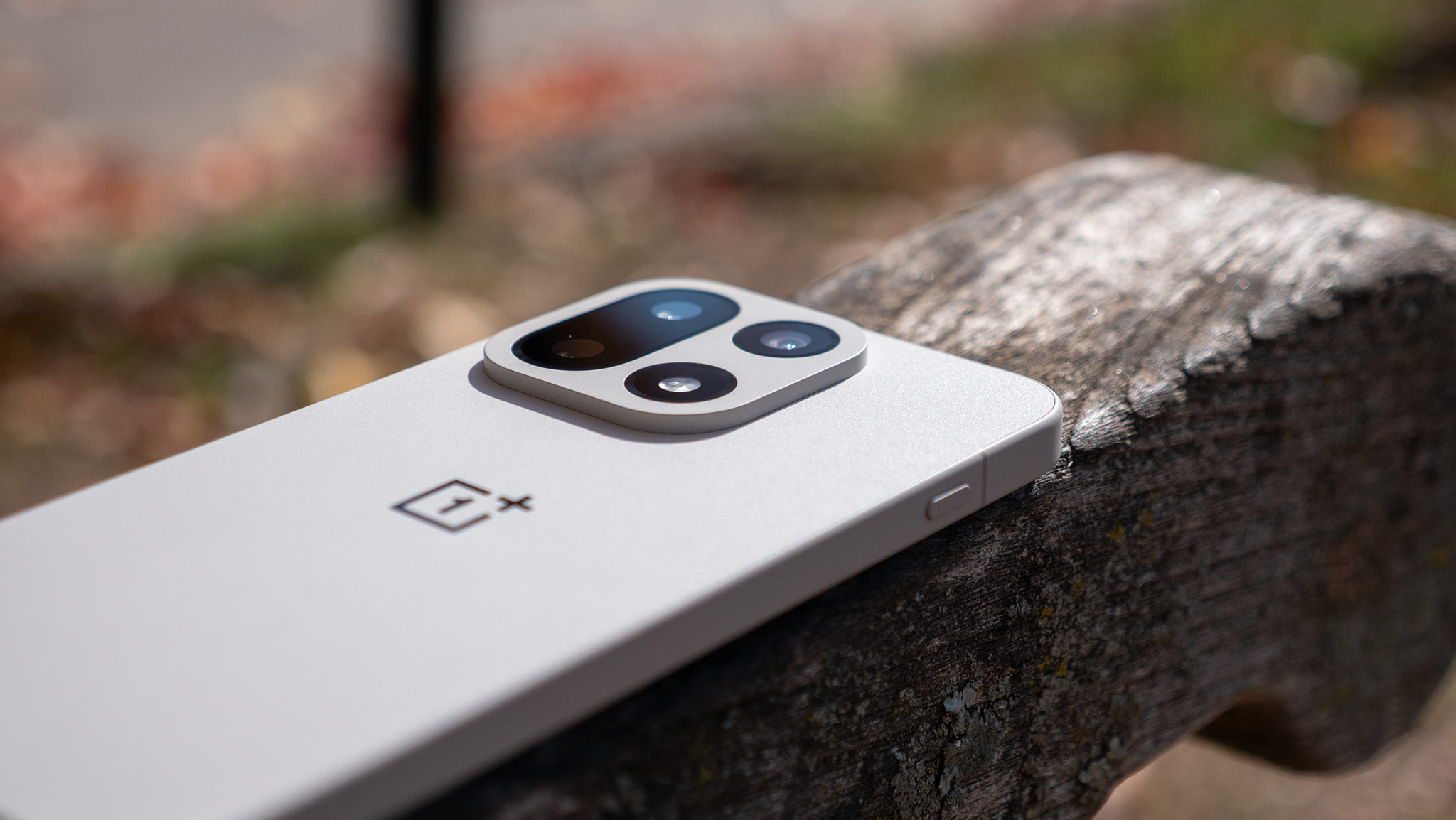
Visually, the OnePlus 15 has more in common with budget devices like the OnePlus 13T than the flagship OnePlus 13. OnePlus spent years remaining creative in smartphone design, prioritizing curvy chassis, unique camera bumps, and leather back options. This year, the brand broke from its standard mold, making the OnePlus 15 body with entirely flat surfaces on all sides.
It's a sharp departure from the OnePlus 13, which sported a curved design on the front and back. However, flat and boxy designs have been popular among flagship phones from Apple, Samsung, and Google for years, so it's not exactly innovative. The circular camera arrangement is gone in favor of a standard square. The material itself is less flashy — it's just aluminum — but OnePlus did add a ceramic-like feel.
On the side, the classic OnePlus Alert Slider is replaced with a Plus Key, which is kind of like an iPhone Action button. The phone measures 161.4 x 76.7 x 8.1 mm, making it on the thicker side. It's somewhat heavy, weighing 211 grams.
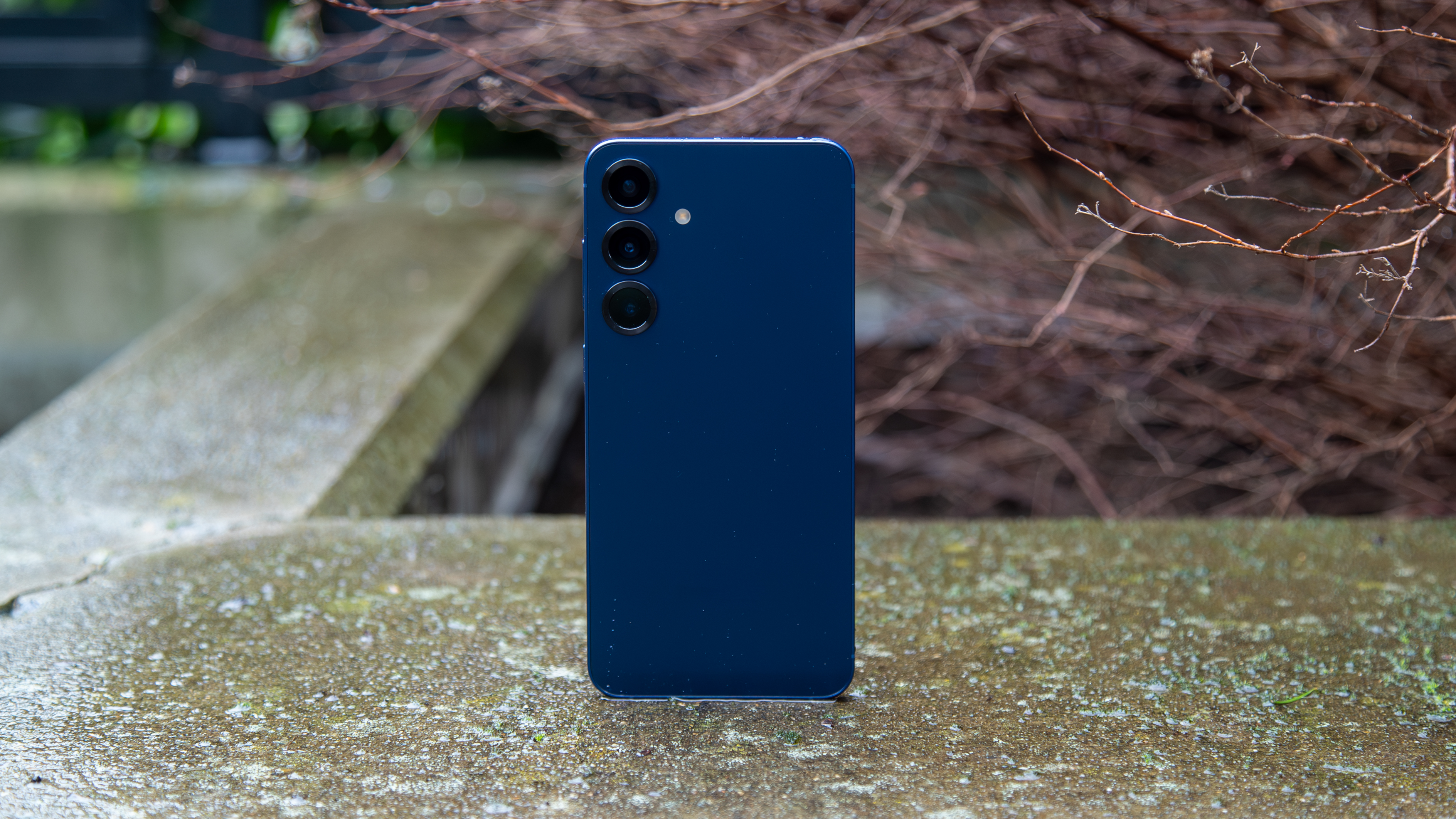
The Samsung Galaxy S25 Plus is similarly a flat rectangle, with even fewer interesting design cues. On the back, there are simply three camera lenses with DSLR-style ring covers. Aside from rounded corners and chamfered edges, the Galaxy S25 Plus is completely flat, including the display. Samsung does offer a whopping seven colors for the Galaxy S25 Plus, but that's the most the phone stands out.
It's much thinner than the OnePlus 15, measuring 7.3mm thick. The Galaxy S25 Plus weighs only 190 grams, making it easier to pocket and hold.
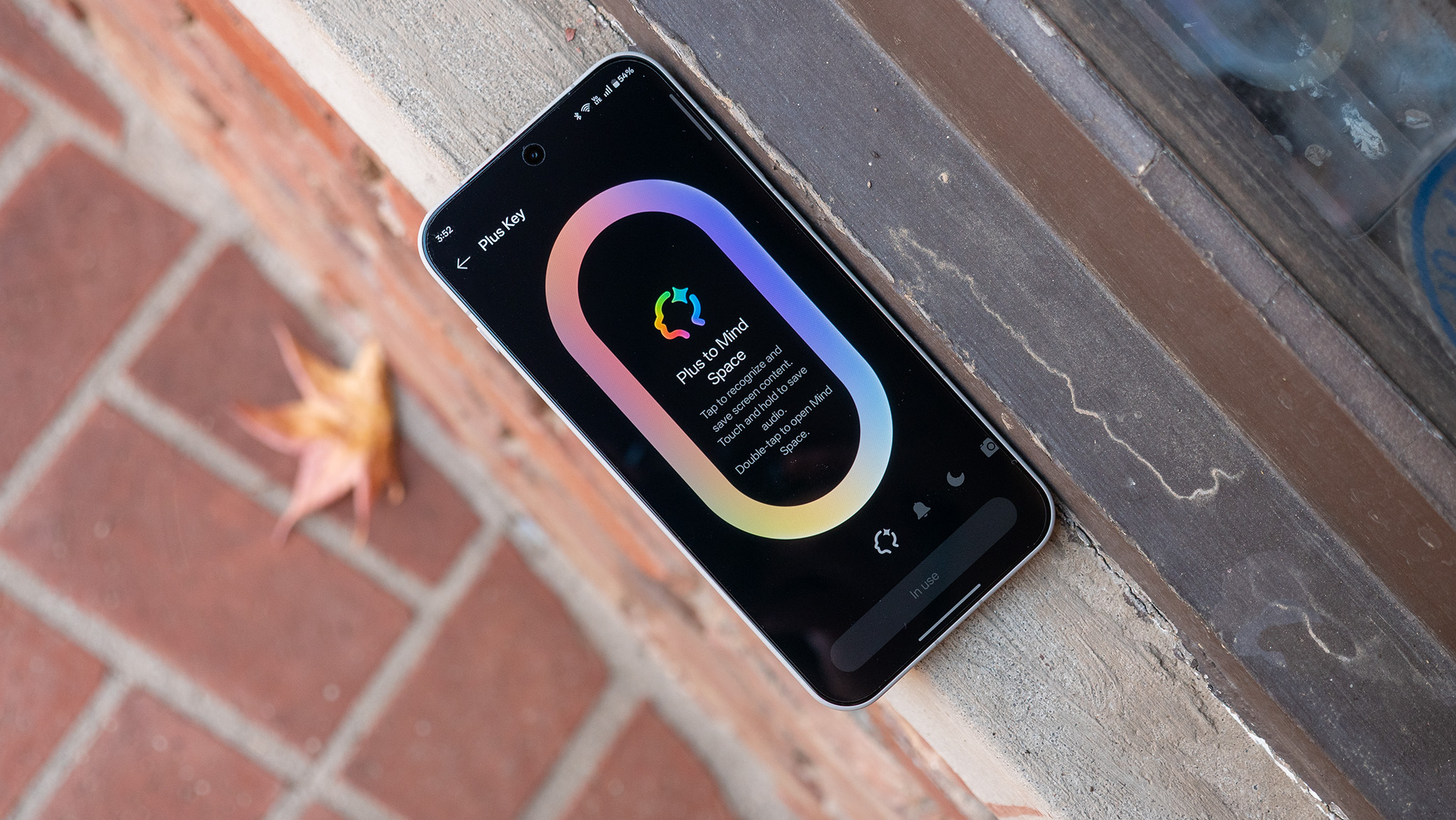
OnePlus ditched its QHD+ display for a 1.5K display on the OnePlus 15. It made the change to support 165Hz refresh rates, part of a gaming-focused push. The screen remains an OLED panel that supports LTPO technology.
That means the Galaxy S25 Plus, with its QHD+ AMOLED 2X panel and ProScaler tech, has a sharper display. It does have a lower 120Hz maximum refresh rate as a result. The Samsung Galaxy S25 Plus also features an extra 800 nits of peak brightness compared to the OnePlus 15.
OnePlus 15 vs. Samsung Galaxy S25 Plus: Hardware and specs
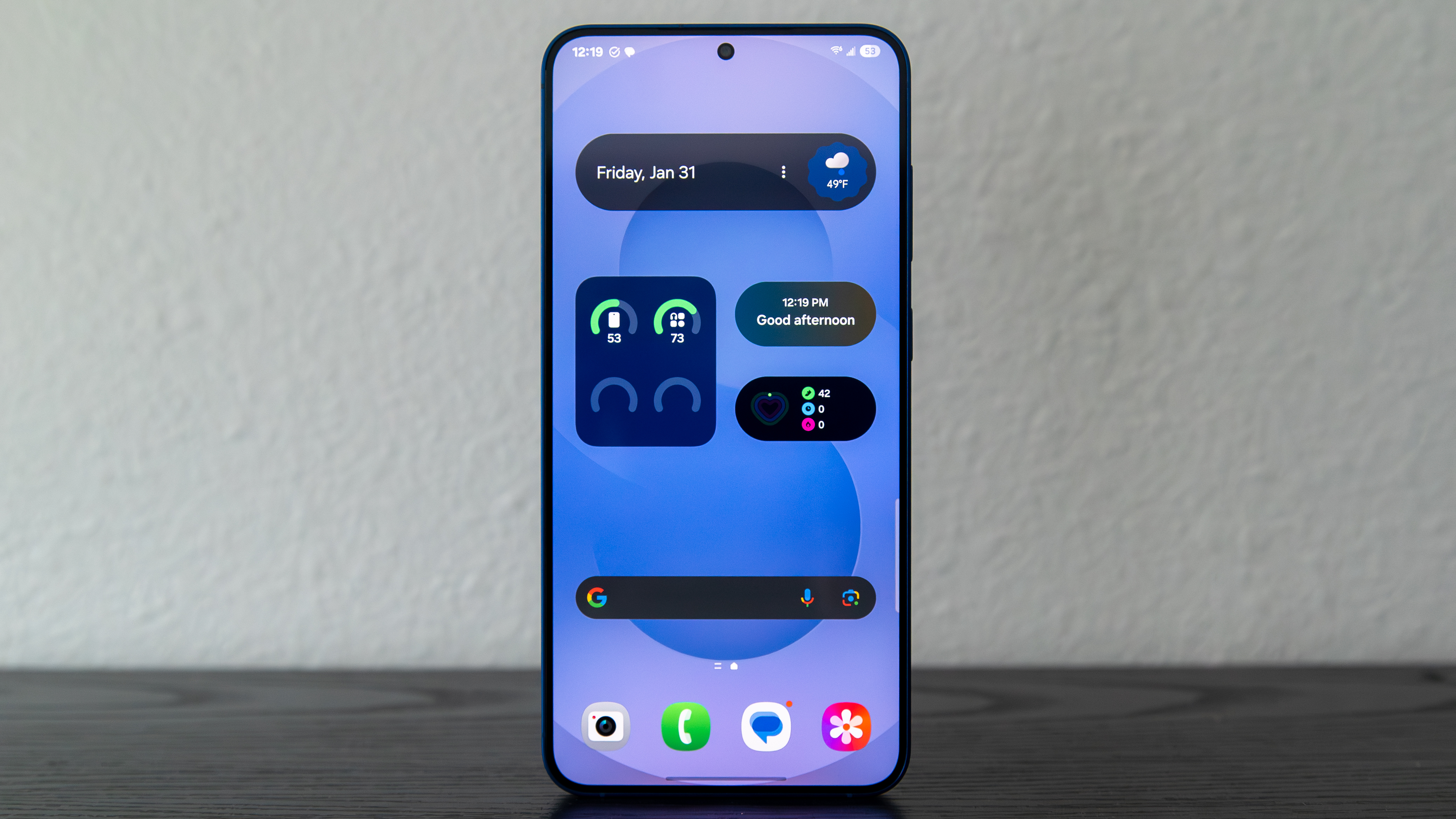
The OnePlus 15 is the first mainstream flagship of the 2026 release schedule for North America. Naturally, it's going to beat the Galaxy S25 Plus in the specs department, since that phone is nearly a year old. You get Qualcomm's latest Snapdragon 8 Elite Gen 5 processor on the inside, and it powers all the OnePlus 15's core features. As previously mentioned, gaming is a major focus of this smartphone.
Part of that is the "Gaming Core" tech that optimizes the OnePlus 15 for gaming at the processor level. The company touts that it is 80% more efficient at per-frame rendering as a result of these improvements. You can get the phone with either 12GB or 16GB of RAM, depending on the storage configuration.
The Samsung Galaxy S25 Plus is no slouch, offering optimizations of its own. It's powered by the Snapdragon 8 Elite for Galaxy — the last-gen version of the chip inside the OnePlus 15, but with Samsung efficiency upgrades. The next Galaxy Plus model will likely be based on the same Qualcomm mobile platform as the OnePlus 15, so keep that in mind if you're on the fence.
Category |
OnePlus 15 |
Samsung Galaxy S25 Plus |
|---|---|---|
Display |
6.78-inch 1.5K AMOLED, 165Hz Adaptive Refresh Rate |
6.7-inch QHD+ AMOLED 2X, 120Hz Adaptive Refresh Rate |
Processor |
Qualcomm Snapdragon 8 Elite Gen 5 |
Qualcomm Snapdragon 8 Elite for Galaxy |
RAM |
12GB / 16GB |
12GB |
Storage |
Up to 512GB UFS 4.1 |
256GB, 512GB |
Rear Camera 1 |
50MP Wide, f/1.8, 24mm |
50MP Wide |
Rear Camera 2 |
50MP Periscope telephoto, f/2.8, 80mm |
10MP 3x Telephoto |
Rear Camera 3 |
50MP Ultrawide, f/2.0, 16mm |
12MP Ultrawide |
Front Camera |
32MP wide, f/2.4 |
12MP, wide hole-punch camera |
Ingress Protection |
IP66, IP68, IP69, IP69K |
IP68 |
Connectivity |
5G, Wi-Fi 7, Bluetooth 6.0 |
5G (sub6, mmW), Wi-Fi 7, UWB |
Battery |
7,300mAh |
4,900mAh |
Charging |
80-100W/120W wired, 50W wireless, 10W reverse wireless, 5W reverse wired |
Super Fast Charging 2.0 (45W), Fast Wireless Charging 2.0, Wireless PowerShare, Qi2 Ready |
Dimensions |
161.4 x 76.7 x 8.1 mm |
158.4mm x 75.8 x 7.3mm |
Weight |
211g or 215g |
190g |
OS |
OxygenOS 16 w/ Android 16 |
One UI 7 (Android 15) [upgradeable] |
It's in the battery life category that the OnePlus 15 really shines. The OnePlus 13 was already a battery life champion, and the OnePlus 15 offers 21% more capacity. That makes for a total capacity of 7,300mAh — long enough to last multiple days. You can even play high-level games for up to 6.6 hours on a single charge at 165 FPS, according to OnePlus.
The OnePlus 15's battery dwarfs the 4,900mAh cell inside the Galaxy S25 Plus. It'll probably still last a full day, but it's nowhere near as impressive as the one in the OnePlus 15. The latter also charges faster, at up to 120W over a cable or 80W in some regions.
Each phone is equipped with three rear cameras. The OnePlus 15 has a trio of 50MP cameras that include a primary, ultrawide, and telephoto shooter. Meanwhile, the Galaxy S25 Plus has a 50MP main camera, 12MP ultrawide, and 10MP telephoto camera. Notably, the Galaxy S25 Plus' camera system dates back to the Galaxy S22 series.
OnePlus 15 vs. Samsung Galaxy S25 Plus: Software
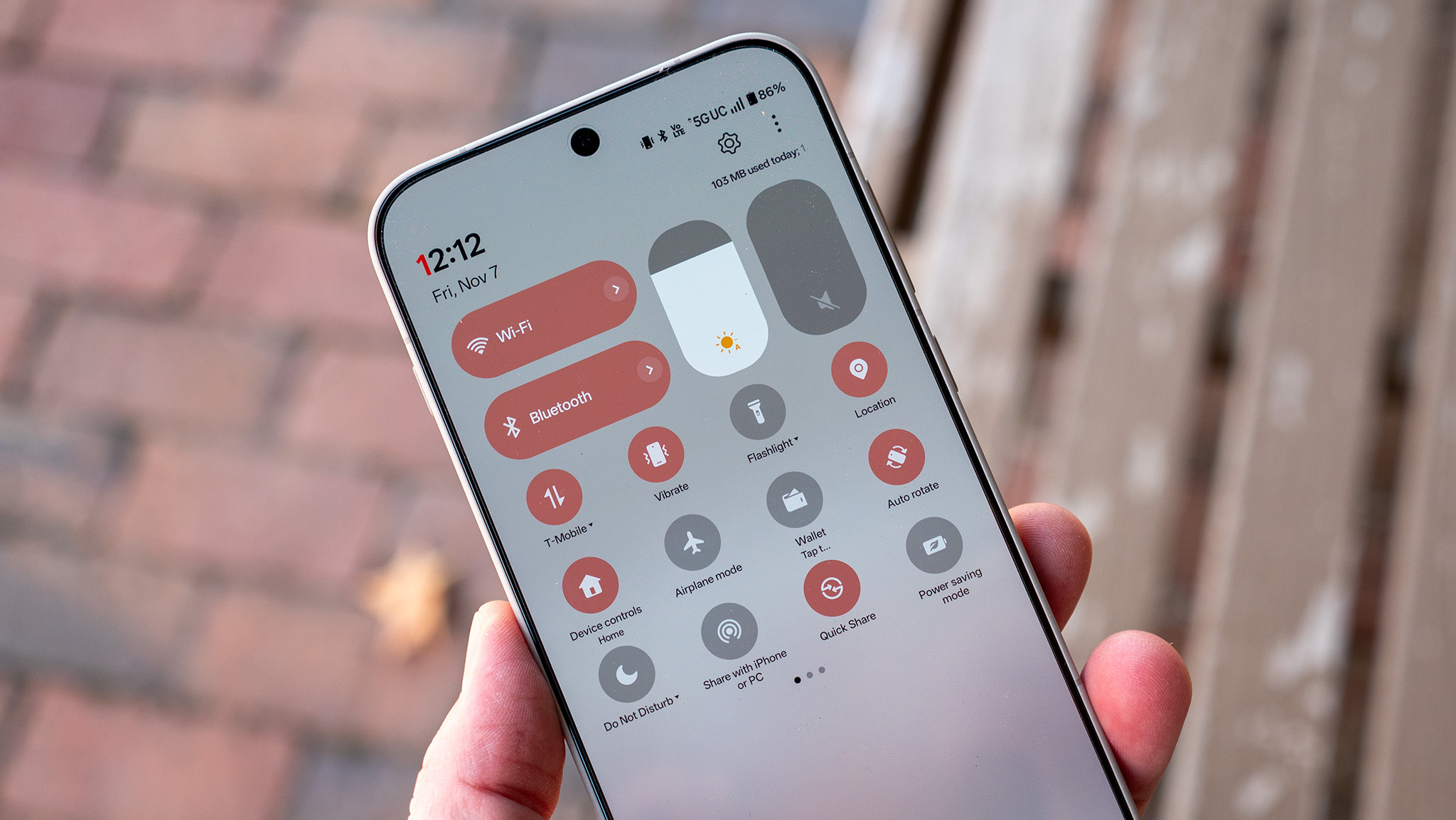
The OnePlus 15 ships with OxygenOS 16, based on Android 16. The new operating system takes a few cues from iOS and leans further into artificial intelligence. There are features like Plus Mind that can see and analyze what's on your screen, sending the data to Mind Space. It's like an iteration of Pixel Screenshots or Microsoft Recall, but for your OnePlus phone.
A Flux Theme 2.0 visual redesign joins an AI Efficiency suite to revamp the OxygenOS experience. Is that enough to make Android users leave One UI or Pixel UI behind?
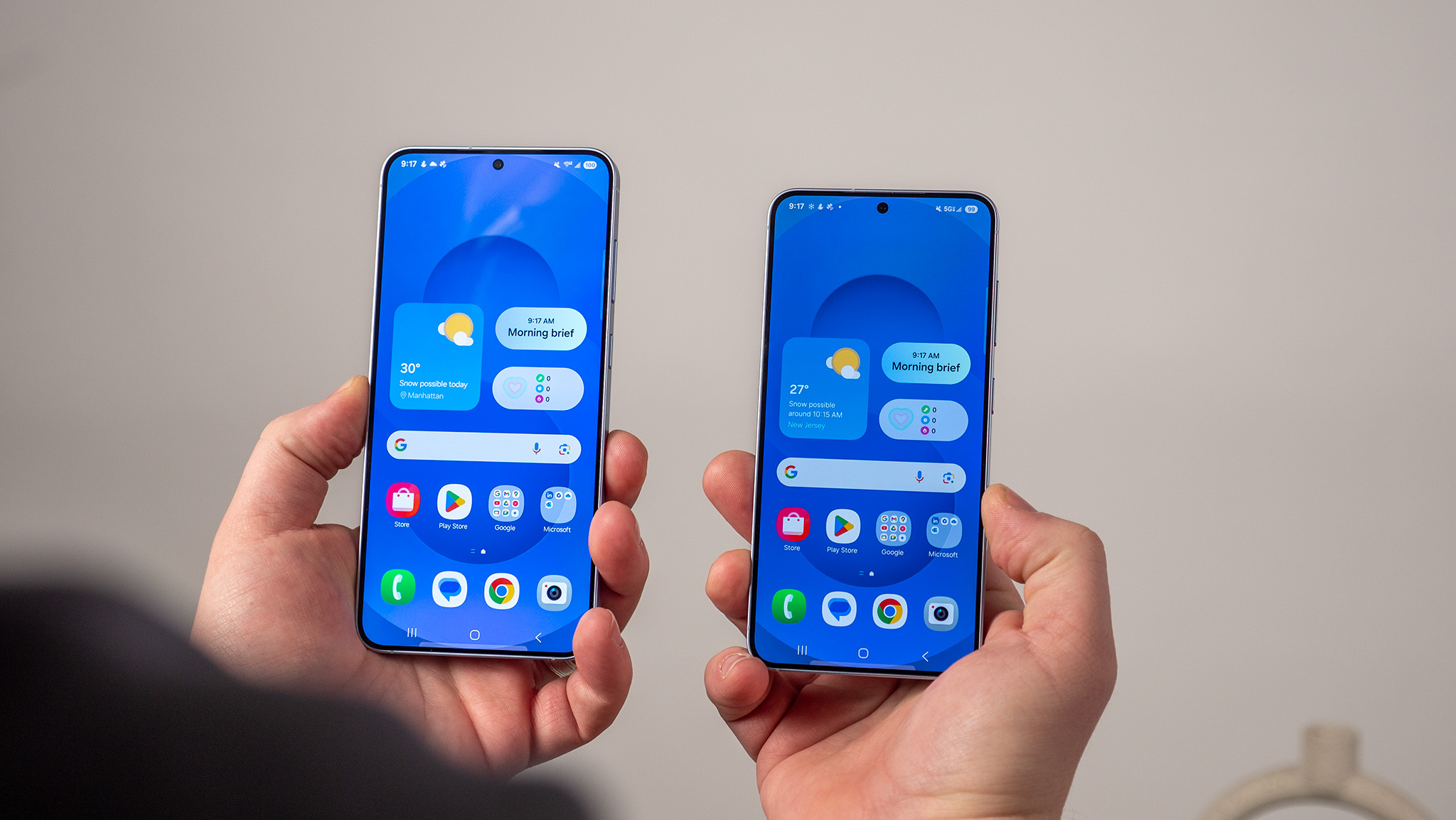
That'll depend on your preferences, but Samsung still wins on the software front. Until proven otherwise, Samsung's Galaxy AI suite is more useful than anything OxygenOS has offered to date. Additionally, there's deep integration with Google AI and Gemini to fill the gaps Galaxy AI doesn't cover.
While the Galaxy S25 Plus ships with the Android 15-based One UI 7, it can be immediately upgraded to One UI 8 (Android 16).
OnePlus 15 vs. Samsung Galaxy S25 Plus: Which should you buy?
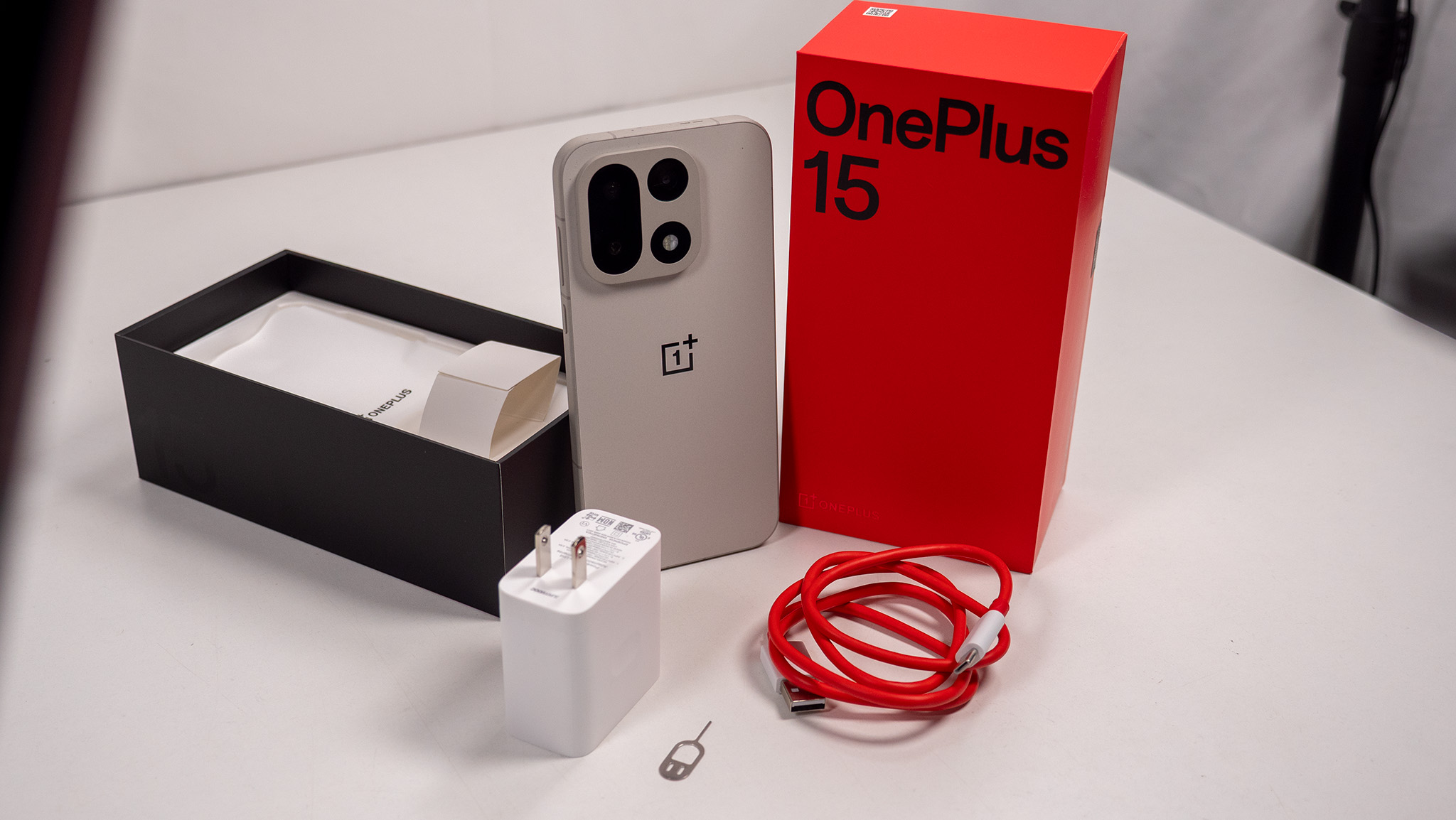
There are several perks that make the OnePlus 15 appealing, notably the phone's battery. It utilizes silicon-carbon battery technology and a dual-cell approach to deliver one of the largest capacities we've ever seen in an Android phone. Paired with a gaming-first build featuring a 160Hz display, this phone is ideal for power users and enthusiasts.
However, longtime roadblocks to buying OnePlus phones still apply. They aren't sold through carriers, which is how most people upgrade in the U.S. They also don't have as familiar or well-supported software, although six years is certainly an improvement. These obstacles will likely still deter people from trying the OnePlus 15.
Samsung's Galaxy S25 Plus will be hard-pressed to compete with the OnePlus 15 on a hardware level. Its consumer AI suite is much stronger, though, and One UI 8 is better than OxygenOS 16. Best of all, it is guaranteed to get seven years of Android OS upgrades. As such, even if the Galaxy S25 Plus isn't as flashy, it'll probably be the best 6.7-inch Android phone for most.
All-in on hardware
The OnePlus 15 stands out due to its massive 7,300mAh that could last you multiple days on a single charge. It has a fast processor and excellent cameras, too. However, some will find Samsung's software more familiar, and it's supported for longer than the OnePlus 15.
A solid bet
If you're looking for a superb Android flagship that'll last for many years to come, the Samsung Galaxy S25 Plus is a great buy. With the best software update guarantee in the business, it's a safe option. However, its specs and features aren't as exciting as the OnePlus 15.