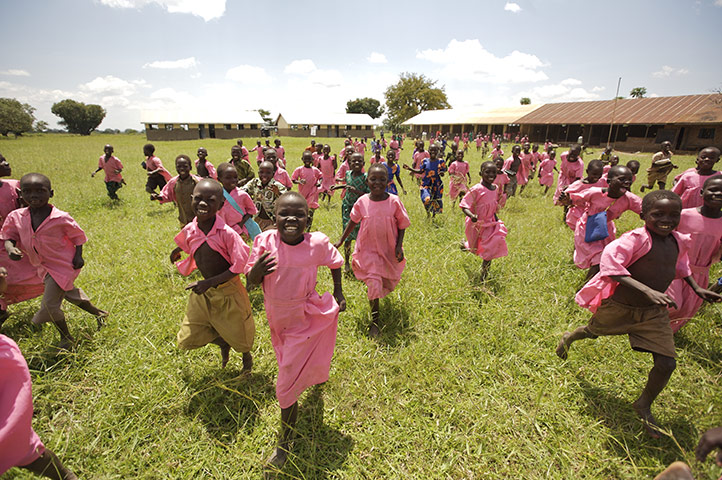
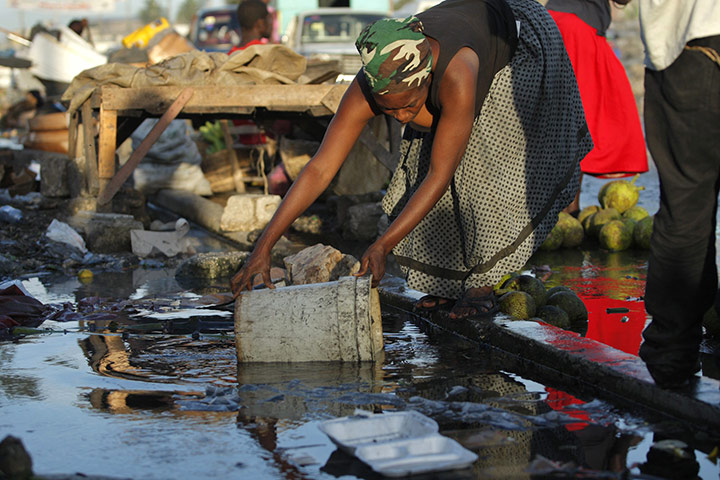
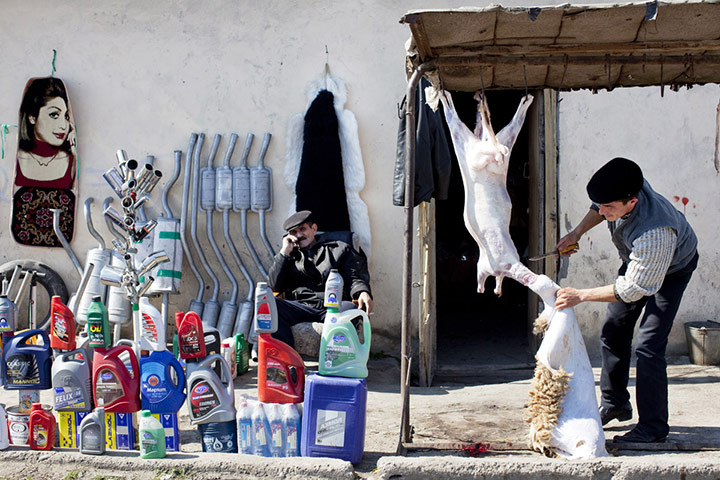
Pupils in Katine, Uganda, in their bright pink uniforms. The Global development site grew out of the Guardian's Katine project. The Guardian ended it's full-time coverage of what's happening in the sub-county in October 2010, but we're continuing to monitor development in the area on our Return to Katine page. We'll have more news from Katine in October Photograph: Dan Chung/The GuardianCholera outbreak in Haiti after the earthquake: A woman collects water from the ground to clean a table to sell meat in downtown Port-au-Prince, November 2010Photograph: Kena Betancur/ReutersFood price rises affected people across the globe. Here, a street vendor sells car accessories, rugs and fresh meat in the Barda region of AzerbaijanPhotograph: David Levene/Oxfam
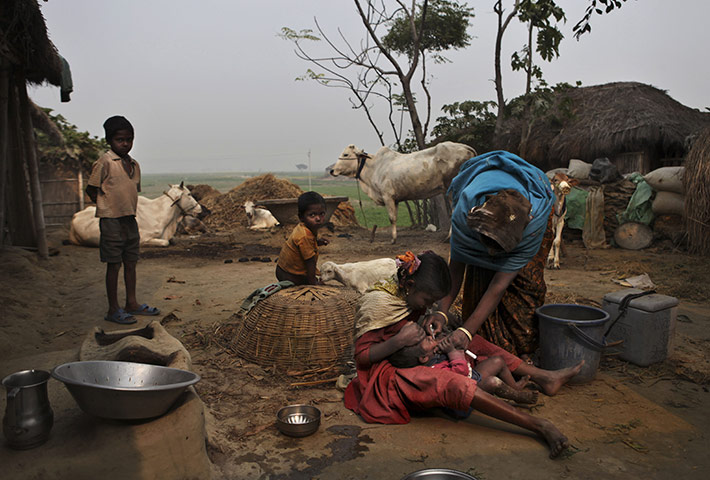
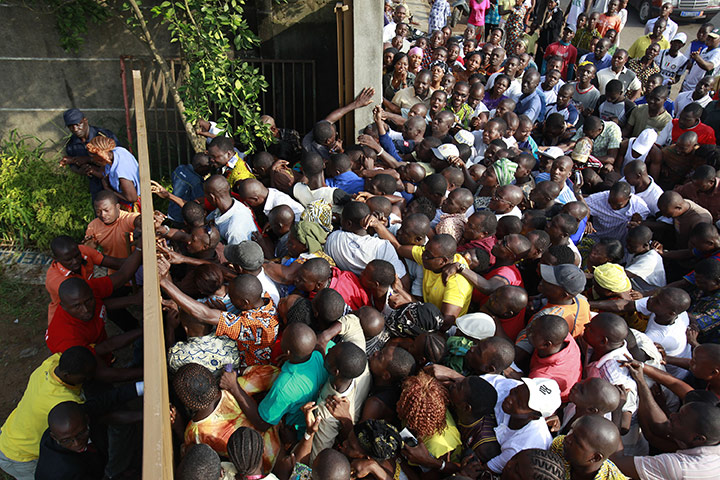
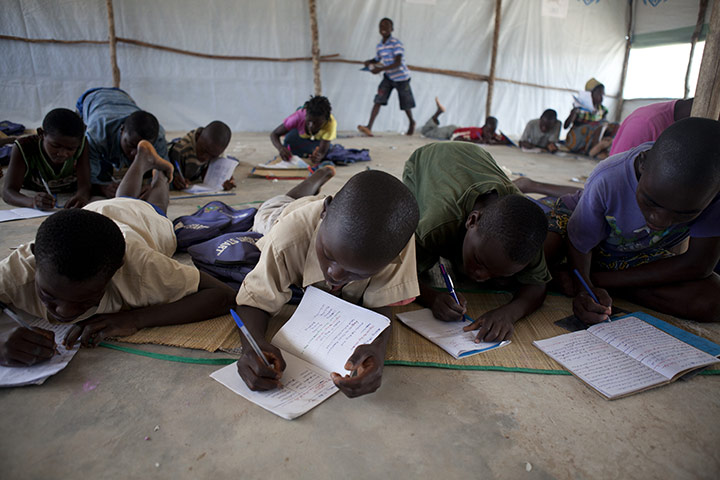
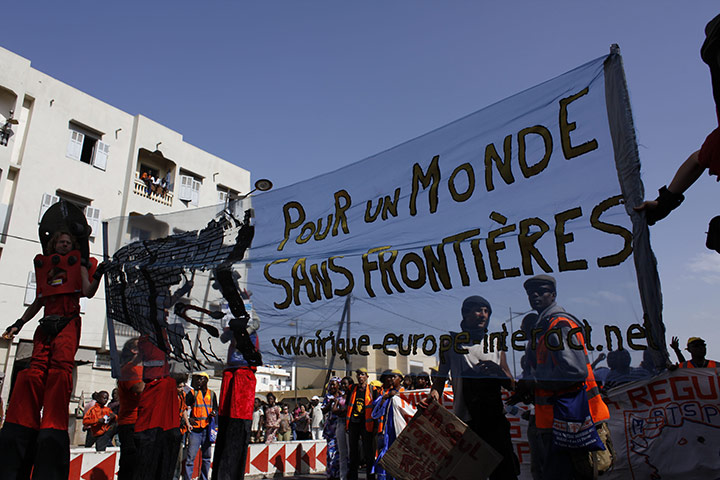
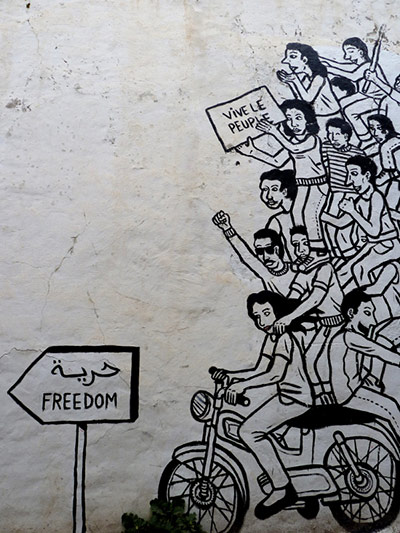
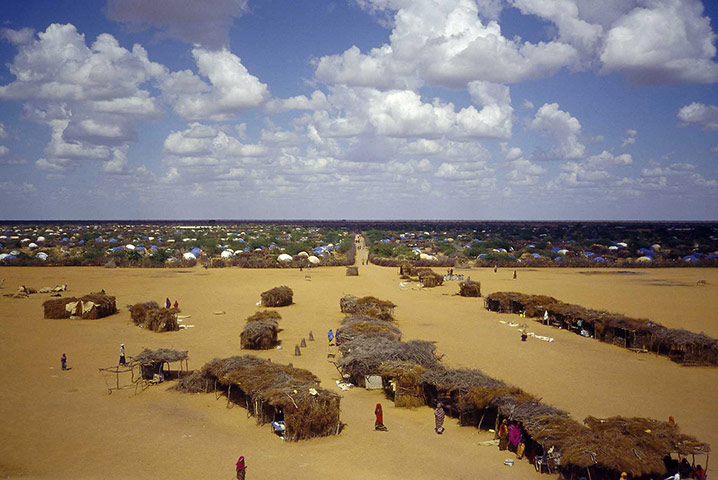
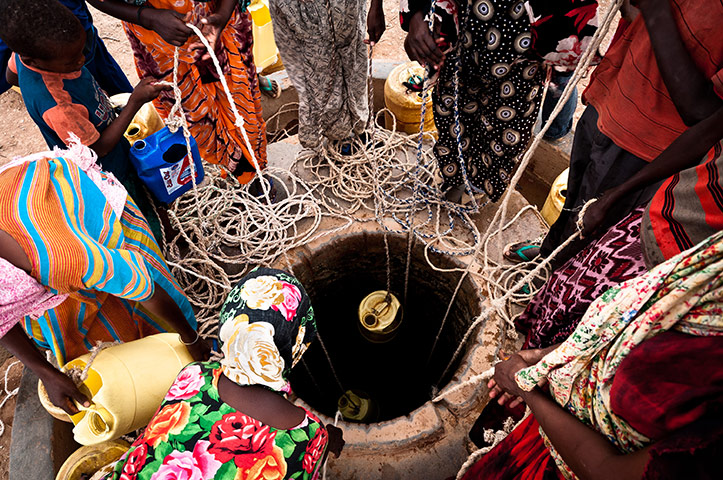
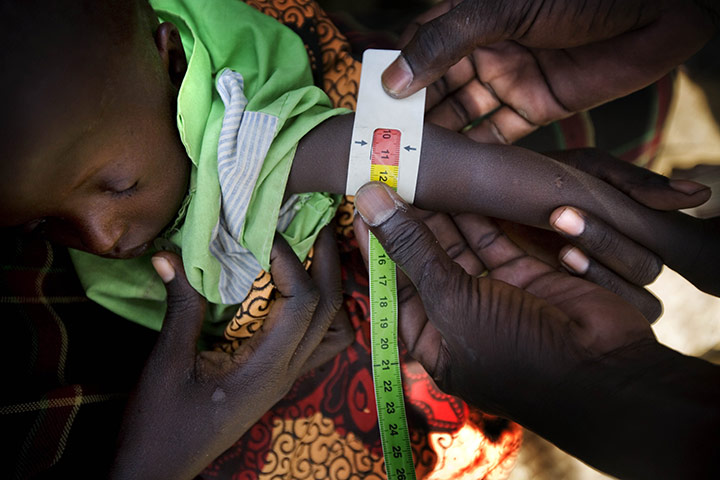
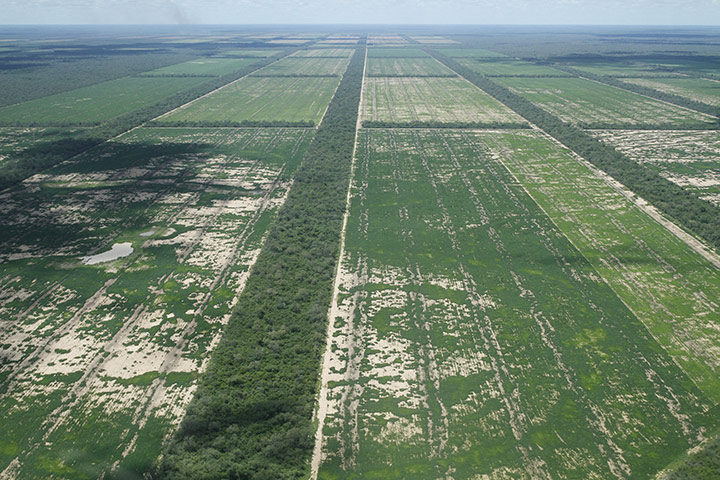
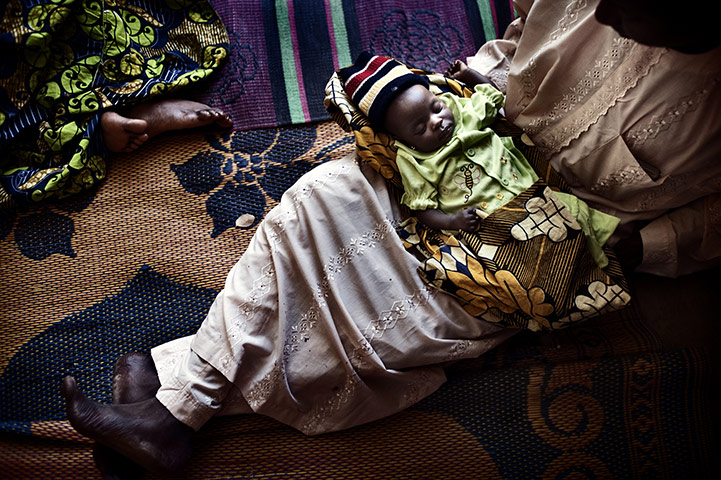
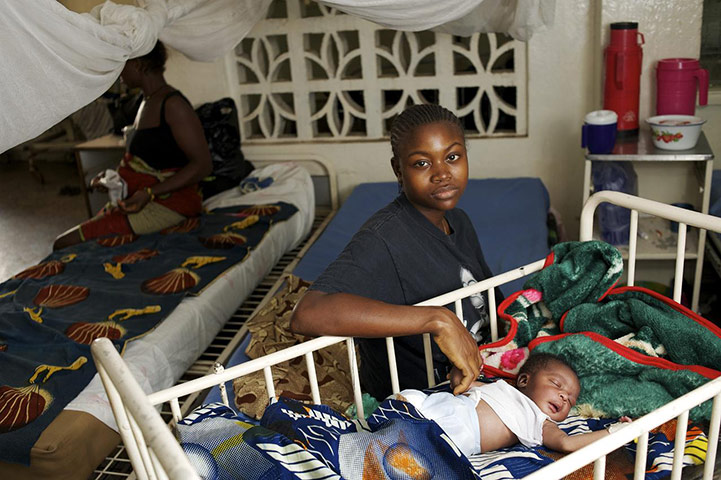
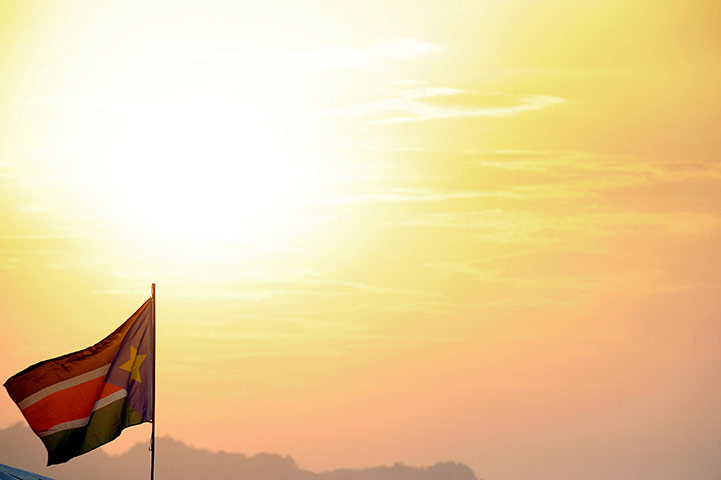
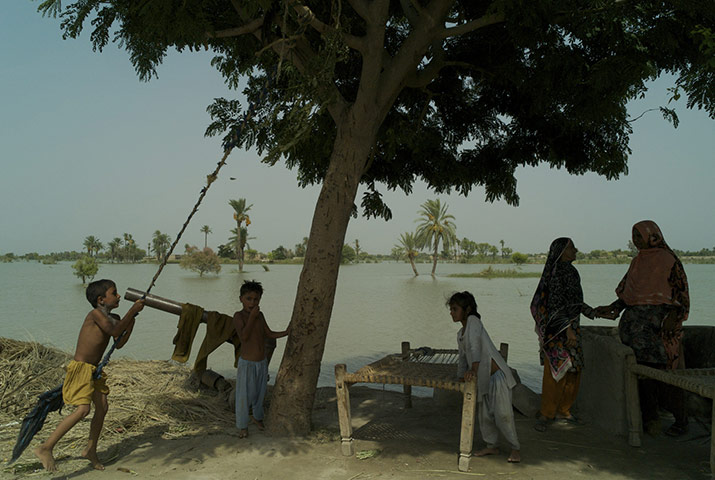
Attempts to eradicate polio continue: Sanjana Shoba administers polio drops to a child during a vaccination campaign in Tilkeshwar village, India, in January. The village is around 200km (125 miles) from Patna. In just five days, 2.5 million workers visited 68m homes to inoculate 172 million children under five. Across India, one of four nations where polio remains endemic, only 42 cases were recorded in 2010, a drop of 94% from the year beforePhotograph: Altaf Qadri/APElections in Ivory Coast: Voters, angry at polls not opening one hour after their scheduled start, break down a gate at Groupe Scolaire Saint Jeanne in the Abobo neighborhood of Abidjan, the capital of Ivory Coast, on 28 November 2010. Voters were choosing between president Laurent Gbagbo and Alassane Ouattara. After a prolonged period of violence, Ouattara became the new presidentPhotograph: Rebecca Blackwell/APIvorian refugees in Liberia: Bahn Refugee Camp, Liberia. Refugee children write out a lesson in a classroom at the UNHCR Camp, in MayPhotograph: Jane Hahn/Save the ChildrenWorld Social Forum: Activists on stilts carry a banner reading 'For a world without borders' as they walk in a march on the opening day of the World Social Forum in Dakar, Senegal, on 6 February. The anti-capitalist gathering that serves as an annual counterweight to the World Economic Forum kicked off with a march and a speech by Bolivian President Evo MoralesPhotograph: Rebecca Blackwell/AP'Arab Spring': 'Zoo Project', a Franco-Algerian graffiti artist based in Paris, visited Tunis in March and April. As well as a series of murals, Zoo Project created 40 life-sized figures representing some of the 236 people who were killed in the uprising in Tunisia earlier this yearPhotograph: Action imagesDadaab: Months before world attention turned to the current crisis in the Horn of Africa, Dadaab refugee complex in Kenya marked its 20th anniversary. This image shows Somali, Sudanese and Ethiopian refugees in Ifo camp in March 1996Photograph: I. Galassi/UNHCRPastoralists in Turkana, Kenya, tend to their animals. Climate variability and contemporary threats, such as land acquisition and limited access to land for grazing, put new pressure on the livelihoods of pastoralists who inhabit vast swaths of the Sahel and the greater Horn of AfricaPhotograph: Michael WadleighDrought in east Africa: People gather to collect water in Wajir, Kenya. The severe drought in east Africa caused malnutrition rates to soar and threatened the lives of children throughout the region. Pastoralist families have been hit especially hard by the situation, as the drought is killing the livestock on which they depend for milk, meat and incomePhotograph: Colin Crowley/Save the ChildrenChild nutrition : A sleeping child’s upper arm is measured by a nurse during nutrition screening in Longelop village, near the capital of Turkana district, in Rift Valley province. The measurement is taken to assess a child’s nutrition status. The red section of the armband indicates that he is severely malnourishedPhotograph: Kate Holt/UNICEFFood prices and the environment: International land deals and large-scale farming practices have regularly made the news this year. An aerial view of soy fields near Mariscal Estagarribia, Boqueron, part of the dry Chaco in Paraguay. In parts of Paraguay, rainforests are being destroyed to make way for soy plantations to grow crops to feed animals, which Friends of the Earth says is having a significant impact on local people and wildlifePhotograph: Glyn Thomas/Friends of the EarthMaternal health in Nigeria: Tahiru, 37, with his three-month baby girl Nabia in Katsina, northern Nigeria. Tahiru lost his wife three months ago while she was giving birth. The baby girl survived and stays with Tahiru’s younger sister. Tahiru visits his baby regularly but can’t help feeling sad every time, because it reminds him of his late wifePhotograph: Pep Bonet/Noor/Save the ChildrenSolar engineers: The Barefoot College in Rajasthan, India, is breaking down ethnic, social and caste barriers and is helping reduce the country's reliance on fossil fuels by providing training courses in solar engineering. Nomad Santra Banjara, 25, poses for a portrait with a solar lanternPhotograph: Suzanne Lee/PanosOne year of free healthcare for mothers and infants in Sierra Leone: Hawa Aruma, 20, and her baby son. Aruma is a market trader, her husband works in construction and she has another son, two-year-old Musa Ngoba. 'When I was pregnant with Musa I gave birth at a health centre and it cost LE80,000 [£12.50]. My husband paid but his income is low, it was a struggle to find the money.' When she became pregnant again she was diagnosed with pre-eclampsia (raised blood pressure during pregnancy) and was referred to Princess Christian Maternity Hospital for monitoring. Everything went smoothly and she was happy that all the care she received was freePhotograph: Aubrey Wade/OxfamSouth Sudan referendum: A South Sudanese flag flutters at sunset on 15 January as polling stations around the southern regional capital of Juba sealed their ballot boxes on the landmark independence vote. On 9 July, South Sudan became the world's newest country following a landslide vote for independence. The sense of a new beginning was counterbalanced by the fact that decades of war have left South Sudan with a legacy of poverty, inequality and insecurityPhotograph: Roberto Schmidt/AFPMonsoon flooding in Pakistan: Playing on a small patch of land that has recently become an island in the Indus river, seven-year-old Sajid swings on a rope strung from a tree surrounded by deep water and sunken palms. Having lost two houses to last year's deluge, Sajid's family have rebuilt their homes two feet higher, only to find them crumbling again this monsoon season. Ahead of more anticipated flooding, the family are shifting their valuables by boat, not wishing to lose everything again. Picture taken in JulyPhotograph: Alixandra Fazzina/Action imagesThe State of the World's Midwives report provided the first comprehensive analysis of midwifery services in countries where the needs are greatest. Data gathered from 58 countries confirmed that the world lacks around 350,000 skilled midwives. Here, a theatre group performs to crowds of women outside Namasalima health centre, Mulanje district, MalawiPhotograph: Corrie Wingate/Interact Worldwide
Sign up to read this article
Read news from 100’s of titles, curated specifically for you.