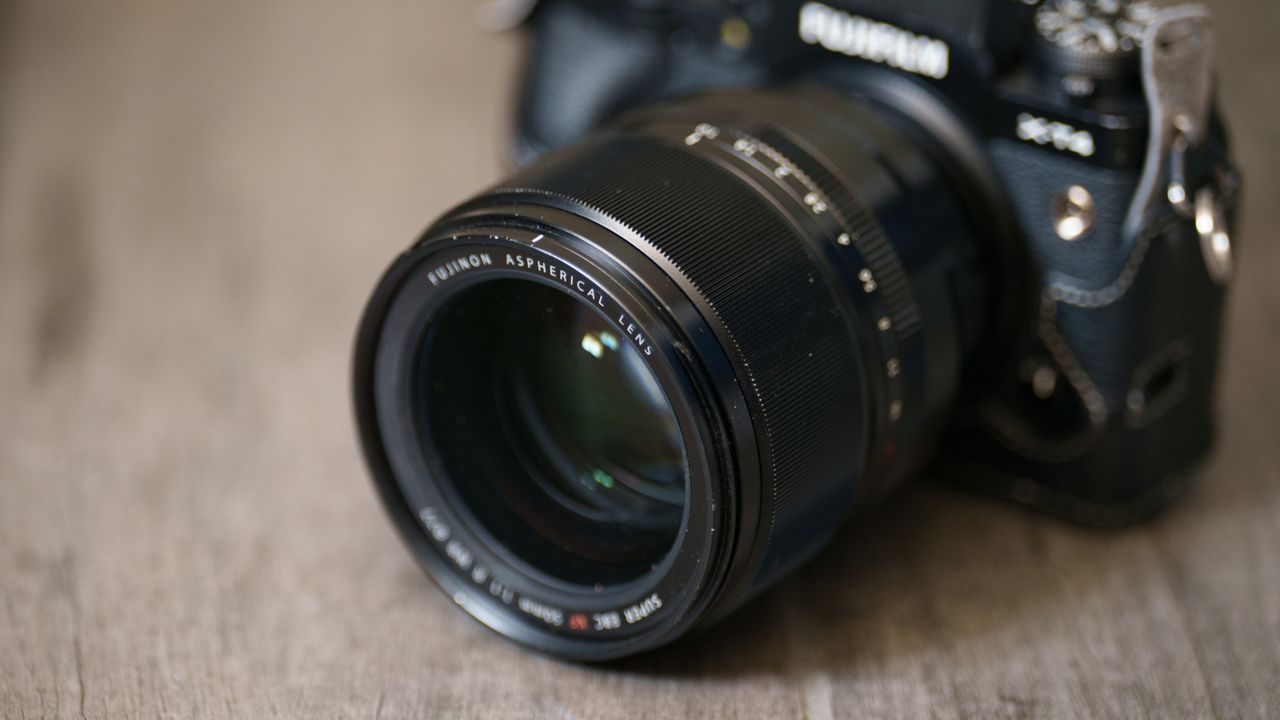
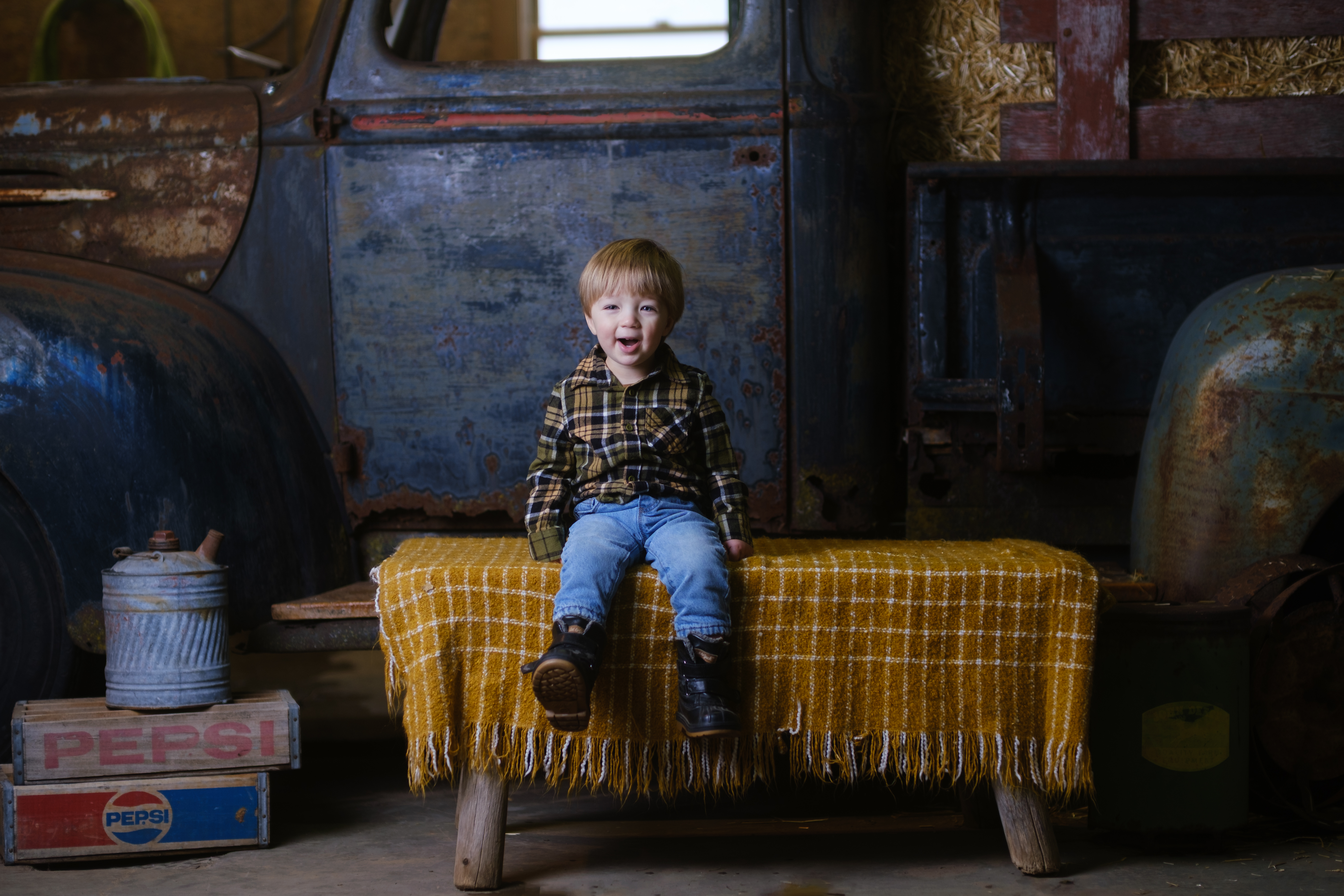
I was photographing a two-year-old’s birthday portraits when he did what most two-year-olds do during photo sessions: refuse to take photos. The thing that rescued the photo session from teary-eyed photos? I put my camera down.
I learned photography on a digital camera and, unlike my role model, who first learned on film, I didn’t have any qualms about limiting my photos for the sake of the film prices. I was perfectly happy taking as many photos as my memory card would allow – enough so that I earned the nickname “Pepper” for my love for burst mode.
But photography isn’t about recording absolutely everything that happens – or at least, good photography isn’t about that. Photography is a way of framing the world that communicates emotions and events without words. Photography is a selective framing of the world around me.
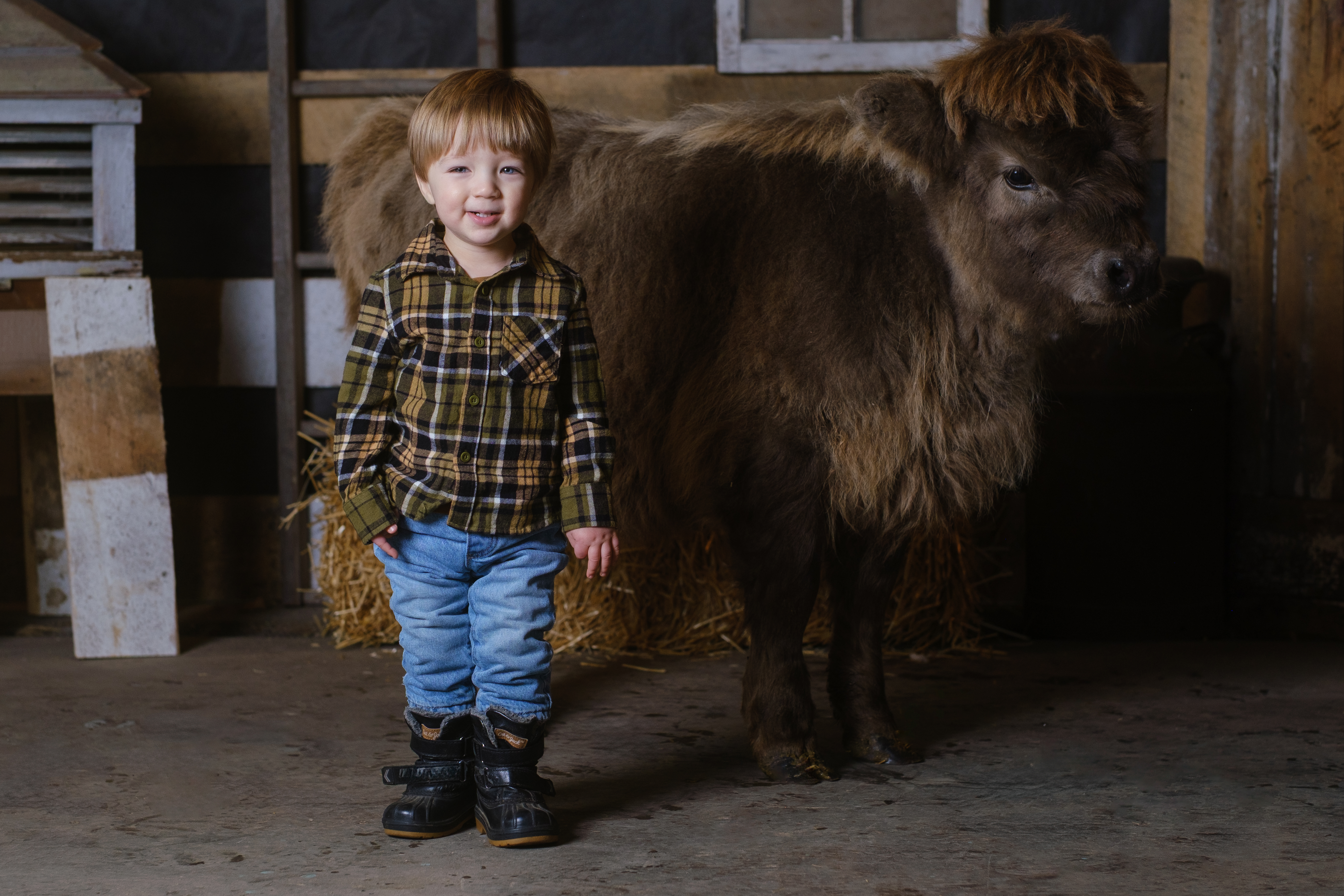
When I put the camera down, a few things happen. One, I take the time to get the shot right. In the case of the two-year-old, that meant the toddler got some snuggles until he felt more comfortable. And I got some photos with grins instead of tears, never mind that it took a bit longer to get there.
But, when I put the camera down, I become an observer, not a photographer – and those observations can inspire my next shots. When I’m only looking at the world through the limits of a viewfinder, I’m not seeing everything unfold – and I could be missing the perfect moment that’s unfolding outside my frame of view.
When I put the camera down and take a look around, I spot different locations, different people, and different scenes unfolding that can inspire my next shot. When I’m photographing a wedding ceremony, for example, I always make a point of looking around beyond where the bride and groom stand, which is where I find the shots of mom wiping away a tear or a flower girl taking a nap.
As a creative, I think it’s also equally important to spend time not behind a camera. Besides avoiding burnout, I feel like my mind wanders more without a camera in my hand. It’s when my mind wanders that I come up with my best ideas for a shoot, whether that’s a concept, a location, a prop, or a lighting setup to try.
If I’m struggling to come up with ideas, that’s usually a hint that I need to take a break, take a walk, do something without a screen and without a camera to revive my creative spark.
Putting the camera down allows me to interact with portrait subjects, catch additional moments unfolding, and brainstorm new ideas. I’m a much better photographer when I balance the moments with a camera up to my face with the moments of thinking and interacting with the world around me.
You may also like
Browse the best mirrorless cameras or the best professional cameras.