
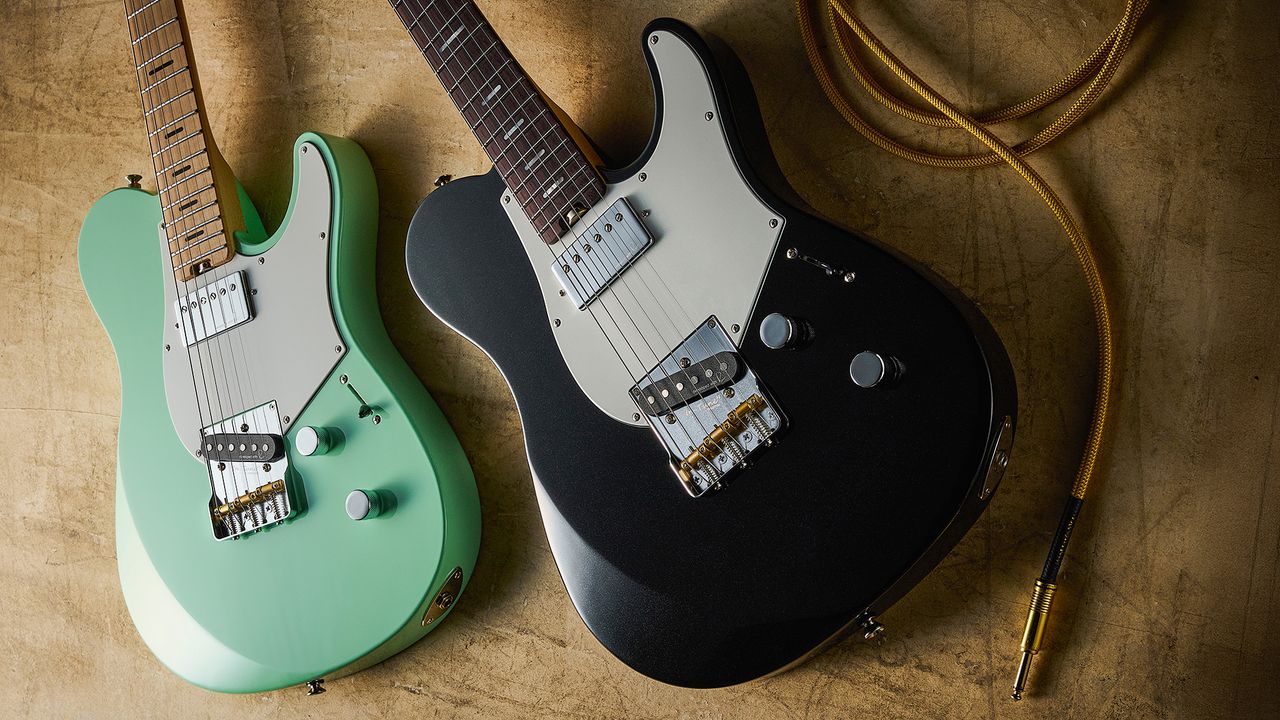
What is it?
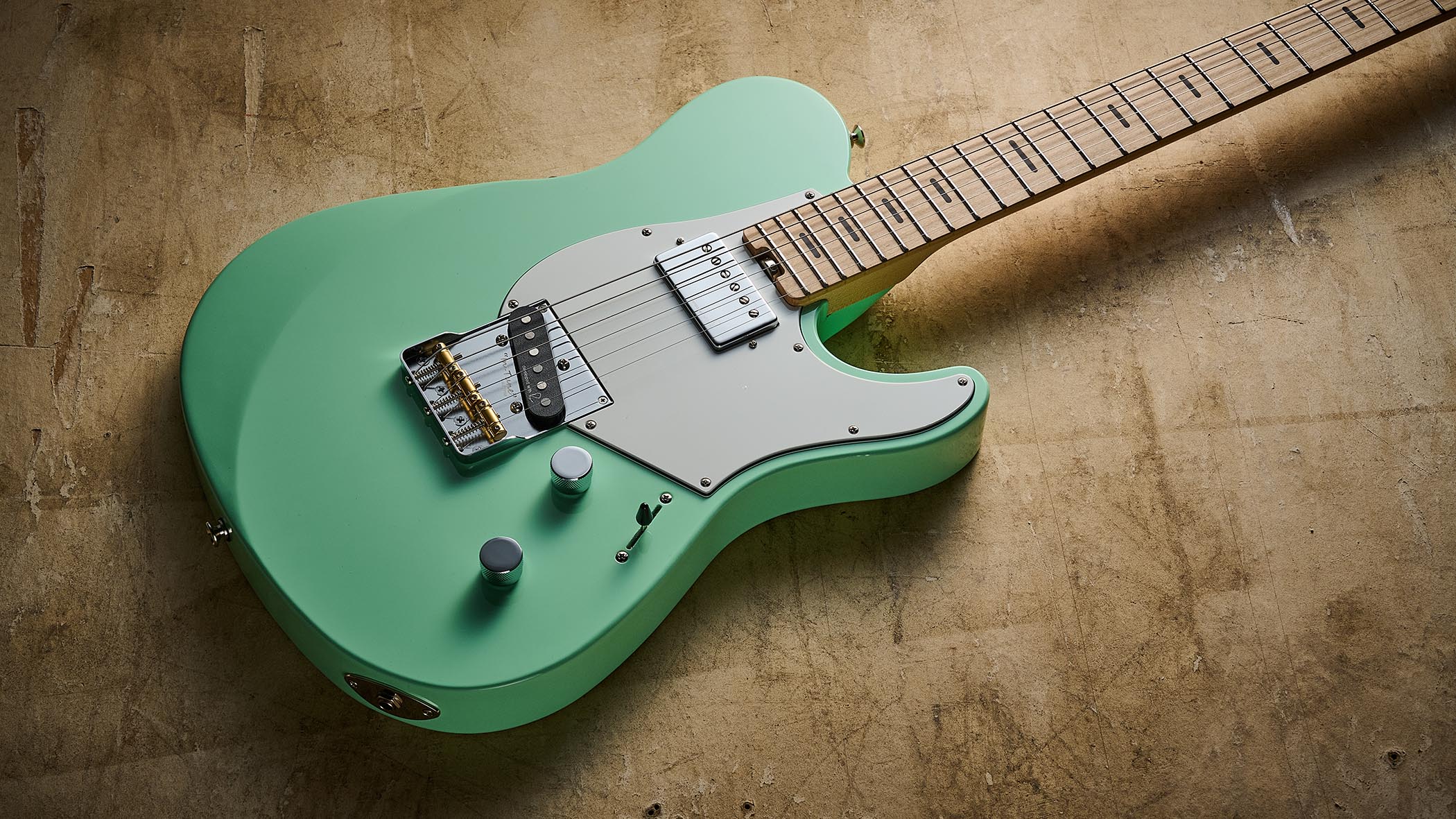
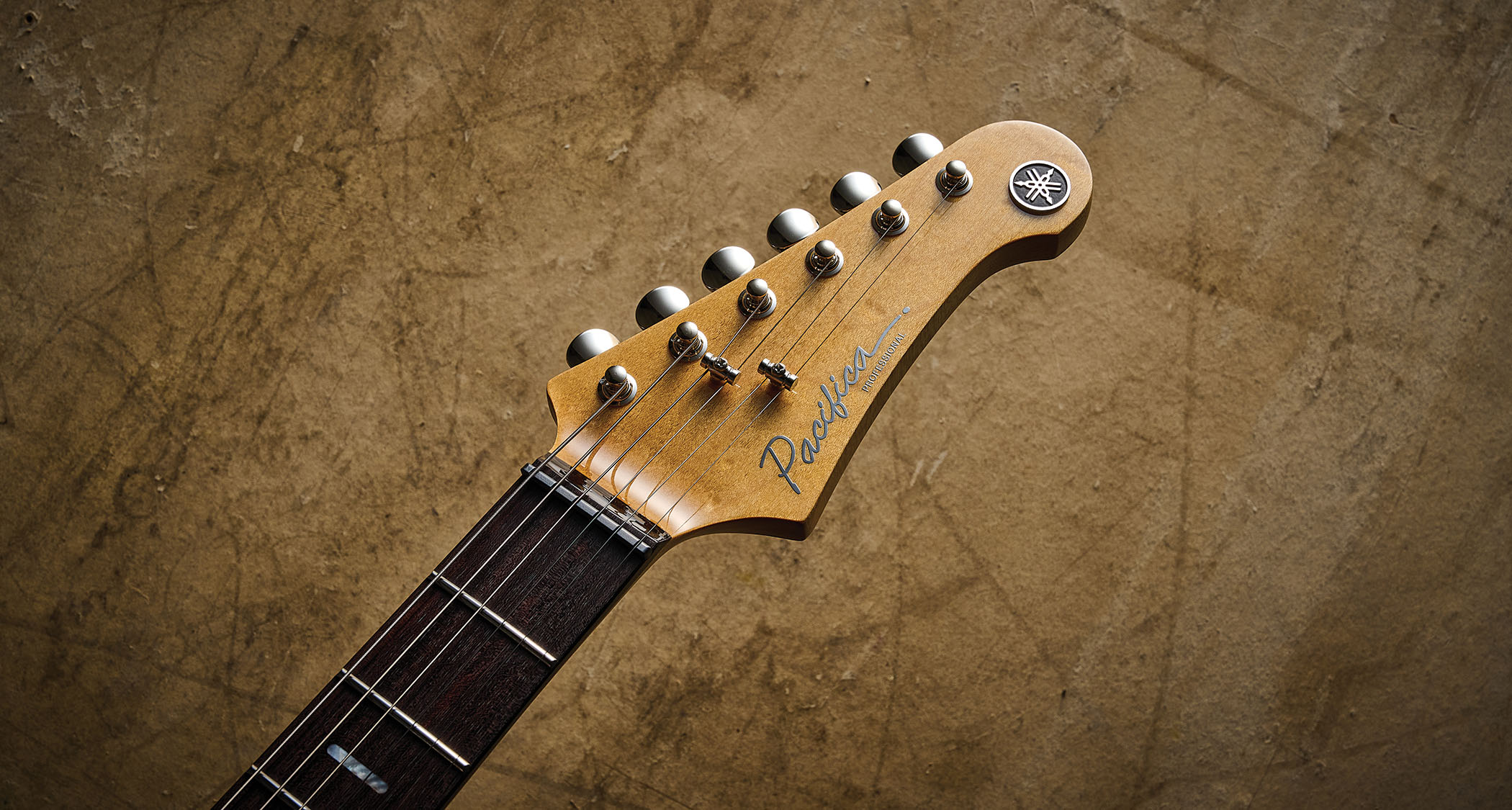
When asked by friends or family to recommend an electric guitar for a budding musician, for many of us a Yamaha Pacifica is the shout.
Even the cheapest models’ fine build, setup, and potential resale price make for a sensible choice, especially when it’s time to trade up. But despite making some truly fabulous high-end electrics too, Yamaha has never quite made it alongside the likes of Gibson and Fender.
But with more recent instruments such as the 2022-refreshed Revstar range championed by no less than fingerpicking shred virtuoso Matteo Mancuso, and our own modern blues maestro Chris Buck, the brand is in the ascendant for the serious muso.
So it seems like the perfect moment to revisit an old friend to these pages, the highly regarded Pacifica, this time in SC (single-cut) guise, and namely the Pacifica SC Professional, and SC Standard Plus.
We’ll confess now that these two models had us scratching our heads somewhat. Apart from a whopping $/£1,200 more for the Professional, there seemed to be nothing separating them in nuts and bolts terms. The only obvious differences are the Professional’s compound radius (241mm to 304mm) fingerboard compared to the Standard Plus’s single 304mm curve, and the Pro’s deliciously oiled and tinted neck.
Look closely though and you’ll perceive that, while the Professional is constructed in Yamaha’s revered facility in Hamamatsu, Japan, the Standard Plus is built by the company’s long-standing partner plant near Jakarta, Indonesia.
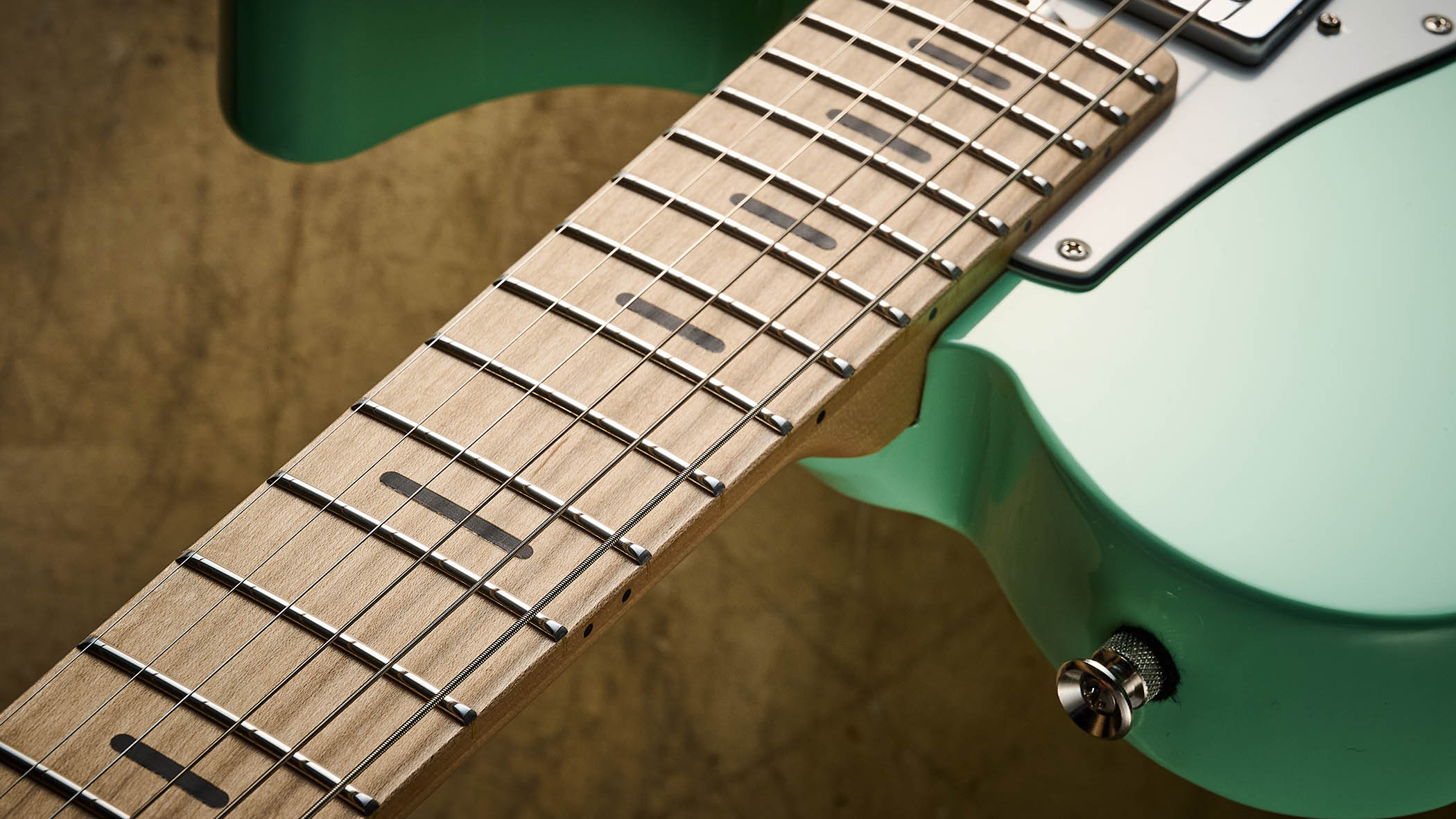
What this should mean in practice is better-quality timbers and more refined finishing processes for the Japanese instrument, although the latter is certainly not assured since the Indonesian factory’s output has rarely failed to impress.
Design-wise, clearly, the SC takes its cue from Fender’s veteran workhorse, but the single-coil bridge pickup with its mounting plate and three-brass-saddle assembly is the only direct lift, although even this has been tweaked. In every other respect it seems the designers went all out to refine it in as many ways as possible.
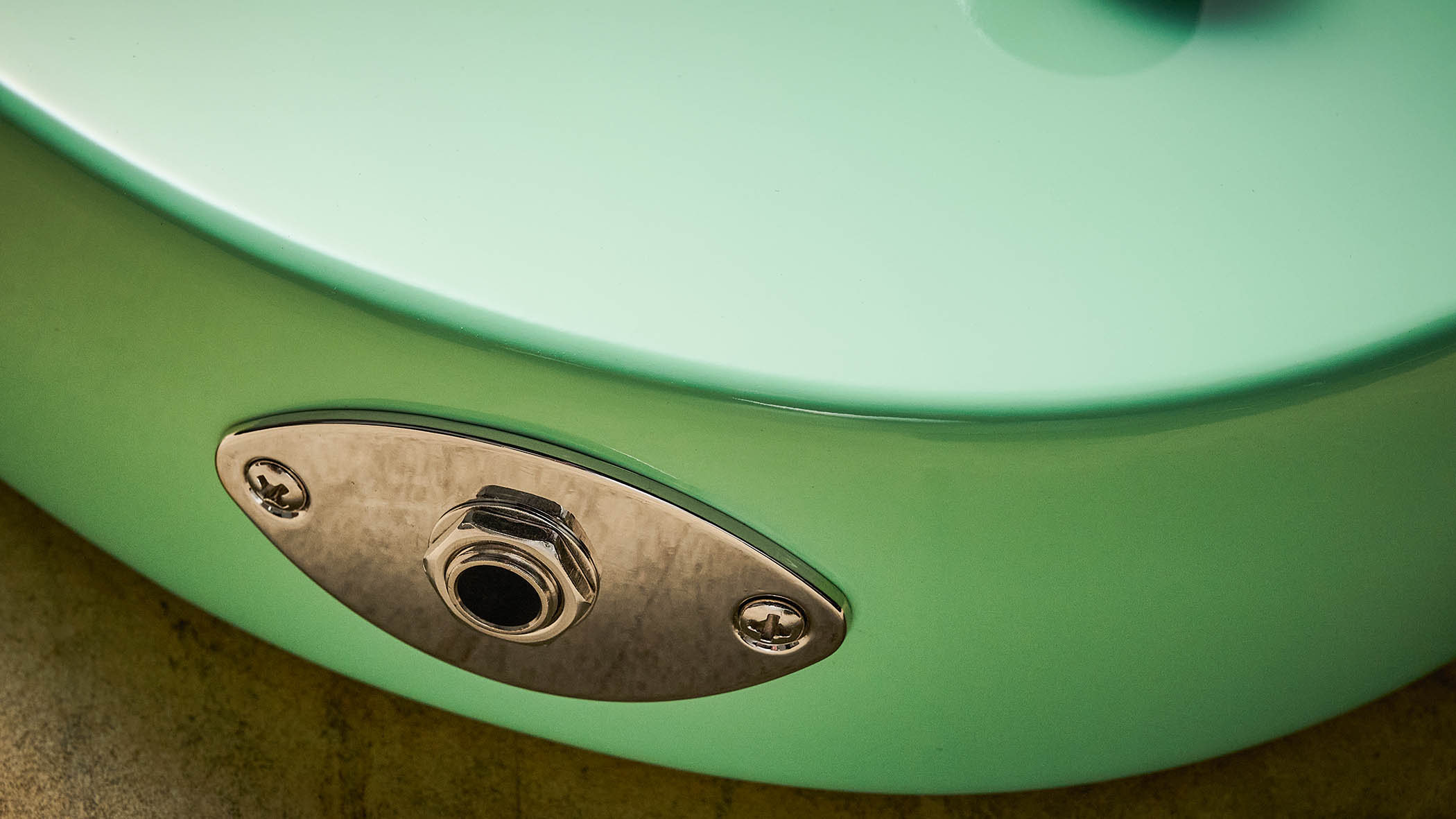
Yamaha does love its buzzwords and acronyms, and for the body we get ‘Acoustic Design Technology’. Described as “using 3D modelling, the two-piece alder body is precisely routed to maximise resonance and vibration through the neck, enhancing sustain”.
Various small routs, a honeycomb of holes on the lower horn and two X-shapes above and between the pickups, have been scientifically positioned in order to maximise response, sustain, and all the juicy elements we search for in a great electric.
Next is the ‘Initial Response Acceleration’ (with its acronym ‘I.R.A.’) treatment, which is applied to the Japanese-made model only. We can’t say exactly what this is, but it supposedly enhances picking response, resonance and sustain, with tests showing optimum volume being achieved more quickly after a string’s initial pluck.
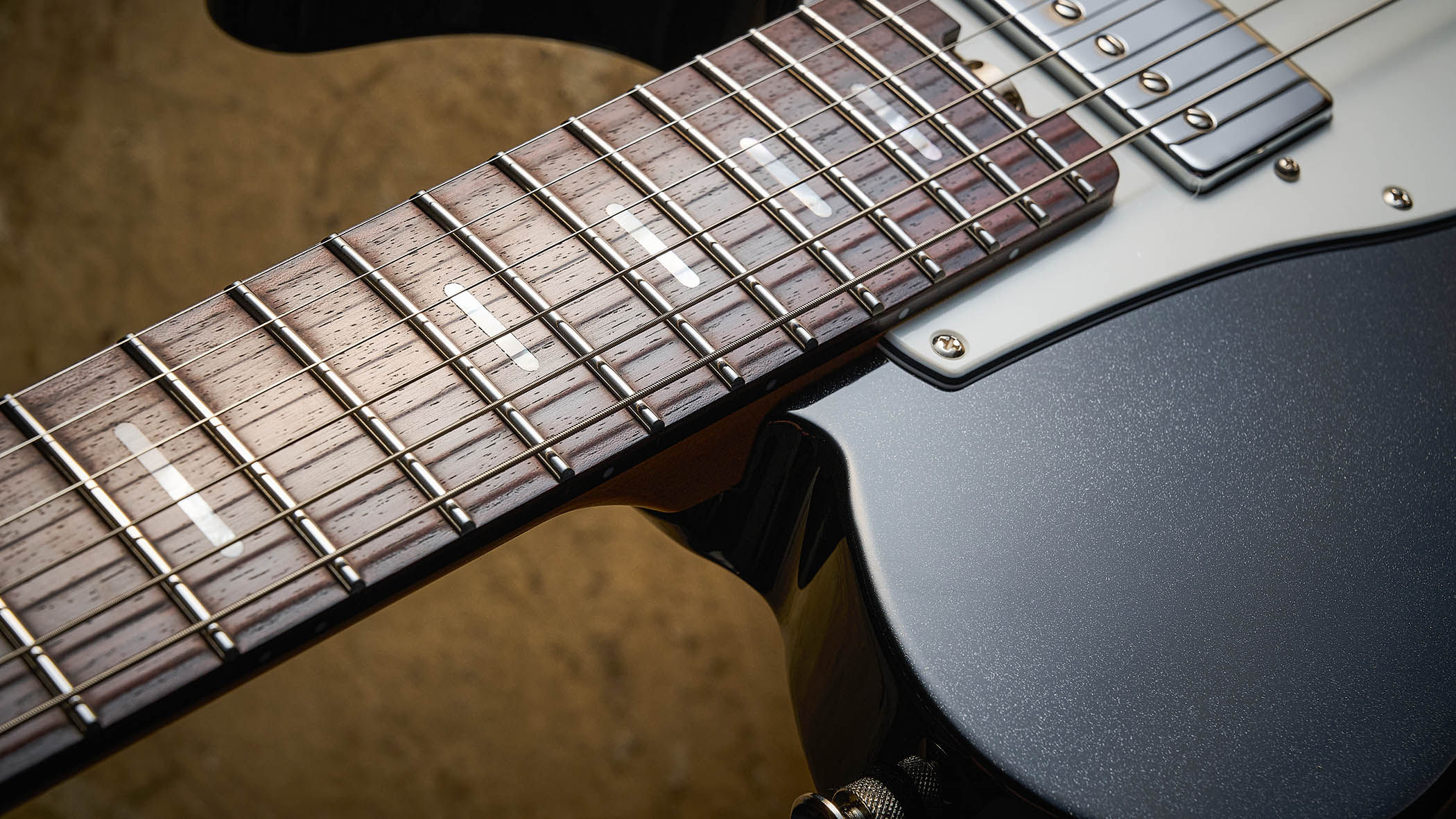
Staying at the body end we notice big forearm and belly cuts, as well as an elegantly sculpted heel for upper-fret access, with four recessed neck bolts holding everything chunkily in place.
The neck on our SC Professional is tastefully shaded with a beautiful oil-rubbed finish, while the Standard Plus features a thin satin coat on untinted maple.
Although various ‘City Pop’-inspired colours are available on both models across two different fingerboard timbers, our Peppermint Green Standard Pro’s maple ’board is plain, satin-finished maple, while the Metallic Black Professional has an impeccably buffed and finely finished rosewood slab.
Fret finishing is exemplary, and pretty much any other mainstream guitar maker could take a lesson or two from Yamaha here.
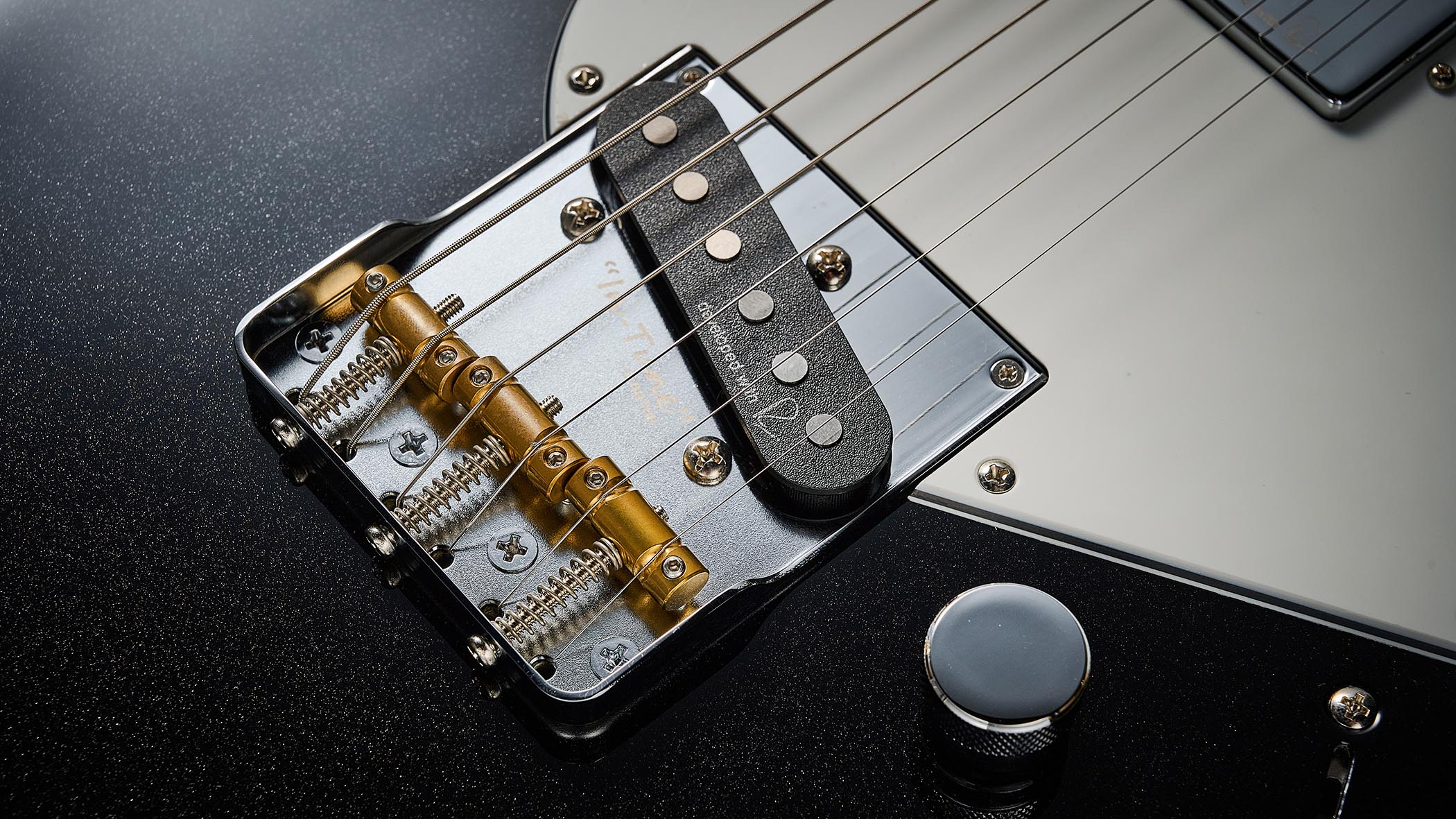
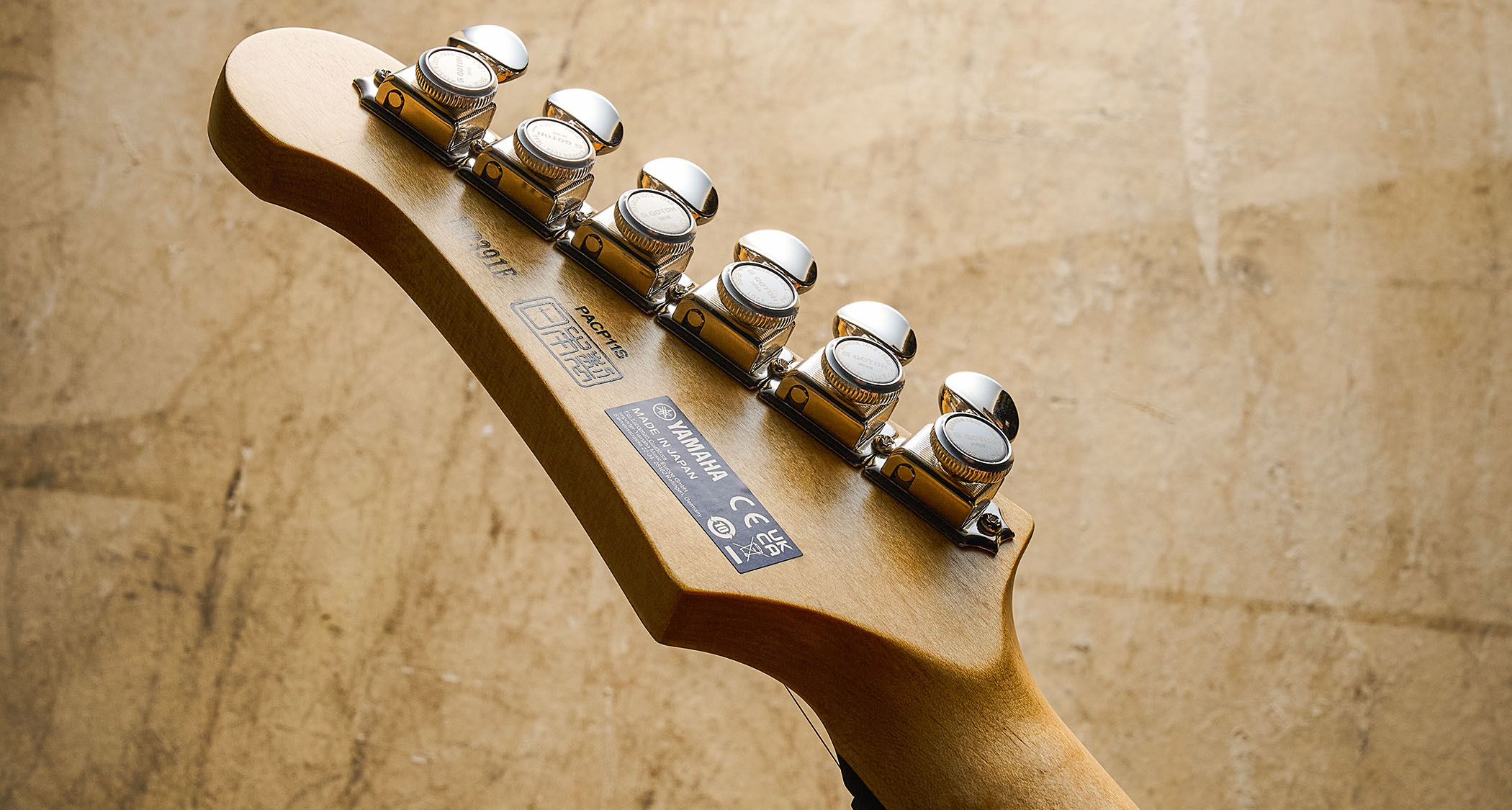
Hardware is all Gotoh, and identical on both models, featuring locking tuners, ‘In-Tune’ Tele-style bridge plate with cutaway sides (so it doesn’t dig into the heel of your hand), and intonation-compensated brass saddles.
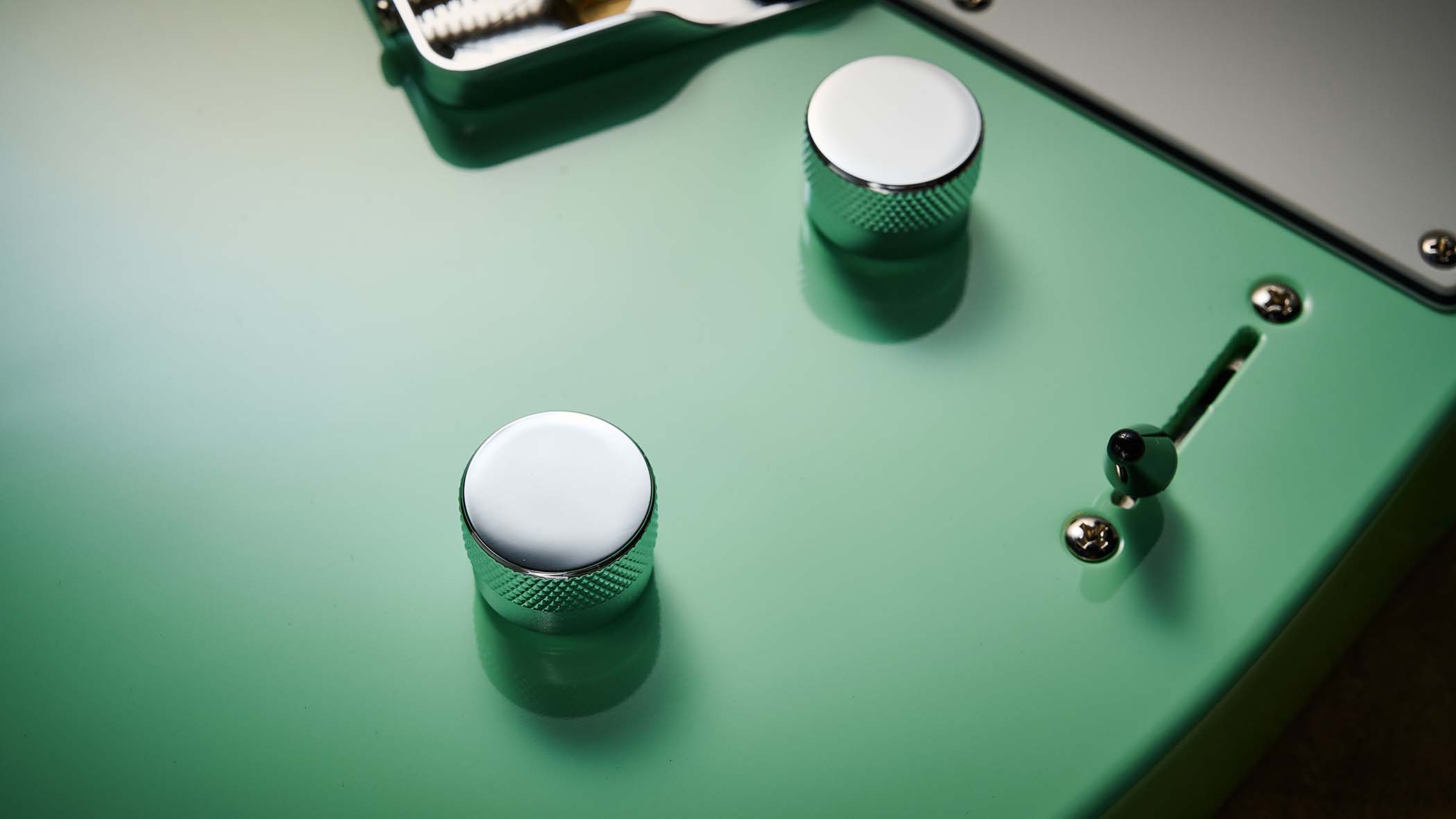
Last but not least, it’s Graph Tech nuts for both guitars, medium jumbo stainless-steel frets, classy ‘baton’ fingerboard inlays (pearl on rosewood and black on maple), body-end easy-access truss adjustment, rim-mounted jack socket, a modified Tele-meets-Revstar pickguard and control layout – two knobs and a three-way pickup selector switch – with no chrome plate.
As with the earlier 2024 Pacifica reboot, Yamaha once again got together with Rupert Neve Designs to create the Reflectone pickups – here a humbucker at the neck and the usual T-style single coil mounted within the bridge housing.
A master volume covers both pickups, while the tone pot is a push-pull affair for the bridge pickup only. Yamaha calls this the Focus switch –which originally featured on the refreshed Revstar models – and it adds a serious ‘push’ to the middle frequencies for a much darker, thicker sound.
A high-pass filter or treble bleed means that those lovely highs should not get lost when backing off the guitar’s volume pot.
Neither guitar can be faulted on build, although perhaps the Professional has the edge when it comes down to fret and fingerboard finesse.
Specs
Yamaha Pacifica SC Professional
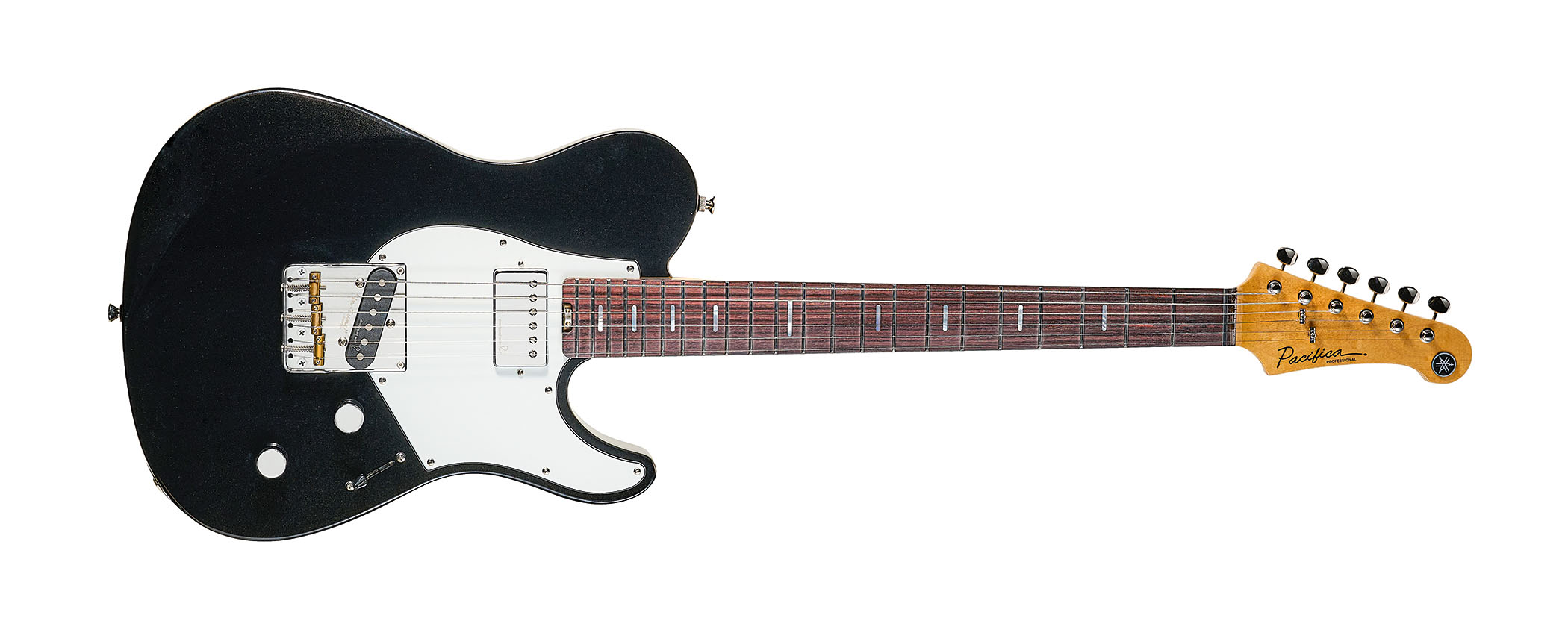
- PRICE: $2,199 | £2,150 | €2,199 (inc case)
- ORIGIN: Japan
- TYPE: Single-cutaway solidbody electric
- BODY: Chambered, two-piece alder
- NECK: One-piece maple, ‘Medium C’ profile, bolt-on
- SCALE LENGTH: 648mm (25.5”)
- NUT/WIDTH: Black Graph Tech/42mm
- FINGERBOARD: Rosewood, 241-304mm (9.5-12”) radius
- FRETS: 22, medium jumbo stainless-steel
- HARDWARE: Gotoh BC-TS1S bridge with compensated brass saddles, Gotoh locking tuners – chrome/nickel-plated
- STRING SPACING, BRIDGE: 54mm
- ELECTRICS: Yamaha Reflectone EH7n humbucker (neck) and Reflectone EH7b single coil (bridge), three-way pickup selector lever switch, master volume (w/ high-pass circuit), master tone w/ Focus switch
- WEIGHT (kg/lb): 3.25/7.05
- OPTIONS: Maple fingerboard
- RANGE OPTIONS: Not yet available
- LEFT-HANDERS: No
- FINISH: Black Metallic (as reviewed), Shell Pink, Peppermint Green (all with maple and rosewood ’boards); Breeze Metallic Blue, Sunny Orange, Shell White, Desert Burst (rosewood only) – gloss polyurethane body w/ custom-tinted satin polyurethane neck
Yamaha Pacifica SC Standard Plus
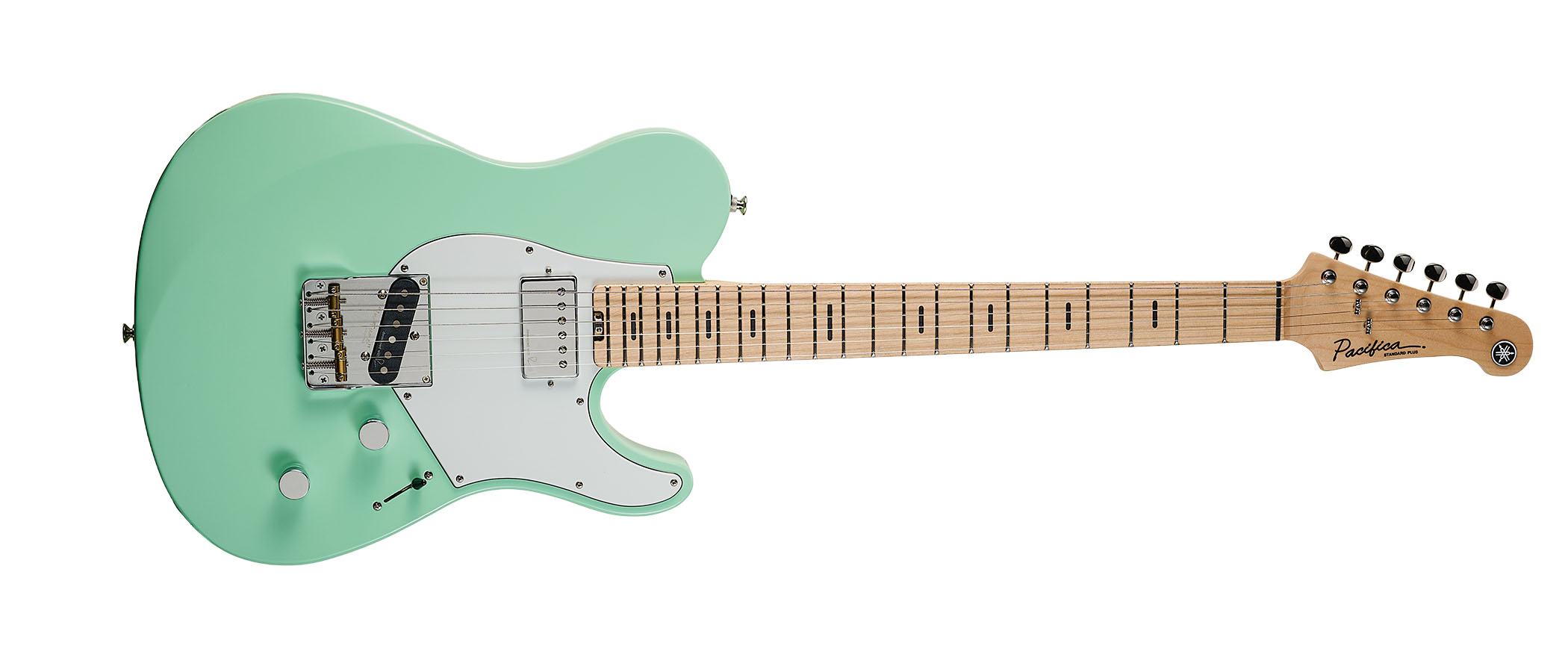
- PRICE: $2,199 | £992 | €2,199 (inc gig bag)
- ORIGIN: Indonesia
- TYPE: Single-cutaway solidbody electric
- BODY: Chambered, two-piece alder
- NECK: One-piece maple, ‘Medium C’ profile
- SCALE LENGTH: 648mm (25.5”)
- NUT/WIDTH: Black Graph Tech/42mm
- FINGERBOARD: Maple, 241mm (12”) radius
- FRETS: 22, medium jumbo stainless-steel
- HARDWARE: Gotoh BC-TS1S bridge with compensated brass saddles, Gotoh locking tuners – chrome/nickel-plated
- STRING SPACING, BRIDGE: 54mm
- ELECTRICS: Yamaha Reflectone EH7n humbucker (neck) and Reflectone EH7b single coil (bridge), three-way pickup selector lever switch, master volume (w/ high-pass circuit), master tone w/ Focus switch
- WEIGHT (kg/lb): 3.25/7.05
- OPTIONS: Rosewood fingerboard
- RANGE OPTIONS: Not yet available
- LEFT-HANDERS: No
- FINISH: Black Metallic, Shell Pink, Peppermint Green (as reviewed) all with maple and rosewood ’boards); Breeze Metallic Blue, Sunny Orange, Shell White, Desert Burst (rosewood only).
- CONTACT: Yamaha
Build quality, playability and sounds
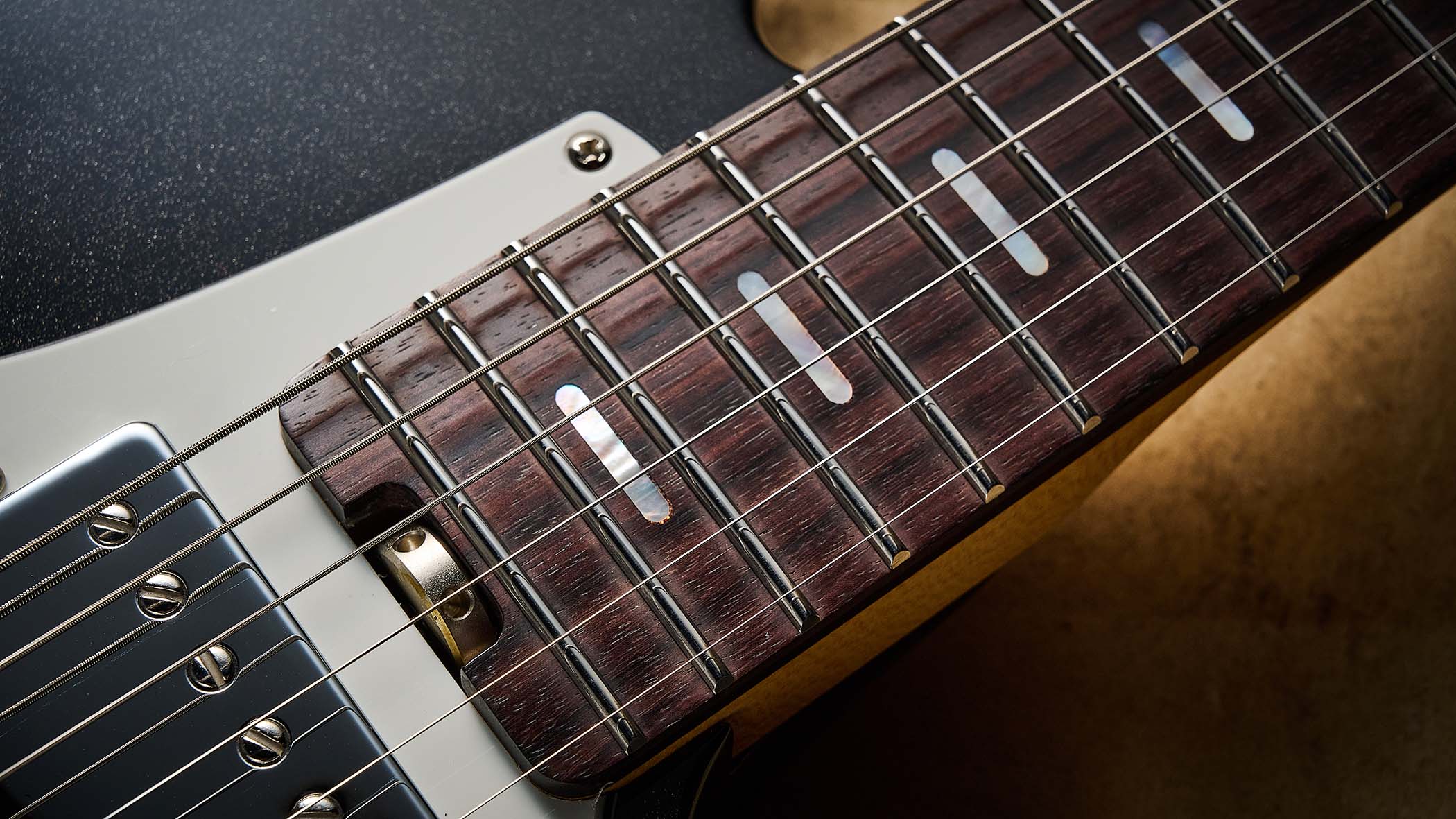
Both Pacifica models have a 21.5mm depth at the first fret and 23.9mm at the 12th, and both guitars feel right the moment you pick them up. The Standard Pro’s neck does feel ever so marginally slimmer, perhaps a little less on the shoulders, but otherwise any guitarist would feel at home here.
The Professional’s polished rosewood ’board and fabulously dressed and finished frets means it’s as smooth as silk under the fingers, and that compound radius with medium jumbo frets would leave even the lairiest shredder smiling. It really is a peach to play, especially if you like things on the slightly meatier side.
Although very little would better the SC Professional in the fret and fingerboard finishing department, the Standard Plus sits extremely close behind. Which one you prefer could even be down to a preference for maple over rosewood, but both models are available with either, should that be the case.
Plugging into our Fender Mustang LTX50 digital amp with some really good clean and dirty tones dialled in, the guitars are a revelation. Remember that, other than the Pro’s Initial Response Acceleration (I.R.A.) treatment, which, at a basic level, is hard to detect, the guitars should prove identical, sound-wise.
The Rupert Neve Design pickups are beautifully tailored to the SC. The neck humbucker has both warmth and clarity, and sounds particularly great with a pushed clean tone, where backing off the volume retains the clarity but with a sweeter, yet still very lyrical voice.
Beef it up with some overdrive and the fundamental tone remains, albeit in a much more raunchy setting. But back off the volume a tad and we get a gorgeous blues-jazz tone.
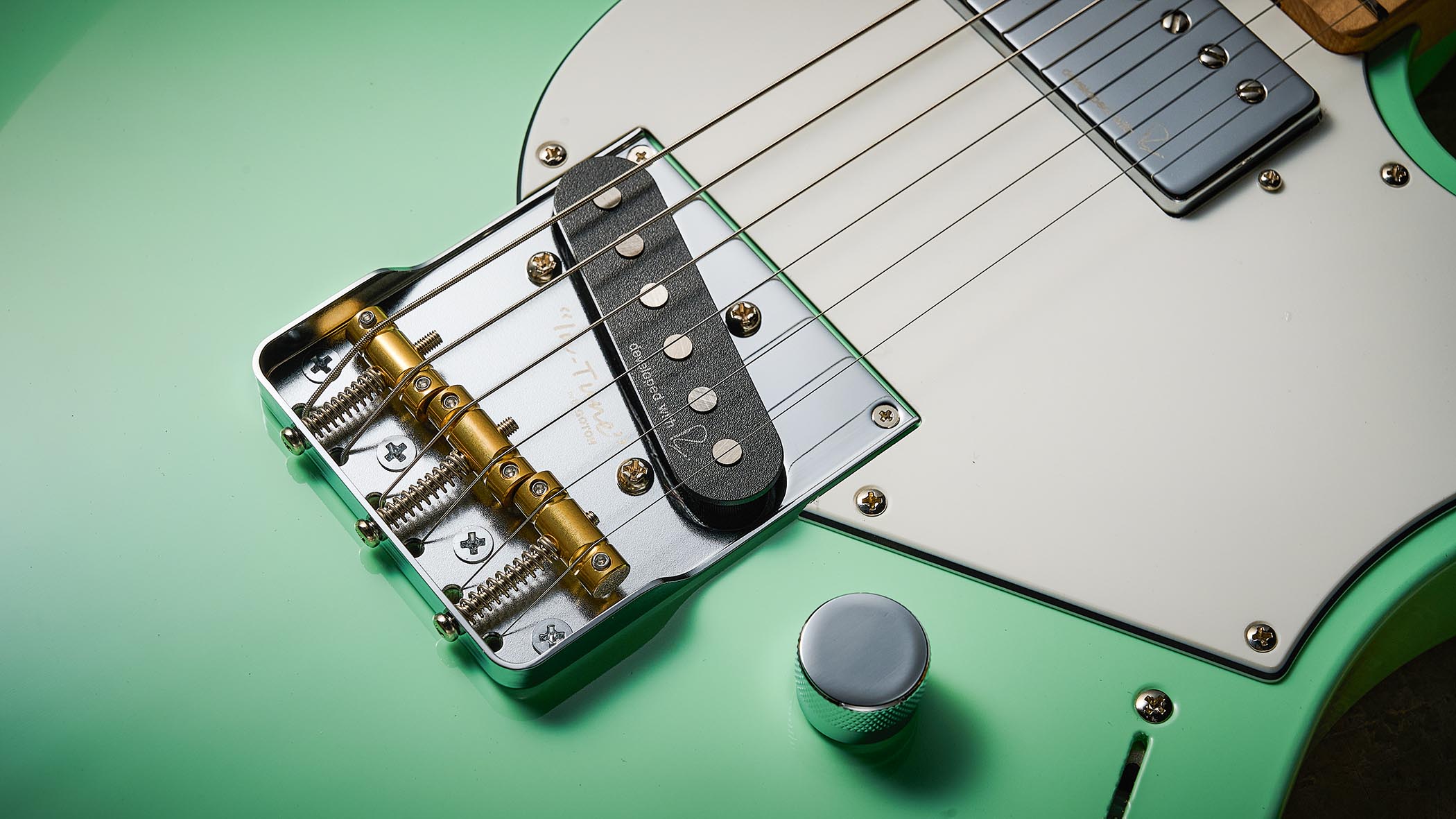
Flip to the bridge and the real fun begins. Terms such as ‘Focus switch’ can be somewhat yawn-inducing, but boy this one’s an exception.
With the tone knob resting in its pushed-in position and the Focus switch bypassed, the overall impression is of a slightly more raunchy Tele (no bad thing!).
But with the Focus switch engaged in the ‘up’ position we get a fat, clean but ballsy tone that feels like there’s no need for pedals. It just wants to be played.
Of course, we all love a bit of drive and the pickup responds exceptionally well to it, the Focus switch’s middle push taking it almost into humbucker territory.
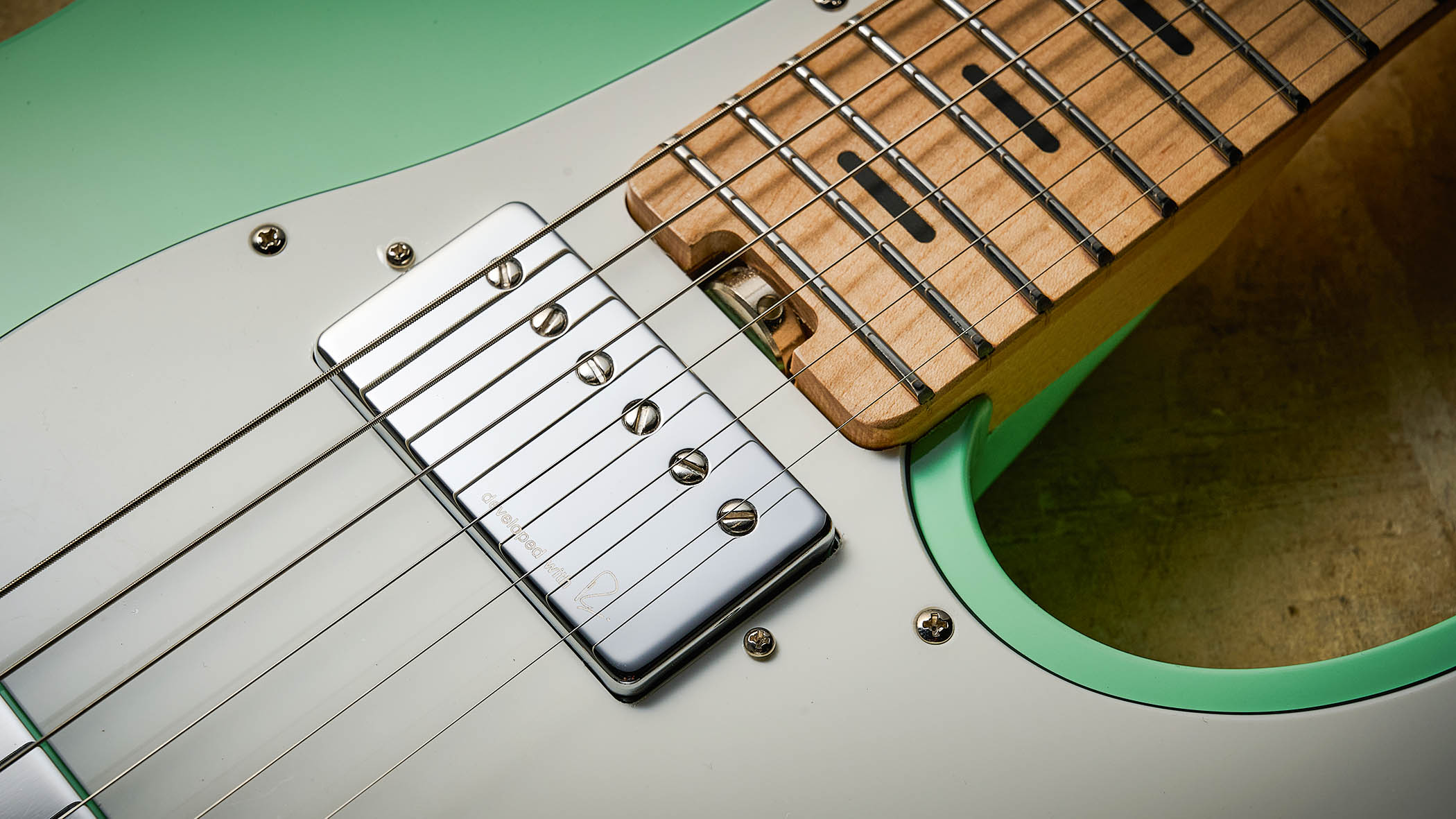
And don’t forget the oft-forgotten middle ‘both pickups on’ setting, where we enter a Stonesy fat, clean, bright, powerful, funky world (think Start Me Up), especially with the Focus switch in play.
There’s a world of fabulous tone here, whether or not you get the ‘Initial Response Acceleration’ thing. And with your reviewer’s own Fender Custom Shop 1960 reissue Tele only feet away, the Yamaha remained the go-to picking pal during its stay.
Verdict
Verdict: ★★★★★
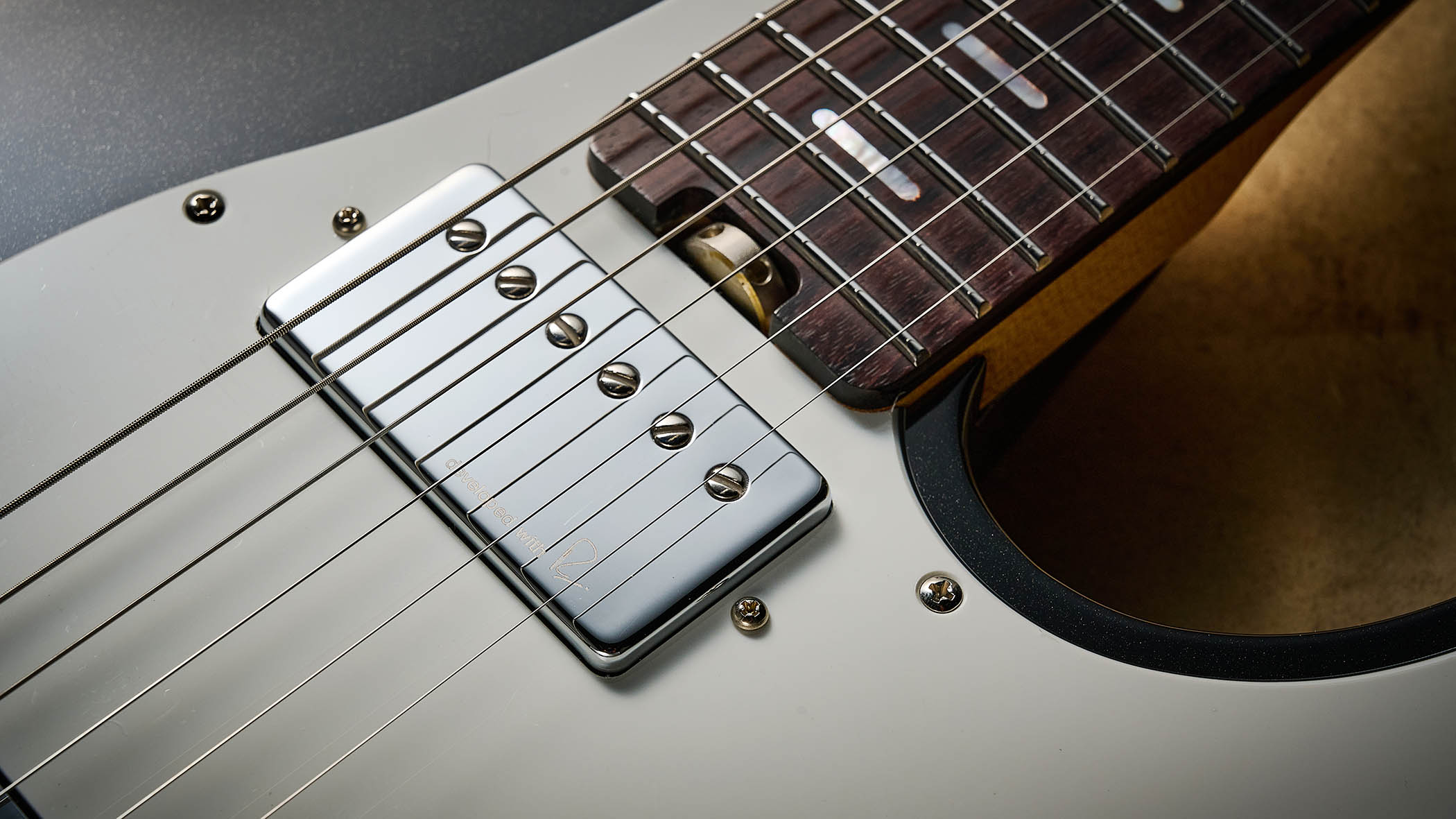
Yamaha has really nailed it with these two SC guitars. Their build, playability and tones deliver on every level.
They look fantastic, and their setup – even on the Indonesian-built instrument – is without fault, and those tones…
You really have to play one yourself, through a good amp or decent set of pedals, to really appreciate what a Pacifica SC can do for you.
Guitar World verdict: The dilemma, of course, is do you pay two grand or so for a Japanese-made model, or possibly opt for the considerably more affordable Indonesian guitar? That’s up to you, but for us it’s a clean sweep across the board for two sensational electric guitars. Keep it up, Yamaha. You could go far!