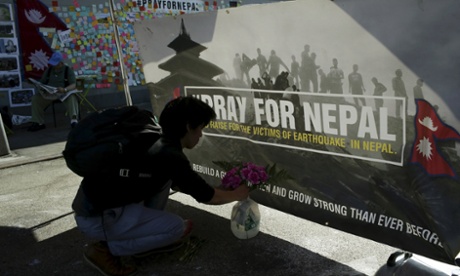
One in four Britons donated to the Disaster Emergency Committee’s (DEC) Nepal earthquake appeal in its first two weeks since its launch, according to research from the Charities Aid Foundation.
The opinion poll, which surveyed more than 2,000 people, was carried out just before the second earthquake happened earlier this week. It found that the key drivers that made people donate were the large number of people impacted by the earthquake (55% of respondents cited this) and the belief that international aid is essential for helping the disaster (54%).
The DEC’s appeal has raised more than £50m in its first fortnight, which is higher than the £34m raised in the first three months of its Ebola appeal.
Brendan Paddy, DEC’s head of communications, said: “Our donation levels have always varied significantly depending on the type of disaster concerned.
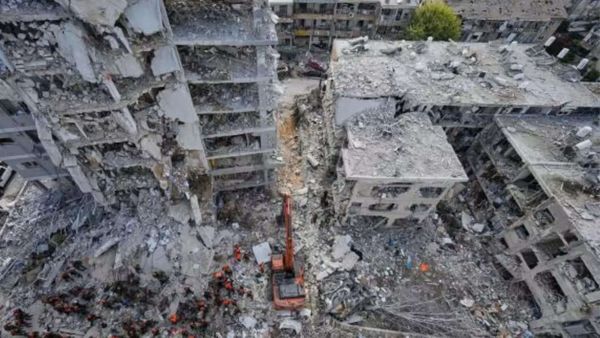
“Appeals triggered by earthquakes and the associated tsunami generally raise the highest totals. These are sudden and devastating events, producing a very high level of news coverage with shocking imagery. Quakes are seen as natural disasters and donors seem more likely to empathise in these cases than when we appeal in response to conflicts.”
Of those who had already donated to the appeal, 42% of respondents said that television was the most influential media channel in encouraging them to donate. The research also found that those aged between 25 and 34 were most likely to donate, with 32% in that age group doing so.
Cash has been the most common method of giving (32% of respondents donated in this way), followed by online channels (30%) and text messaging (22%).
Previous research has shown that people are more willing to donate when an emergency is seen as “beyond human control” – such as an earthquake or tsunami – rather than a humanitarian crisis caused by war and conflict.
“There are a few reasons why people might donate more to things that are beyond human control,” says Michael Sanders, principal advisor and head of research at the Behavioural Insights Team. “The most obvious of these is probably salience – an earthquake or a flood has a sudden effect that is usually visual in a way that other charitable causes might not be, and this is quite often focused, like in Nepal, while other things like poverty can seem more abstract and difficult to grapple with psychologically.
“There is also some evidence suggesting that people’s desire to control a situation is proportionate to their own sense of helplessness,” he says. “The fact that we don’t have any control over the situation can make us want to take control and have an influence for donation all the more.”
For more news, opinions and ideas about the voluntary sector, join our community – it’s free!