
Until the recent revival in the fortunes of the humble, fixed-lens compact camera, or point-and-shoot camera, it’s fair to assume that, for most of us, this type of pocket camera had disappeared completely.
By the 2010s, we were all using smartphone cameras, and so most low-resolution, standalone snapshots with their 3x or 4x optical zooms were banished to a drawer or listed on eBay. The manufacturers themselves also contributed to the demise of compact cameras. As demand decreased, they simply stopped manufacturing them.
Or did they?
Well, not entirely. While the vast majority vanished from retail, the compact cameras that survived offered something smartphones did not.
I’m talking toughened, waterproof compacts that could be covered in mud, dirt and sand and simply rinsed clean without damage. Or accidentally elbowed off a table onto a stone floor and avoid shattering into several pieces, thereby allowing image capture to continue.
To test durability, and because I was feeling cavalier, I once packed an early Kodak ‘tough’ series camera in airplane hold luggage. It arrived at my destination with lens glass shattered; but that was very much the exception rather than the rule.
Through the period post-2015 when digital compacts were mostly nowhere to be seen, OM System, formerly Olympus, and Ricoh/Pentax continued to market shockproof, freezeproof and water-proof cameras, as opposed to action cameras. All around them, bog standard compacts sunk without trace.
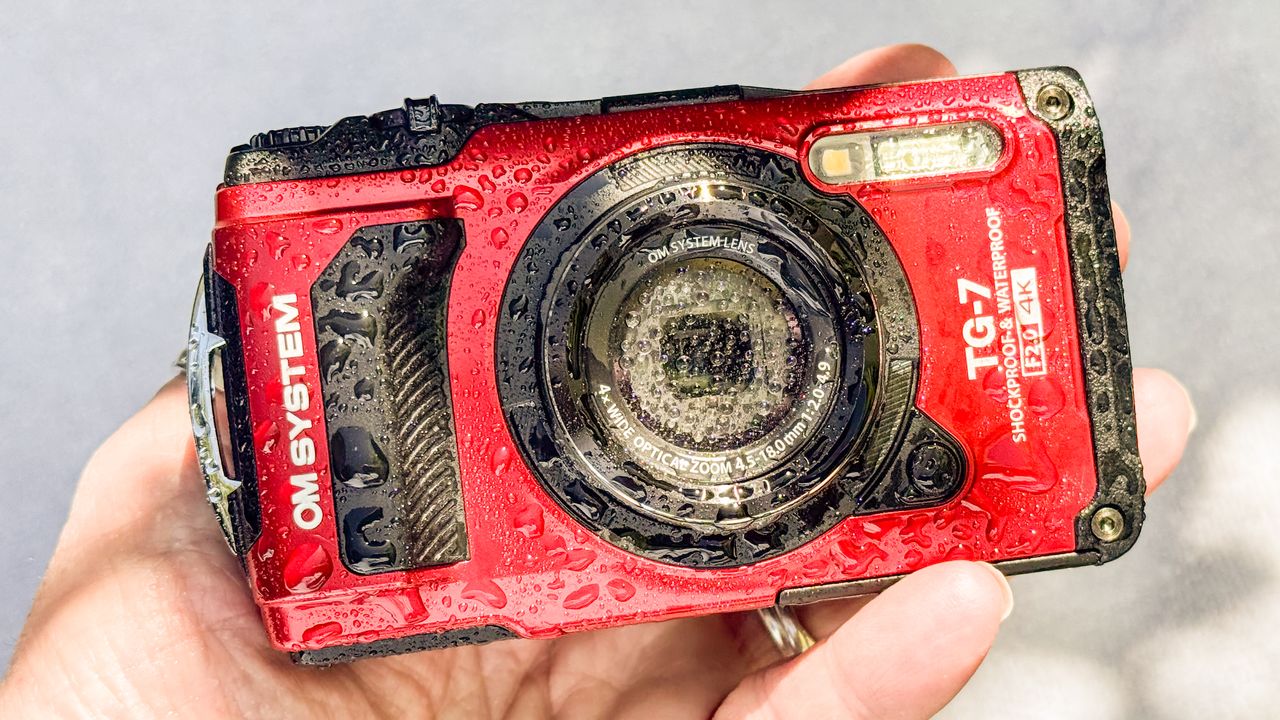
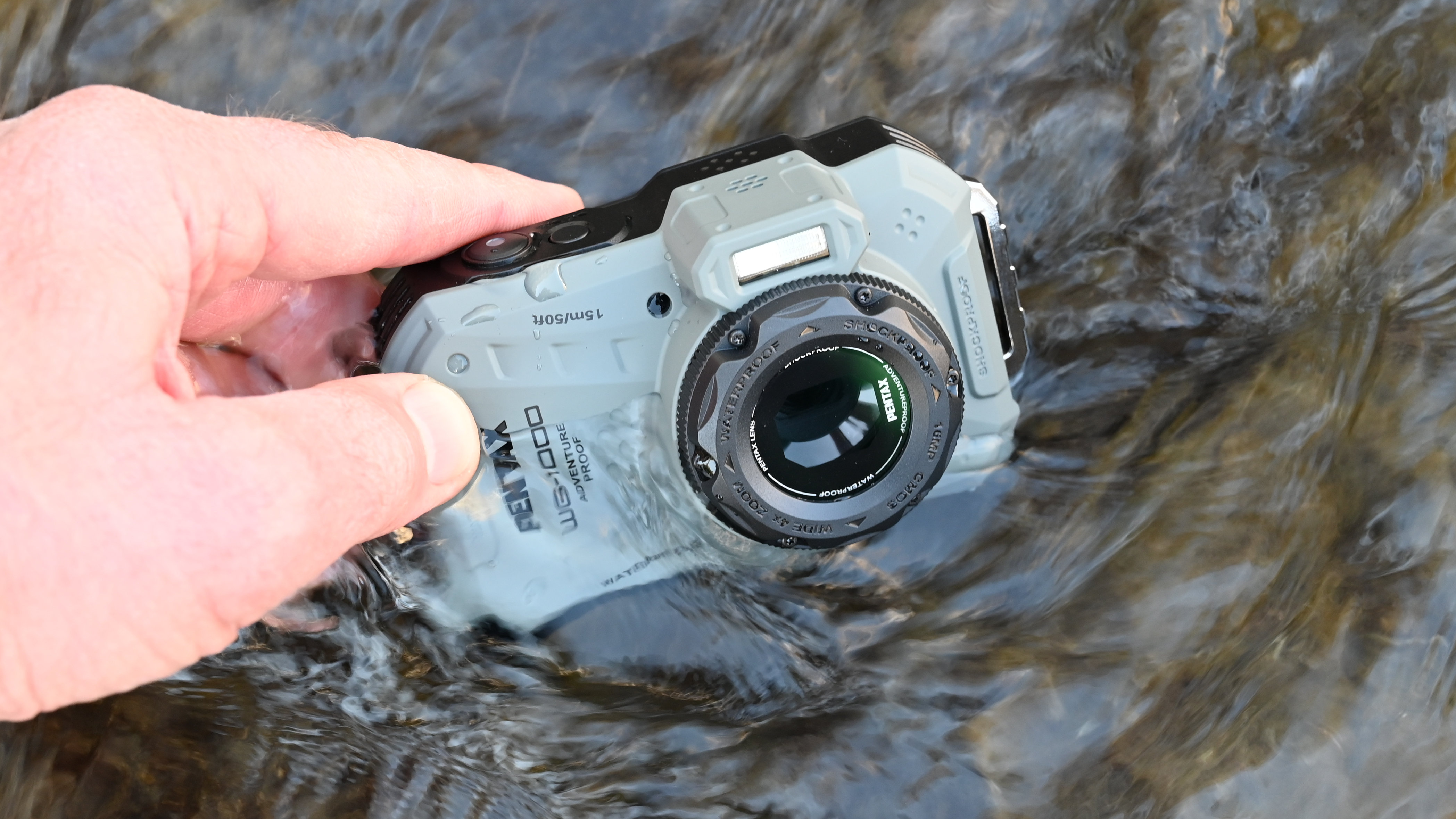
Successful models offering the ability to shoot pictures and videos in conditions that would have been wholly unsuitable for most smartphones included OM System’s TG-7, and the rugged WG series from Ricoh/Pentax. Recent notable examples have included the flagship Pentax WG-8 and the entry-level WG-1000. Other models still selling at the time of writing include the Pentax WG-90 and near outwardly identical Ricoh WG-80.
Such cameras have consistently catered to a dedicated, niche subset of the compact camera market for sure, but they kept it going when others found the going too tough. There were toughened compacts released by the likes of Nikon (the Coolpix AW series) and Fujifilm (FinePix XP), for example, but these also got abandoned.
Obviously, the rugged cameras that stayed the course did so not just because they were alternatives to trashing our phones, but because of the different user experience. If, like me, you’ve been snorkelling or diving with a toughened compact and experimented with the various underwater-enhanced modes, you’ll know exactly what I mean. OK, so I’m not going to get mirrorless or pro DSLR-like quality, but for providing a visual memento, they’re perfectly fine.
And now, a mix of smartphone fatigue and social media has renewed and widened interest in cheap digital point and shoots at one end of the scale, and ‘slow photography’ options like the Pentax 17 film compact at the other.
But, sitting in the middle, there was always consistently an alternative in the toughened, waterproof digital compact.