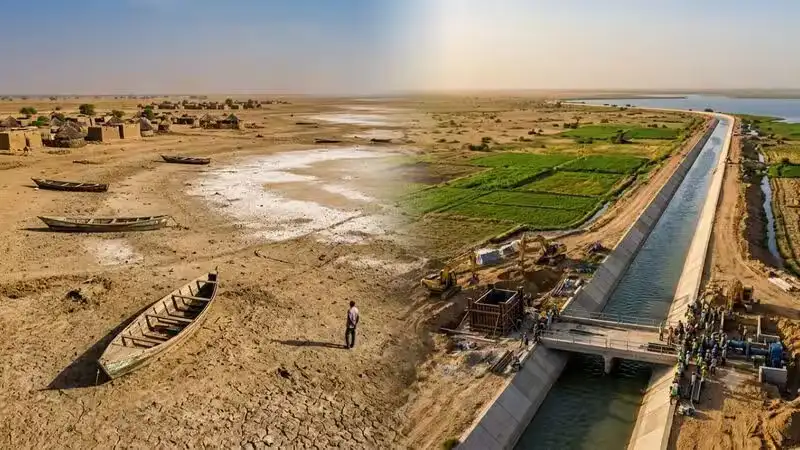
Lake Chad, once among Africa’s largest inland water bodies, has lost nearly 90% of its surface area since the 1960s. The drastic decline has severely impacted millions of people who depend on the lake for fishing, farming and livestock.
Why Is Lake Chad Drying Up?
The shrinking of the lake is linked to multiple factors, including:
- Changing climate patterns
- Increasing water demand
- Expansion of irrigation projects
- Rapid population growth
Over time, rivers feeding the lake have become less reliable, while dependence on its water has continued to grow.
Impact on Local Communities
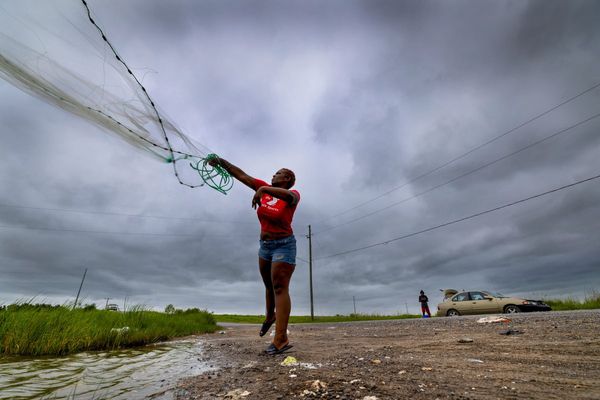
The environmental decline has disrupted livelihoods across the region. Areas once known for fertile farmland and active fishing have become difficult for survival. Many communities now struggle with reduced agricultural output and declining fish stocks.
What Is the Transaqua Project?
A decades-old proposal called Transaqua aims to restore the lake. First introduced in 1982 by Italian engineers, the plan suggests building a 2,400-kilometre canal to transfer water from the Congo River basin to Lake Chad.
The project also proposes:
- A network of dams
- Hydropower generation
- Infrastructure development along the canal
- Cost and Feasibility Challenges
The Transaqua project is estimated to cost tens of billions of dollars, making it one of the most ambitious water-transfer plans ever proposed. Due to its scale, cost and political complexities, it remained largely inactive for decades.
Renewed Interest in the Plan
With Lake Chad continuing to shrink, governments and engineers have revisited the proposal as a possible long-term solution. Studies have been initiated to assess whether the project can be realistically implemented.
Environmental Concerns
Experts warn that diverting water from the Congo basin could disrupt one of the world’s most important ecosystems. Large-scale changes like this may have unpredictable environmental consequences.
Uncertain Future
While Transaqua offers a potential solution, its future depends on funding, international cooperation and environmental evaluation. For now, the lake’s decline continues to affect millions living in the region.
[With TOI inputs]