Amid all the financial considerations involved in retirement, one can easily fall through the cracks.
Grocery sales tax can add as much as 6 percent to purchases in the seven states that charge it, but that means retirees can avoid paying sales tax on groceries in 43 states, according to data from nonprofit research group Tax Foundation.
“When people talk about moving to a place, sales tax is something that always comes up,” said George Dimov, owner of California-based accounting firm Dimov Tax, told The Independent in an email. “This is because it is the tax that people can actually see - it is printed on every receipt.”
Idaho and South Dakota charge their normal sales tax rate for groceries: 6 percent and 4.2 percent, respectively, according to nonprofit tax policy group Tax Foundation.
Five states tax groceries at a lower rate than the state sales tax rate.
Those states include the following, with the state sales tax in parentheses, according to Tax Foundation:
- Mississippi: 5% (7%)
- Tennessee: 4% (7%)
- Utah: 3% (6.1%)
- Alabama: 2% (4%)
- Missouri: 1.225% (4.225%).
Here’s how much the average retiree would pay annually for grocery sales tax in states with the levy, based on the Federal Reserve’s estimated average annual retiree grocery bill of $5,251:
- Idaho: $315
- Mississippi: $263
- South Dakota: $221
- Tennessee: $210
- Utah: $158
- Alabama: $105
- Missouri: $64.
Going beyond groceries
Grocery-specific levies are one factor in a nationwide sales tax landscape that older people should consider when deciding where to retire. Some 45 states charge sales tax at the state level, and another three levy it at the local level, according to Tax Foundation.
Delaware and Oregon charge no sales tax at the state or local level, saving the average retiree as much as $4,620 a year, according to data from financial services firm Western & Southern Financial Group.
Alaska, Montana and New Hampshire don’t have statewide sales tax, but local sales tax rates range from an average of 1.82 percent to 8.5 percent, depending on the state.
Nationwide, state-level sales tax rates range from a low of 2.9 percent in Colorado to a high of 7.25 percent in California, according to Tax Foundation.
Seeing the (tax) forest for the trees
Though sales tax can create a sizable bill every year for retirees in certain states, it’s not necessarily the make-or-break factor for where to retire, said Jason Gerstenberger, founder of Jason Gerstenberger Insurance and an expert in retirement income.
Future retirees typically look at income tax before sales tax, he wrote in an email to The Independent.
“Their main concern is almost always income tax during retirement,” Gerstenberger said. “It isn’t as if sales tax is a concern; it just is viewed as a cost that is much more within their control than, say, income taxes or sky-high property taxes.”
While states with no sales tax can seem attractive, factors like retirement withdrawal taxes should be considered.
“Some states [that] offer no sales tax make the money back through other taxes, such as Oregon, [which] can charge as much as 9.9 percent on 401(k) withdrawals during retirement,” he said.
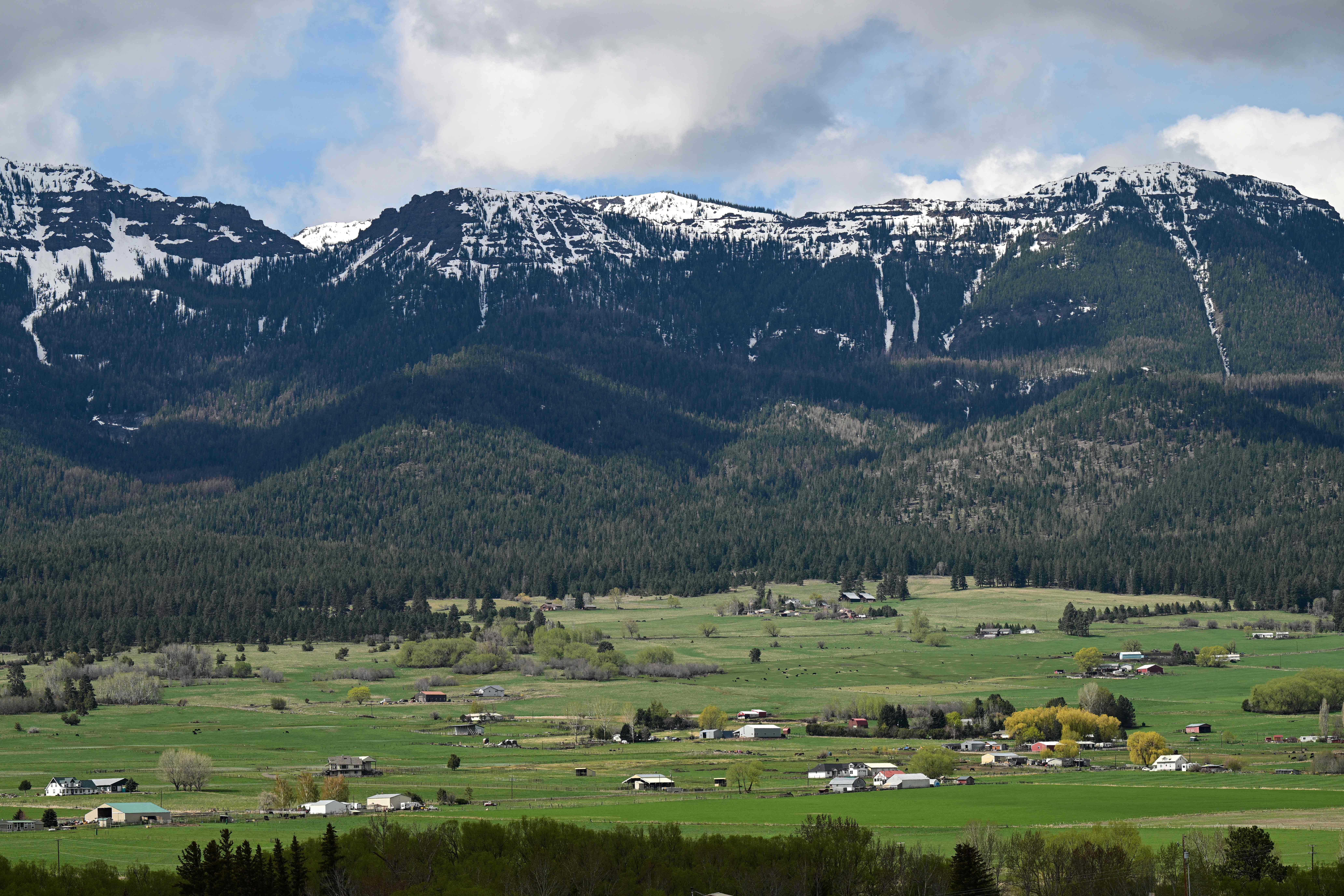
And even though five states charge no statewide sales tax, other costs tend to be higher.
“The five states that have no sales tax currently are also on the more expensive side for overall cost of living, which would significantly erode much, if not all, of the tax savings,” Gerstenberger said.
This article is sponsored by Credit Karma. We may earn a commission if you engage with their services using links in this article.