Here comes the sun. That was the headline the Guardian put on its story following George Osborne’s budget in March. With an election looming, the chancellor was breezy and upbeat.
On his return to the dispatch box less than three months later, he sounded a more sombre note. The Beatles song appropriate to the occasion was A Hard Day’s Night as Osborne announced that the government was still running a deficit at 4.5% of national income. That required making an immediate start on phase two of his deficit reduction programme.
For the past couple of weeks, Osborne and his new chief secretary, Greg Hands, have been combing through Whitehall looking for savings the Treasury can make. They have found less than £3bn of the £13bn they intend to cut from departmental spending over the next three years.
All areas of spending other than the ringfenced areas of the NHS, overseas aid and schools are affected. The defence budget will be shaved by £500m, but the Treasury said this would not lead to equipment cuts and that the 2% Nato spending pledge would be met.
The Treasury line is that the savings can be made from good housekeeping, with departments being pressed to continue underspending their budgets. Details of how the other £10bn-plus of savings are to be made will be announced in the autumn spending review.
According to the Institute for Fiscal Studies, unprotected departments will see their budgets cut by 15% over the next three years. The first chunk of those cuts have now been announced, and by 2017-18 spending in unprotected departments will be almost a third lower than they were in 2010 once inflation is taken into account.
Even so, according to the IFS the cumulative cut to the budgets of non-protected departments between 2010 and 2018 will be 32.9%. The government is under pressure to minimise the impact on defence and, should it decide to do so, the savings elsewhere would need to average 37%. A further £1.5bn of one-off asset sales – including the disposal of the government’s remaining 30% stake in Royal Mail – will help reduce the national debt.
So why the hurry? The first reason is that it is better politically for the government to start getting the bad news out of the way as soon as possible. The expectation is that voters will forget about cuts in year one of this parliament provided there are some goodies for them in years four and five. Austerity now is designed to pay for tax cuts later.
The second reason is that it makes sense to spread the cuts over three years rather than two in the hope that it will make it easier for departments to minimise the impact on the services they provide.
Finally, the size of the task is large. The government wants to cut spending by £25bn by 2017-18, with £13bn coming from departments and £12bn from welfare. David Cameron made light of this during the election campaign, saying it required the government to save one pound in every £100 it spent.
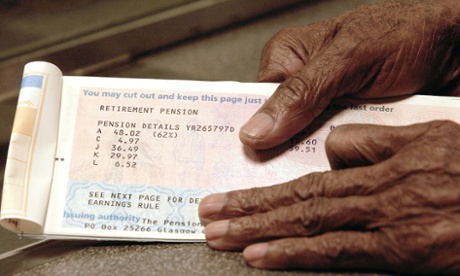
The reality is not nearly so simple. Pressures on spending are rising. Debt interest payments are going up. The cost of meeting the public sector pension bill is growing as the baby boomer generation retires. The cost of the state pension is increasing. Britain’s population is ageing, putting extra strain on health and social care budgets.
More pain is in store on 8 July, when the chancellor will use his second budget of 2015 to outline how he intends to reduce welfare spending. This is not going to be easy either, because half the £250bn welfare bill goes to pensioners and is off limits. That means Osborne needs to find £12bn in cuts from the remaining £125bn.
The prime minister has also said child benefit will be spared, which means there are some tough decisions to be made. Osborne could, according to the IFS, save £5bn a year by reducing the child element of child tax credit by 30%, but that would push 300,000 children into poverty.
As pointed out by the deputy director of the IFS, Carl Emmerson, most of the easy cuts have already been made.