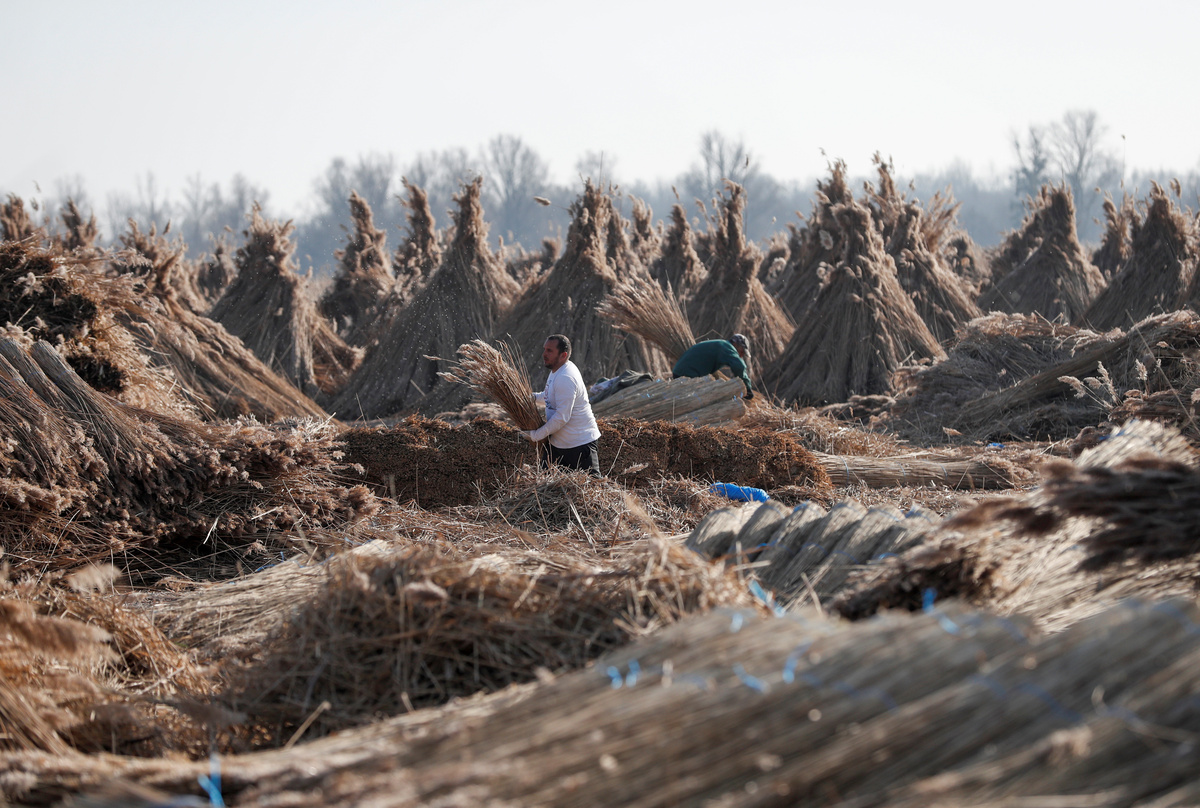
Imre Vida descends from the ancient people who once fished Hungary's Balaton, one of Europe's largest lakes, in boats hewn from oak trunks and who crafted simple shelters from the wetland's reeds.
The reeds lining the shores of the lake are still used today to thatch roofs or are burned for fuel. But conservations says the reeds, which act as a barometer for the health of the water are declining fast, as authorities eye the lake for tourism and the vegetation is sacrificed to give tourists a view.
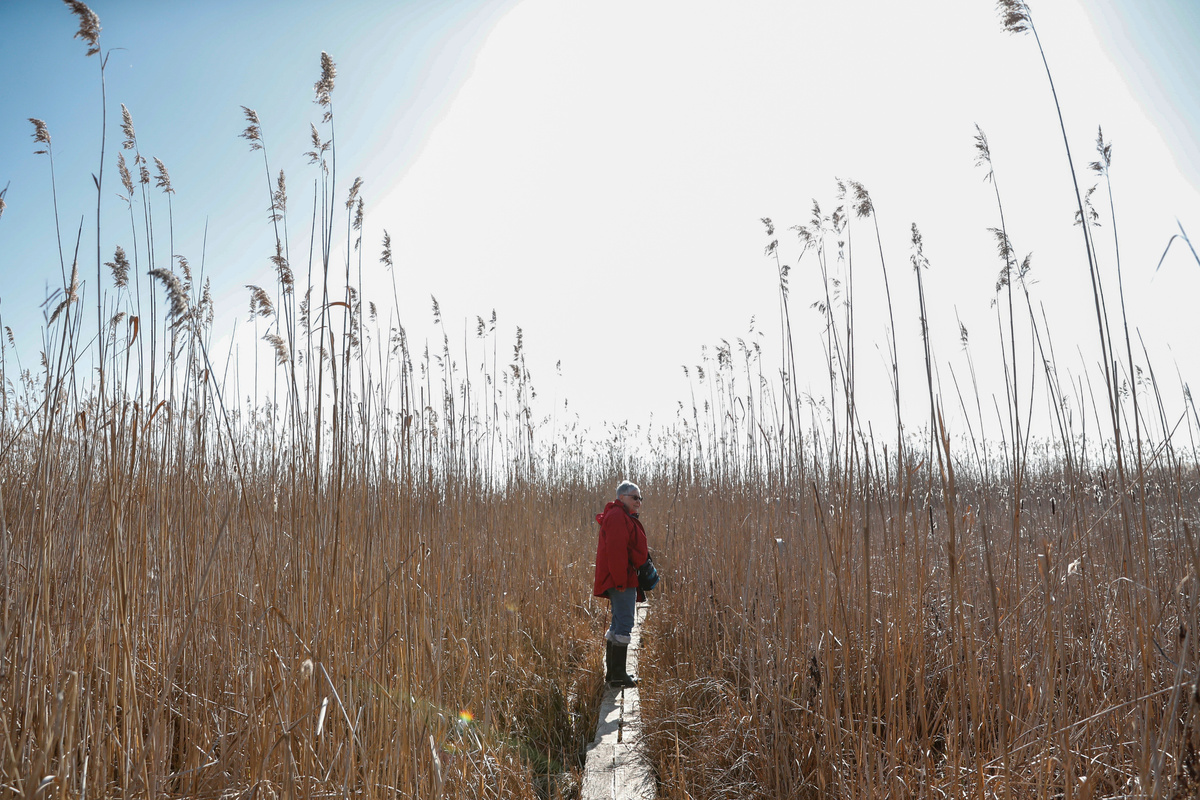
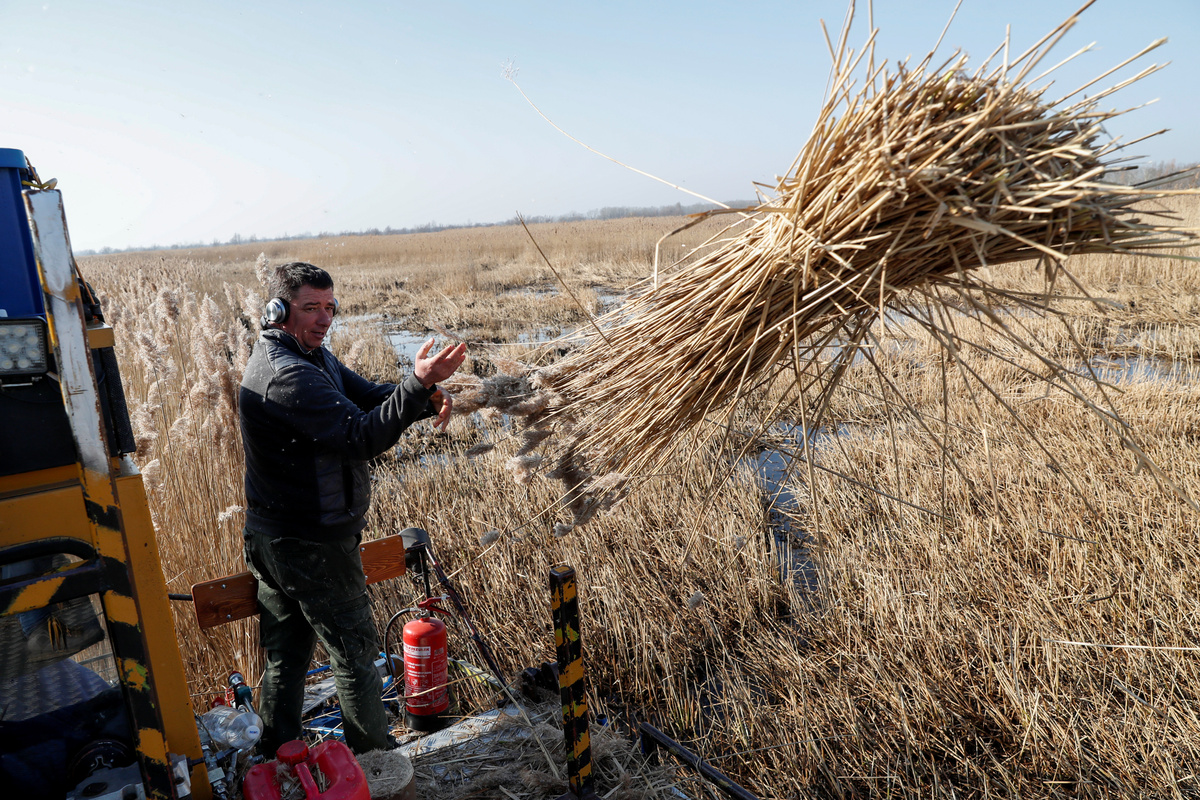
Vida used to spend the winter months on an amphibious truck cutting reeds sustainably to make thatched roofs and sell to customers as far afield as the Netherlands, trimming only above the waterline - unlike rogue reed cutters, including some developers, who uproot the plant and destroy it.
Partly due to this destruction and the effects of climate change, the reeds are now thinner and maturing later. The harvest season has halved in duration.
"It's nature's way of defending itself," Vida says, of the weakening plants.
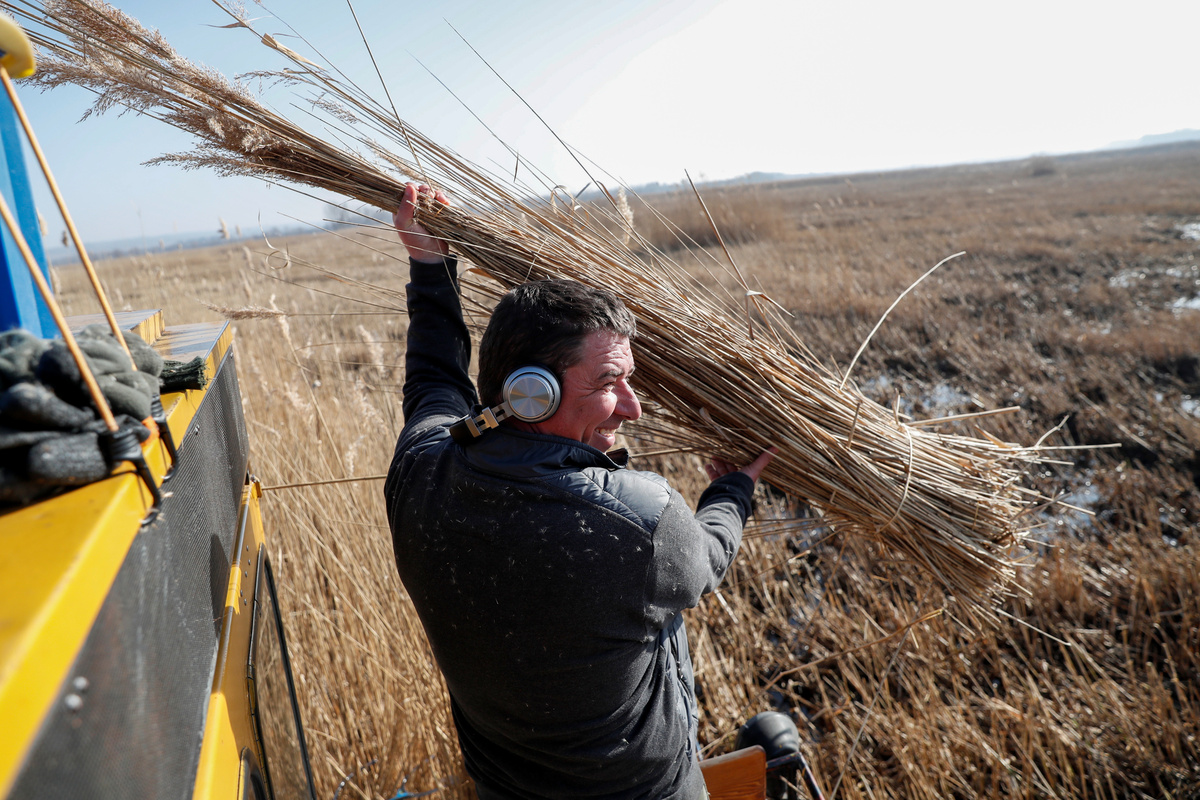
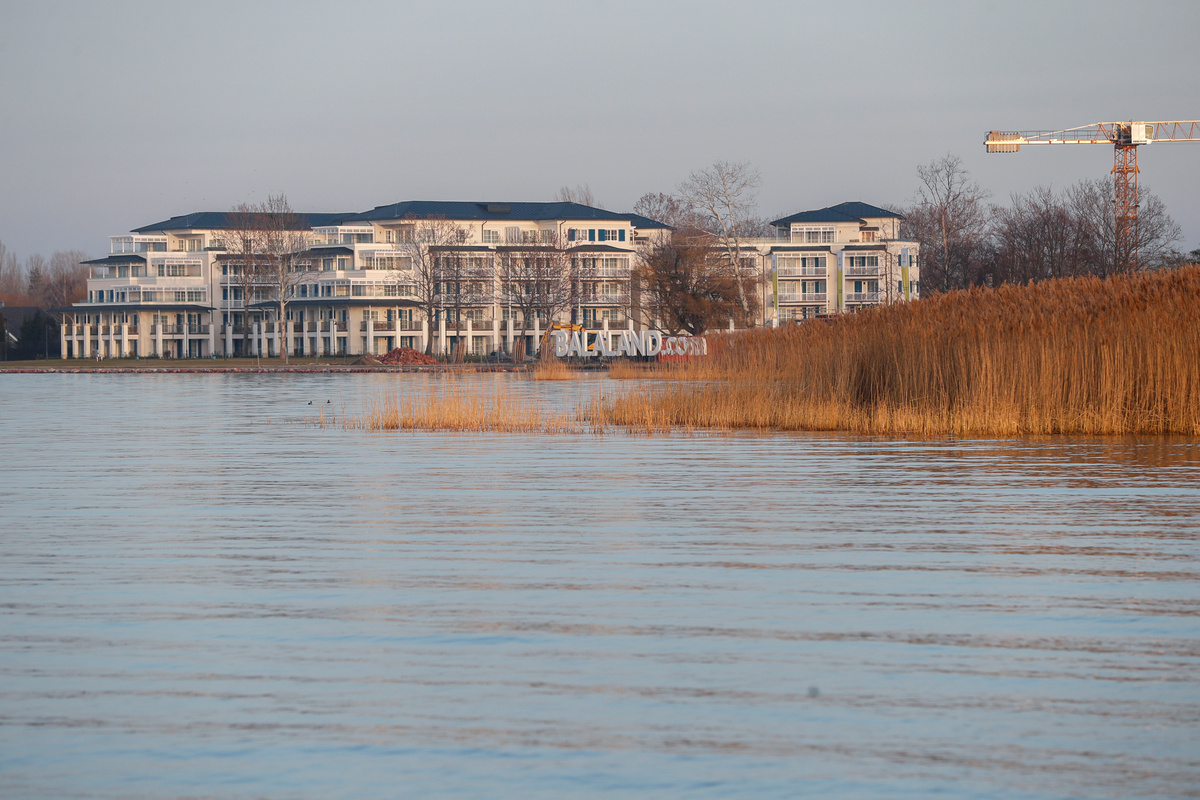
Prime Minister Viktor Orban's government sees a vacation paradise around the lake and is spending billions of euros to upgrade infrastructure. A four-lane motorway is under construction within earshot of Vida's main reed harvest ground in the western corner of the lake, a dense wetland with deer, rodents and water fowl.
Hundreds of new hotel rooms are planned in projects nearby, and thousands in total around Balaton, which recorded 6 million guest nights in 2019. Similar-sized Lake Constance in the Alps had 3.5 times as many.
But while Constance is a deep, rock-bottomed lake, Balaton is shallow, silt-bottomed and more sensitive to human activity. Over-development is already threatening its ecosystem and may cause it to collapse, experts warn.
A government spokesman and spokespeople from the chief of staff's office, cabinet office and agricultural ministry did not reply to requests for comment.
'UNIQUE TREASURE'
"Plants love shallow lakes," said Piroska Pomogyi, who has spent the past 50 years monitoring Balaton, mostly at the national water authority. "This is a unique environmental treasure: the largest shallow freshwater lake in Europe."
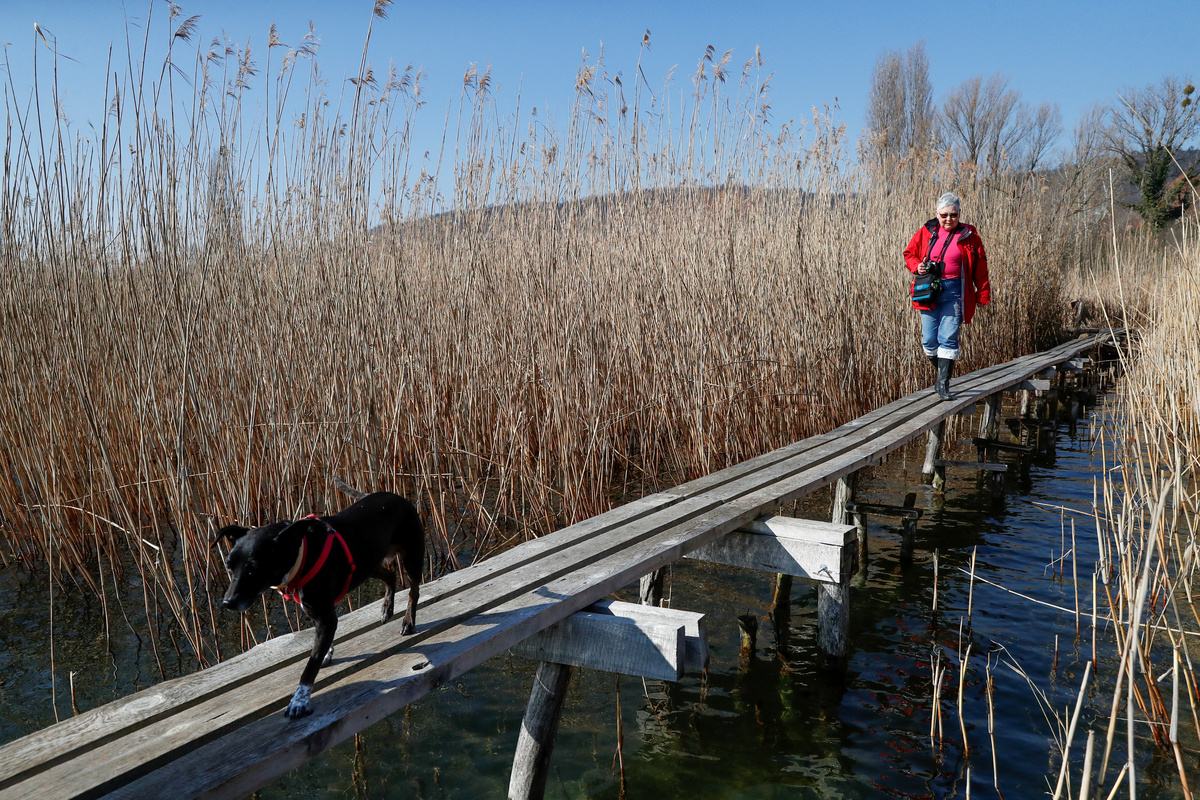
Reeds create buffer zones that filter the lake's tributaries, prevent erosion and preserve the water's delicate balance. The reed beds only work as buffers when intact, but Pomogyi recorded 1,700 illegal pathways crisscrossing them around the lake, thinning the reeds and stripping them of their function.
A 2000 law that protected the reeds was replaced in 2018 with one that contains no sanctions for destroying lower-quality reeds.
"As shoreline towns grow, everyone wants to see the open water," Pomogyi said, but added that clearing the reeds will precipitate the death of the lake. "They ignore that it will happen within our lifetime; in decades."
Signs of decline have already appeared - last summer large parts of Balaton turned into what Pomogyi calls "pea soup", with a thick green layer of algae making the water unfit for bathing.
In many places developers have created manicured lawns running right to the lake shore, destroying unique wetland ecosystems, she said. Many locals worry about this luxury development frenzy and say it is completely misplaced.
"This is a rotten thing to do to our youth," said Lajos Huse, a 70 year-old local architect who spent his career on the lakeshore. "They have overbuilt it. In any normal place there would never be hotels and other things right on the waterfront."
($1 = 302.8100 forints)
(Reporting by Marton Dunai, editing by Alexandra Hudson)