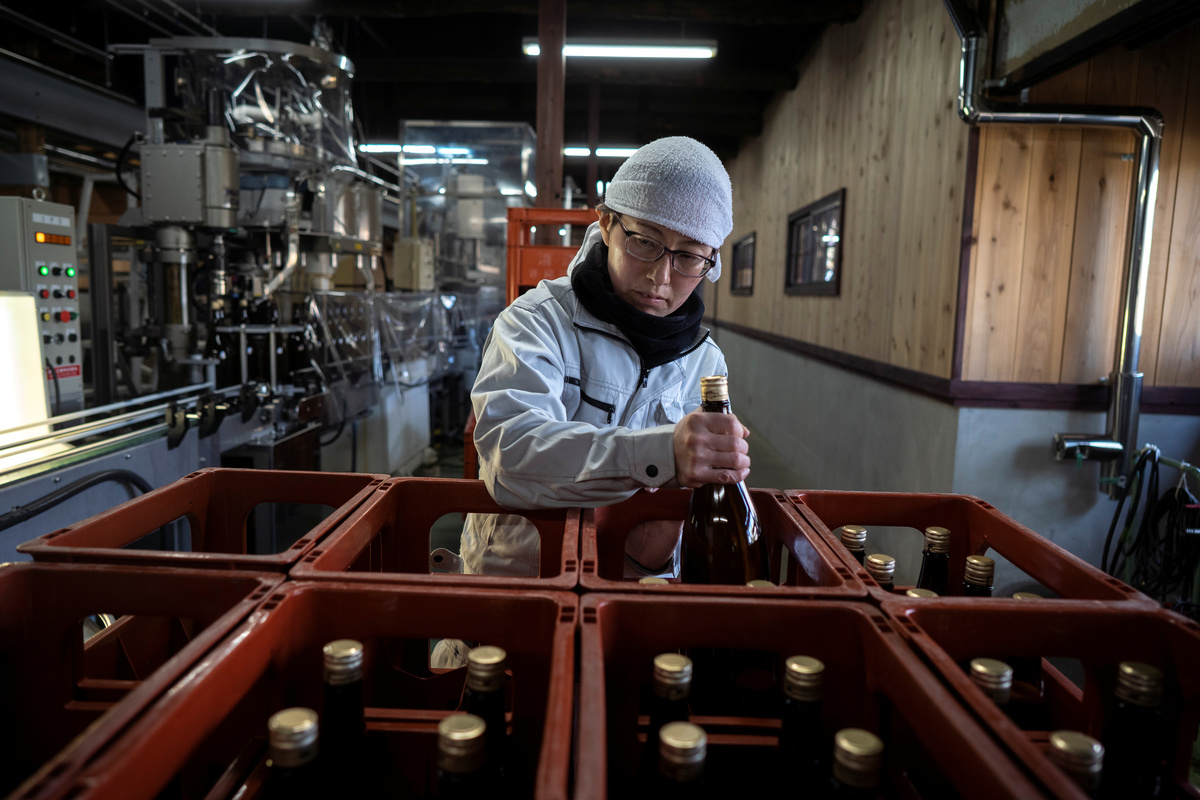
The earth in Fukushima still trembled when Yoshihiro Miyamori drove in the dark towards his sake brewery. When he got back after midnight, he found smashed sake bottles and a crack in the wall of the building. It was March 11, 2011.
Miyamori was on his way to visit other sake-makers along Japan's northeastern coast that day, and barely escaped the tsunami unleashed by a massive earthquake that razed towns and killed thousands, setting off nuclear meltdowns at the Fukushima power plant nearby.
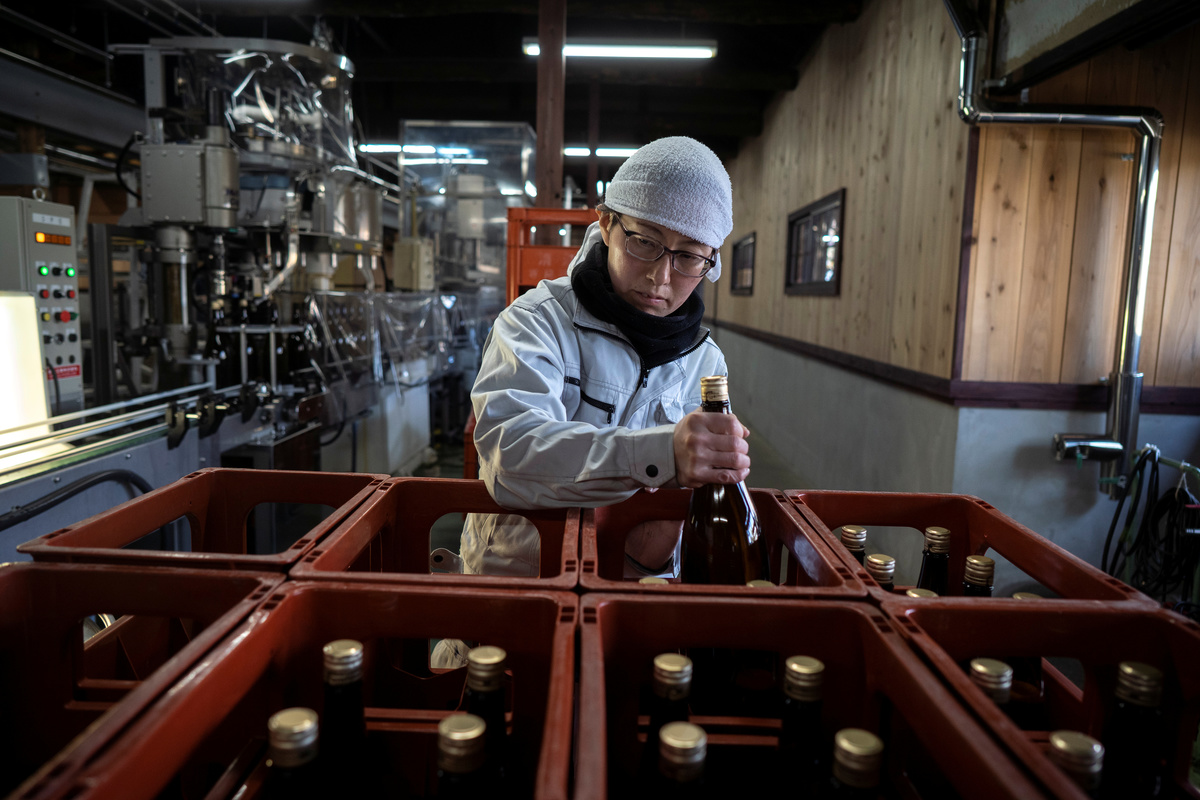
"I needed some time to think about how I could recover from this," Miyamori, 43, told Reuters on a recent tour of his "sakagura," or sake brewery, Miyaizumi Meijo, in Fukushima's city of Aizu Wakamatsu.
The breweries' sales tanked by 66% that month.
"I know people outside Fukushima were concerned about safety of rice and water," said Miyamori.
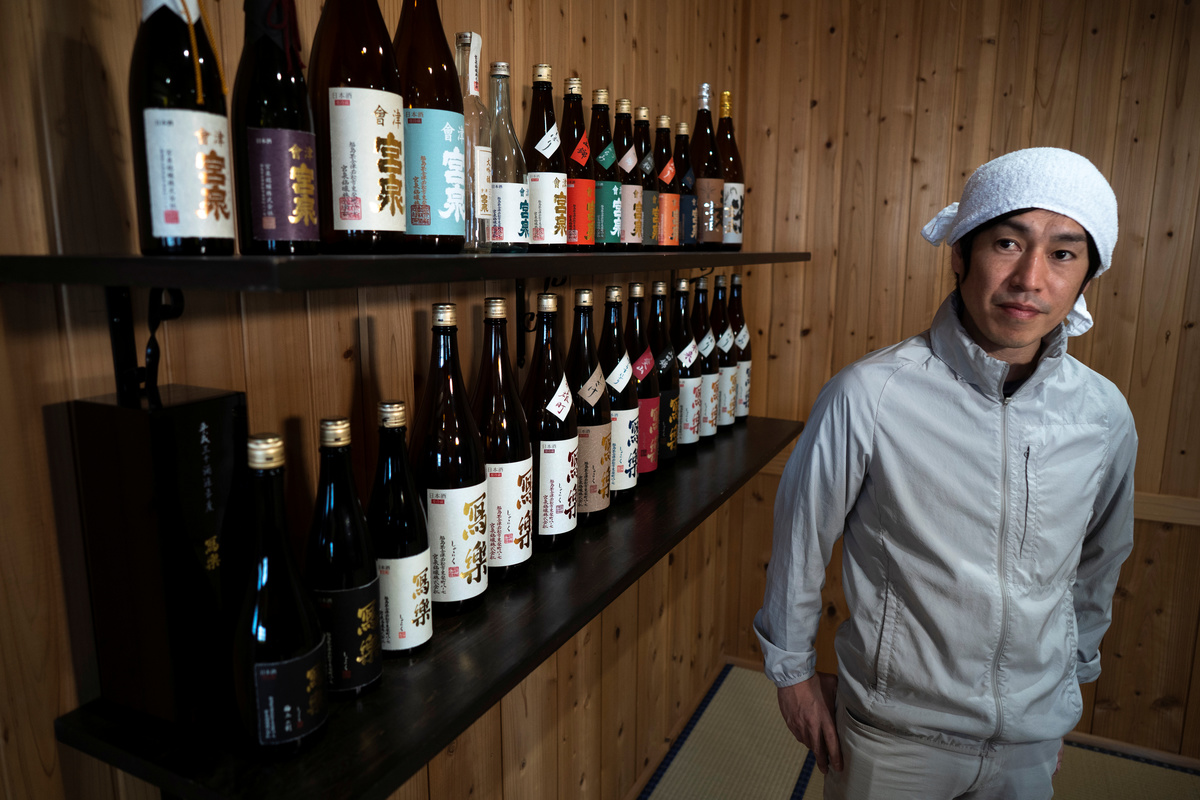
With the Tokyo Olympics less than five months away, many spectators, and even some Olympic committees, have expressed concerns about the food from Fukushima.
But nine years after the nuclear meltdowns, Fukushima sake has made a remarkable recovery, winning the most trophies at one of Japan's most important sake competitions seven years in a row. And Miyaizumi Meijo's flagship brand Sharaku has become one of Japan's most famous.
"We just kept doing what we know best -- making quality sake," he said.
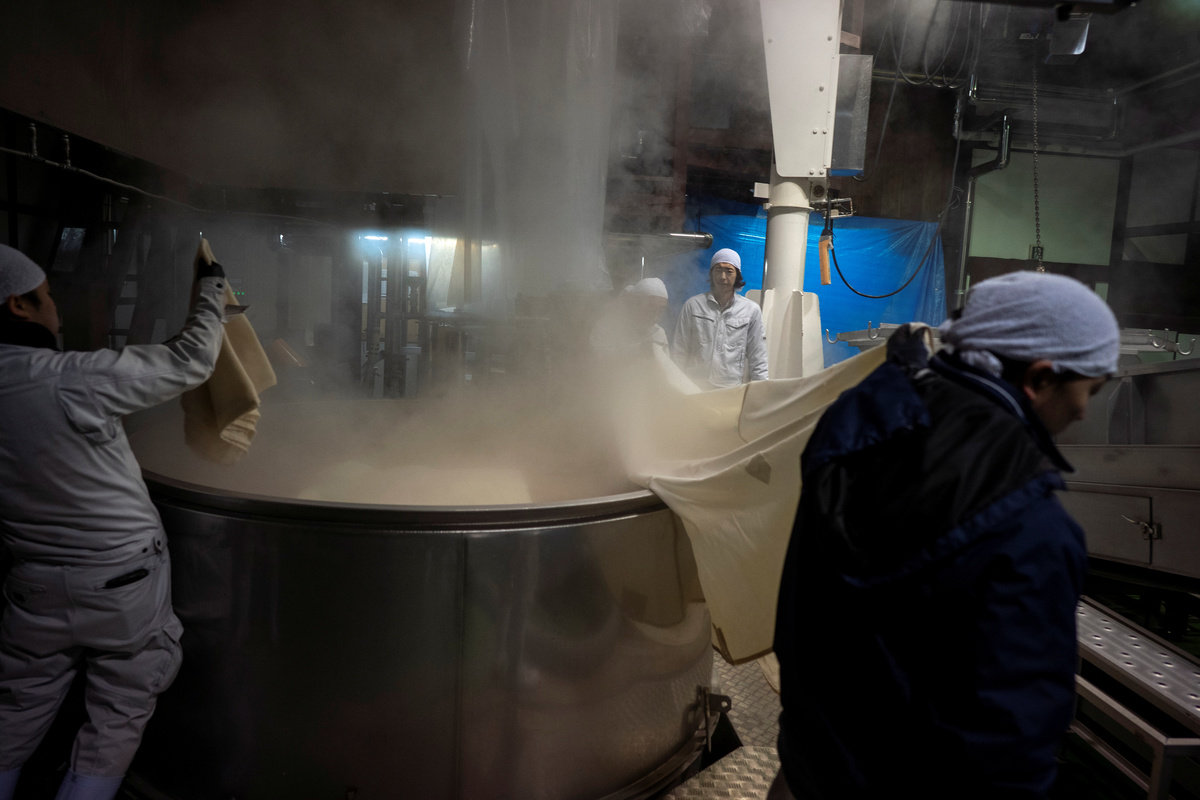
But Miyamori's understated comments hide a sake obsessive who abandoned a safe job in Tokyo to take over his father's struggling business at 26. He revolutionized the production, renovated the brewery and paid off nearly $3 million in debt.
After taking over in 2003, Miyamori pushed to directly oversee the sake-making -- an anomaly in a business where normally the production is outsourced to brewing teams led by the "toji," or chief brewer.
He sparked a backlash from the staff after moving to use specially filtered water to wash rice for each bottle, leading to an eventual departure of the toji and most of the brewing staff.
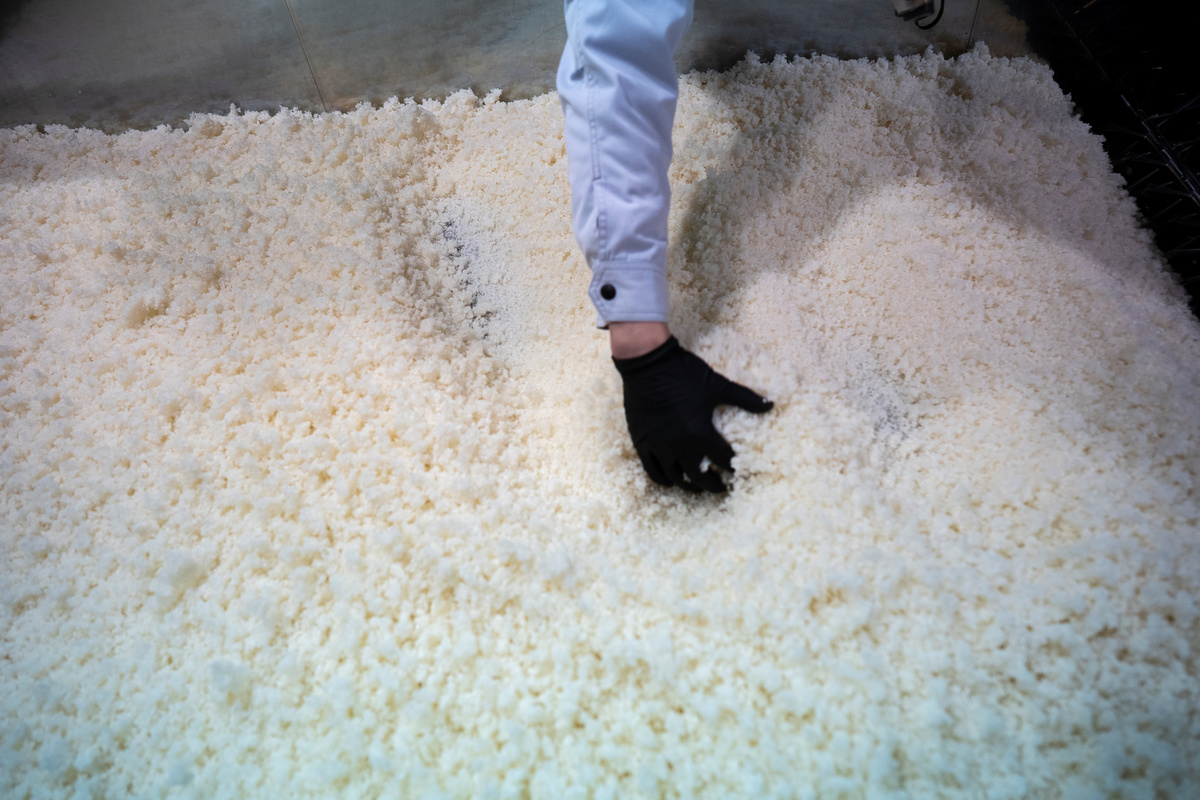
"I wanted to be particular about every single small detail of making sake," said Miyamori.
He opened up the previously secret production data to staff. Whiteboards covered with numbers and diagrams on temperature, rice condition and alcohol content are scattered throughout the premises to ensure workers know what goes inside each bottle.
Miyamori launched Sharaku, known for its crispness, well-balanced acidity and sweetness, in 2008. The brand started ranking high in the Sendai Sake Summit, a nation-wide competition, before the 2011 earthquake. It became No.1 in the year of the disaster, greatly aiding the recovery.
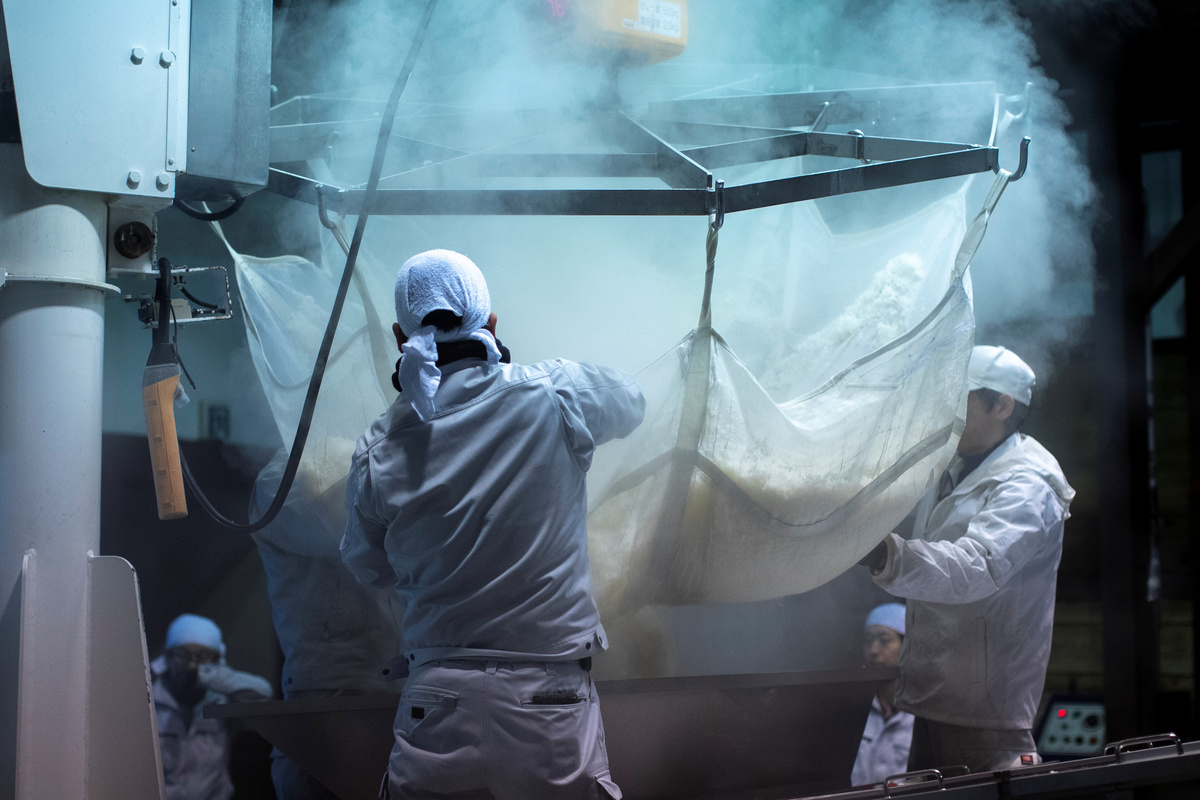
But Miyamori says he could not lead the rebound of the region's sake on his own. He was first inspired to take over his father's brewery after coming across Hiroki, a rival sake from the region, also led by a next-generation owner Kenji Hiroki, 53.
Now that his Sharaku has matched Hiroki in popularity, the two brewers drink together and tease each other about reviews of their alcohol.
Miyamori's next rival is wine, he says, adding that he wants to use the Olympics to popularize sake globally.
Kenji Hiroki says of Miyamori, "you can brew better sake if you have a rival you can respect. Without Sharaku, Hiroki would not be as good as it is."
(Reporting by Junko Fujita; editing by Richard Pullin)