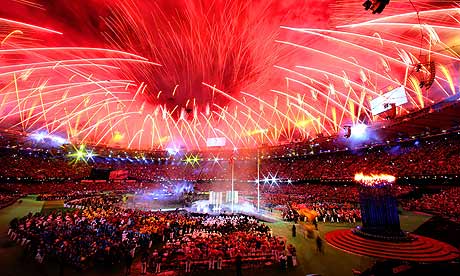
Days before the opening ceremony, the stunt artists playing the roles of James Bond and the Queen were still on track to parachute into the Olympic stadium between a web of wires through a space no bigger than a squash court. Sensibly LOCOG and the ceremony organisers decided that the risk of two volunteers becoming entangled (or worse) in front of an audience of 10 billion people wasn't worth the reward. They parachuted into a spot outside the stadium instead.
The London Olympics and Paralympics have exposed people to the events world for the first time, and many have liked it. Many of the volunteer networks are filled with chatter about how to get into the industry as career.
The truth is that they have made a step in the right direction already by volunteering. Any type of experience in the events world will help you to begin your career. Most people aren't able to fill a CV with paid work, but volunteering allows you to demonstrate the level of grit, determination and commitment required.
Volunteering at a local festival, charity event or sporting is a great first step. But what other advice is there for people who aspire to organise the next royal wedding, 50,000-strong festival or national sporting event?
Network as much as you can within the events industry. This will help you find openings and opportunities to gain experience. You are only ever a phone call away from a role; someone just needs to have your number. Use as many networks you can find; social networking on Linkedin, Twitter and Facebook can build your contacts and show you know your stuff. Contribute your ideas to professional event groups and observe the others involved. You can then follow them and see where they go, what they do. Keep watching and learning.
Open a little black book of the contacts, suppliers, agencies and individuals that you bump into. The event scene can be incestuous; many of the providers have known each other for years. Keeping a note of contacts, even as a way of logging your experience, is very helpful. Make sure these opportunities then make it to your CV, which needs to be up to date.
Considering a move might be a big step, but there is no question that London is one of the global epicenters of creative and production services for events. Students and suppliers come from all over the world to learn from the UK. The capital isn't the only place to gain experience, however; other events hubs inlude Edinburgh, Birmingham and Cardiff.
Also consider some further training. There is a wealth of event courses out there, but make sure that you are getting value from an outfit that know what they are doing. Some kind of reputable accreditation makes all the difference to potential employers. Look for an accreditation and the experience of the course directors and lecturers, and beware of 'generic' courses.
Placements with events organisers and companies are another fantastic way to get ahead. It is difficult to get them right, but experience will really help you build confidence, so never turn down an opportunity. Even the smallest wedding or party counts.
It also helps to develop the kind of basic skills that all events organisers rely on. Learning to budget effectively and use tools such as Excel to their full advantage to show you are serious about events as a career path.
But above all build your confidence and resilience. The events industry is a game of hard knocks, late nights, long hours, thankless tasks balanced by the brief glamour and reward of the show, the celebrity, the celebration and the knowledge that you were not only there but that you actually had a part in creating it. You need to be positive and no agency or organisation will want anything else but that from their team. Attitude gets experience, which gets work, which gets you ahead.
Lorne Armstrong is the director of Ashdown Academy
This content is brought to you by Guardian Professional. To get more content and advice like this direct to your inbox, sign up for our weekly Careers update.