

Millions of older people with disabilities are at risk of missing out on crucial humanitarian assistance because of physical barriers or discrimination, research suggests.
Up to 14 million older people with disabilities are affected by crises globally, according to a study by the London School of Hygiene and Tropical Medicine and HelpAge International.
It found that organisations often require people to collect aid or social protection payments in person, which is impossible for those who cannot travel long distances to get to distribution points. Older people with disabilities had also encountered hostile attitudes when trying to access support.
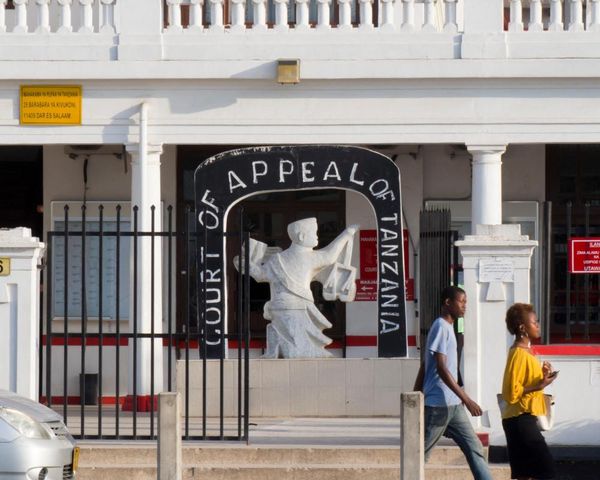
The study was based on interviews with older people affected by crises in Tanzania and Ukraine, as well as a review of academic research. In Ukraine, some were made to feel humiliated by health and social security staff, while in Tanzania, interviewees reported that they had been accused by younger people of faking their disability in order to get money. Interviewees told researchers they felt forgotten about because of their age.
The report warned that disabled older people faced a range of threats in crisis settings, including being less able to escape dangers posed by conflict or natural disasters. One interviewee, now living in Tanzania, told researchers that she had stayed in a hole for three days without any food or drinking water, to hide from conflict in Burundi.
Older people with disabilities were also at a greater risk of poverty, more likely to be affected by barriers to healthcare, such as a shortage of medicines, and more likely to be living in inadequate housing conditions. Interviewees described having a lack of dignity, living in overcrowded homes with inaccessible toilets, and being socially isolated. Such challenges, on top of prolonged exposure to conflict and insecurity, all contributed towards worsening mental health.
The report recommended greater use of home visits, the distribution of fuel or transport subsidies, and suggested that older people with disabilities should be given priority at food distribution sites. Age International is also calling for donors, policymakers and humanitarian responders to adopt the humanitarian inclusion standards for older people and people with disabilities, a set of principles developed by a group of charities and donors.
“The UK’s Department for International Development has pledged to put disability at the heart of its work, and this research shows a clear and urgent need for more to be done to ensure that older people with disabilities get the support they desperately need and deserve in emergencies,” said Chris Roles, managing director of Age International.
The research calls on donors, policymakers and aid agencies to support older people’s associations and disabled people’s organisations to work together, and improve aid workers’ understanding of the risks facing older people with disabilities. It also suggests more money should be invested in tackling age and disability discrimination.






.jpg?w=600)



