J&J's greed helped fuel U.S. opioid crisis, Oklahoma claims at trial
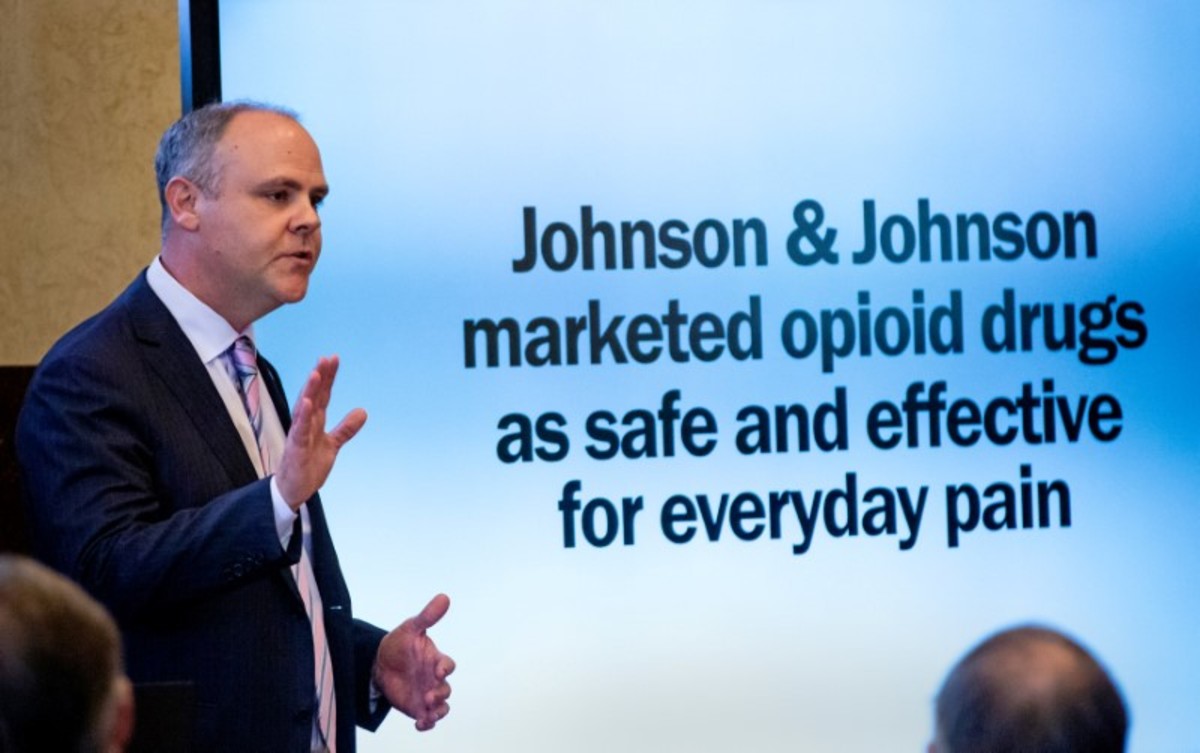
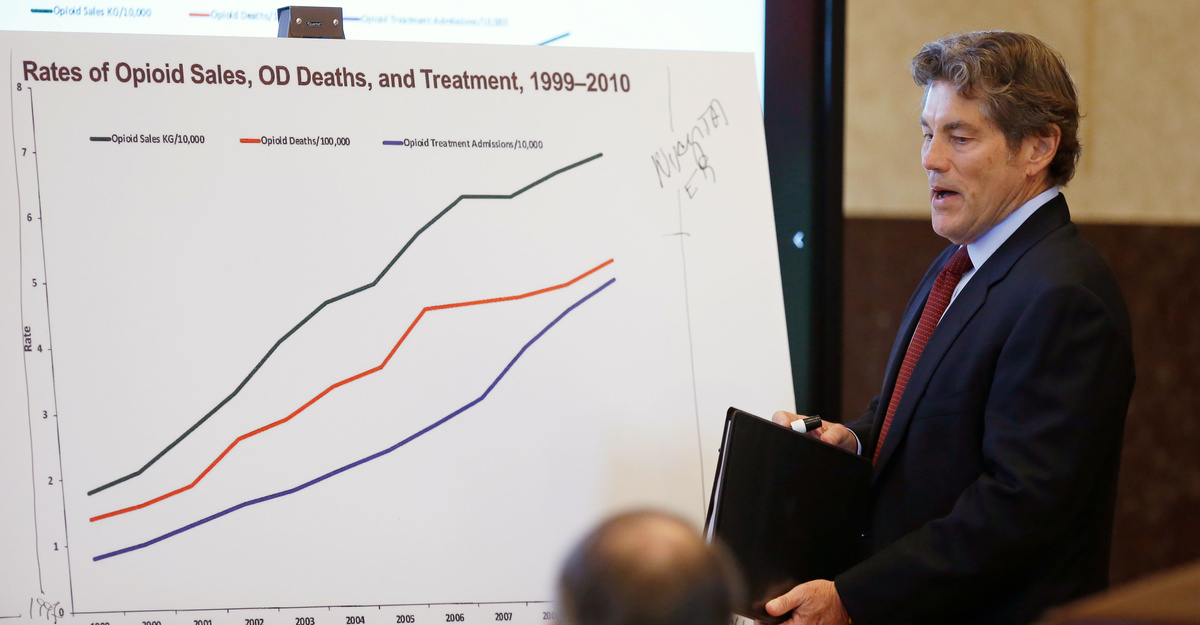
State's attorney Brad Beckworth presents information in the opening statements during the Oklahoma v. Johnson & Johnson opioid trial at the Cleveland County Courthouse in Norman, Oklahoma, U.S. May 28, 2019. Chris Landsberger/Pool via REUTERS
NORMAN, Okla. (Reuters) - Johnson & Johnson's greed led the drugmaker to use deceptive marketing to create an oversupply of painkillers that fueled the U.S. opioid epidemic, the state of Oklahoma alleged at the start of the first trial to result from lawsuits over the drug crisis.
Oklahoma Attorney General Mike Hunter, who filed the multibillion-dollar case, argued in a state court in the city of Norman that J&J should be forced to pay for helping cause the "worst manmade public health crisis in our state's history."
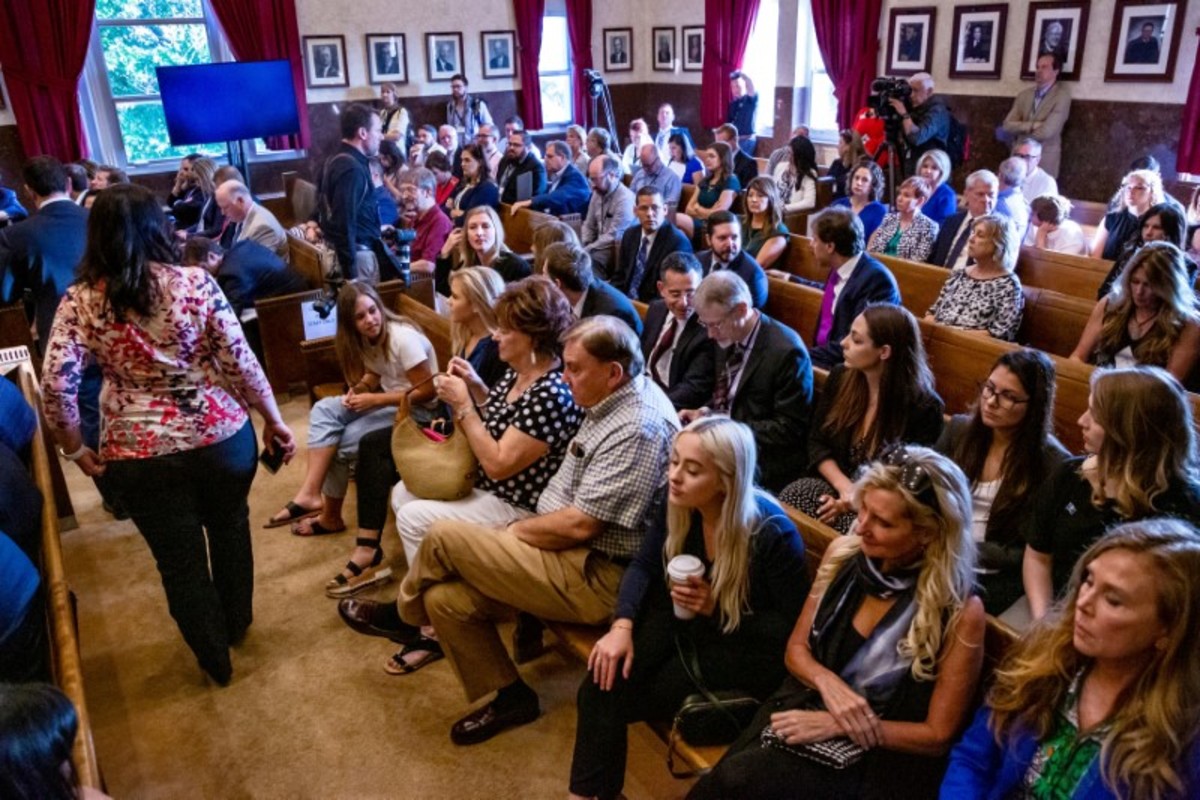
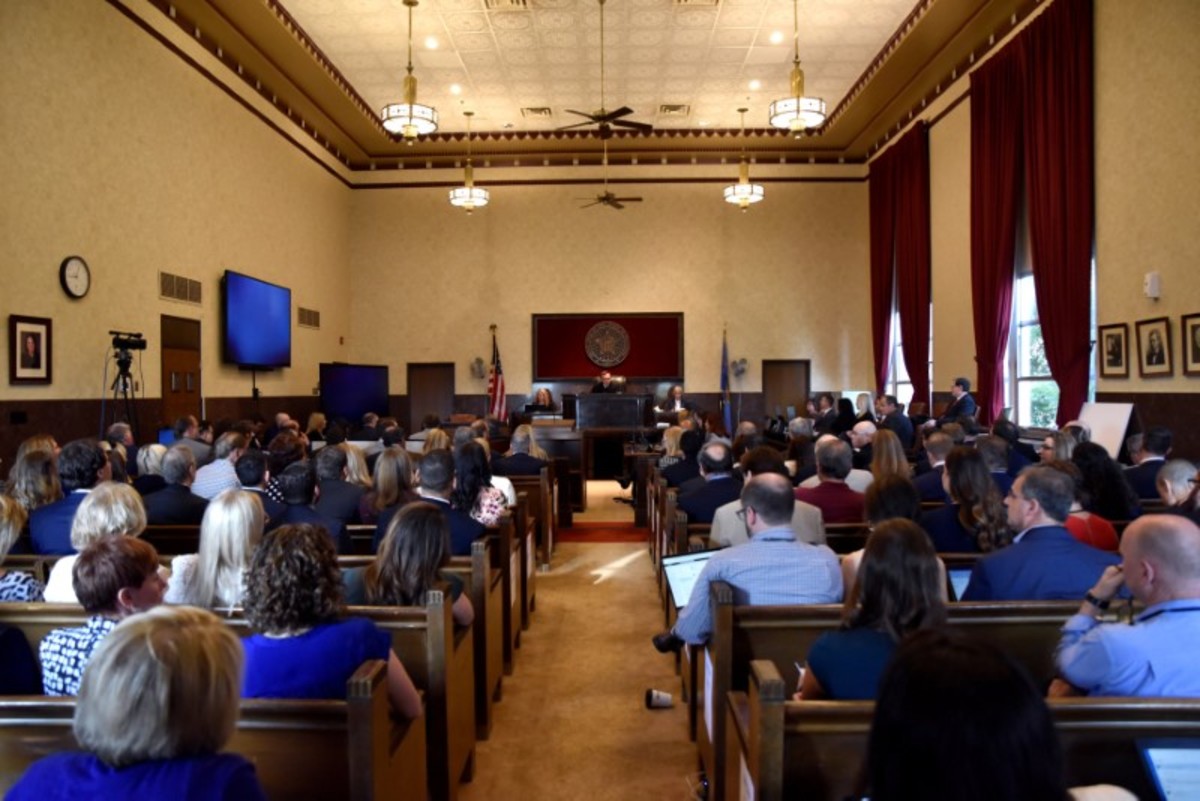
The courtroom fills up before the start of the Oklahoma v. Johnson & Johnson opioid trial at the Cleveland County Courthouse in Norman, Oklahoma, U.S. May 28, 2019. Chris Landsberger/Pool via REUTERS
His case is the first to reach trial from around 2,000 lawsuits filed by state and local governments seeking to hold pharmaceutical companies responsible for a drug epidemic the U.S. Centers for Disease Control and Prevention says led to a record 47,600 opioid-related overdose deaths in 2017.
The non-jury trial came after Oklahoma resolved claims against OxyContin maker Purdue Pharma LP in March for $270 million and against Teva Pharmaceutical Industries Ltd on Sunday for $85 million, leaving only J&J as a defendant.
Brad Beckworth, a lawyer for the state, told Cleveland County District Judge Thad Balkman that New Brunswick, New Jersey-based J&J, along with Purdue and Teva, used misleading marketing beginning in the 1990s to push doctors to prescribe more opioids.
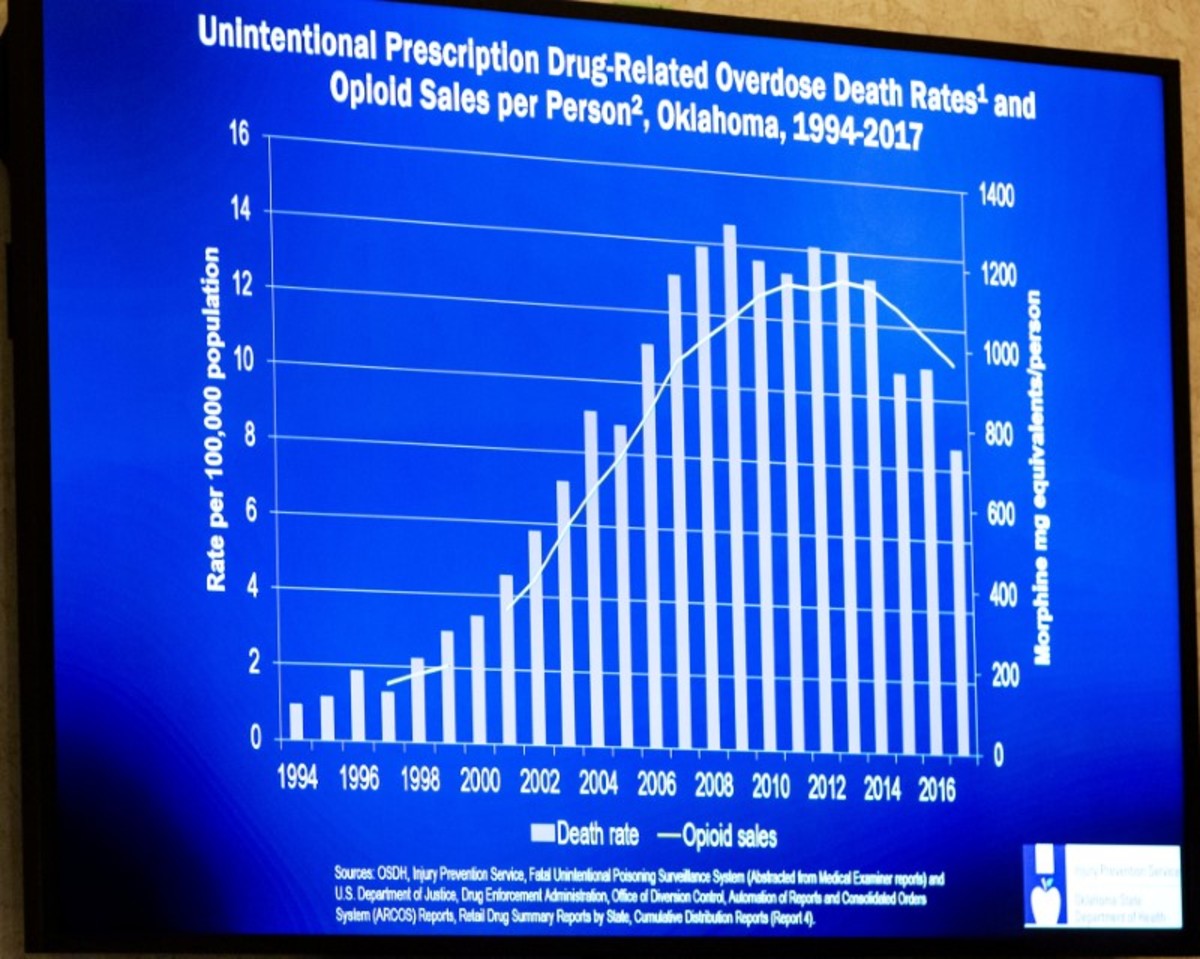
Information presented by State's attorney in the opening statements during the Oklahoma v. Johnson & Johnson opioid trial at the Cleveland County Courthouse in Norman, Oklahoma, U.S. May 28, 2019. Chris Landsberger/Pool via REUTERS
Beckworth said J&J, which sold the painkillers Duragesic and Nucynta, marketed the opioids as "safe and effective for everyday pain" while downplaying their addictive qualities, helping create a drug oversupply.
He said J&J was motivated to boost prescriptions not only because it sold opioid painkillers, but because it also grew and imported raw materials opioid manufacturers like Purdue used.
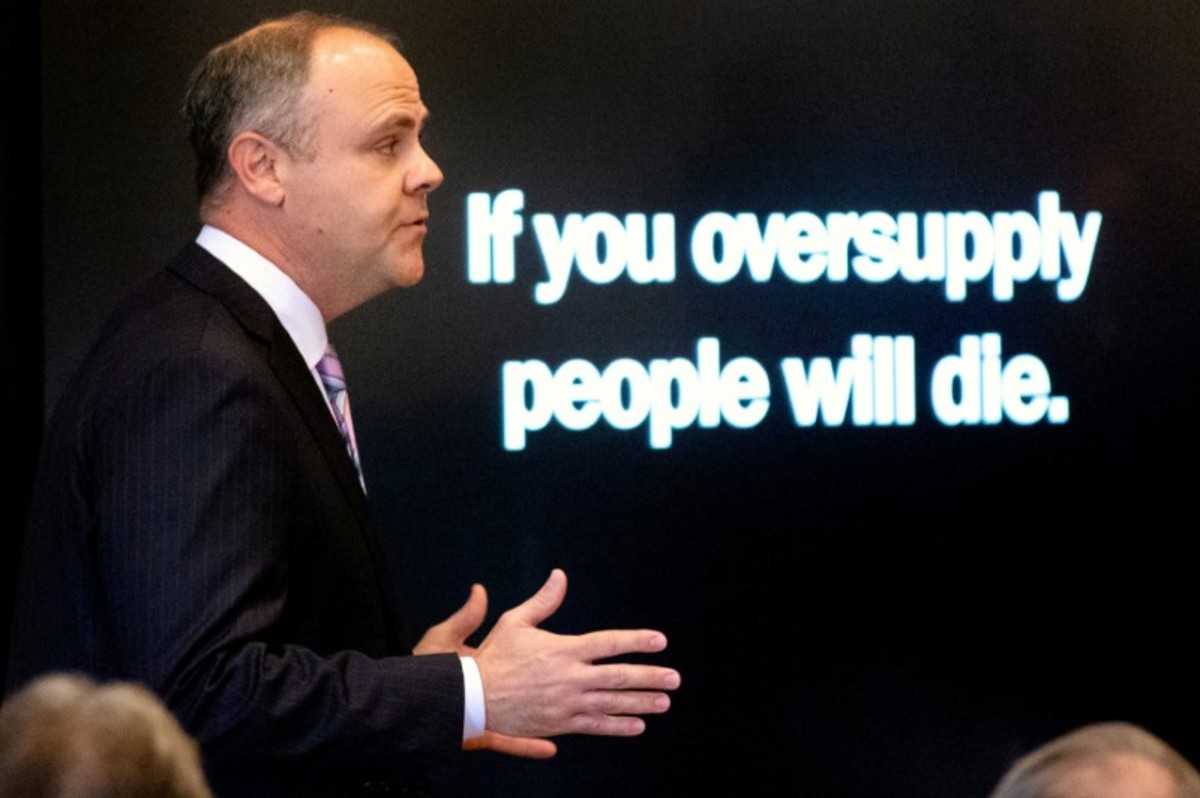
"If you have an oversupply, people will die," Beckworth said.
State's attorney Brad Beckworth presents information in the opening statements during the Oklahoma v. Johnson & Johnson opioid trial at the Cleveland County Courthouse in Norman, Oklahoma, U.S. May 28, 2019. Chris Landsberger/Pool via REUTERS
J&J lawyer Larry Ottway countered that its products made up a small share of opioids prescribed in Oklahoma and carried U.S. Food and Drug Administration-approved labels that warned of the addictive risks.
"You have to examine the details because facts are stubborn things," he said.
He also argued Oklahoma was seeking to "stretch" the bounds of a public nuisance statute in order to force it to pay up to $17.5 billion to help the state address the epidemic for the next 30 years.
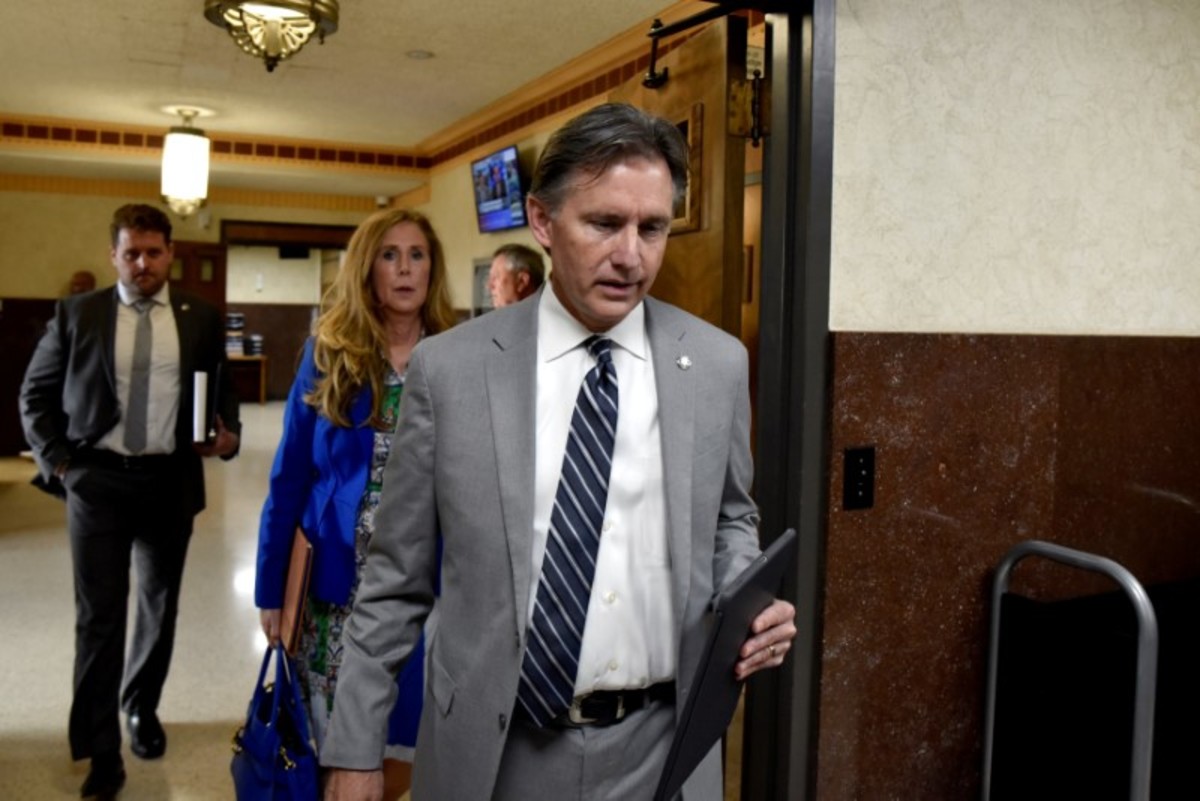
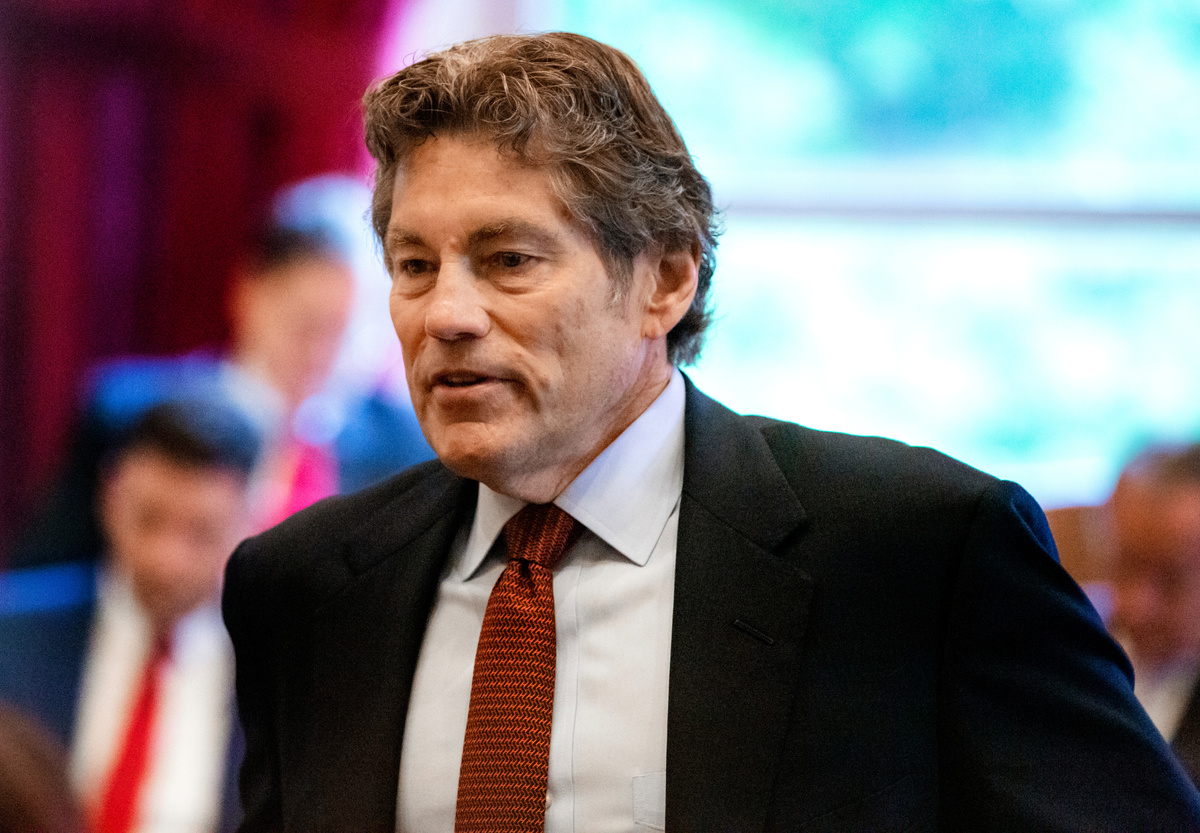
Oklahoma Attorney General Mike Hunter enters the Cleveland County Court on the first day of a trial of Johnson & Johnson over claims they engaged in deceptive marketing that contributed to the national opioid epidemic in Norman, Oklahoma, U.S. May 28, 2019. REUTERS/Nick Oxford
The case is being closely watched by plaintiffs in other opioid lawsuits, particularly the 1,850 cases consolidated before a federal judge in Ohio, who has been pushing for a settlement ahead of an October trial.
Some plaintiffs' lawyers have compared the cases to litigation by states against the tobacco industry that led to a $246 billion settlement in 1998.
Defense attorney Larry Ottaway speaks during opening arguments on the first day of a trial of Johnson & Johnson over claims they engaged in deceptive marketing that contributed to the national opioid epidemic in Norman, Oklahoma, U.S. May 28, 2019. Sue Ogrocki/Pool via REUTERS
(The story fixes spelling of J&J lawyer in paragraph nine.)
(Reporting by Ben Fenwick in Norman, Oklahoma; Writing by Nate Raymond in Boston; Editing by Scott Malone, Jonathan Oatis and Bill Berkrot)
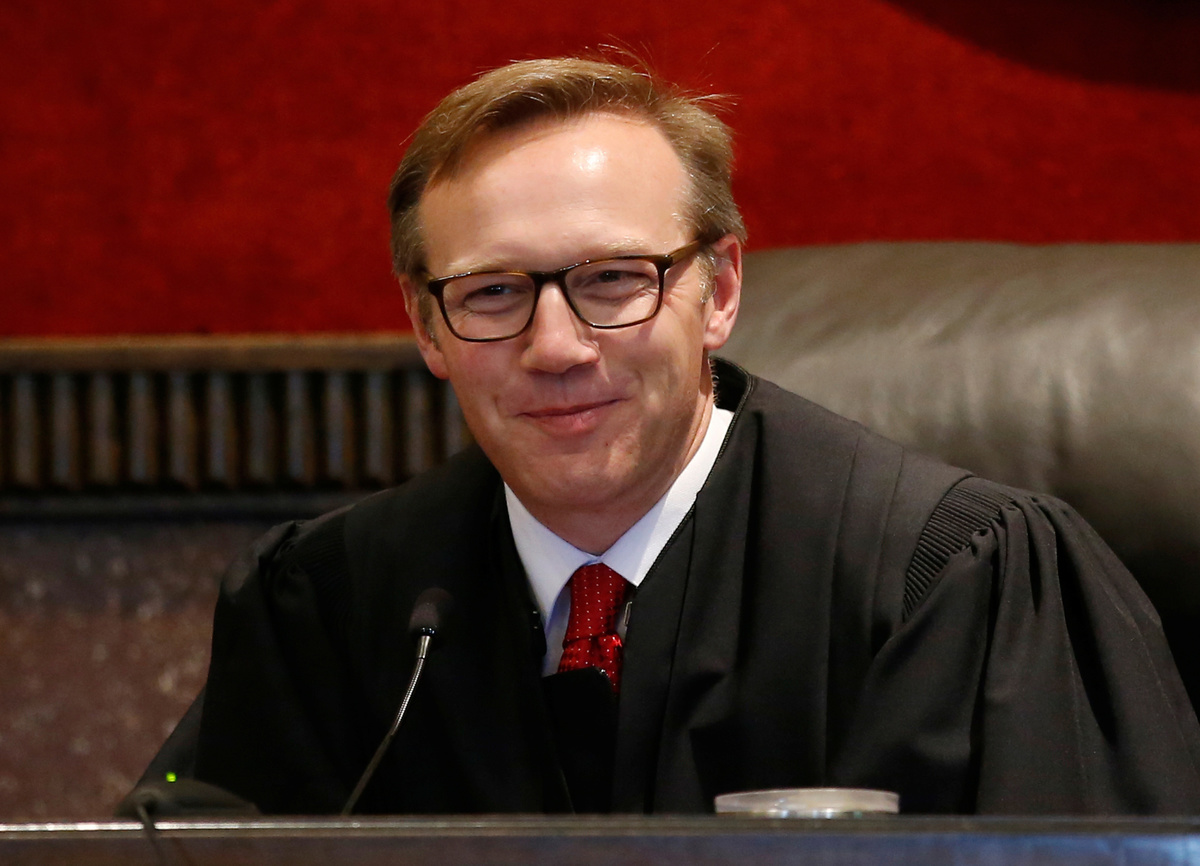
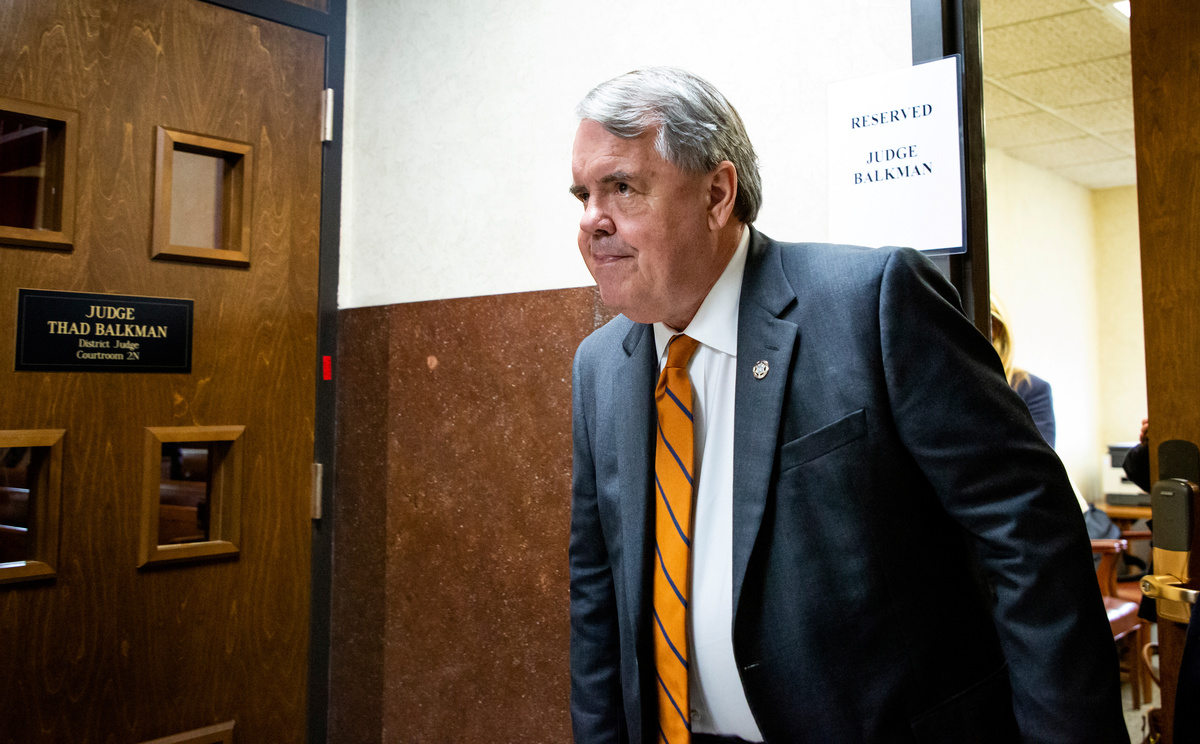
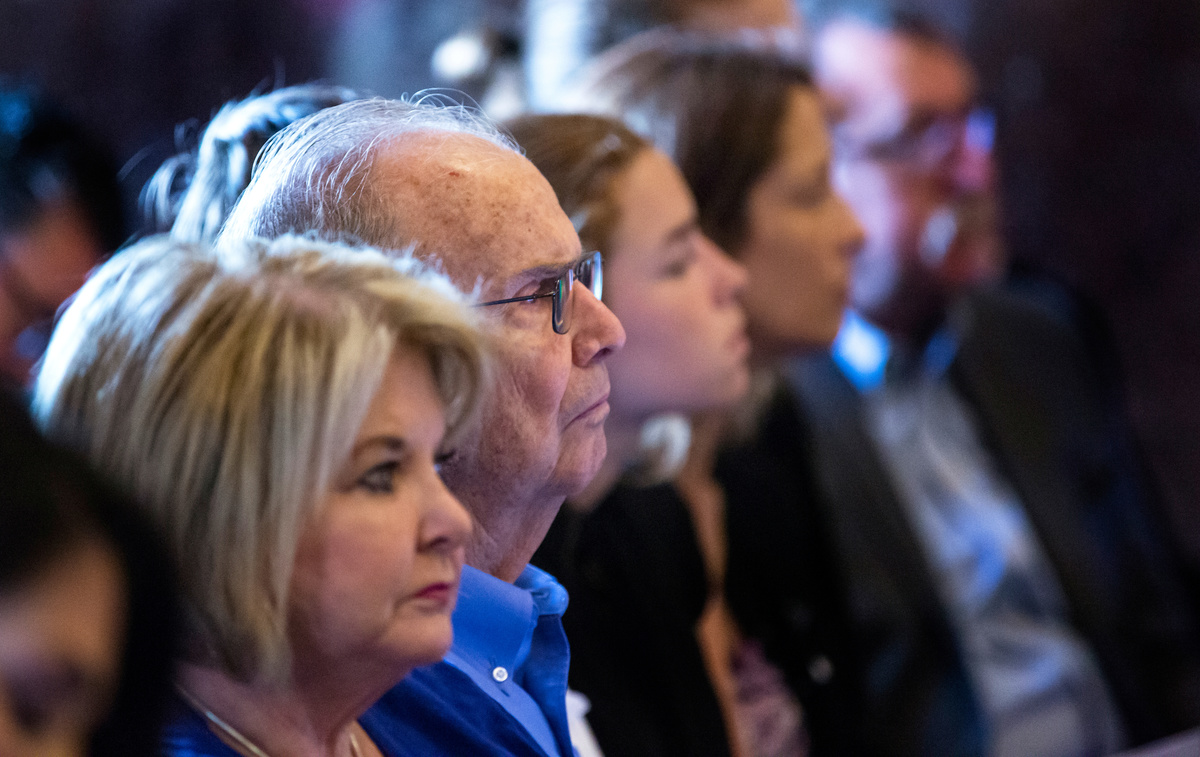
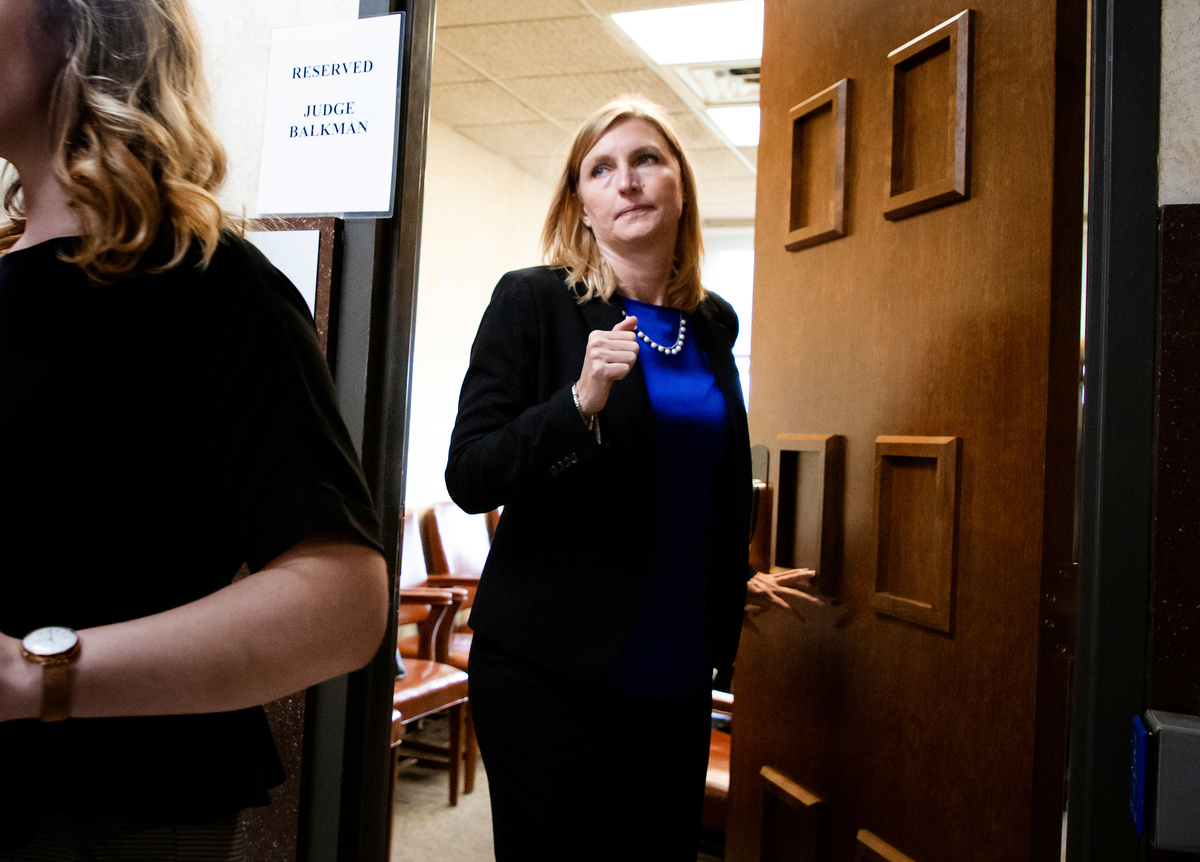
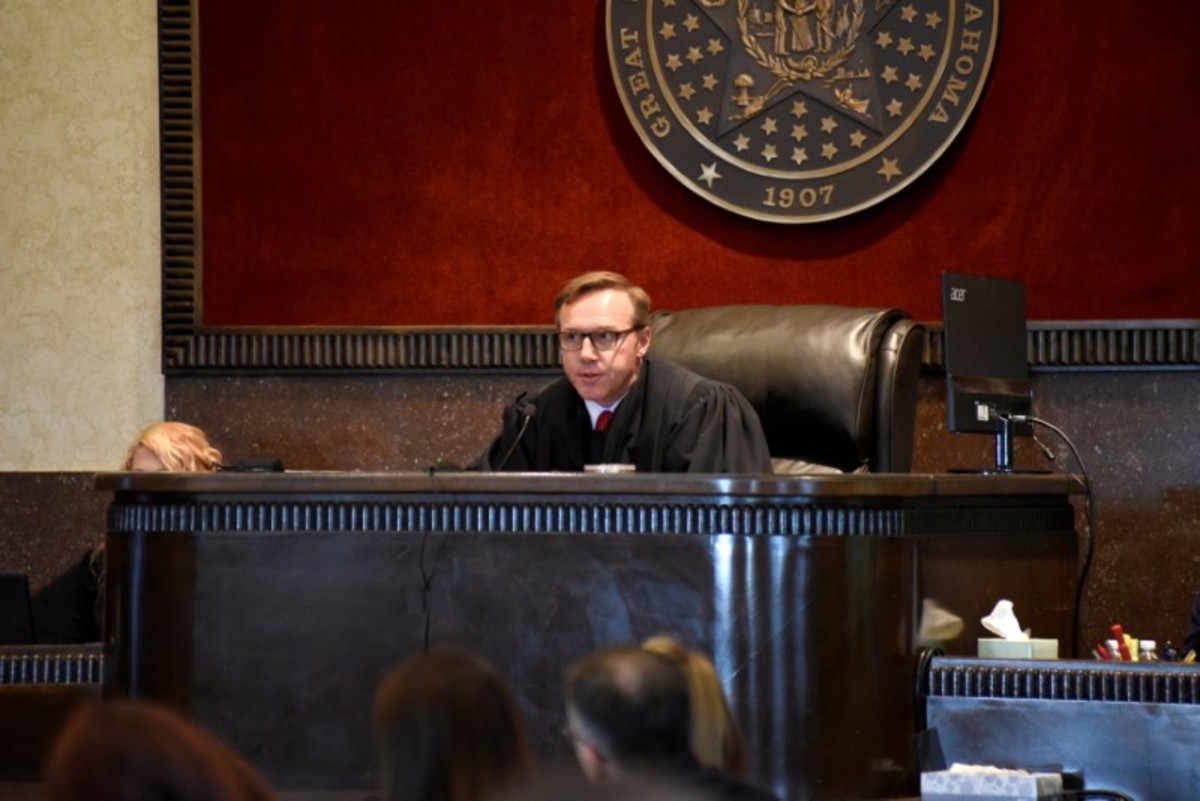
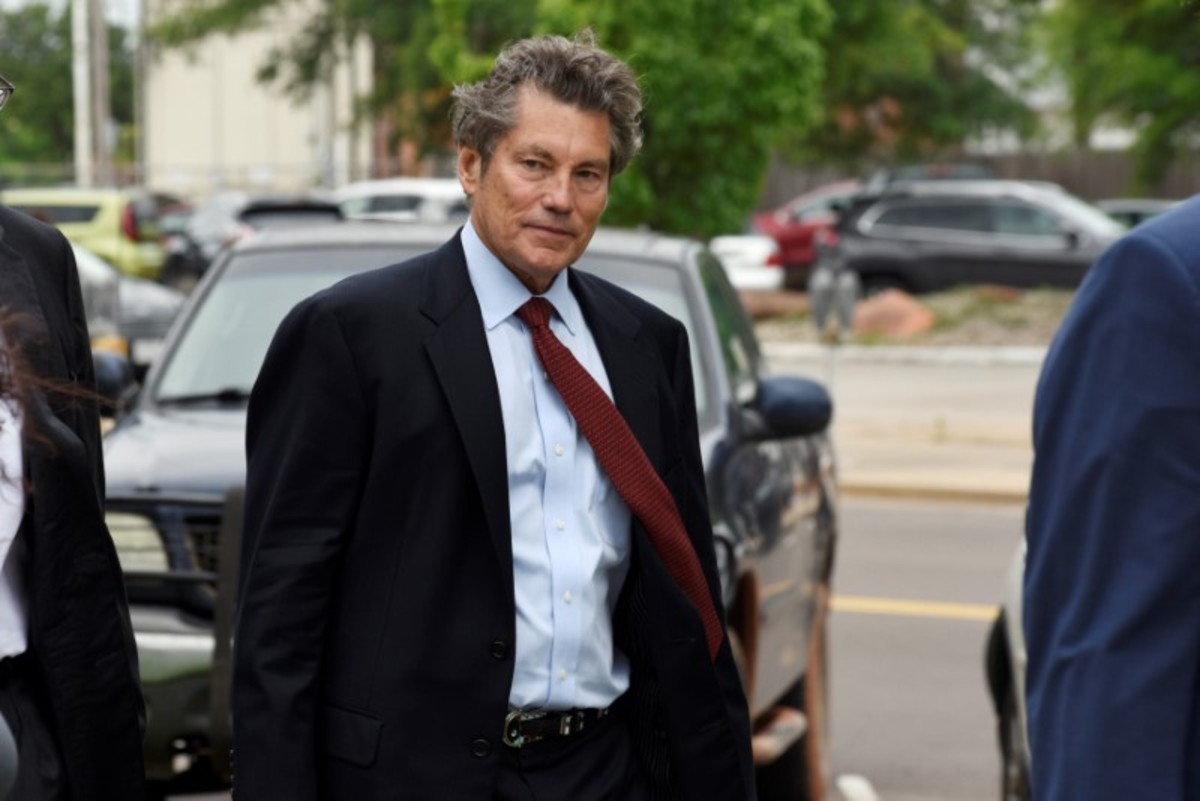
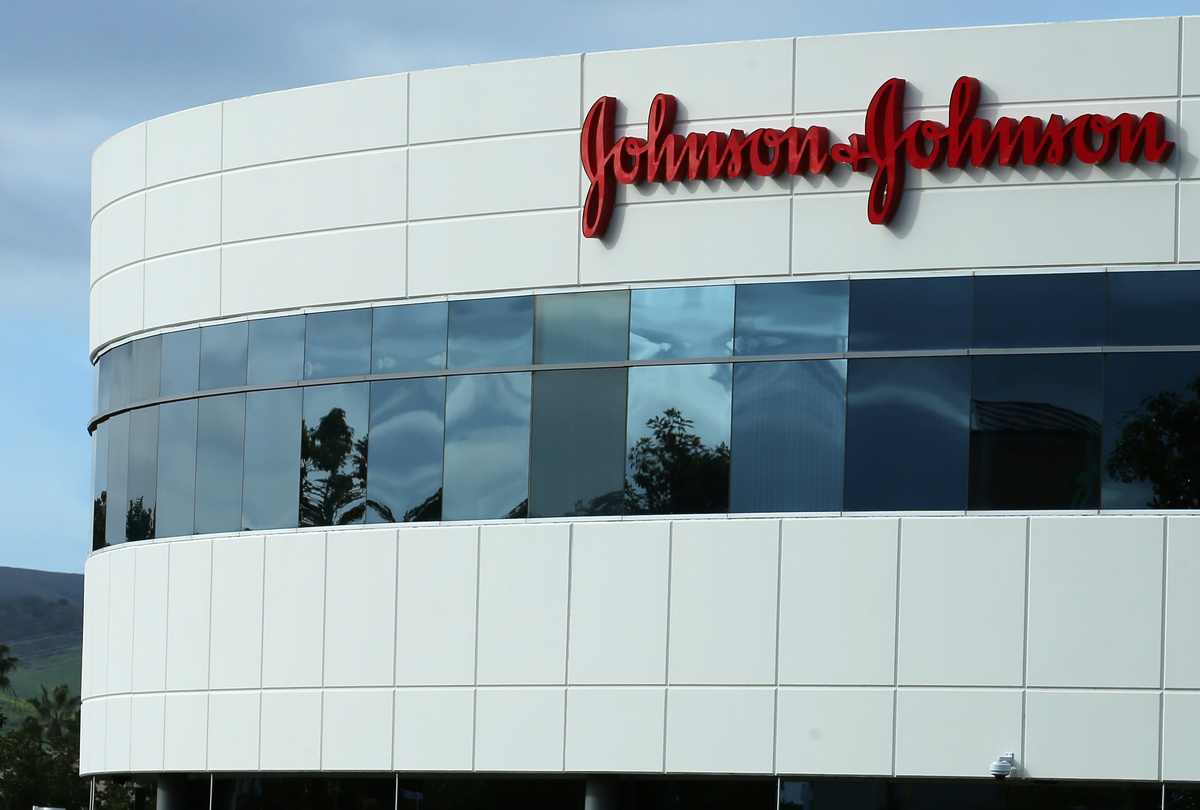
Judge Thad Balkman smiles as he speaks in court on the first day of a trial of Johnson & Johnson over claims they engaged in deceptive marketing that contributed to the national opioid epidemic in Norman, Oklahoma, U.S. May 28, 2019. Sue Ogrocki/Pool via REUTERSState's attorney Michael Burrage prepares to enter the courtroom on the first day of a trial of Johnson & Johnson over claims they engaged in deceptive marketing that contributed to the national opioid epidemic in Norman, Oklahoma, U.S. May 28, 2019. Chris Landsberger/Pool via REUTERSMembers of the public listen in to opening statements during the first day of a trial of Johnson & Johnson over claims they engaged in deceptive marketing that contributed to the national opioid epidemic in Norman, Oklahoma, U.S. May 28, 2019. Chris Landsberger/Pool via REUTERSDefense attorney Larry Ottaway speaks during his opening statements on the first day of a trial of Johnson & Johnson over claims they engaged in deceptive marketing that contributed to the national opioid epidemic in Norman, Oklahoma, U.S. May 28, 2019. Chris Landsberger/Pool via REUTERSTerri White Commissioner, Oklahoma Department of Mental Health and Substance Abuse Services prepares to enter the courtroom for the first day of a trial of Johnson & Johnson over claims they engaged in deceptive marketing that contributed to the national opioid epidemic in Norman, Oklahoma, U.S. May 28, 2019. Chris Landsberger/Pool via REUTERSJudge Thad Balkman welcomes a full court on the first day of a trial of Johnson & Johnson over claims they engaged in deceptive marketing that contributed to the national opioid epidemic in Norman, Oklahoma, U.S. May 28, 2019. REUTERS/Nick OxfordJudge Thad Balkman welcomes the court on the first day of a trial of Johnson & Johnson over claims they engaged in deceptive marketing that contributed to the national opioid epidemic in Norman, Oklahoma, U.S. May 28, 2019. REUTERS/Nick OxfordAttorney Larry Ottaway, who is representing Johnson & Johnson, walks outside of the Cleveland County Courthouse on the first day of a trial accusing Johnson & Johnson of engaging in deceptive marketing that contributed to the national opioid epidemic in Norman, Oklahoma, U.S. May 28, 2019. REUTERS/Nick OxfordFILE PHOTO: A Johnson & Johnson building is shown in Irvine, California, U.S., January 24, 2017. REUTERS/Mike Blake
Sign up to read this article
Read news from 100’s of titles, curated specifically for you.