
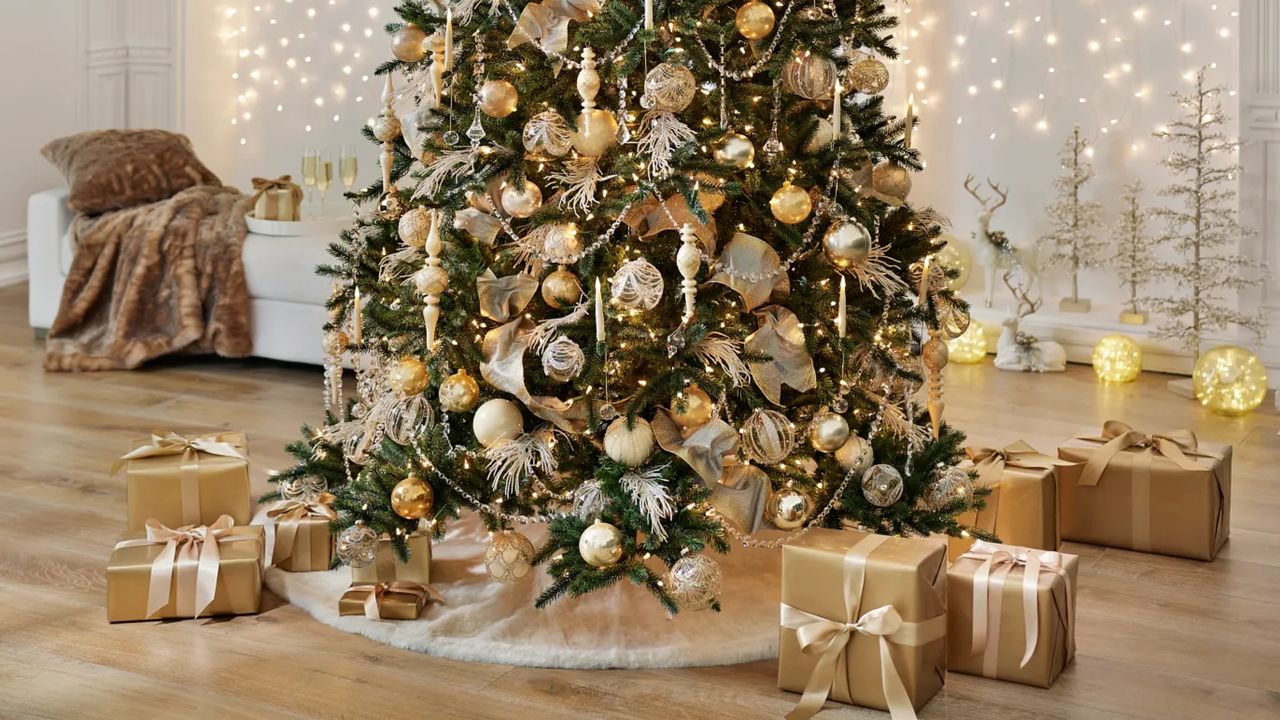
If you have a collection of Christmas ornaments passed down through generations that must go on the tree every year, I get it; my household is the same. Each year, a box of about 100 jumbled ornaments is brought down from the attic, and every single one is placed on the tree. It's certainly a sentimental way to do it, but if you're going for style, it's probably breaking several 'bauble rules' worth knowing about.
Whether you have a three-foot or twelve-foot tree, the right bauble ratio comes down to three main factors: the size and shape of your ornaments, the amount of lights on your tree, and how 'full' you want it to look. And yes — there's method to the madness. Following these bauble rules is crucial to ensuring your Christmas decorating ideas feel curated, not cluttered.
In my house, it's not officially Christmas until the tree goes up. There's something about the living room coming to life with twinkly lights reflecting off a medley of baubles that brings out little-kid levels of cheer. There's no time like the present to start planning how to decorate your Christmas tree, so here's what you need to keep in mind before you start.
1. The Bauble-to-Tree Ratio
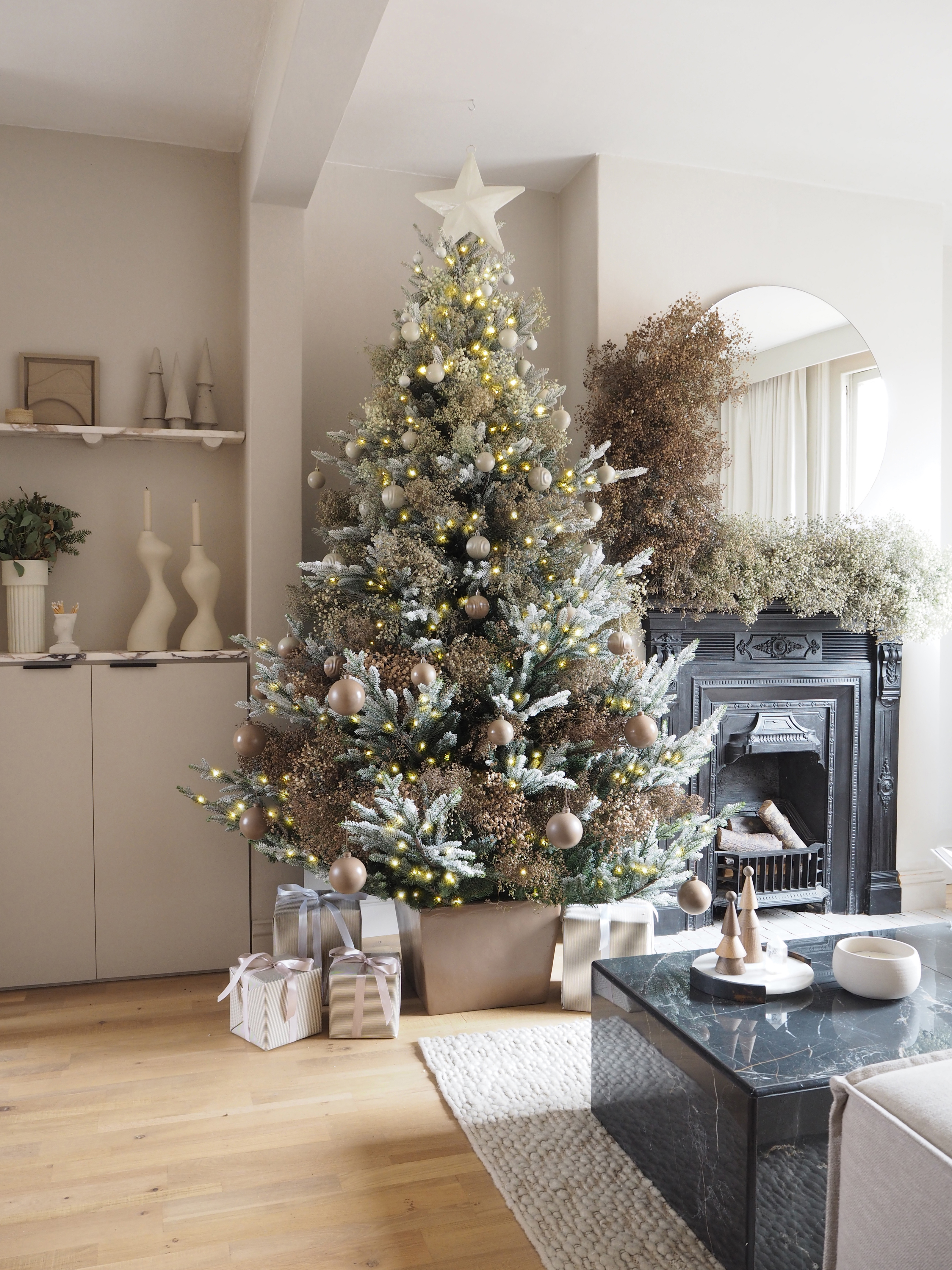
Let's start with the basics: how many baubles should you have based on the size of your tree? There are guidelines, but it also depends on the kind of look you're trying to achieve. That depends on whether you want a full and layered style or a more minimalist Christmas tree.
"I love the look of a Christmas tree that’s pretty heavily decorated, while still allowing a healthy amount of greenery to peek through," interior designer and decorating expert Kathy Kuo tells me. While the exact amount of baubles all depends on their size and shape, Kathy says, "a good range is 15-30 ornaments for a three-foot tree, 50-100 ornaments for a six-foot tree, and 150 plus ornaments for a large tree."
But it also depends on where you'll position your tree in your space, notes interior designer Brittny Button. "From how many sides will the tree be seen?" she says. "Is it only front-facing or 360 views, instead?" Answering these questions will help you determine how and where you hang your ornaments, meaning you may need more or less to ensure the right amount of coverage.
But, as with most things, it ultimately comes down to personal preference. "Truly, the limit for baubles does not exist!" says Kathy.
2. The Bauble-to-Lights Ratio
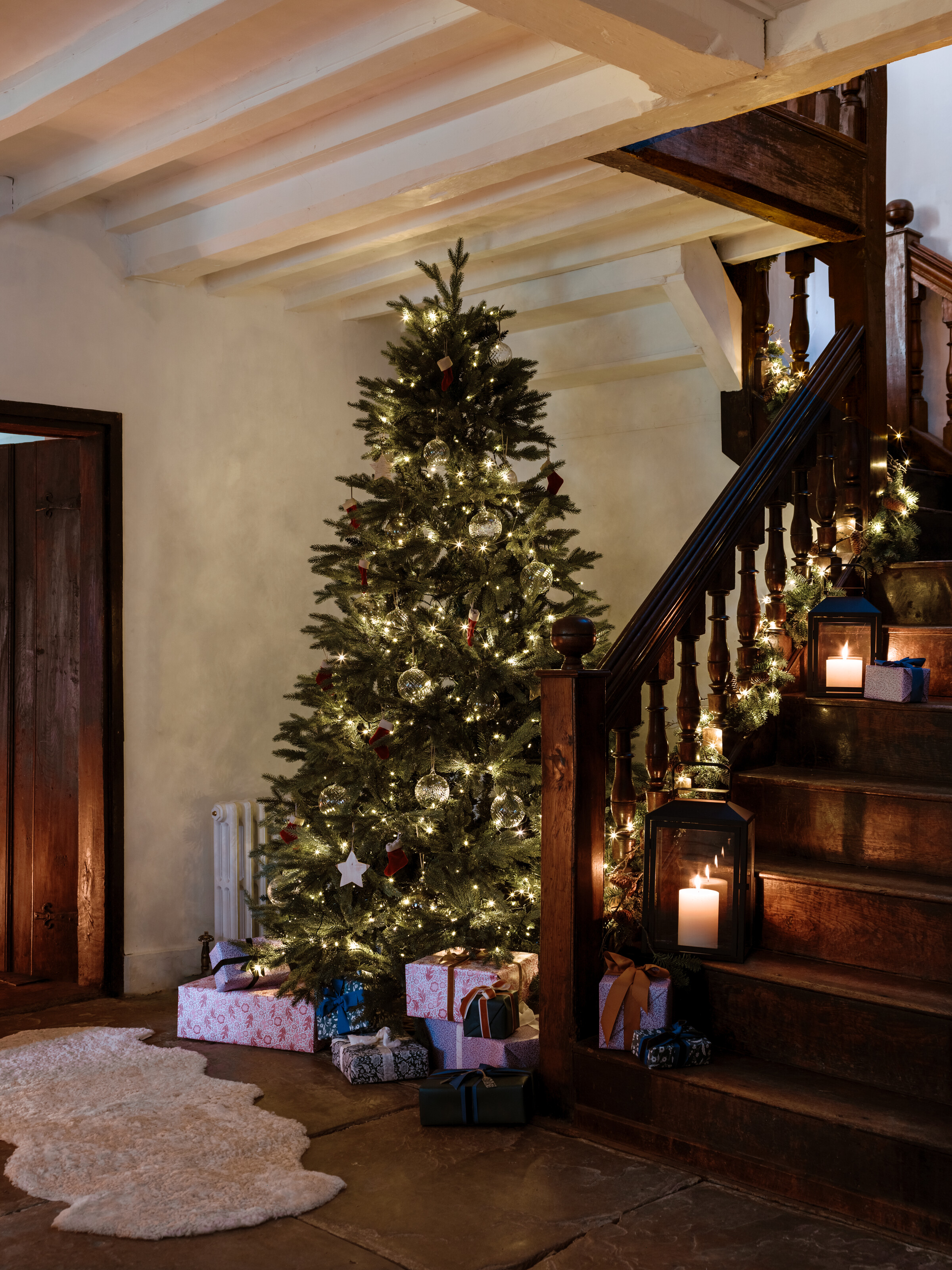
The next ratio to get right is notoriously hard: working out how many Christmas lights are needed to decorate the tree.
There's nothing better than the cozy glow of a Christmas tree in the cold winter months, but it's best to let the lights take a backseat role. "I like a tree that’s evenly lit from top to bottom, with the baubles as the star of the show and the twinkle lights illuminating them from behind," says Kathy.
Start by trimming the tree with your Christmas lighting of choice (you can never go wrong with warm lights, in my opinion), and add more or less as preferred. "Generally, 3:1 (lights to baubles) makes for a nice balance," says Brittny. "I think of lights as light, baubles as dark, and the mix of both makes the tree feel beautifully proportioned."
3. The Bauble-to-Bauble Ratio
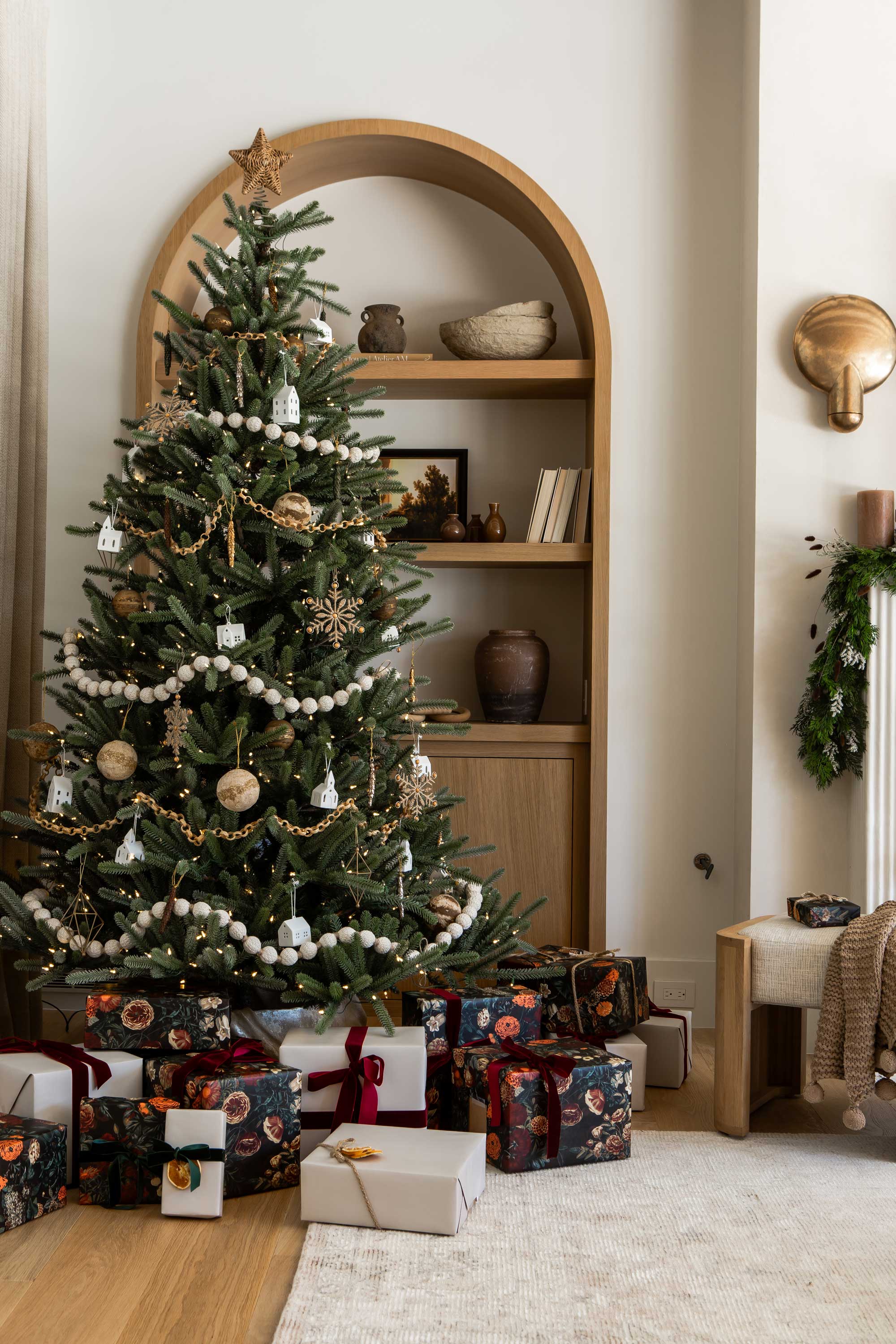
Finally, the fun part: picking out the different kinds of baubles you want to mix on the tree. For that, "Mixing bauble sizes is always a good idea," says Kathy. "This decorating approach creates a beautifully layered look with plenty of dimension."
Think flocked baubles next to chrome pieces, with velvet holiday bow decor mixed in — a good variety of textures and color will make your tree look more interesting and full of character. "I'll often pepper in natural materials as well to infuse extra texture and warmth, like pinecones or pampas grass stems tucked in between the tree branches," adds Kathy.
From there, you want to pull together an assortment of small, medium, and large baubles, and be sure to space each of the different sizes evenly across your tree (or at least the sides that will be seen).
For the most design-forward result, set parameters. "I try for there to be no more than five separate materials, and a maximum of three colors on one tree," Brittny says. Otherwise, it can get too busy and introduce too many competing 'design themes.'
If you have more baubles than you know what to do with, experiment by finding other places in your home to hang them: your mantel, door handles, or use them to style your festive table. Or you could opt for more than one Christmas tree, perhaps even 'twin trees'. "This season, I have a narrow grinch green colored twig tree with baby blue baubles, a three-foot powder blue tree with blush pink baubles, and finally a mini one-foot bright pink tree with acid green ornaments," says Brittny.
So, hopefully, now you have a little more Christmas tree decorating confidence going into the holiday season. Now you may want to consider sourcing the most stylish Christmas wreath.