The state of Ohio is moving towards passing a wide-ranging ban on drag performances, legislation that critics allege will stifle constitutionally protected free expression.
Last Wednesday, the Ohio House of Representatives passed HB249, known as the Indecent Exposure Modernization Act, which prohibits adult cabaret performances, including drag, outside of adult settings such as nightclubs or sex shops.
The bill, sponsored by Republican lawmakers, applies to a variety of performers including strippers, go-go dancers, and drag artists. In particular, the proposed law penalizes “performers or entertainers who exhibit a gender identity that is different from the performer’s or entertainer’s gender assigned at birth using clothing, makeup, prosthetic or imitation genitals or breasts, or other physical markers.”
The legislation comes as drag performances grow increasingly popular in the U.S., taking place in settings ranging from parades to libraries to traditional artistic venues. The performances have become a frequent target of conservative activists and lawmakers, who allege drag shows are often obscene and inappropriate for children.
Those found guilty of violating the proposed Ohio law could face felony charges and up to 18 months in prison.
“House Bill 249 is about protecting kids and restoring common-sense safeguards to protect their innocence,” one of the bill’s sponsors, Rep. Angie King, said in a statement after the House win. “Parents across Ohio want to know their children are safe and not exposed to adult performances or imagery. This bill closes loopholes in our law, strengthens protections for minors, and ensures that private spaces remain just that—private.”
As part of the push to pass the bill, GOP lawmakers referenced an incident in Xenia, in which a transgender woman who had not yet undergone gender reassignment surgery was accused of public indecency for using the women’s locker rooms at a local YMCA in 2021 and 2022. A judge found the woman not guilty.
Lawmakers said the Ohio bill would be used to “reinforce privacy in private spaces such as restrooms and locker rooms.”
“So long as I’m alive, I’m going to prevent perverts from exposing kids to obscene material,” Majority Whip Josh Williams said during debate over the bill and discussion of the Xenia incident.
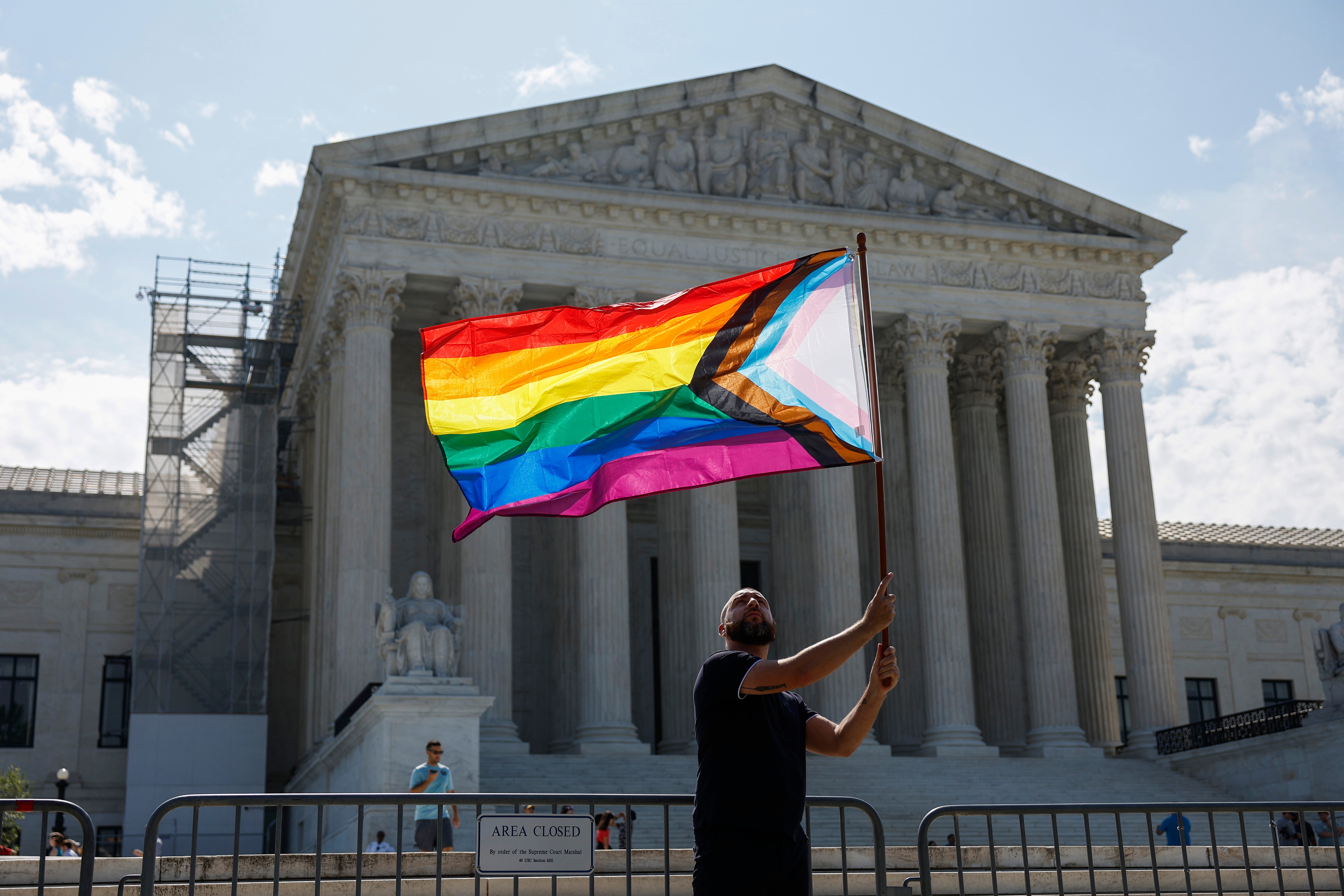
Critics allege that the proposed law restricts constitutionally protected free expression, and would criminalize transgender people using public spaces.
“[D]rag is protected speech just like any other art form,” the ACLU of Ohio said in a statement after the bill passed. “Dance, fashion, and music are all protected by the First Amendment. This bill is yet another attempt to silence and censor the LGBTQ community by denying drag performers their constitutional right to free expression.”
Democratic Rep. Dontavius Jarrells told WBNS that the bill unfairly singles out transgender and gender non-conforming people.
“When you talk about what this bill really is … it is an attack on human lives,” he said after the bill passed.
The Washington Post editorial board argues that the bill is unnecessarily restrictive, given that Ohio state law already criminalizes obscenity in the presence of minors.

“Giving the government far-reaching power to punish speech that crosses some arbitrary line inevitably means people will shy away from going anywhere near that boundary,” the board wrote on Sunday. “That’s censorship, plain and simple.”
Andrew Levitt, a nationally recognized drag artist who performs under the stage name Nina West, testified that drag also offered a safe place for many LGBTQ+ people.
“Drag is something that saved my life,” Levitt told lawmakers earlier this month. “When I met entertainers who are drag queens, they gave me a place to call home when I didn’t have a place to live, when I didn’t have the familial support that I was just so desperately needing.”
Ohio’s Republican-controlled Senate and governor’s office are yet to weigh in on the proposed bill.
Across the country, two states have specific drag ban laws, Tennessee and Montana, while four others have adult performance laws that could or already do apply to drag shows, according to the Movement Advancement Project, an advocacy group.
Federal courts have blocked the Tennessee and Montana laws, while a federal appeals court in February gave the green light to a similar Texas bill.
Student shoots teacher before fatally shooting himself at Texas high school
What to know about Montana’s new sex definition bill
US soccer team must be en vogue: Annie Leibovitz was at training
US measles cases just climbed to over 1,500, with surges in three states
Iran destroyed critical US radar plane in strike on airbase, images show
Minnesota sued by Trump administration over transgender athlete participation