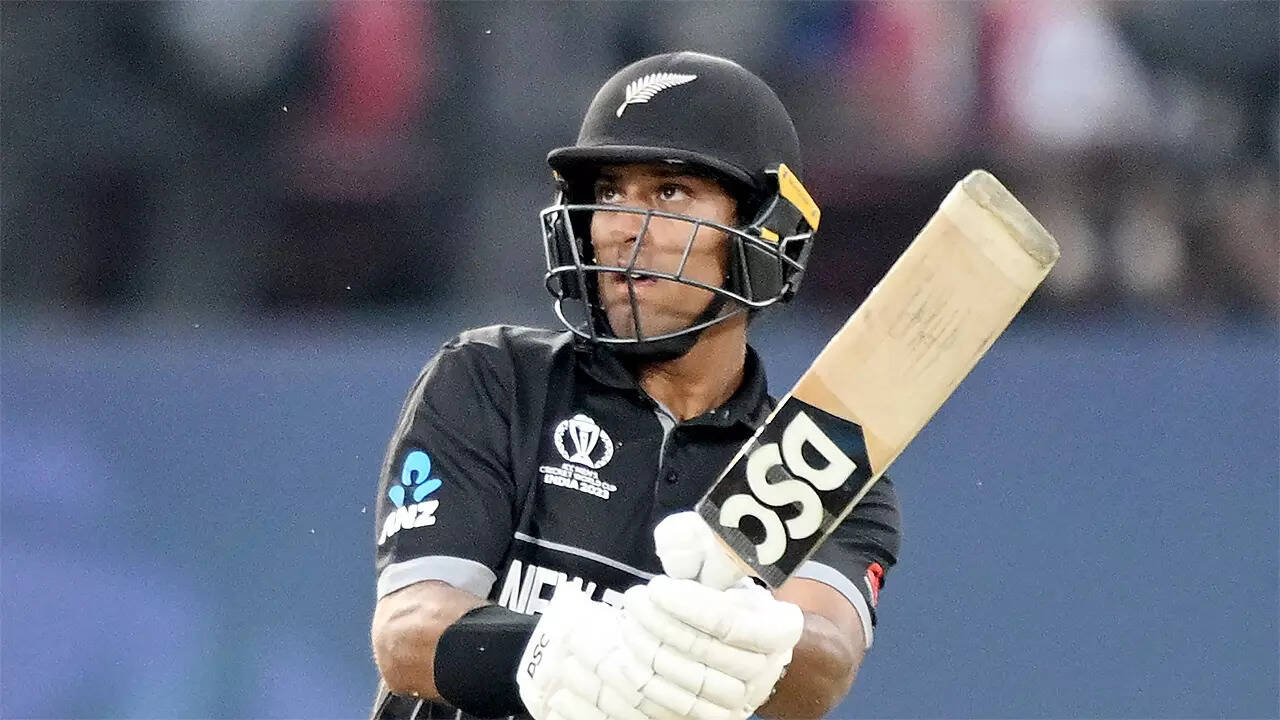
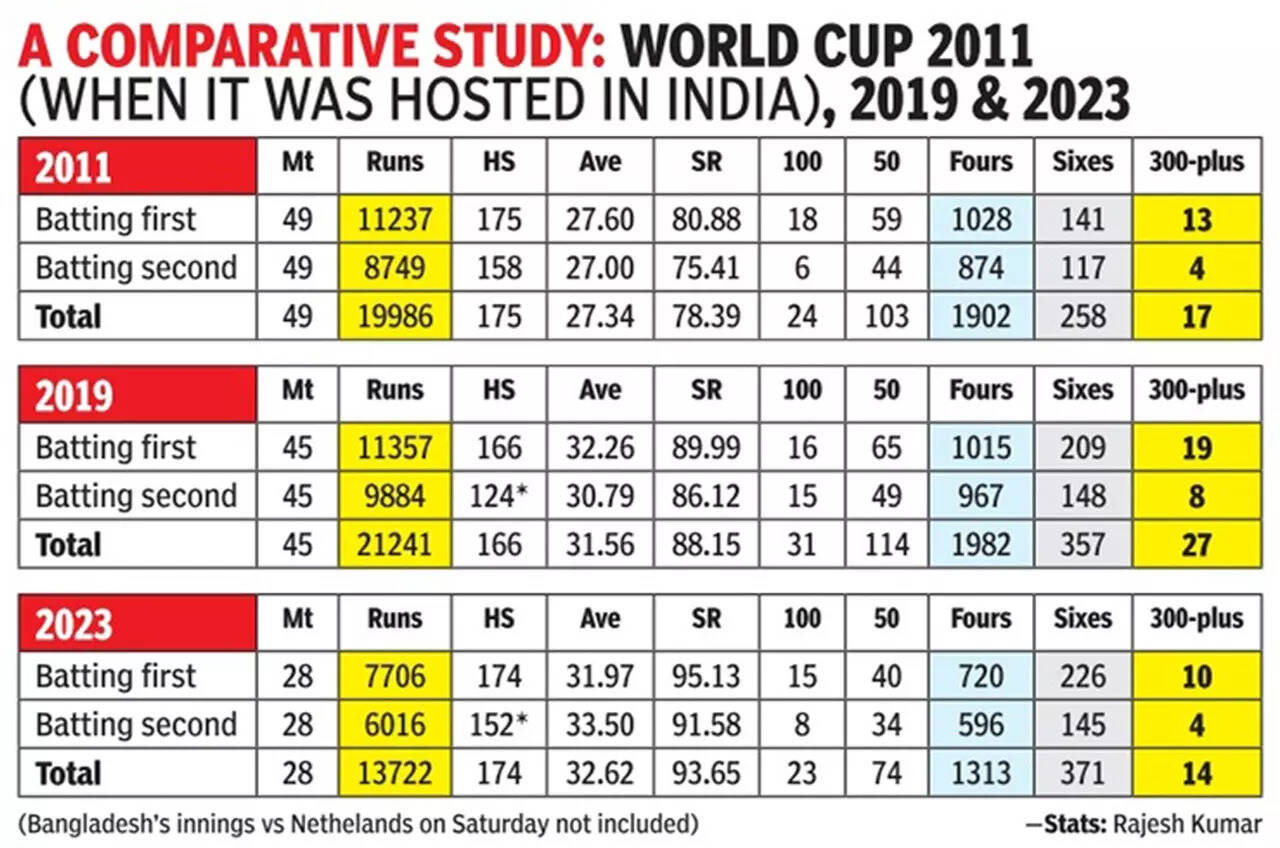
The ongoing ODI World Cup in India has seen a deluge of runs, with teams posting totals in excess of 350 with frequent regularity. Already, more than 1,300 fours and 350 sixes have been hit in the tournament. There have been centuries galore, the fastest century record at a 50-over World Cup has been broken twice in the tournament, the highest team total record (in ODI World Cups) has also been set, and teams have been going hell for leather right from the start. So what are the reasons behind such dominance?
TOI takes a look...
The primary reason are the pitches that have been served up. The Arun Jaitley Stadium in Delhi has seen runs scored at breakneck pace in the ongoing World Cup. The highest team total record (428/5) was posted at the Kotla by South Africa against Sri Lanka. Aiden Markram scored the fastest century (off 49 balls) in World Cup history in the same match, before Glenn Maxwell broke the record (40 balls) against Netherlands on the same ground. There is no semblance of turn, swing or seam, as the hapless bowlers have no place to hide. Bangalore's Chinnaswamy Stadium, a small ground, has also seen the bat holding sway.
Then there are centres like Chennai's Chidambaram Stadium, which tradition ally help spinners, or Dharamsala's HPCA Stadium, where the fast bowlers get appreciable movement. Other than the India-Australia match in Chennai, where the tweakers ruled, the wickets on offer at Chidambaram have not maintained their customary nature. Same is the case with the HPCA Stadium, where Australia and New Zealand posted the highest match aggregate (771/19) in a World Cup game. Something for the bowlers in the wicket not only narrows the gap between two unequal teams, but also makes the match far more competitive and more compelling.
Batters play in T20 mode in long phases
With the quantum of T20 cricket increasing every year, the effects of the slam-bang version are also taking over the general makeup of the sport. In the T20 version, batters run the risk of gifting their wicket away in lieu of trying to hit a bowler for sixes and fours. From the time the first T20 World Cup was played (in 2007), the sport has undergone extensive changes - especially the way batters approach batting now. Their appetite for risk, and the ability to turn risks into rewards have also increased. Due to T20 cricket, the batter is prepared to take risks from the word go and then keep it going. That's resulting in ODI centuries being scored off 70/80 balls.
Novelty in stroke-making
In the game between Australia and Netherlands, Glenn Maxwell reverse hooked a slower delivery on the sixth stump outside off from Bas de Leede 20 rows back into the stands at Kotla. It was an outrageous shot, but not something that a Maxwell or a David Warner, who reverse flicked a 152kmph delivery from Haris Rauf into the stands, have not done before. Batters are now inventing, innovating, adding strokes to their repertoire, and then reproducing them during high-octane matches. It's something cricketers of the generation gone by wouldn't even have dreamt of. It's daredevilry of a different level altogether that keeps the scoreboard ticking at a fast clip.
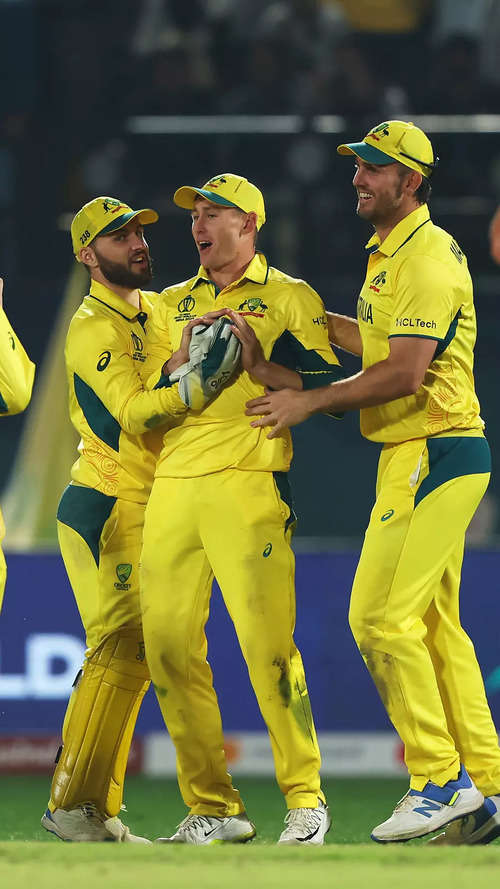
1/10:World Cup: Australia edge New Zealand in a high-scoring thriller
Getty Images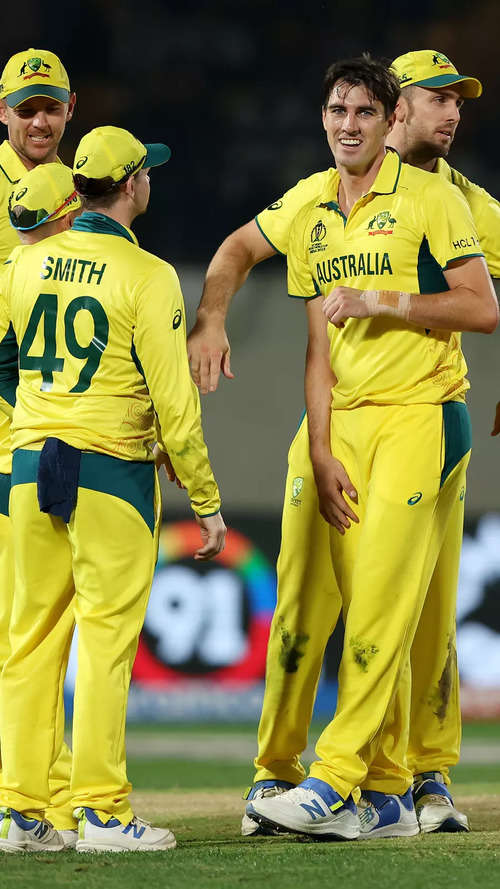
2/10:Australia win by five runs
Australia edged out New Zealand in the highest-scoring World Cup game in history.Getty Images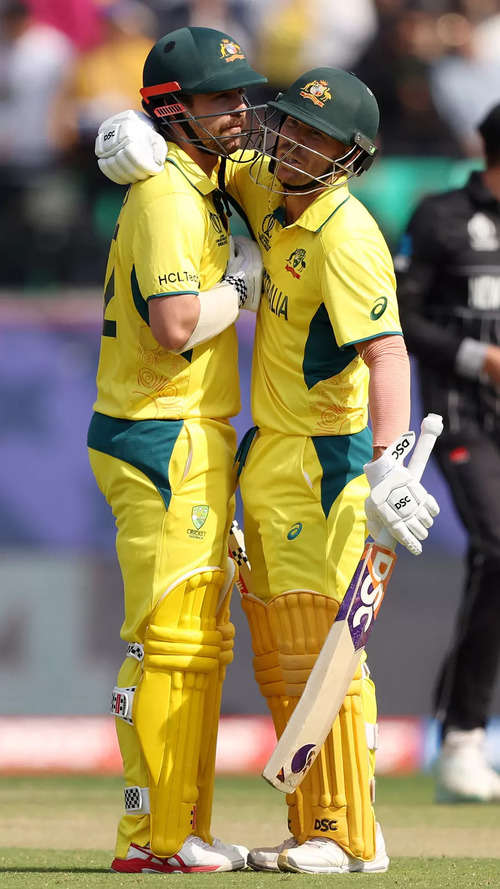
3/10:Head, Warner shine for Australia
Travis Head scored 109 and David Warner made 81 to lead Australia's batting.Getty Images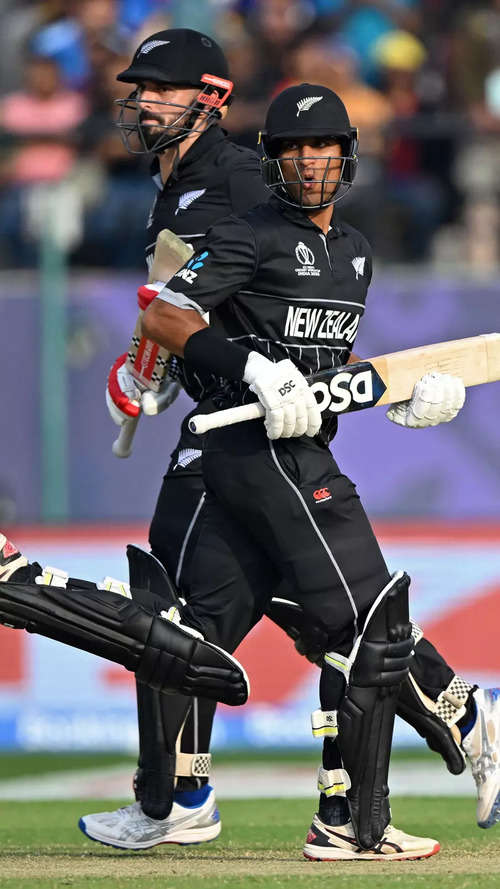
4/10:Ravindra, Mitchell fight hard for NZ
Rachin Ravindra scored 116 and Daryl Mitchell added 54 to keep New Zealand in the game.AFP
5/10:Neesham's late fireworks
Jimmy Neesham provided late fireworks with a 33-ball fifty for New Zealand.Getty Images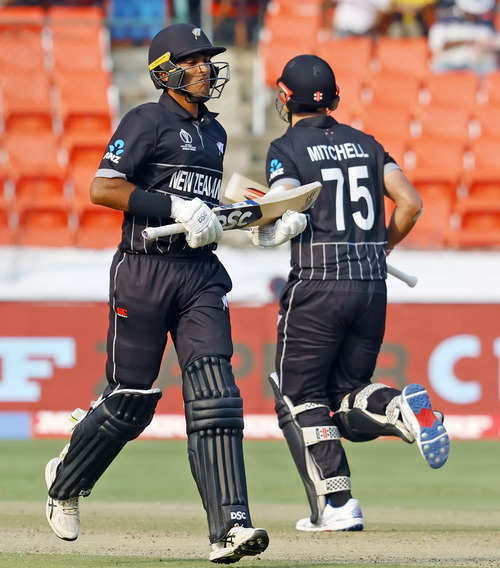
6/10:Highest-scoring World Cup game
The match between Australia and New Zealand set a new record for the highest total runs scored in a World Cup game, with a total of 771 runs.ANI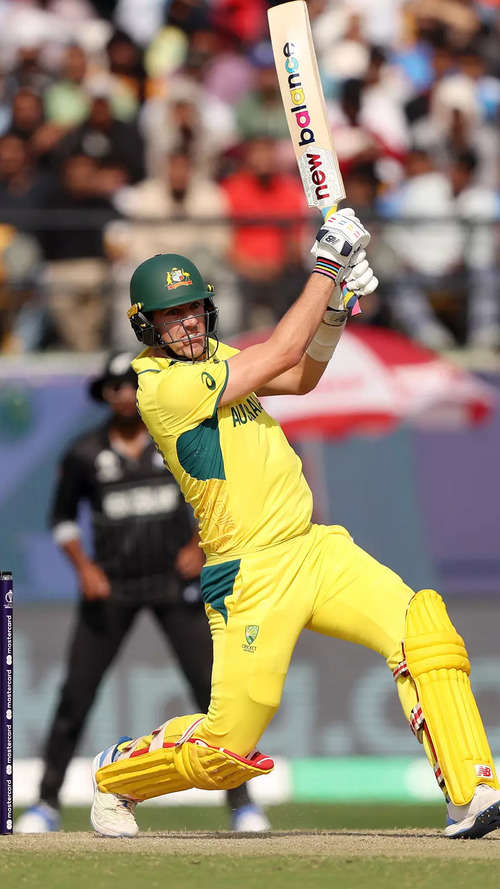
7/10:Cummins leads Australia to victory
Australia captain Pat Cummins (37 off 14 & 2/66) played a crucial role in guiding his team to victory.Getty Images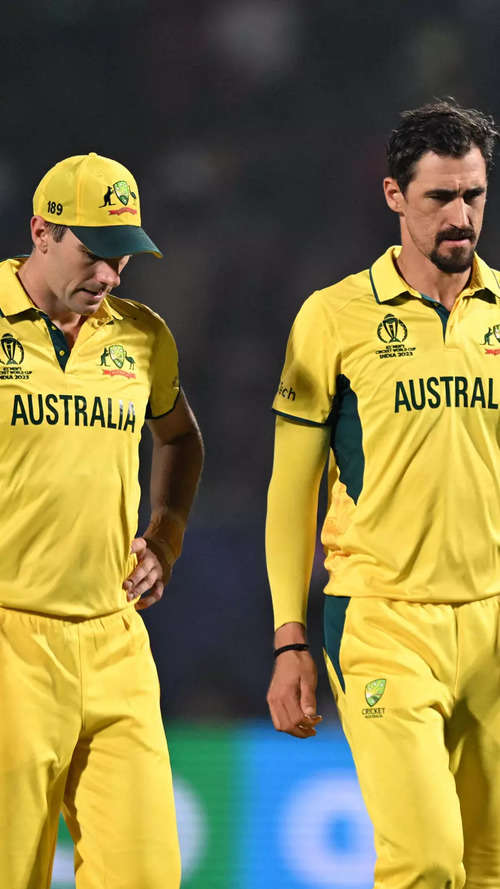
8/10:Dramatic final over
The match came down to a thrilling final over, with New Zealand needing 19 runs to win.AFP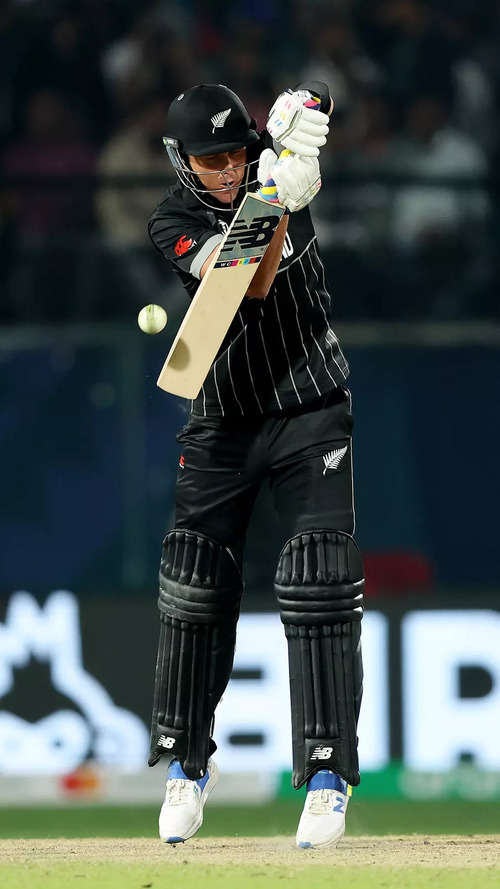
9/10:Boult, Starc in the spotlight
Trent Boult and Mitchell Starc play key roles in the final over, with Boult scoring a single and Starc conceding five wides.Getty Images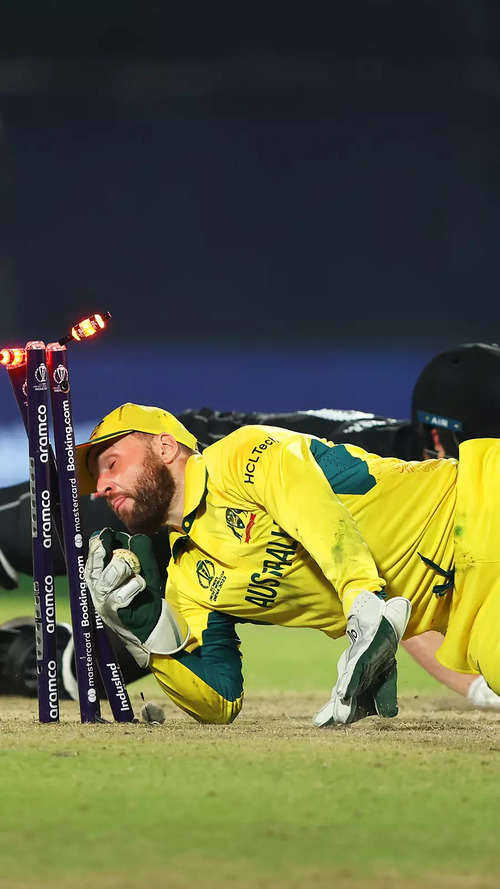
10/10:Labuschagne's fine throw
Marnus Labuschagne's fine throw from the fence resulted in a run-out for New Zealand's Jimmy Neesham.Getty ImagesLack of skillful death bowlers
World cricket, in general, is seeing a dearth of skillful death bowlers. Besides India's Jasprit Bumrah, there is hardly anyone who has the ability to bowl six consecutive accurate yorkers in an over. Other than his mastery over the yorker, Few bowlers can claim to have the skills to stop the run flow in the final overs on good batting tracks. Jofra Archer has those skills, but he isn't playing the World Cup. Kagiso Rabada seems to have lost control over the yorker. Mitchell Starc has a potent yorker but then there are times when consistency deserts him.