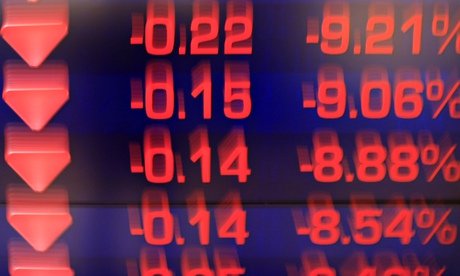
The steep fall in the FTSE 100 since the beginning of September has been neither sudden or precipitous, but day-in, day-out drops have driven the index down to a 15-month low, wiping billions off the value of pension funds and Isas. Wider concerns over global growth are also panicking international share and commodity markets. But what does this mean for your personal finances?
1. Pensions
Expect some grim news in your next company pension update. Most private sector employees now have ‘defined contribution’ style pensions wholly dependent on market movements. But the 8% fall in the FTSE since its high of 6878 in early September doesn’t directly translate into an 8% cut in the total value of your pension. Expect the cut to be closer to around 4-5%, as most pensions now only have around half their money in shares, with the rest in government bonds (such as ‘gilts’) and property investments. UK gilts have actually had a strong month, rising by 2.6% as virtually everything else has fallen.
2. Isas
If you invested your Isa in equities, recent months have seen some brutal falls. One of the most popular funds for small investors, the £6bn M&G Recovery fund, has fallen in value by a tenth over the past six months, losing investors £600m. Even Woodford Equity Income, which has attracted £3bn since launch in June on the back of star fund manager Neil Woodford’s reputation, has fallen by 2% over the past month and is now trading just a fraction above its launch price.
3. Petrol
It’s better news for motorists, with the price of Brent crude tumbling from $115 a barrel in June to $89.50, the first time it has been below $90 in two years. Over the past 12 months the average petrol price at British forecourts has dropped from 137.6p a litre to 127.6p, with the supermarket pushing prices below 123p in some locations. Thank weakening demand from China and huge shale oil production rises in the US for the cuts, more of which are expected in the coming weeks.
4. Food prices
Since May many agricultural commodities have tumbled on futures markets. Corn is down 35% (in dollar terms), soybeans 38% and sugar is down nearly 15%, although cocoa is up. Will this translate into lower food bills in British supermarkets? September’s inflation figures showed that falling food and petrol prices are already feeding through, and while the boss of Sainsbury’s is forecasting a ‘perfect storm’ for its shareholders, it’s good news for consumers.
5 Heating bills
More good news for households just as they have to turn on the radiators. After four years of 10%-plus price rises, bills are now coming down. Gas loosely tracks the price of oil and if falls this year are passed on (a big ‘if’, given the history of the industry) then energyhelpline says bills could drop by as much as 10%. There has never been a better time to switch providers; the typical dual fuel customer is currently paying around £1,330 a year but the best tarriffs are now heading below £1,000.
6. Savings rates
The risk of renewed recession in the eurozone means the chances of an early rise in UK interest rates are now virtually zero. Even the best instant access cash Isas now pay interest of just 1.55%, and, if anything, rates may drop from here in the short term. Locking away your money for longer pays more, but not much; the best five year cash Isa pays 2.8%.
7. Mortgages
The flipside of poor savings rates is better mortgage deals. Lenders are also desperate to shift loans after a regulatory clampdown earlier this year left them far short of target. Lloyds Bank cut rates by up to 0.4% on two and five year fixes on Thursday, with others following suit. The best two-year fixed rate is now just 1.89% (from Norwich & Peterbourgh) while a five-year peg can be found for 2.89% at Yorkshire building society - if you have a good deposit. But even those with just a 10% deposit can now find loan deals starting at just 3.75%.
8. Holidays
A big chunk of the cost of an airline ticket is for fuel, so the falling price of crude will keep costs down. But holidays to the USA may cost more as the dollar strengthens. Historically, market panics see outflows from emerging markets back to Wall Street, pushing up the value of the dollar. But as confidence in the European economy slides, sterling has jumped to a year-high against the euro, making trips to Spain and France almost a tenth cheaper than last year.
9. House prices
A slowdown in prices is already apparent, with surveyors reporting fading momentum across the UK. House prices rely on economic confidence as much as anything else, and could be dented if the European economy slides, although high population growth, weak supply and cheap mortgages mean a price crash is highly unlikely.
10. Gold
Since it peaked in August 2011 at $1,883 an ounce, gold has been sliding almost continously. This week it fell to $1,220, with few signs of buyers emerging as the metal loses its ‘safe haven’ appeal. At least afternoon telly is now largely rid of the ‘cash for gold’ adverts.