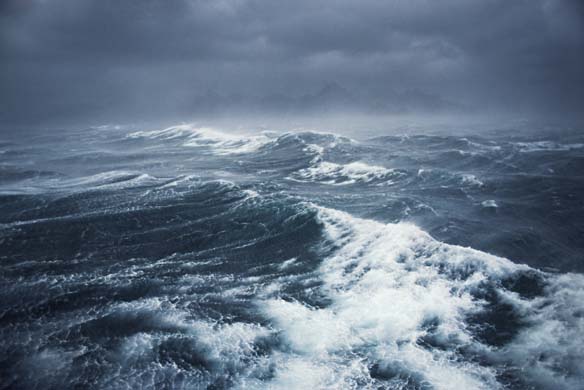
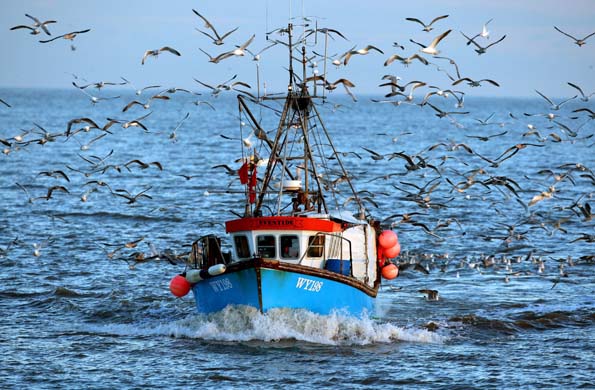
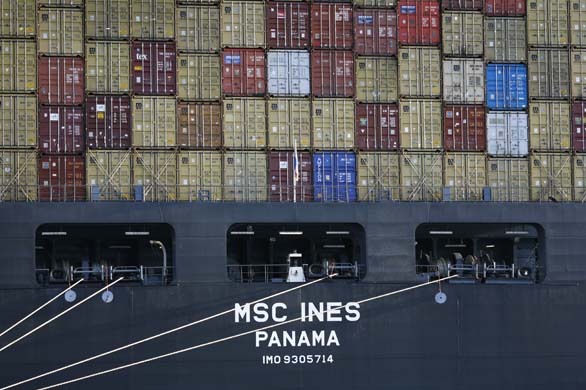
A hurricane over the ocean. Scientists are finally starting to see how humans are affecting the oceans through fishing, climate change and pollutionPhotograph: Doug Allen/GettyDirect human activity such as fishing have a substantial impact on oceans and ecosystemsPhotograph: Chris Radburn/PACargo containers on the MSC Ines ship at Felixstowe port, Suffolk. Container ships and traffic cause pollution in the oceanPhotograph: David Levene/freelance
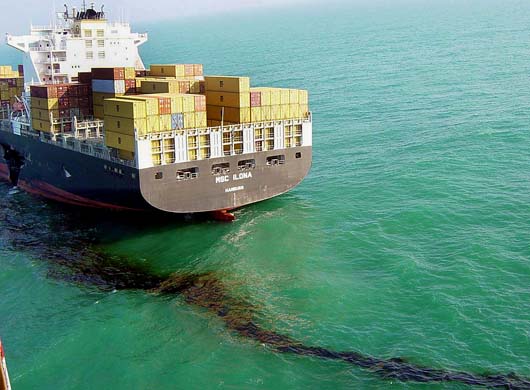
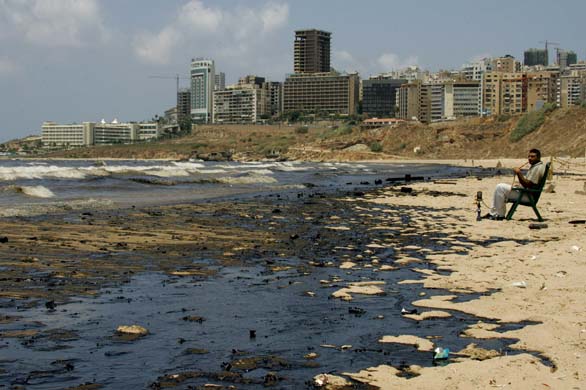
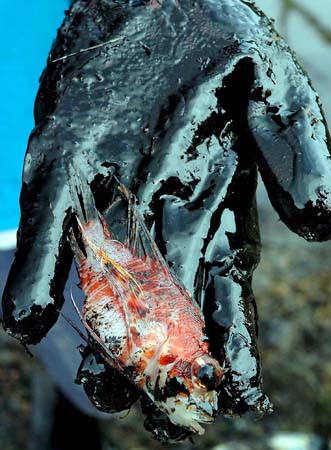
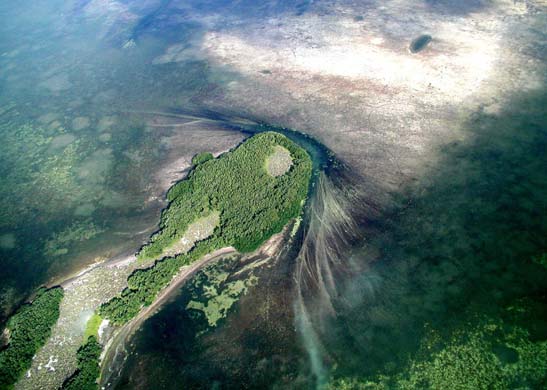
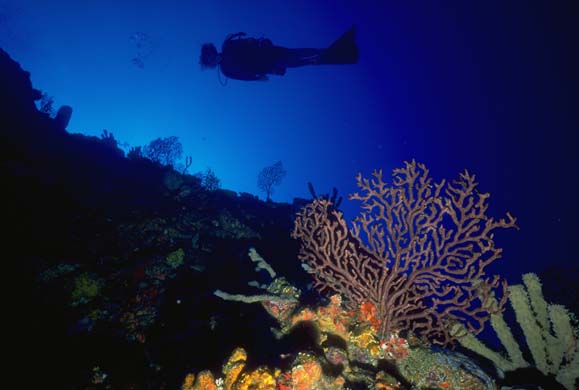
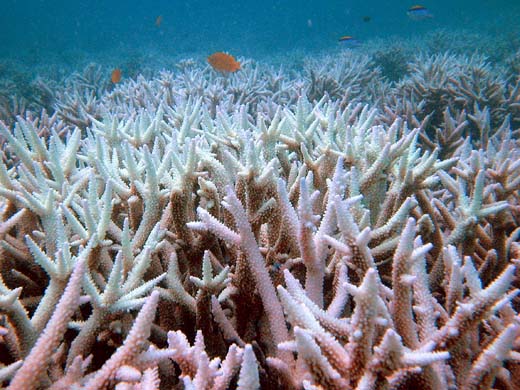
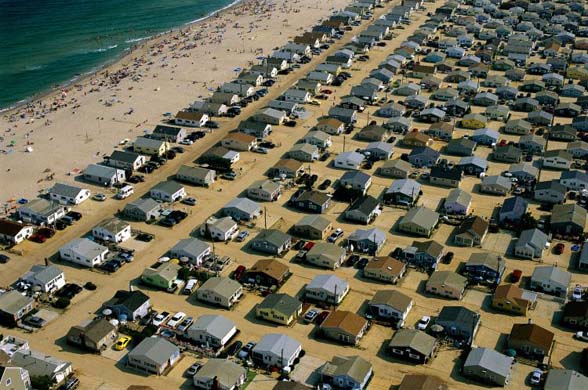
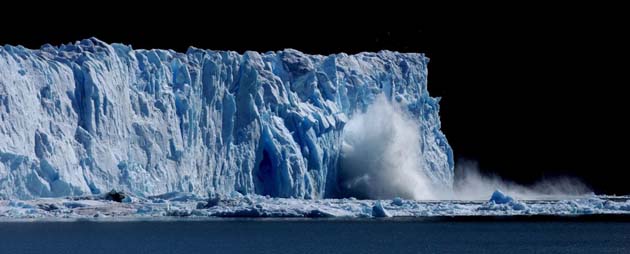
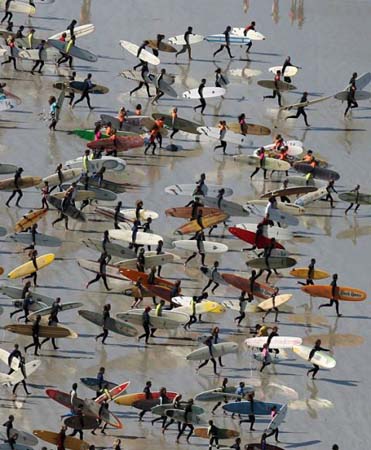
The MSC Ilona, a container ship, leaking oil from its fuel tanks into the South China Sea after a collision in 2004. The heavy oil leak spread into a slick about 17km long and up to several hundred metres wide Photograph: AFPRamlet el-Baida beach in Lebanon, polluted with heavy fuel oil in 2006 Photograph: Ramzi Haidar/AFPA Filipino man wearing oil soaking rubber gloves holds a dead fish after the sunken tanker off the coast spilled its 500,000 gallons of oil into the ocean in 2006. The spill has affected more than 200km of coastline, covering beaches and mangroves in black sludgePhotograph: Joe Hares/EPAAn aerial viewn of damage to seagrass near Crane Key in Florida Bay. Scientists also found that mangroves, seagrass and other ecosystems were also threatened by human activityPhotograph: Everglades National Park/APCoral reefs off Saba Island in the Caribbean. Coral reefs and rocky reefs have been heavily damaged Photograph: Stephen Frink/CorbisFish swim amongst bleached coral near Keppel Island in the Great Barrier Reef, Australia. Coral bleaching which is caused by above average water temperature is a side effect of climate changePhotograph: Ove Hoegh-Guldberg/APAn aerial view of Ocean Beach USA. Coastal development is another factor affecting oceansPhotograph: Amy Toensing/GettyIce falls from the Perito Moreno glacier in Argentina. The oceans at the poles are less affected but melting ice sheets will leave them vulnerable in the future, scientists sayPhotograph: Natacha Pisarenko/APSouth African surfers run into the ocean in Cape Town. Humans will always use the oceans for a variety of purposes, but a way to limit the impact needs to be foundPhotograph: Nic Bothma/EPA
Sign up to read this article
Read news from 100’s of titles, curated specifically for you.