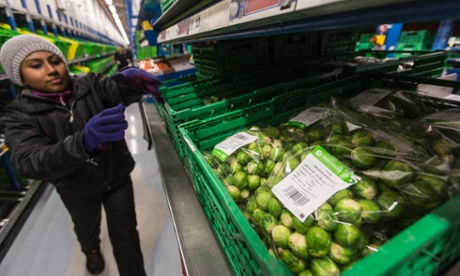
Around £450m has been spent building Ocado over the past 15 years so, viewed through that lens, the first apperance of a pretax profit, of just £10.1m, is not much to shout about.
If the above sounds churlish, it’s not meant to. Ocado is in the happy position of being funded for its first decade by investors who were prepared to take a very long-term view of the online grocery revolution. Even after flotation in 2010, management came under little pressure to alter its mantra of “investment comes first”.
The only real danger came in late 2012 when funding became tight. But Ocado got a new £100m banking facility and £36m from shareholders. The share price took off from a low of 50p in January 2013, quickly passed the float price of 180p, and touched 600p a year ago after signing a partnership deal with Morrisons.
It is 436p today, making the company worth £2.5bn. Chief executive Tim Steiner is entitled to crow. If you sold all your shares in Tesco, Sainsbury’s and Morrsions in 2010 and stuck the proceeds into Ocado at float, you would’ve done very nicely. Eat your heart out Sir Terry Leahy, ex-Tesco boss and chief Ocado sceptic of old.
For all that, share price still seems priced for perfection. Operating cash flow last year was only £74.6m, which hardly justifies a £2.5bn valuation for a business growing revenues at 15%. The hope, of course, is that Ocado will be able to sell its model and expertise to retailers around the globe. Steiner says the first such deal could be struck this year.
One assumes he is confident, otherwise he wouldn’t been raising expectations now. But the deal closer to home – with Waitrose – remains far more important. The next potential break-point is March 2017 and relations in the past have been frosty. Viewed from outside, it seems commercially rational for both sides to renew. But, you never know how negotiations will turn out.
The Ocado brand, conceivably, is now strong enough for the group to pursue the DIY option of seeking its own deals with suppliers. But the hassle factor would be immense. That lingering risk is the reason why Ocado seems fundamentally overvalued.
It’s a pioneer, with a stunning record of defying the doomsters. But a 15-year wait for pretax profits may be followed by a 15-year wait for dividends. Despite the commendable focus on long-term horizons, that still matters.