The Wildlife Crime Unit (WCU) of the Metropolitan Police was an unloved and underfunded department, and in 2010 it was threatened with closure. For the UK branch of World Animal Protection, a global organisation dedicated to combating animal cruelty, this was unacceptable, and they began a campaign to save it. But their campaign was unusual: it involved an NGO directly paying for police work.
“We offered to fund-match the government for two years,” explains Alyx Elliott, the head of campaigns. “It was controversial within the NGO community, and we didn’t want to set a precedent for private companies funding police work. But we don’t regret it. There was no other option.”
The organisation provided a total of £200,000 until 2012, which allowed the unit to continue its work, while Elliott and her colleagues raised public awareness of wildlife crime. Their mission was a great success: more funding was put in place for 2012-14, and then last year it was announced that the unit would be fully funded – formal recognition of the importance of tackling this issue.
“It’s hugely misunderstood,” Elliott says. “Some people think of wildlife crime as ivory smuggling or deer poaching – something that happens abroad, in Africa, for example. But it covers a multitude of things: badger baiting, bird-of-prey persecution, bat roost disturbance. Then there’s the exotic side: people owning pets without the correct paperwork.”
As well as preventing cruelty, they have found that there’s a strong link between other types of crime and wildlife crime. “Rhino horn is more expensive than cocaine. A carp bought for €300 on the European mainland can fetch £3,000 here. A couple of years ago 180 people were arrested for hare coursing in Lincolnshire, and all but one of them were already known to police.
“Our job is to help people realise that there are these problems on their doorstep, as well as internationally. Wildlife crime should be reported like any other – call 999 if you see it happening, or 101 for suspicions or evidence.”
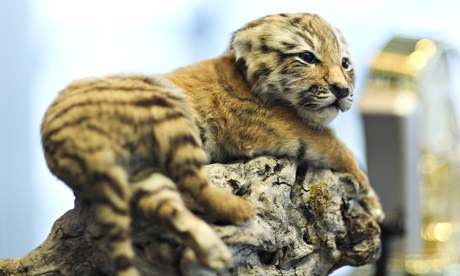
For Elliott, who studied environmental ethics at university, there is an element of personal satisfaction as well as the professional success. “I got into it to make a difference for the animals, to do the right thing. That’s what gets me up every day. And things are improving. We are in constant dialogue with the CPS and the police, and they are open to ideas. The WCU secured another conviction last week, for someone making jewellery out of big cat claws – tigers, jaguars etc. Without the work we’d done, the unit wouldn’t exist. It’s very satisfying.”
Runner-up: Dartmoor Pony Training Centre