The chairman of the Office for Budget Responsibility (OBR) has resigned over the early publication of the watchdog’s forecasts.
Richard Hughes said he was resigning to allow the OBR to “quickly move on from this regrettable incident”.
His resignation follows publication of a report that described the leak as “the worst failure in the 15-year history of the OBR” and strongly criticised the watchdog’s processes for protecting sensitive information.
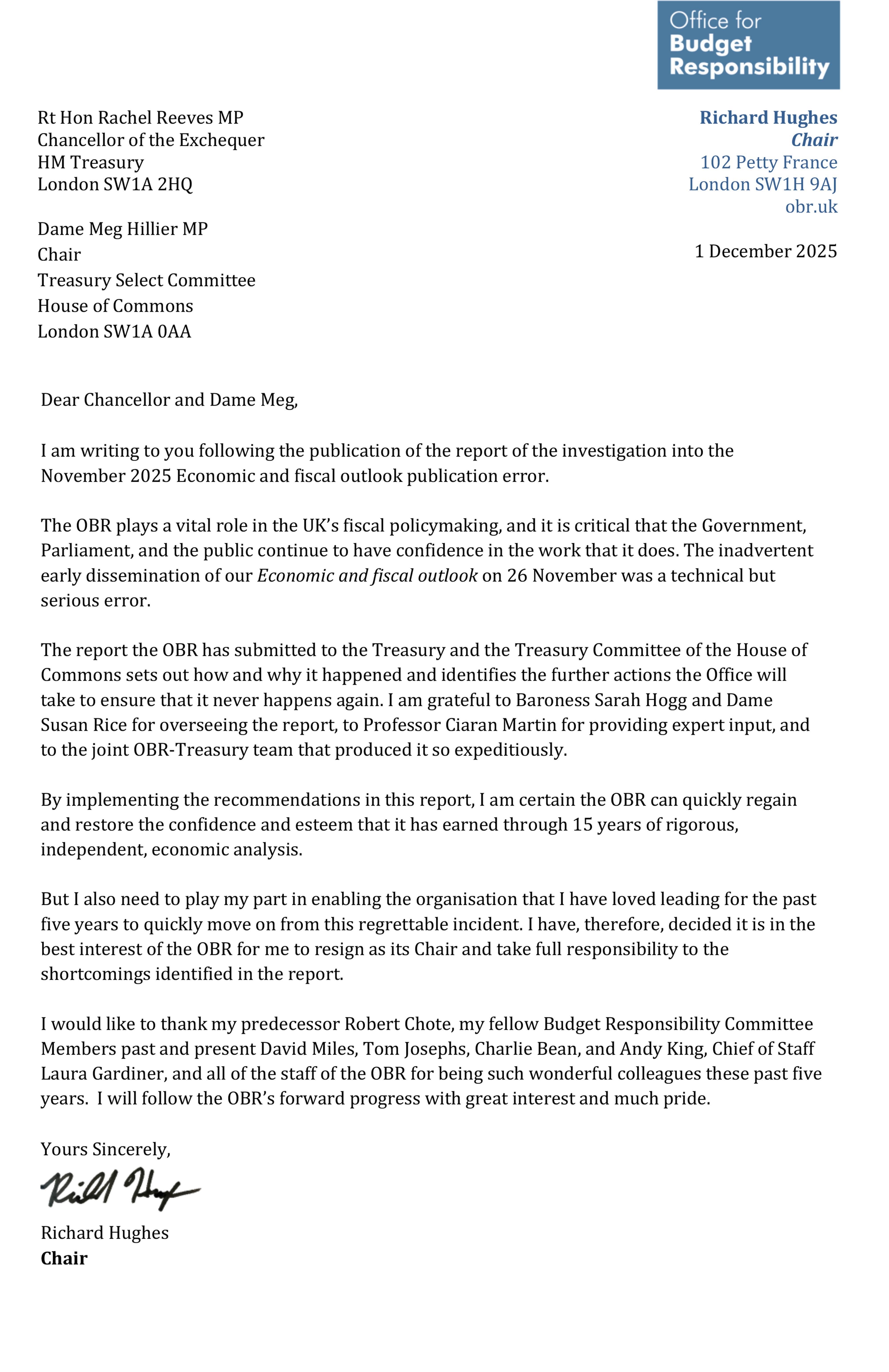
In a letter to the Chancellor and the chairwoman of the Commons Treasury Committee, Mr Hughes said he took “full responsibility” for “the shortcomings identified in the report”.
He said: “By implementing the recommendations in this report, I am certain the OBR can quickly regain and restore the confidence and esteem that it has earned through 15 years of rigorous, independent economic analysis.”
Mr Hughes has served as chairman of the OBR since 2020 and was reappointed to the job for a second five-year term in July this year.
Speaking in the Commons as the news of the resignation broke, Chief Secretary to the Treasury James Murray offered the Government’s thanks to Mr Hughes “for his dedication to public service”.
Later, the Chancellor herself offered her thanks for Mr Hughes’ “many years of public service”, adding: “This Government is committed to protecting the independence of the OBR and the integrity of our fiscal framework and institutions.”
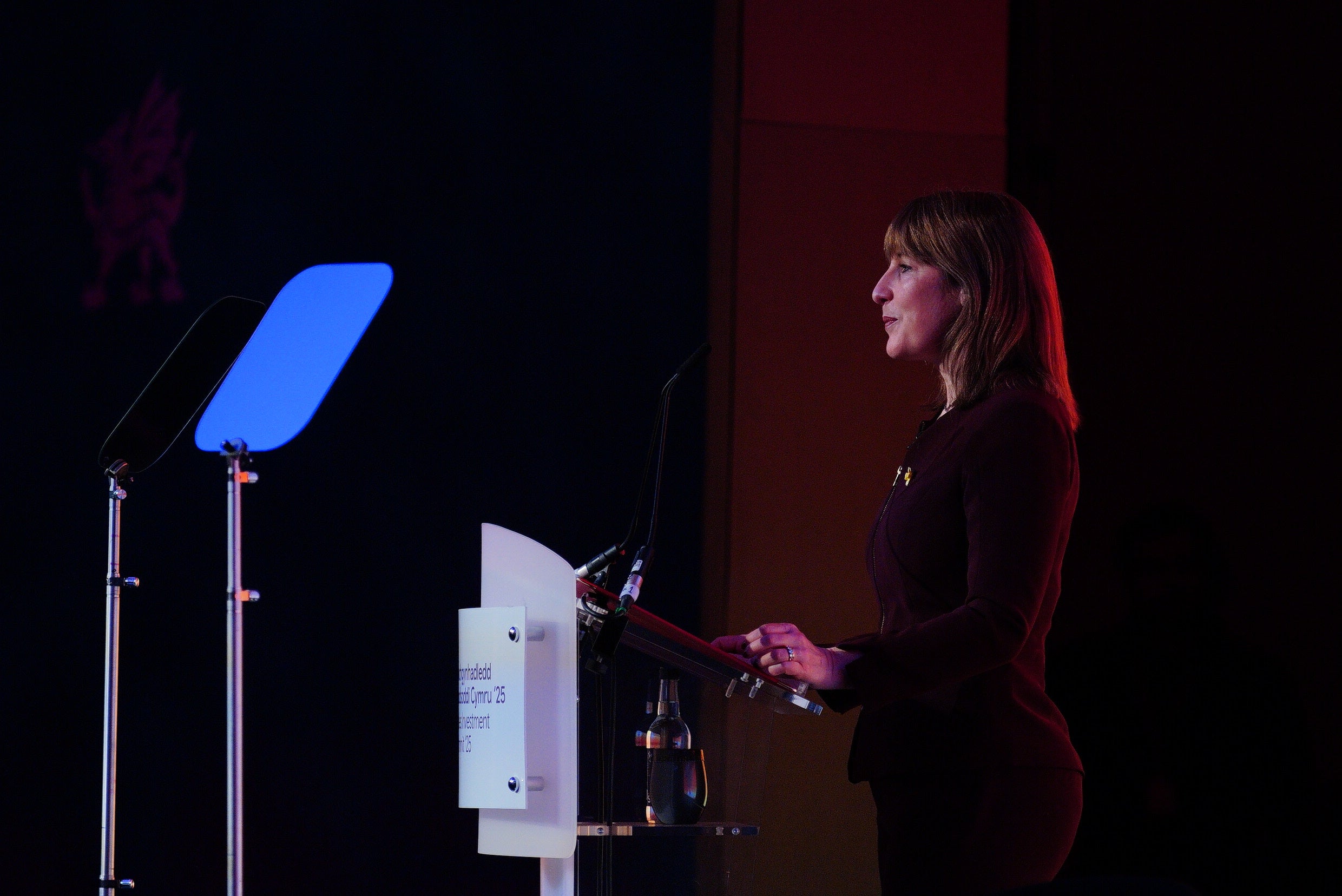
Conservative leader Kemi Badenoch accused the Chancellor of using Mr Hughes as a “human shield” and called on Rachel Reeves to resign.
Liberal Democrat Treasury spokeswoman Daisy Cooper said Mr Hughes was “a dedicated public servant” who had “rightly taken responsibility for a failure on his watch”, adding the OBR needed to learn from its “catastrophic error”.
Treasury Committee chairwoman Dame Meg Hillier also thanked Mr Hughes, saying: “I commend his decision to take full responsibility for the incident and I wish him well for the future.”
The Treasury said it would begin the process of finding a replacement for Mr Hughes “in the coming weeks”.
The OBR launched an investigation after official forecasts were uploaded to the watchdog’s website, releasing details of the Budget almost an hour early.

In a report published on Monday, the OBR said the leak had been “seriously disruptive to the Chancellor, who had every right to expect that the (forecasts) would not be publicly available until she sat down at the end of her Budget speech”.
Noting Mr Hughes had already “rightly” apologised for the leak, the report said it was “not a case of intentional leakage” or a matter of pressing publish too early.
The OBR said it was caused by two errors linked to the WordPress publishing site it used.
The report into the incident said that, while it knew web addresses for its files follow a pattern, it assumed “the protections provided” by WordPress “would ensure it could not be accessed”.
Richard Hughes has written to the Chancellor of the Exchequer and Chair of the Treasury Select Committee to submit his resignation as Chair of the Office for Budget Responsibilityhttps://t.co/o8OAWPcEhV
— Office for Budget Responsibility (@OBR_UK) December 1, 2025
But two configuration errors were the technical causes of the premature access.
The forecast for the last spring statement in March was also “accessed prematurely” on one occasion, the report noted, but concluded that no activity appeared to have been taken as a result and the most likely explanation is “benign”.
The report recommended a review of the watchdog’s processes for publishing such documents.
“To rebuild trust, the leadership of the OBR must take immediate steps to change completely the publication arrangements for the two important and time-sensitive documents containing the results of its biannual forecasts that it publishes in a normal year, and review arrangements for all other publications,” the report said.
One option would be for the watchdog to use the Government’s digital architecture but publish when it wants.
Another would be to have the Treasury publish the forecasts for the Budget and spring statement, but this would only work if safeguards for “real and perceived independence” could be put in place.
There may need to be an interim solution, the report noted, but said new arrangements must be in place in time for the next statement in spring 2026.
If Rachel Reeves was CEO of a company she’d have been fired by now
King strips Andrew of Garter and Royal Victorian Order honours
Scotland could ‘lose our high streets as we know them’, retailers warn
OBR chief resigns after report blames leadership for Budget blunder