A procedure which helps obese people to lose weight by reducing blood flow to the stomach could become a cheaper and less risky alternative to other surgeries, a clinical trial suggests.
Researchers leading tests of the recently developed technique, known as bariatric embolisation, showed that over a year severely obese patients shed around 10 per cent of their body weight.
They also reported having a reduced appetite, feeling full more quickly, and showed promising early signs that their cholesterol was going down.
“This is a great step forward for this procedure establishing early feasibility, safety and early efficacy,” said Dr Clifford Weiss, lead author of the study from the Johns Hopkins University School of Medicine.
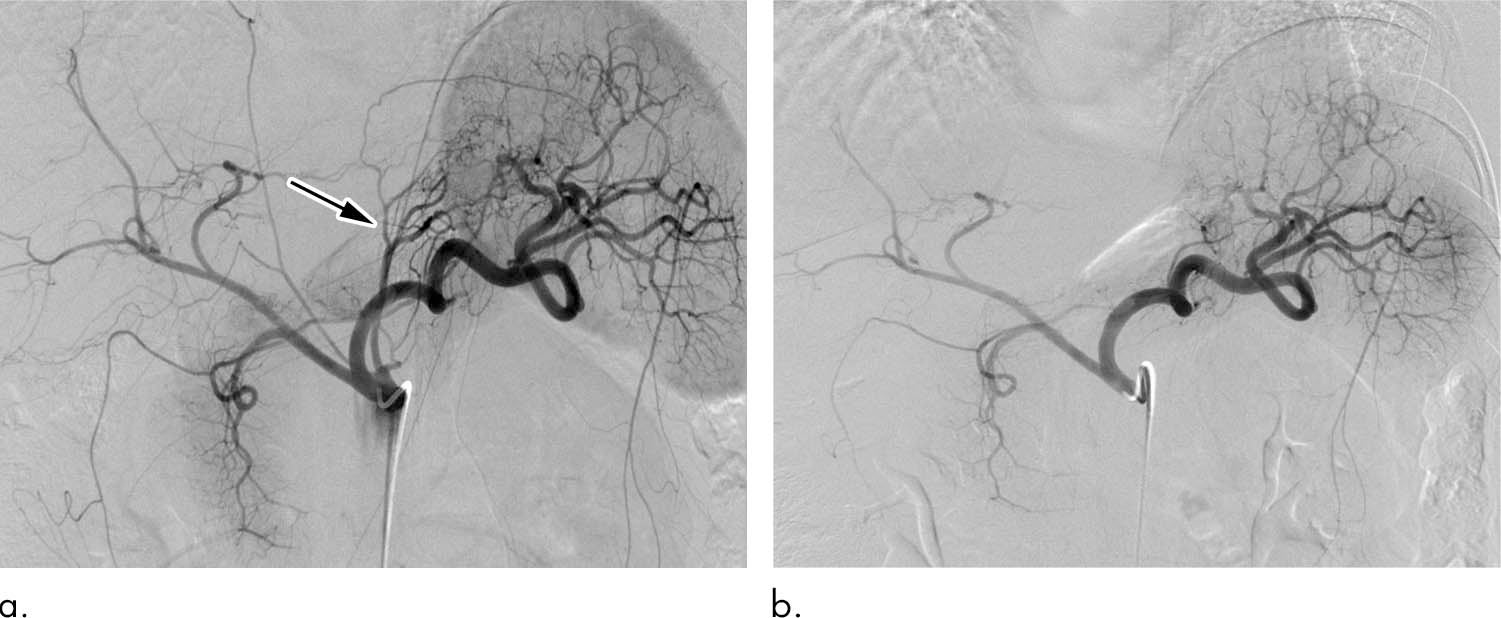
The pioneering procedure works by using a tubular catheter to access the blood vessels and place microscopic beads which block off some of the arteries leading to the stomach.
This reduces the blood flow enough to prevent the stomach releasing hunger-triggering hormones, but not enough to cause damage.
Obesity is a growing public health crisis in developed countries like the US and UK. Britain is already the fattest nation in western Europe and this is driving rates of type 2 diabetes, heart disease and cancers.
This places a significant burden on health systems, and while weight-loss surgeries are shown to be effective in reducing obesity, financial constraints mean the NHS has been reduced to rationing these as well.
Embolisation is already used to shut off blood flow to a weak or damaged blood vessel – aneurysm repair – and a way to starve cancerous tumours of oxygen.
While it is still in early stages in weight loss, bariatric embolisation instead of gastric bypass, where the small intestine is attached to a pouch at the top of the stomach, or gastric bands which pinch the stomach to make a person feel full quicker, with less risk of infection and complications.
The 20 patients in the trial, which is published in the journal Radiology on Tuesday, lost 8.2 per cent of their excess weight in the first three months and had lost 11.5 per cent of their weight by the end of the trial.
Crucially the participants all reported that their quality of life had improved as well.
Larger trials with more patients will be needed to rule out the possibility that the weight loss is just a temporary placebo effect, but it looks at present like a future option to help combat obesity.
“It is fulfilling to all of us to see something that started as an idea develop through about a decade of research and then go all the way to an initial clinical trial,” Dr Weiss said.
“The reality is that obesity itself is an individualised disease that requires individualised treatments.”