NOGALES, Arizona (Reuters) - More than two thousand miles away from the healthcare debate in Washington, President Donald Trump's threats to let Obamacare collapse are sowing confusion about its fate and dampening 2018 enrollment expectations.
The uncertainty here in Arizona, echoed in interviews across the country, shows that even though they have not been able to repeal former President Barack Obama's signature healthcare law, the Republican effort to undermine it is gaining traction.
"What's confusing quite often for me is the rhetoric," said Rosemary Dixon of Yavapai County, Arizona, who underwent a kidney transplant in 2015 and has insurance through the Affordable Care Act, known widely as Obamacare.
She plans to sign up for next year, but worries that she could lose medical benefits that she credits with saving her life.
Over the first nine months of his presidency, Donald Trump has repeatedly claimed Obamacare is "dead" and vowed to let the law "implode." Republican lawmakers have tried to pass legislation multiple times this year to repeal and replace the national health program.
Even after Congress failed to vote on a repeal last week, Trump claimed - without evidence - that Republicans had the votes to still do it.
Knowing Republicans have vowed to keep trying until they succeed, consumers are increasingly hesitant to sign up, according to Reuters interviews with half a dozen enrollment groups, as well as industry experts and people looking to get insurance next year.
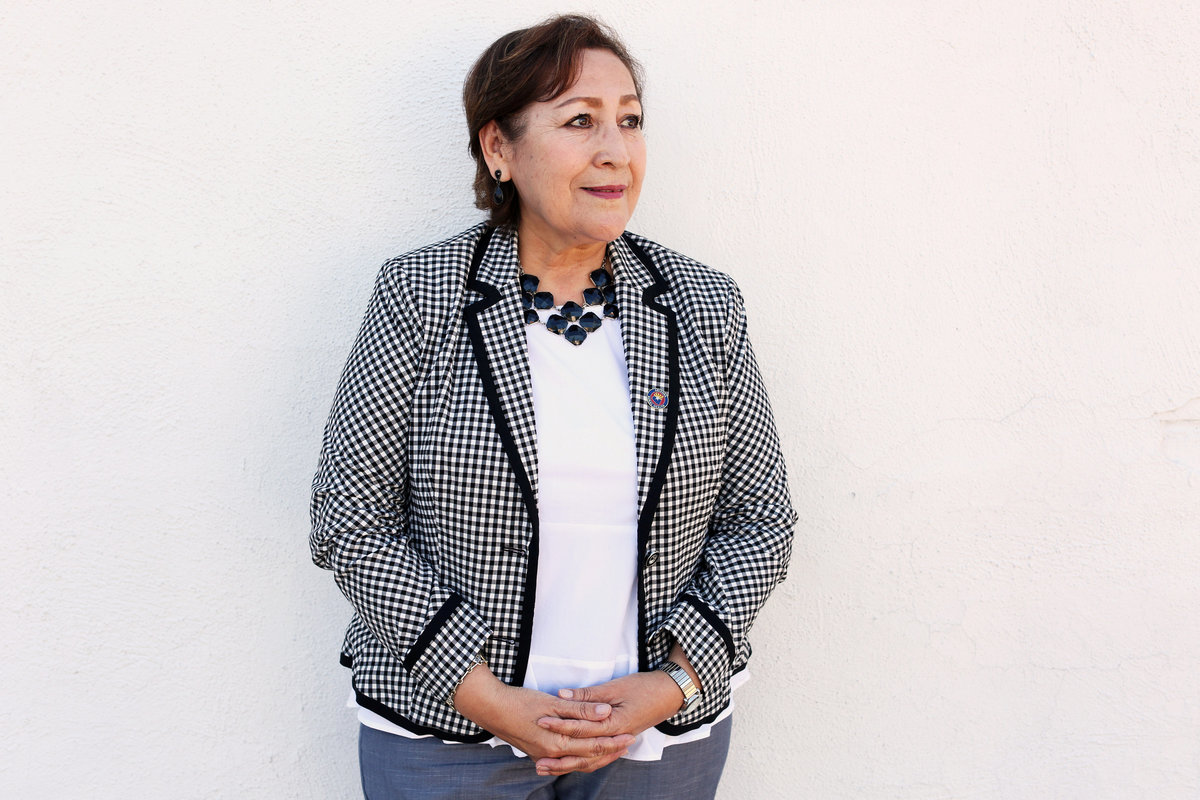
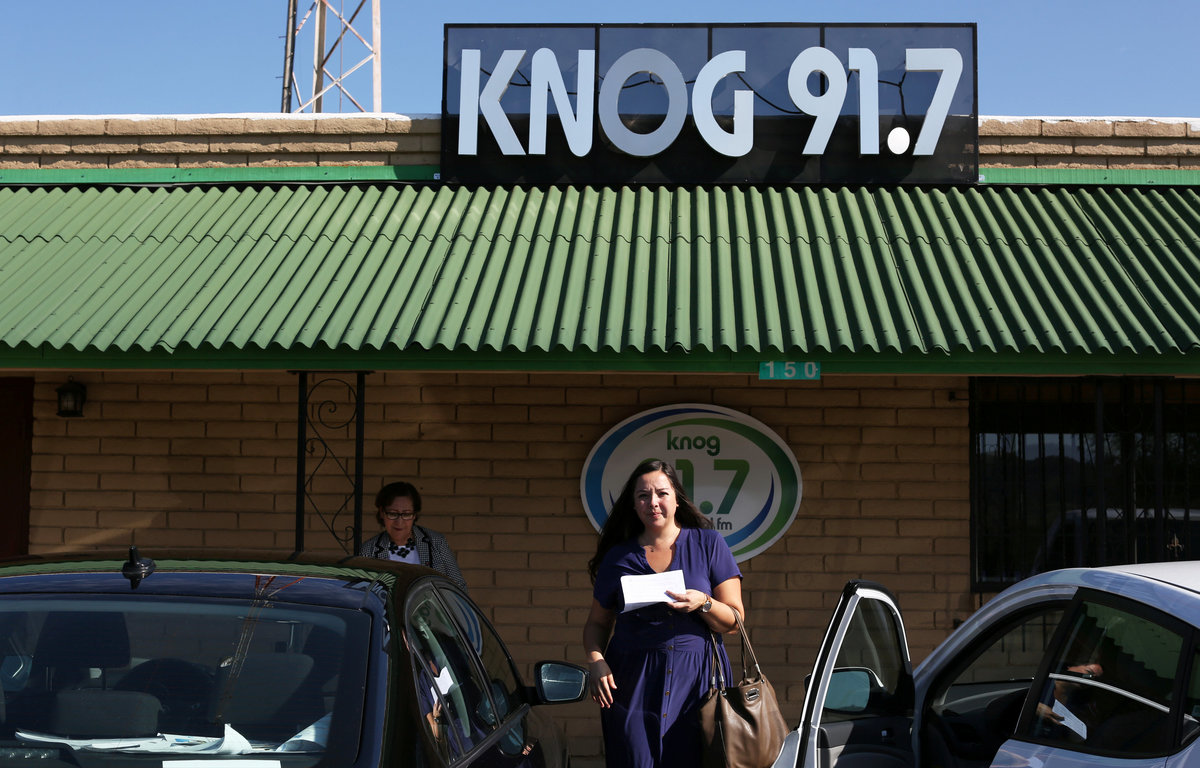
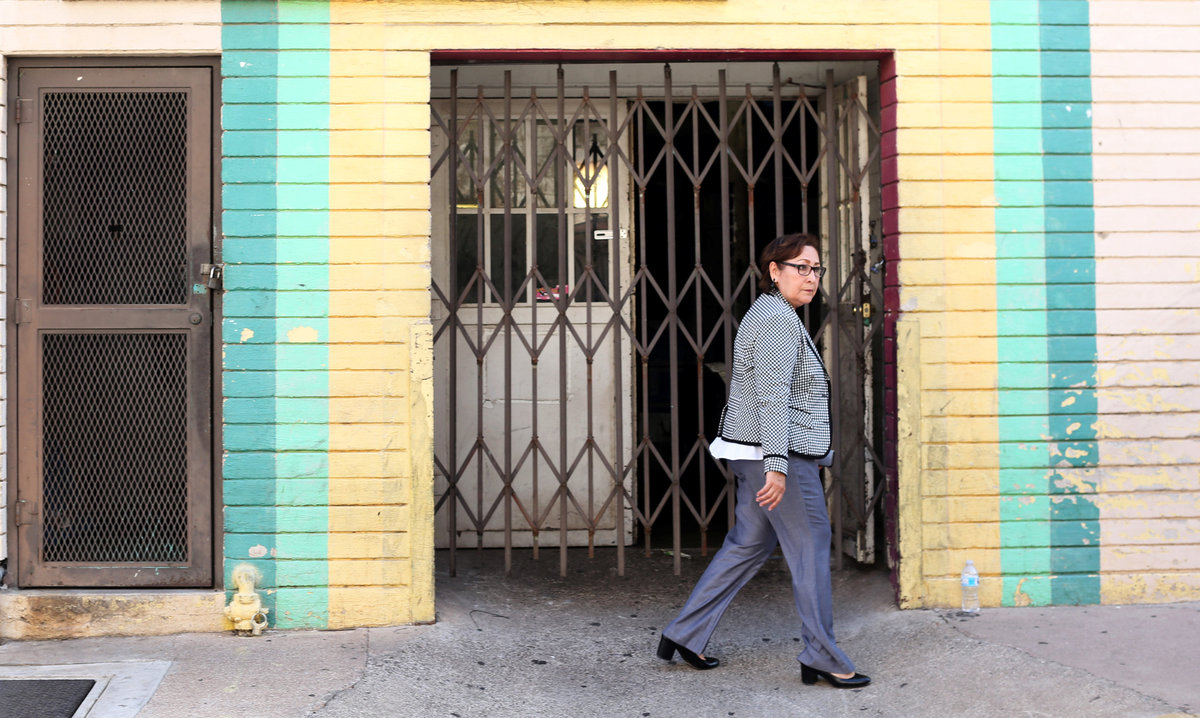
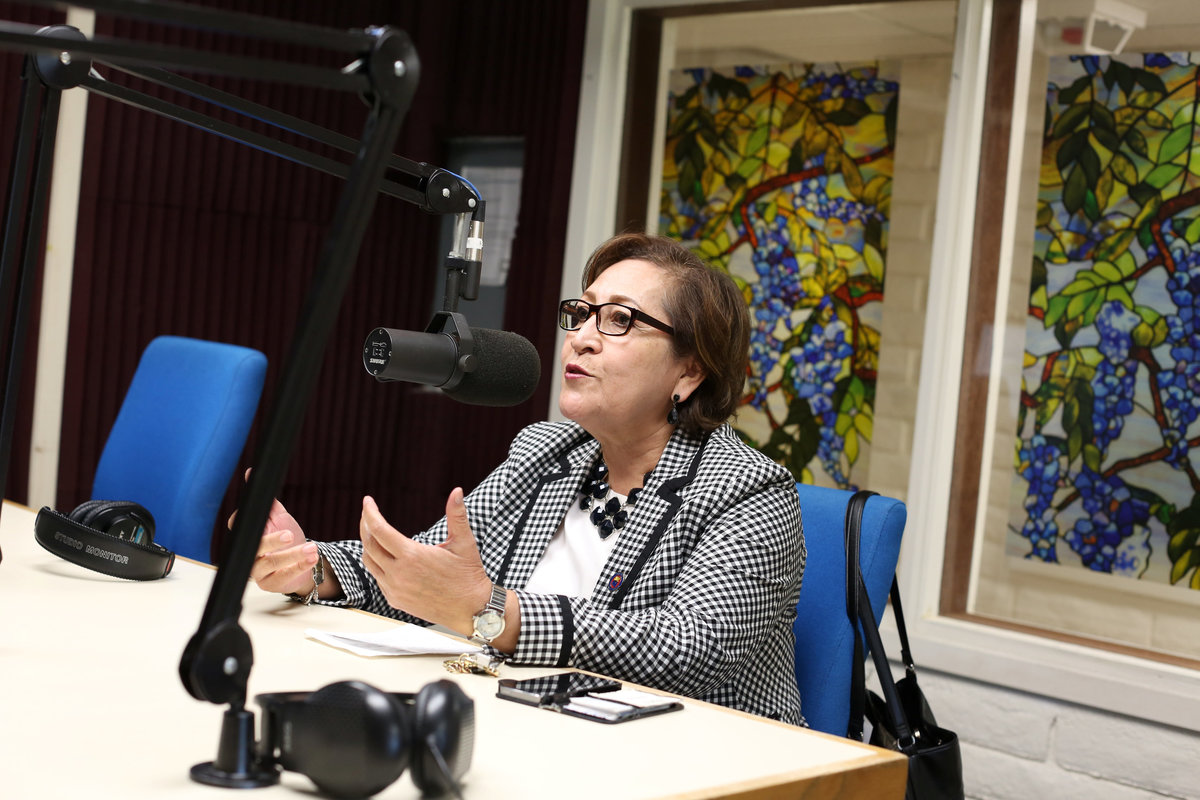
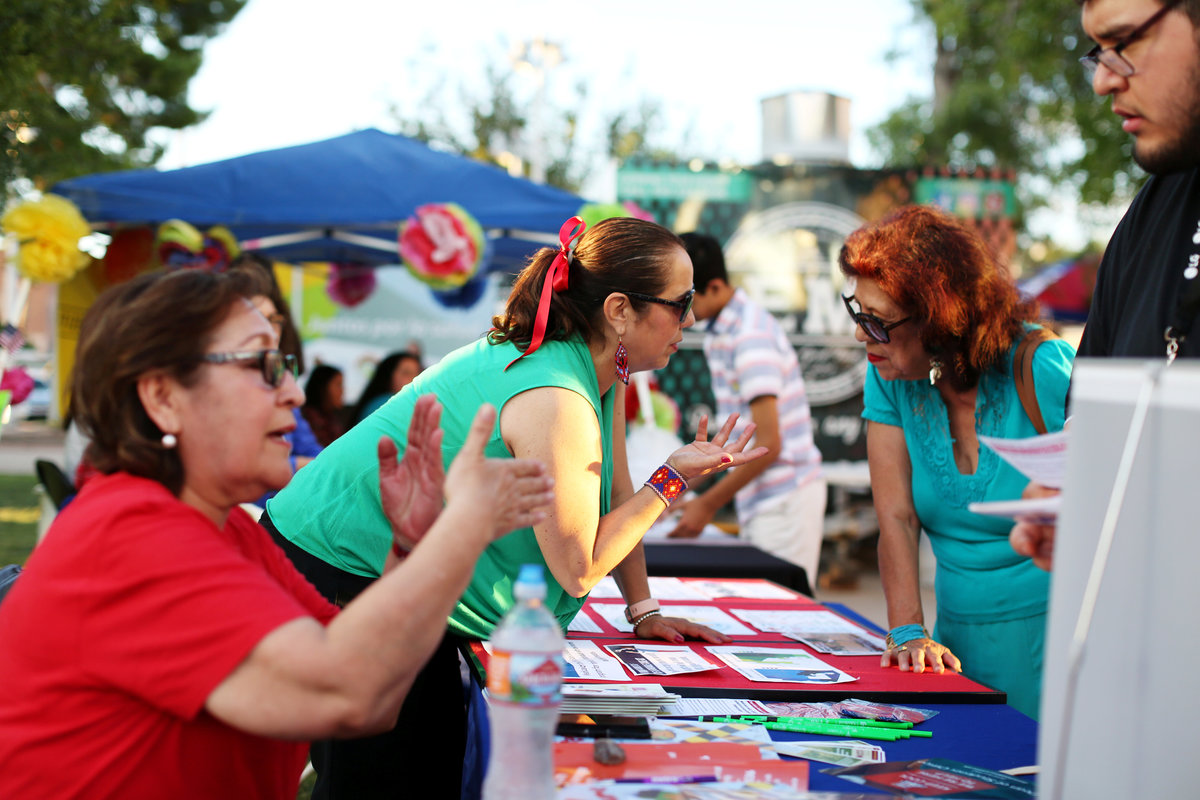
Maria Losoya and Amaury Gama are seeing this firsthand here in Nogales, a dusty city of 20,000 people on the border of Mexico. Charged with helping Americans navigate their healthcare options, they are taking a newly tailored pitch to local Spanish radio: Obamacare is alive and well.
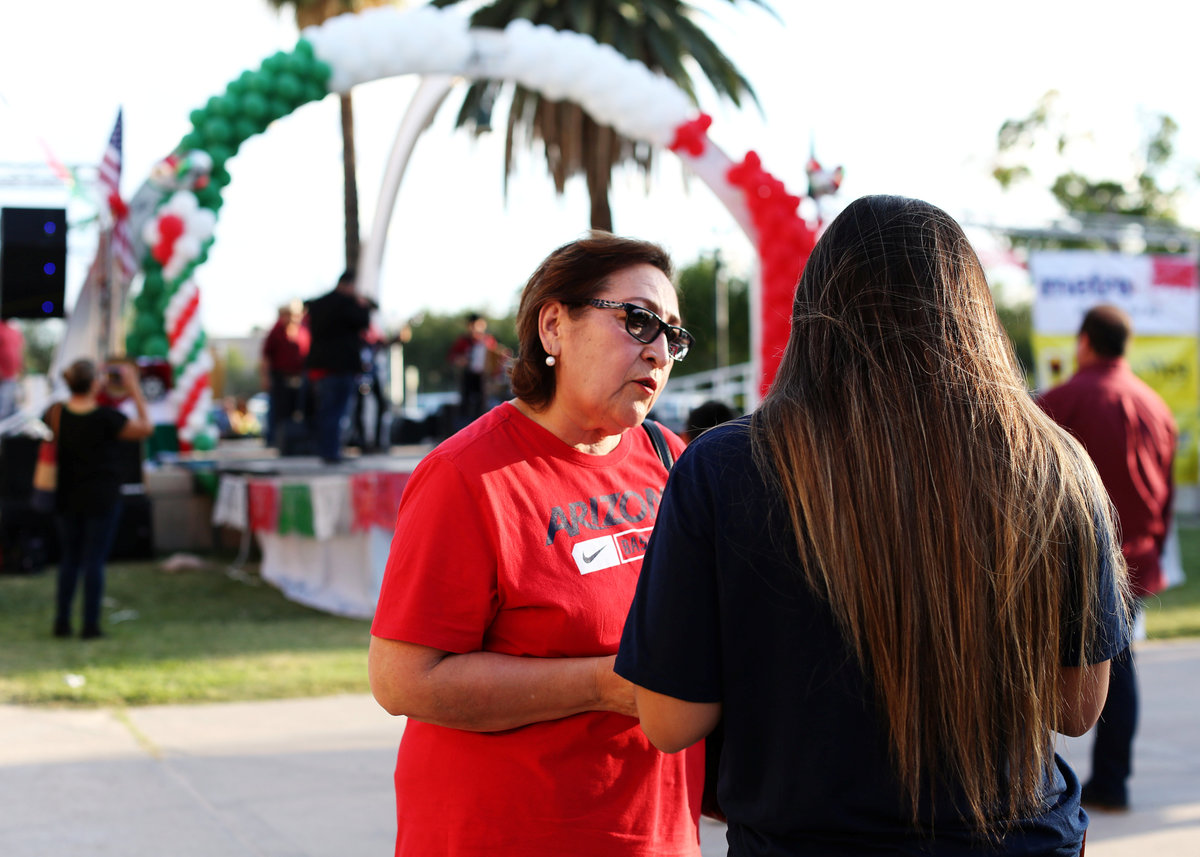
"When we have a government program, it's official," Gama said on the radio last month, referring to the status of Obamacare.
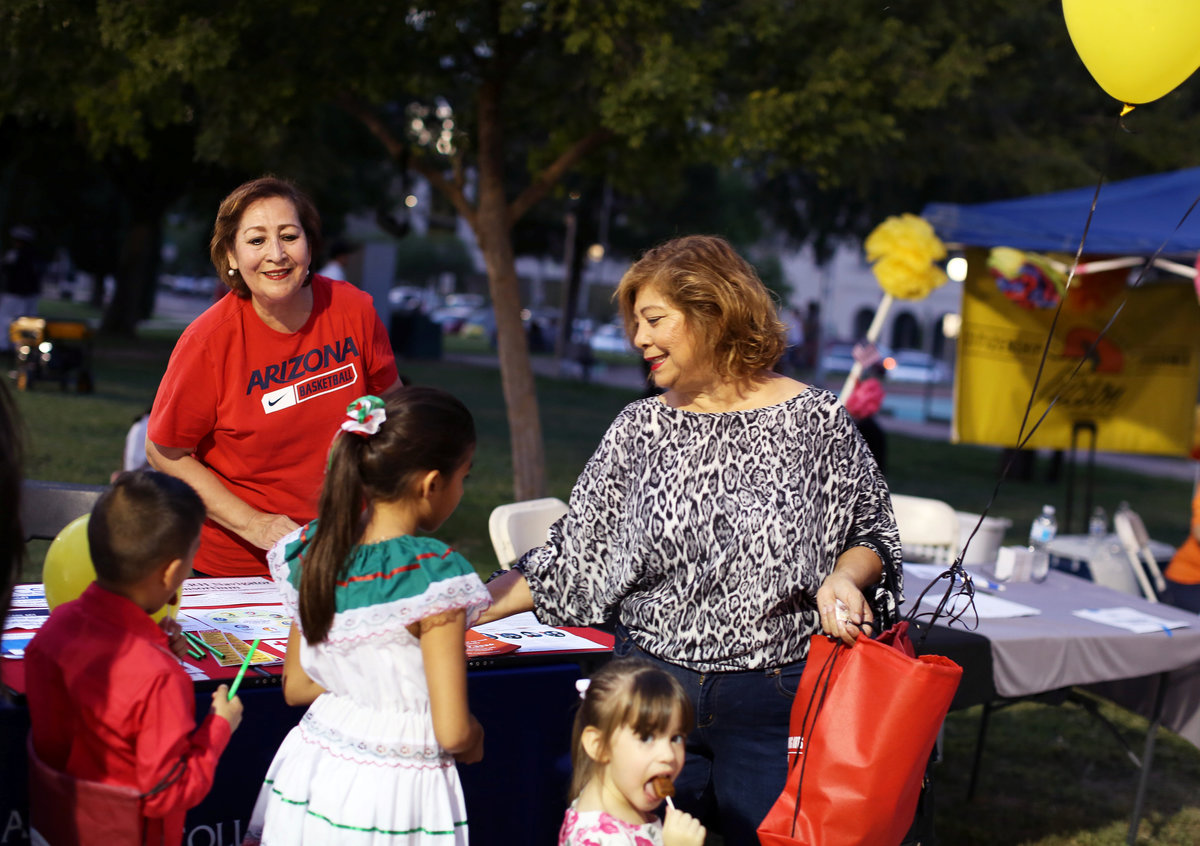
Losoya and Gama, who both work for the Arizona Center for Rural Health, have been visiting community health clinics and bringing their message to hundreds of consumers, encouraging them to get coverage before a personal health crisis strikes.
It is part of the uphill battle such "navigators" say they face when enrollment for 2018 begins on Nov. 1.
The nonpartisan Congressional Budget Office says that four million fewer people will sign up for Obamacare private insurance than previously forecast due to Trump administration policies. Still, total enrollment is now expected to reach 11 million in 2018, up from 10 million in 2017, CBO says.
"What we're seeing is confusion that's been caused by not knowing if the Affordable Care Act is the law of the land or not," said Maggie Norris Bent, navigator program director for Westside Family Healthcare in Delaware.
And, they say, their work is getting harder.
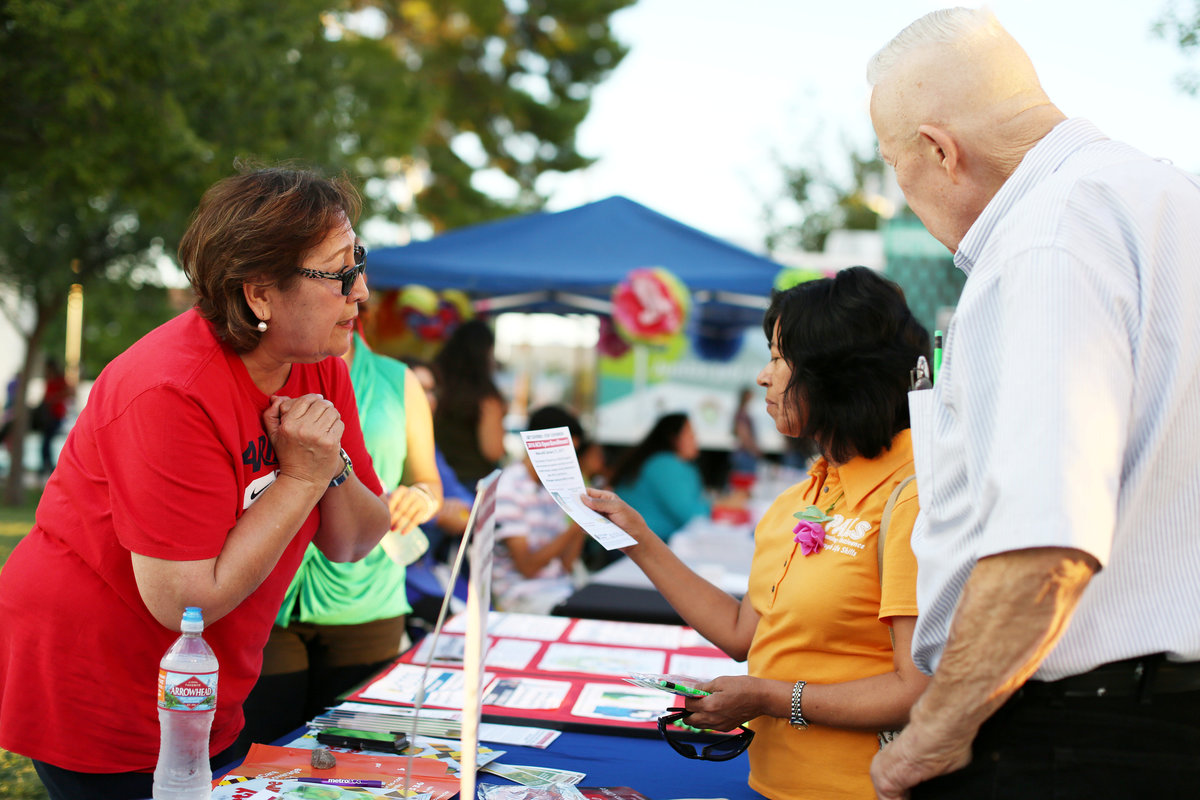
Without warning, the Trump administration in August cut federal grants by 40 percent to about 100 navigator groups. It slashed Obamacare advertising by 90 percent, and cut the sign-up period by half.
The president has also threatened to cut billions of dollars in insurance subsidies for low-income consumers, prompting insurers to pull out of scores of U.S. counties for 2018 or hike up monthly premium prices.
Follow Trump's impact on energy, environment, healthcare, immigration and the economy at The Trump Effect https://www.reuters.com/trump-effect
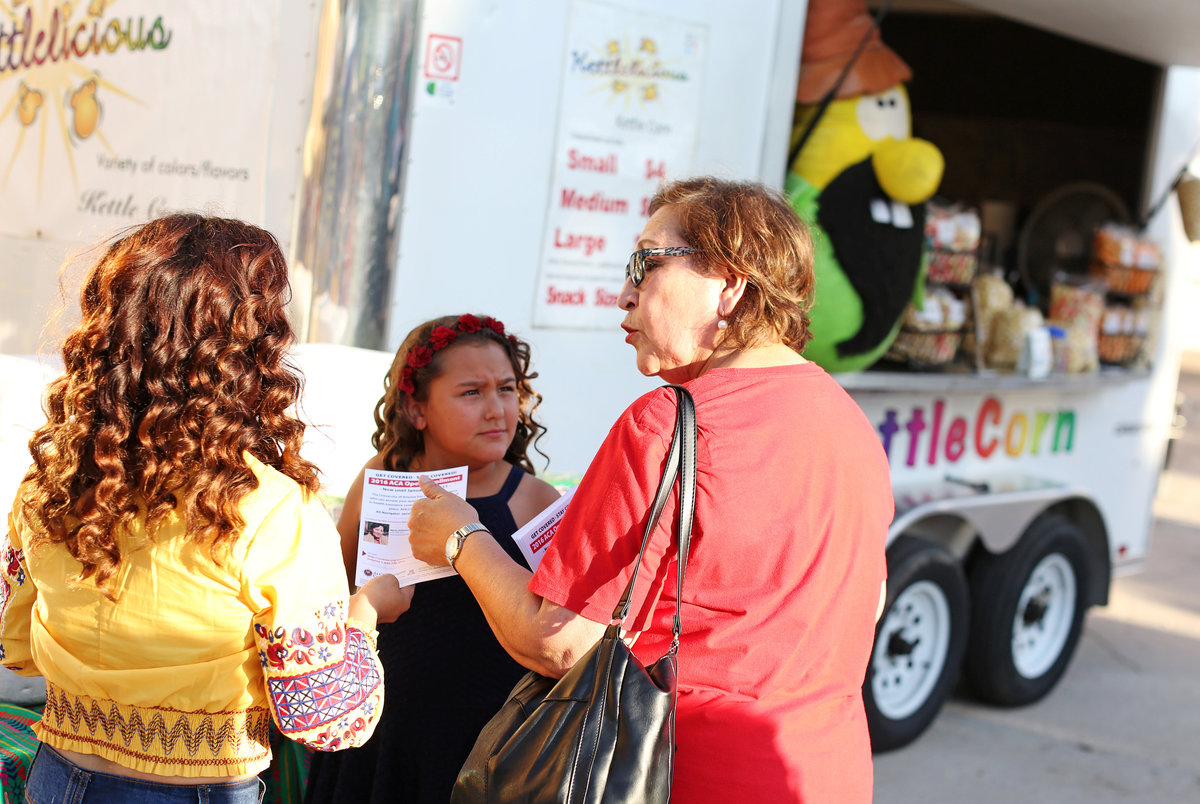
SCALING BACK OUTREACH
The Arizona Center for Rural Health, which employs six full- and part-time navigators, said it helped enroll 1,402 people in either individual health plans or the Medicaid program for the poor and disabled last year.
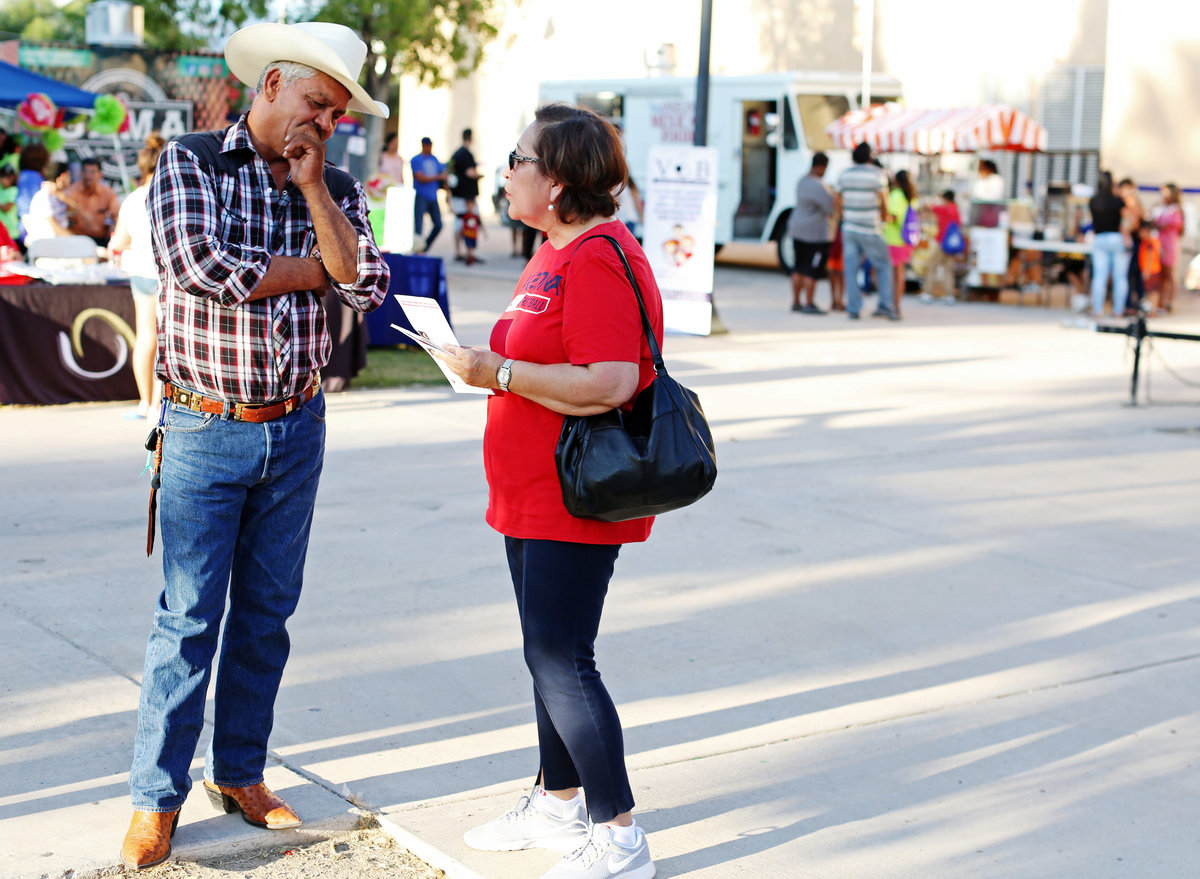
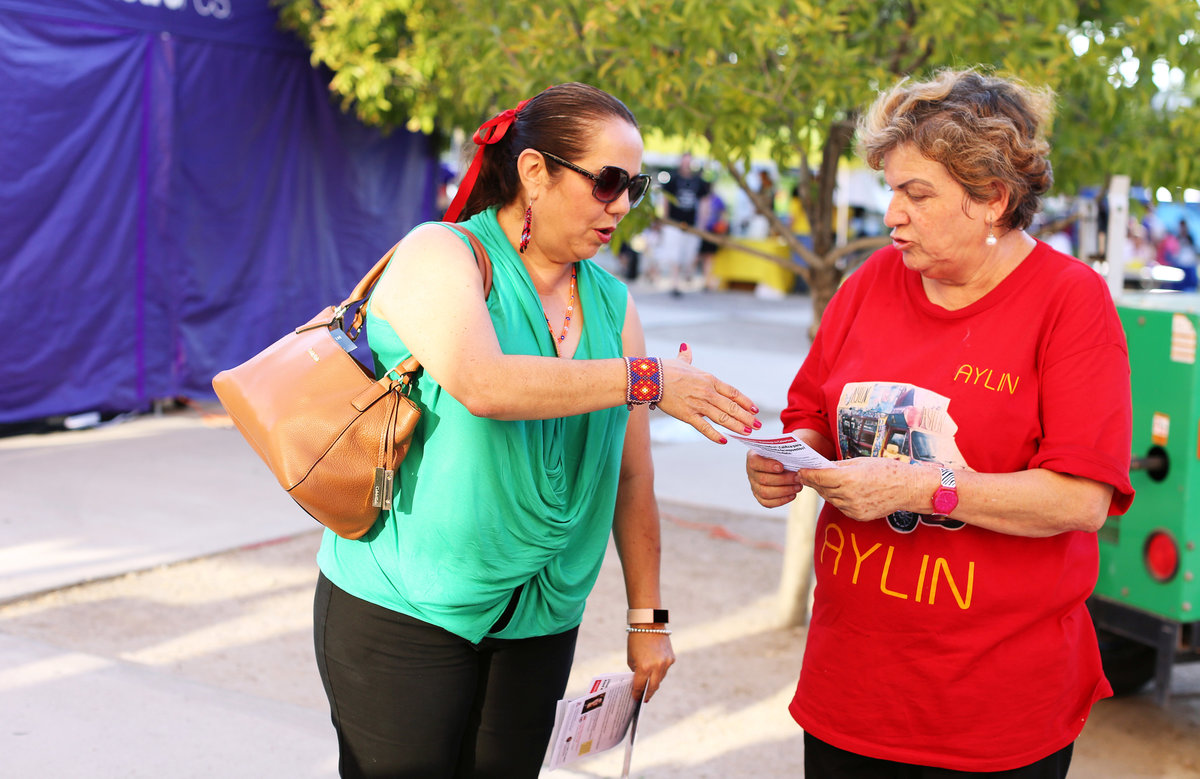
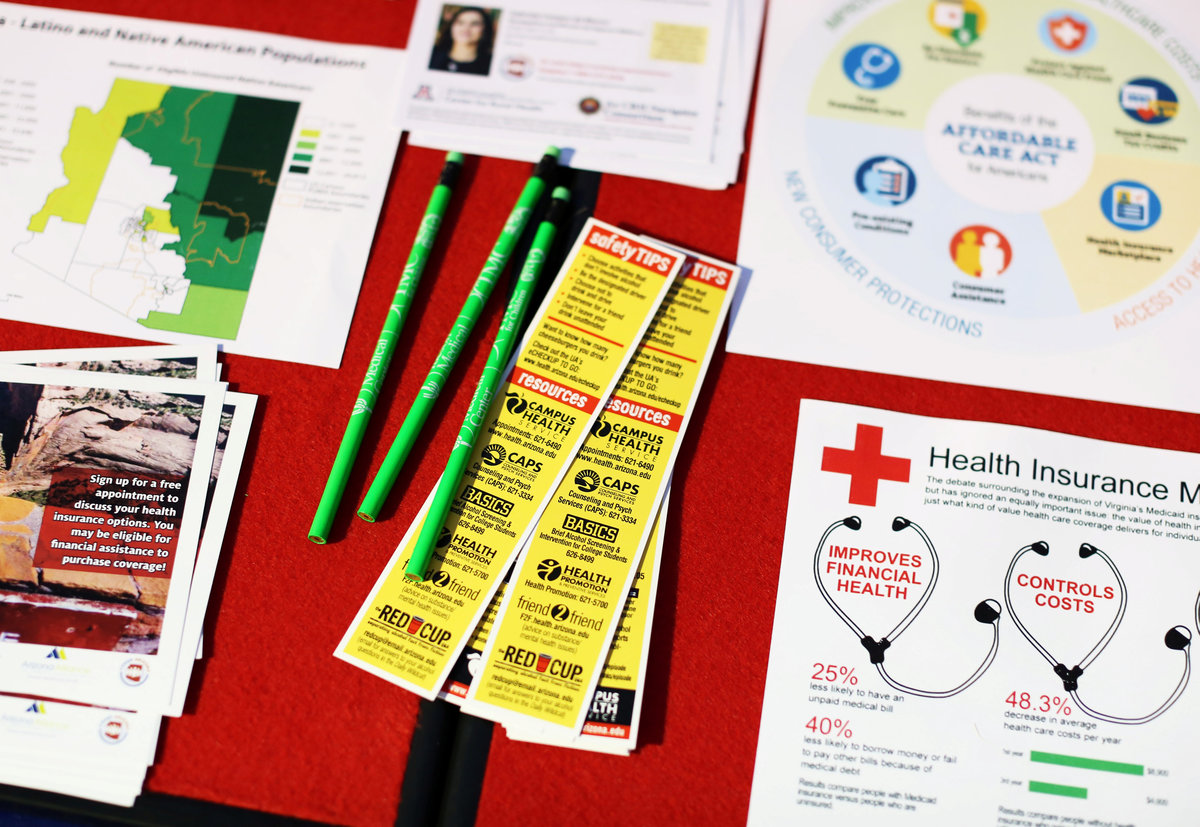
Navigator groups say they are often the main information source for groups like immigrant and rural communities who are just learning about the need for health insurance and how to use the benefits once they have them.
Two of those people were Julia and her husband Miguel, who requested their last names not be used. They plan to re-enroll for next year, but question whether their benefits could be taken away by an act of Congress or the administration. In fact, insurance contracts for 2018 are binding and any changes made to Obamacare would take effect in later years.
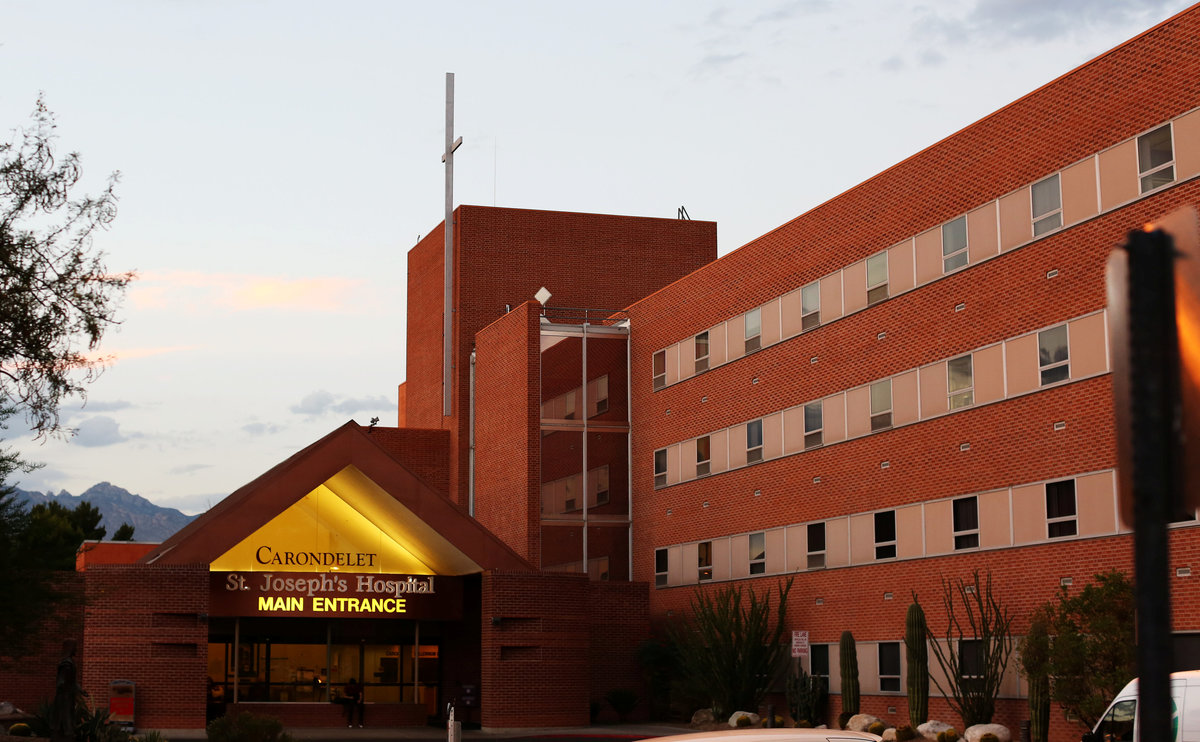
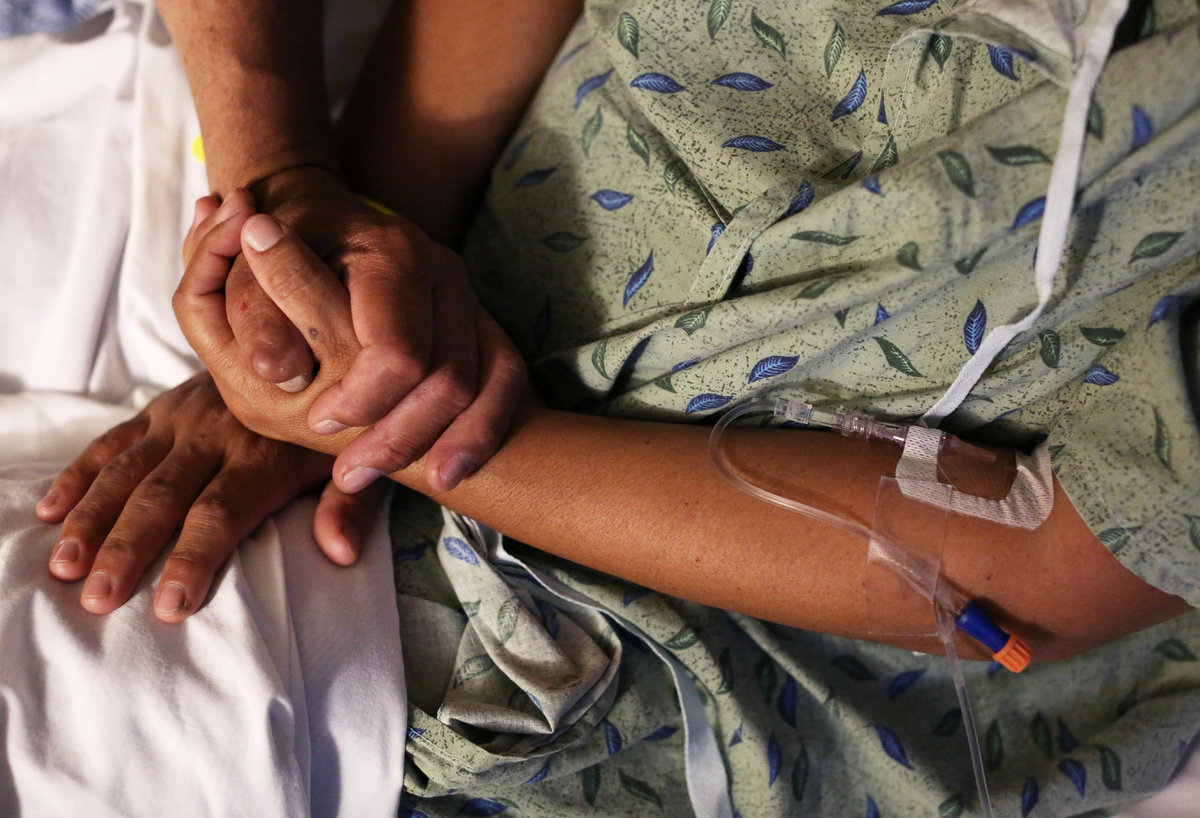
Sitting in a hospital bed in Tucson, Arizona just days after learning she had diverticulitis, an inflammation of the digestive tract, Julia recounted how Losoya helped enroll her and Miguel in a private health plan which is subsidized by the federal government. Miguel lost his employer-sponsored coverage after a heart attack two years ago forced him to quit work.
"We live day by day," said Miguel. "If they take Obamacare away, what are we supposed to do?"
This year, the Arizona Center for Rural Health's budget was cut by 14 percent, forcing it to scale back enrollment efforts. The Epilepsy Foundation of Florida suspended all activity until it learned about two weeks later that its grant, worth about $1.7 million last year, was cut by more than $1 million.
In Michigan, the Arab Community Center for Economic and Social Services (ACCESS) - the state's second-largest navigator group - said its grant was cut 36 percent, with no explanation. The state's largest navigator, Enroll Michigan, received a 90 percent cut.
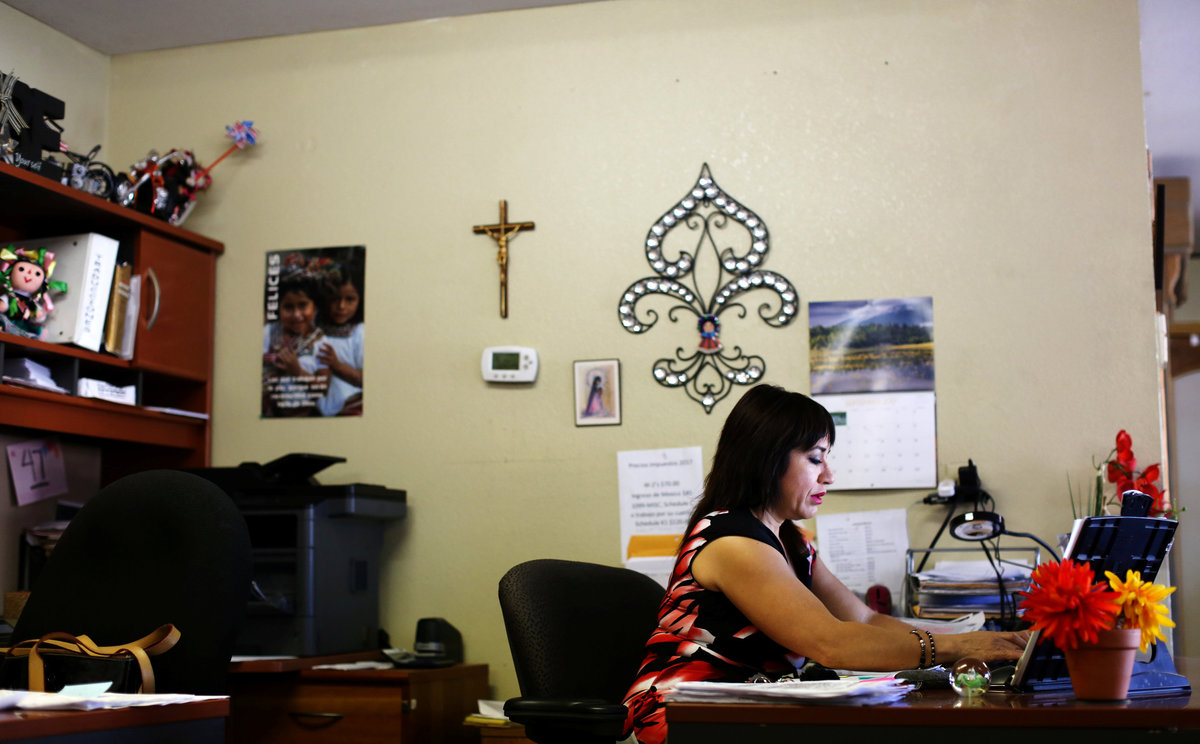
The Trump administration says navigator groups are ineffective, with 78 percent failing to meet their enrollment goals last year, and only signed up 81,426 people, or less than one percent of total enrollment.
In cutting advertising, it said most people already know about Obamacare enrollment and that the administration would instead rely on digital media, email and text messages to inform consumers about the shorter sign-up period.
Former Obama administration officials dispute the numbers, saying they do not reflect the scope of navigators' work or capture everyone who they helped sign up. They did not provide their own data on the groups' impact.
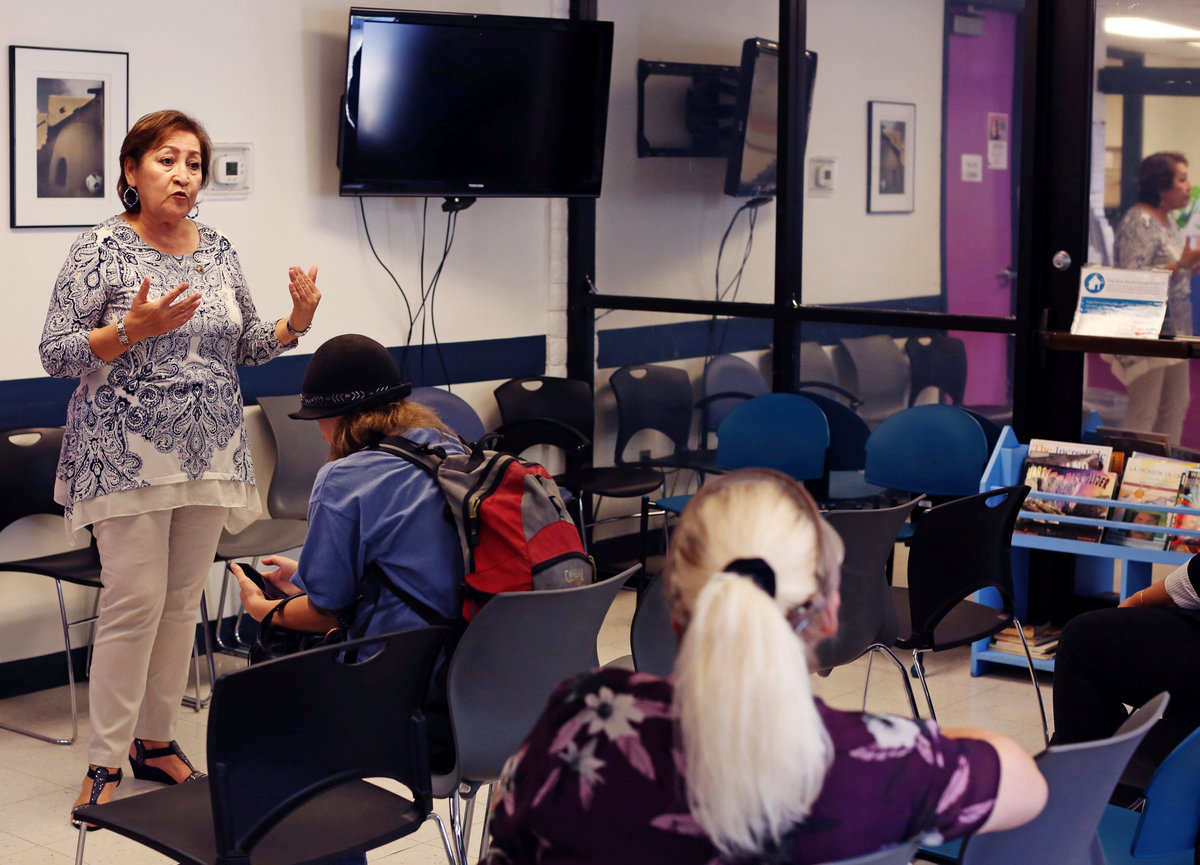
Navigators say that this year, their work includes convincing the skeptical that they will have benefits.
"Our big focus has been to redirect clients to say this is a law and until this law is repealed you are safe and have coverage," said Madiha Tariq, deputy director for community health and research at ACCESS.
(Editing by Michele Gershberg and Edward Tobin)