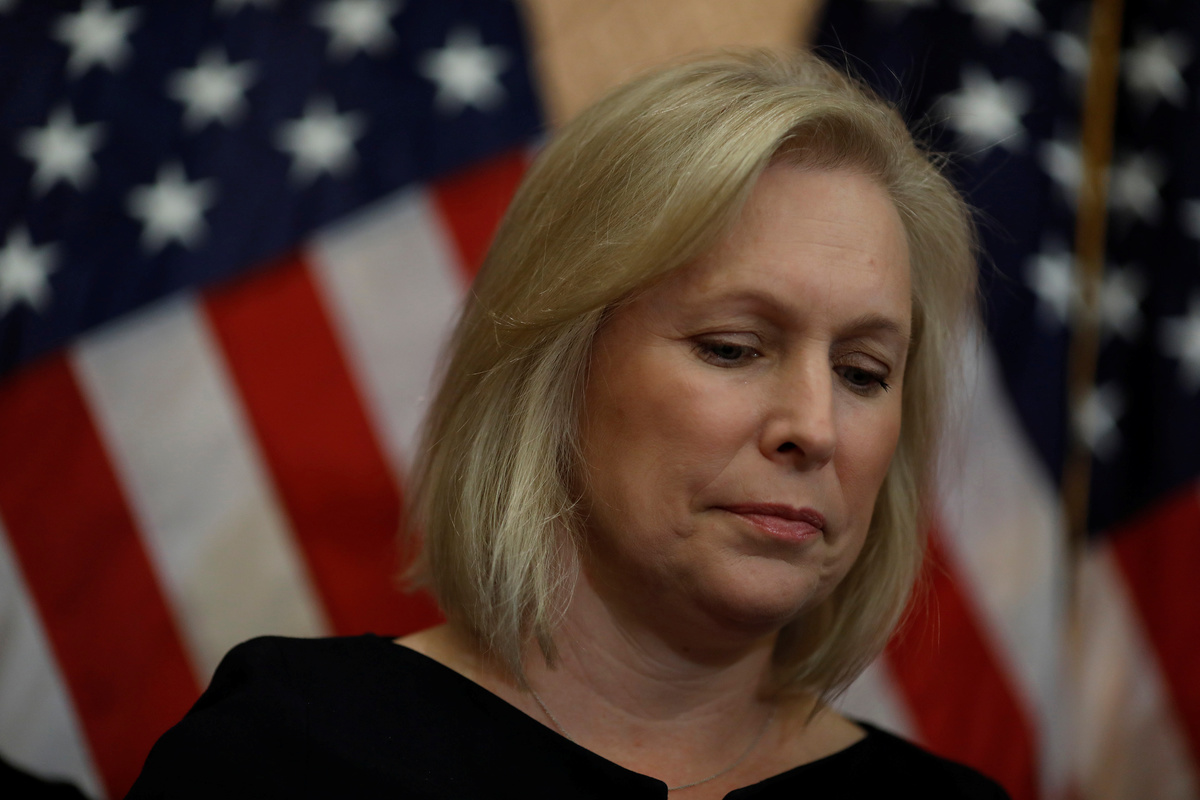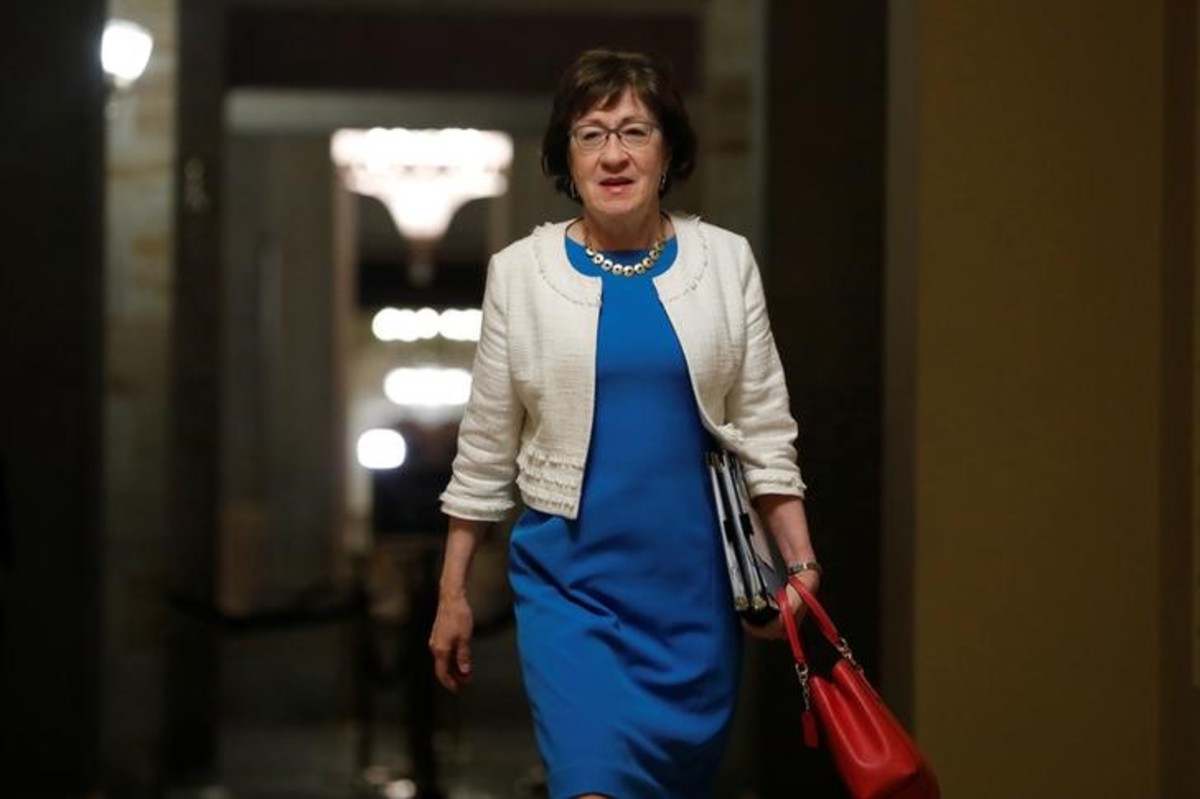
WASHINGTON (Reuters) - U.S. Senator Susan Collins rebuffed intense lobbying from fellow Republicans and the promise of more money for her state in deciding on Monday to oppose - and likely doom - her party's last-ditch effort to repeal Obamacare.
The most moderate of Republican senators joined John McCain and Rand Paul in rejecting the bill to end Obamacare, a top priority for President Donald Trump, who pressured Collins in a call on Monday. A sweeping cut in funding to Medicaid, a programme for low income citizens and disabled children, was the main reason for opposing the bill, she told reporters.
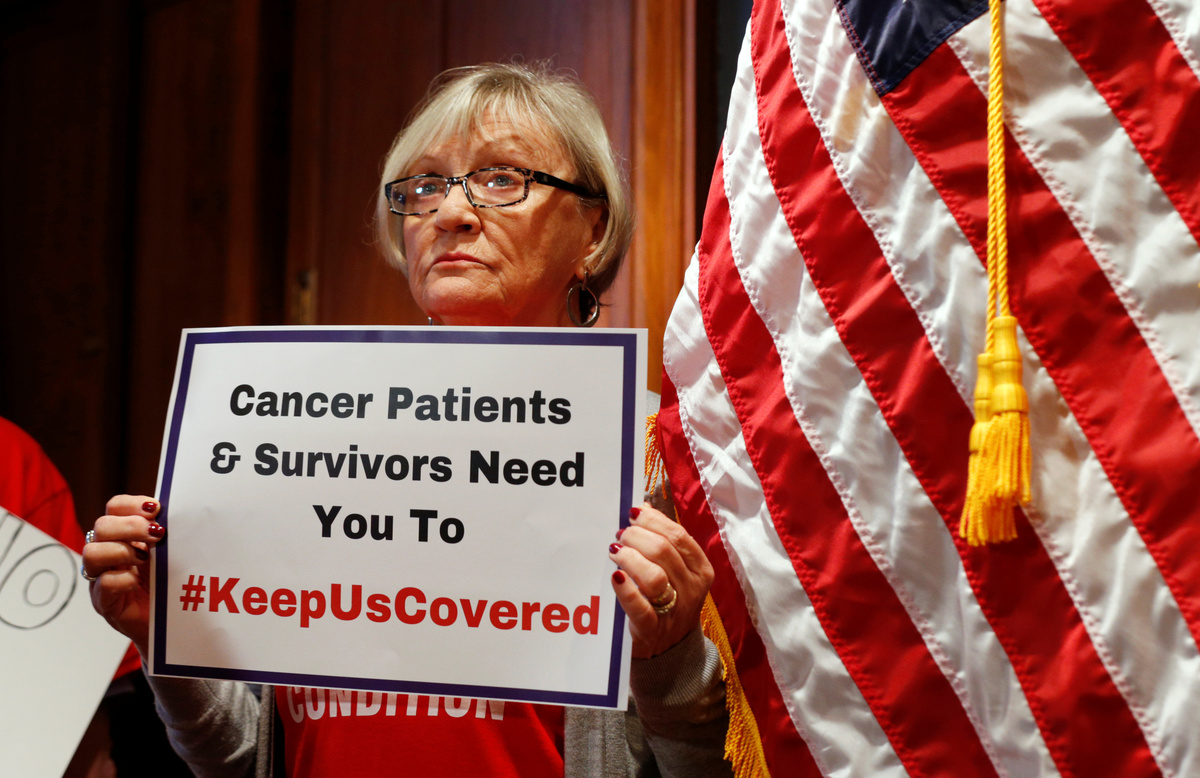
"To take a programme that has been law for more than 50 years, and make those kinds of fundamental structural changes ... and to do so without having in depth hearings to evaluate the impact on our most vulnerable citizens was unacceptable to me," Collins said outside the Senate chambers.
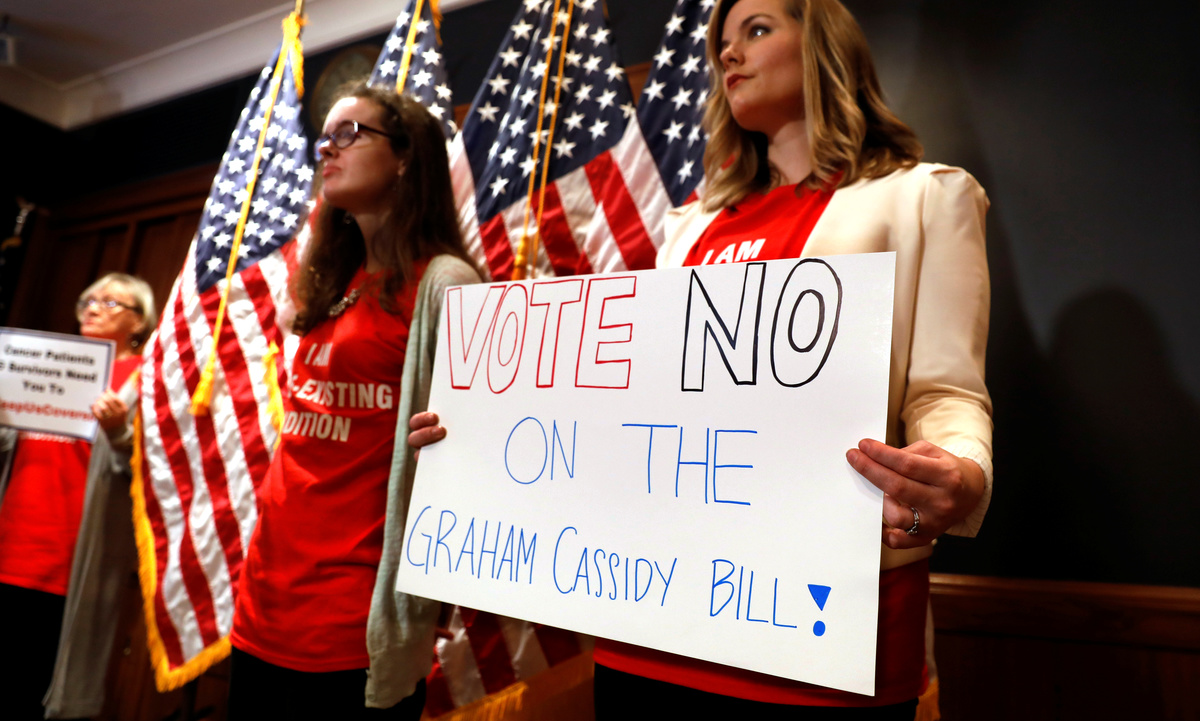
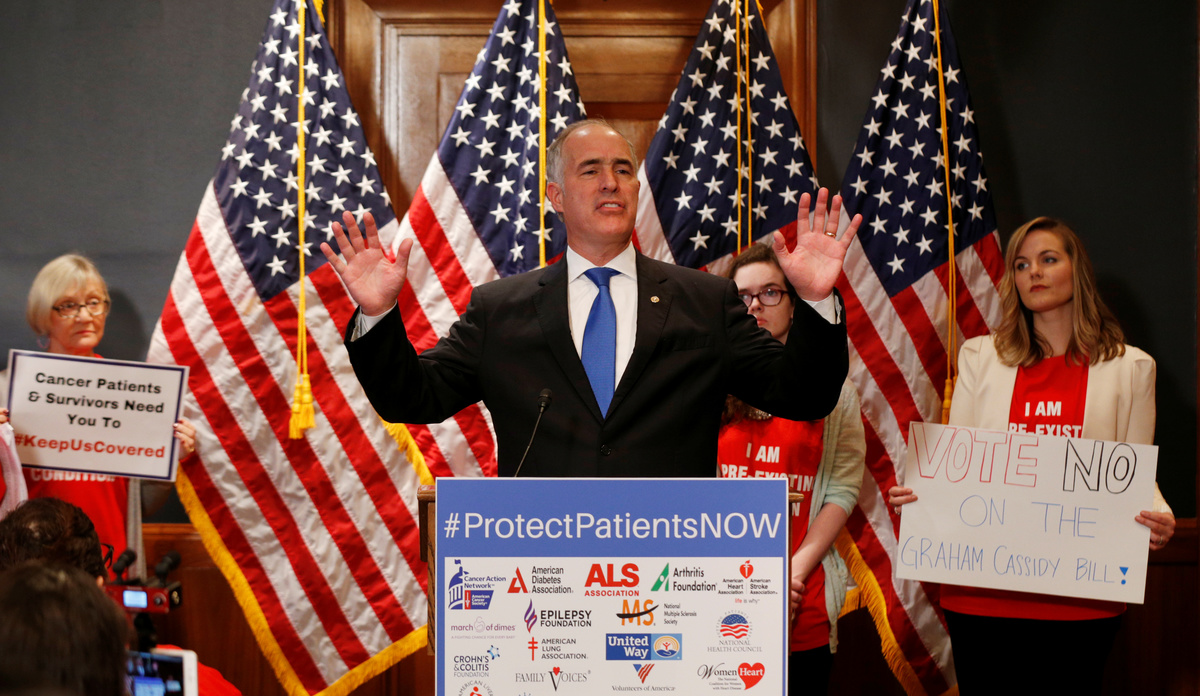
She also opposed the bill for weakening protections for people with pre-existing conditions, such as asthma, cancer and diabetes.
"So for those reasons, I cannot support the bill," Collins said.
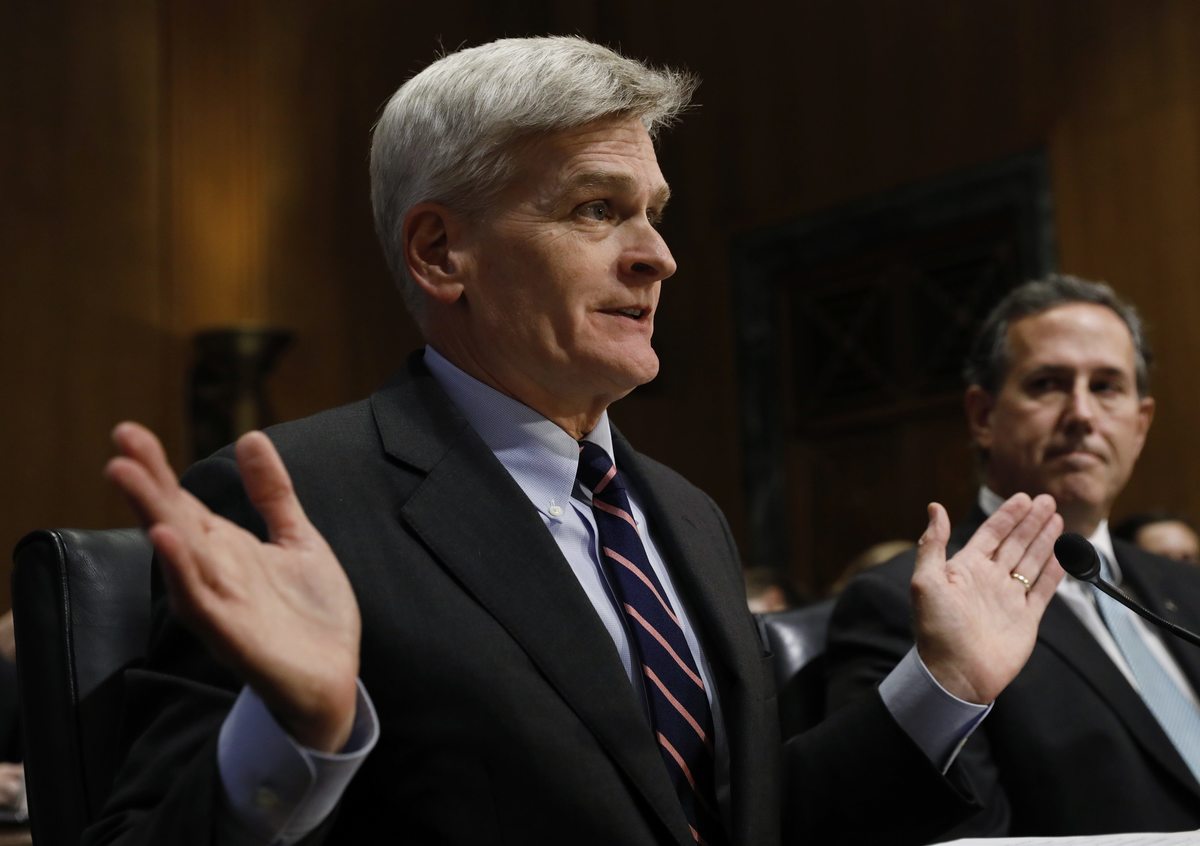
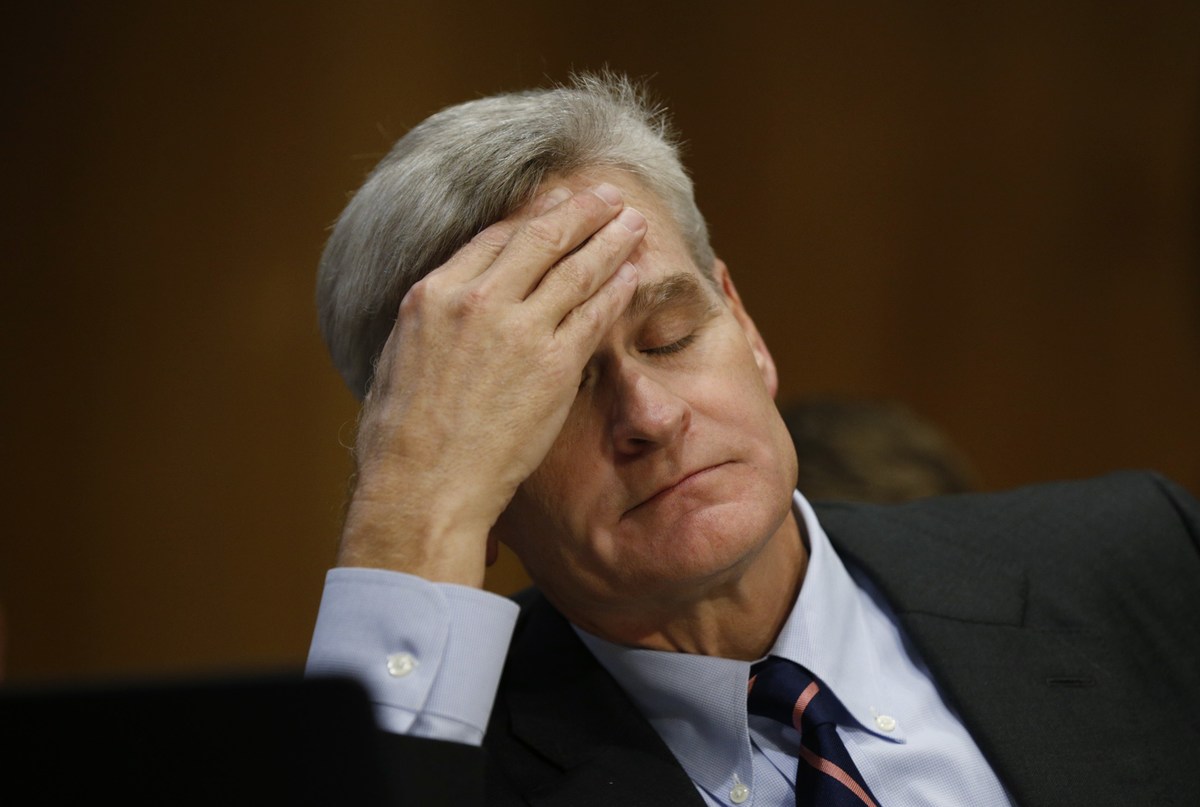
Collins' decision came even after the sponsors of the bill, Senators Lindsey Graham and Bill Cassidy, offered a boost in federal health care funds of more than 40 percent for her state, Maine.
For seven years, Republicans have vowed to get rid of Democratic former President Barack Obama's signature healthcare law, which extended health insurance to some 20 million Americans. They believe it is an unwarranted and costly government intrusion into healthcare, while also opposing taxes it imposed on the wealthy.
Republicans, who hold a slim 52-48 majority in the Senate, are up against a tight September 30 deadline to pass a bill with a simple majority, instead of the 60-vote threshold needed for most measures. Senate Majority Leader Mitch McConnell wanted to hold a vote this week, but it is not clear he will do so now that three senators have said they will cast "no" votes.
Graham dismissed notions that the bill was the last chance for Republicans to get rid of Obamacare and pledged to keep working on the legislation.
$1 TRILLION CUT TO MEDICAID
Democrats kept up their pressure for killing the bill. In an evening speech on the Senate floor, Senate Democratic leader Chuck Schumer said, "The Trumpcare bill would gut Medicaid, would cause millions to lose coverage, cause chaos in the marketplace."
Schumer said once repeal of Obamacare is off the table, Democrats want to work with Republicans "to find a compromise that stabilizes markets, that lowers premiums."
Collins and McCain, who voted against the last major repeal effort in July, have both advocated for a bipartisan solution to fixing the parts of Obamacare that do not function well.
U.S. hospital stocks were down across the board as the bill struggled. Shares of HCA Healthcare Inc <HCA.N> and Tenet Healthcare Corp <THC.N> were hit particularly hard, falling 2.5 percent and 5.7 percent, respectively, on Monday.
"The Graham-Cassidy bill is looking to reduce funding for Medicaid in the longer term," said Jefferies analyst Brian Tanquilut. "That is a benefit that we have seen improve the earnings outlooks for these hospitals."
Collins announced her opposition shortly after the non-partisan Congressional Budget Office said that the number of people with health insurance covering high-cost medical events would be slashed by millions if it were to become law.
CBO also found that federal spending on Medicaid would be cut by about $1 trillion from 2017 to 2026 under the Graham-Cassidy proposal, and that millions of people would lose their coverage in the programme, mainly from a repeal of federal funding for Obamacare’s Medicaid expansion.
The Trump administration, including Health Secretary Tom Price had lobbied her hard in recent days, Collins said.
“The president called me today, the vice president called me in Maine over the weekend, Secretary Price has called me, it would probably be a shorter list of who hasn’t called me about this bill,” she said.
Trump had not called Collins before the vote in July.
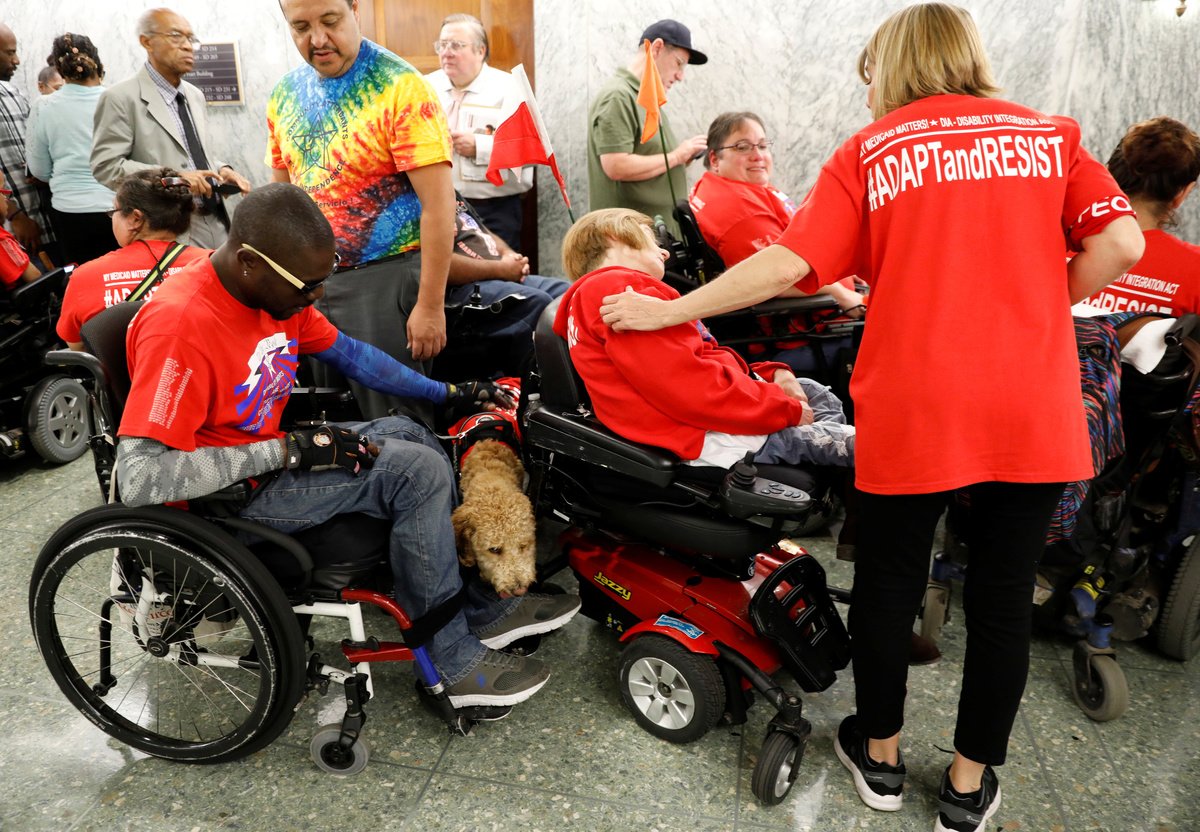
PROTESTERS IN WHEELCHAIRS
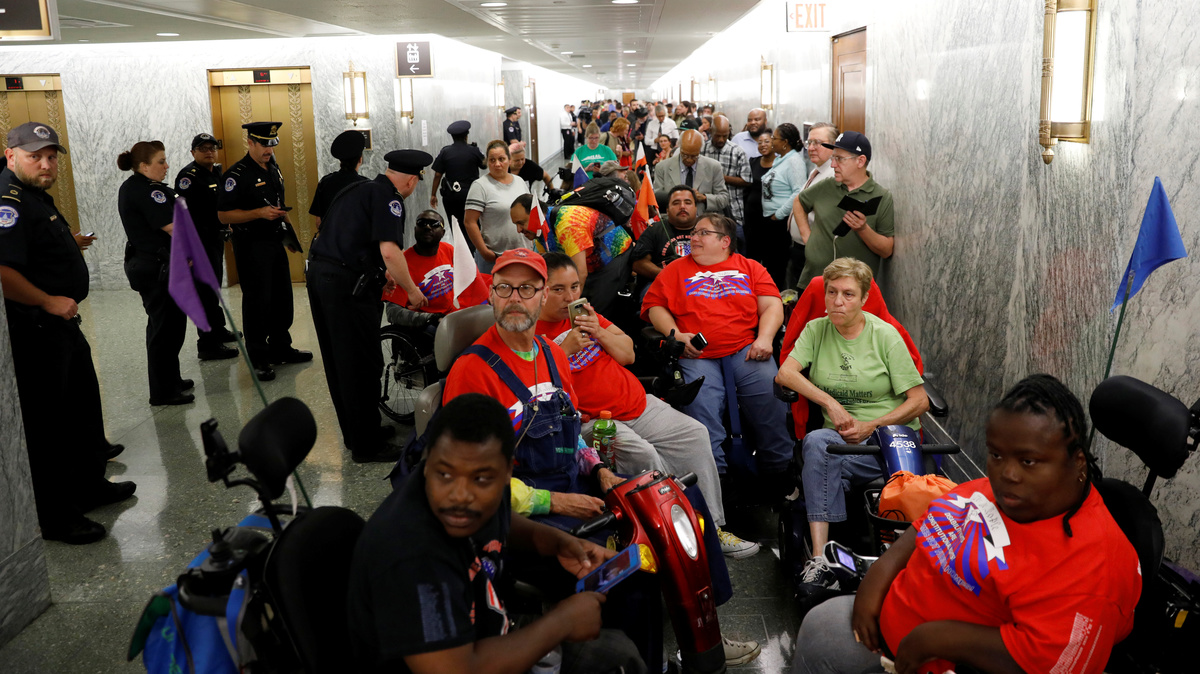
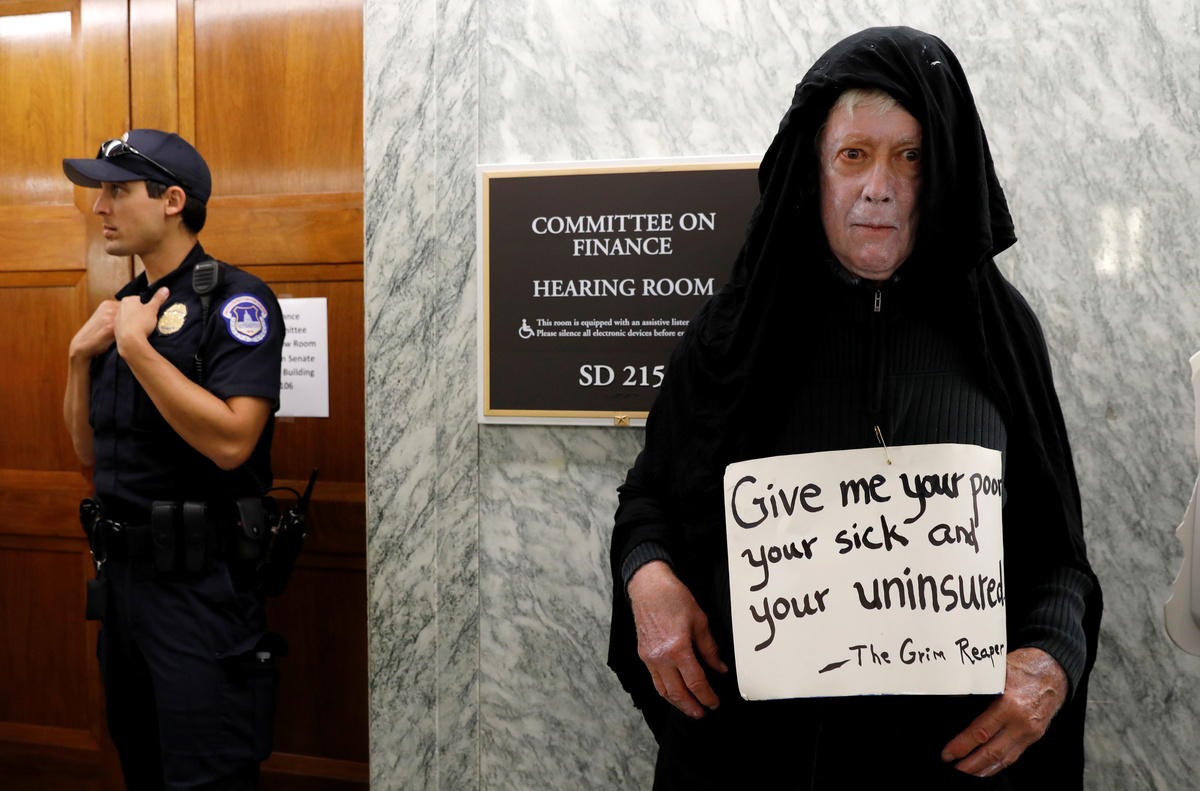
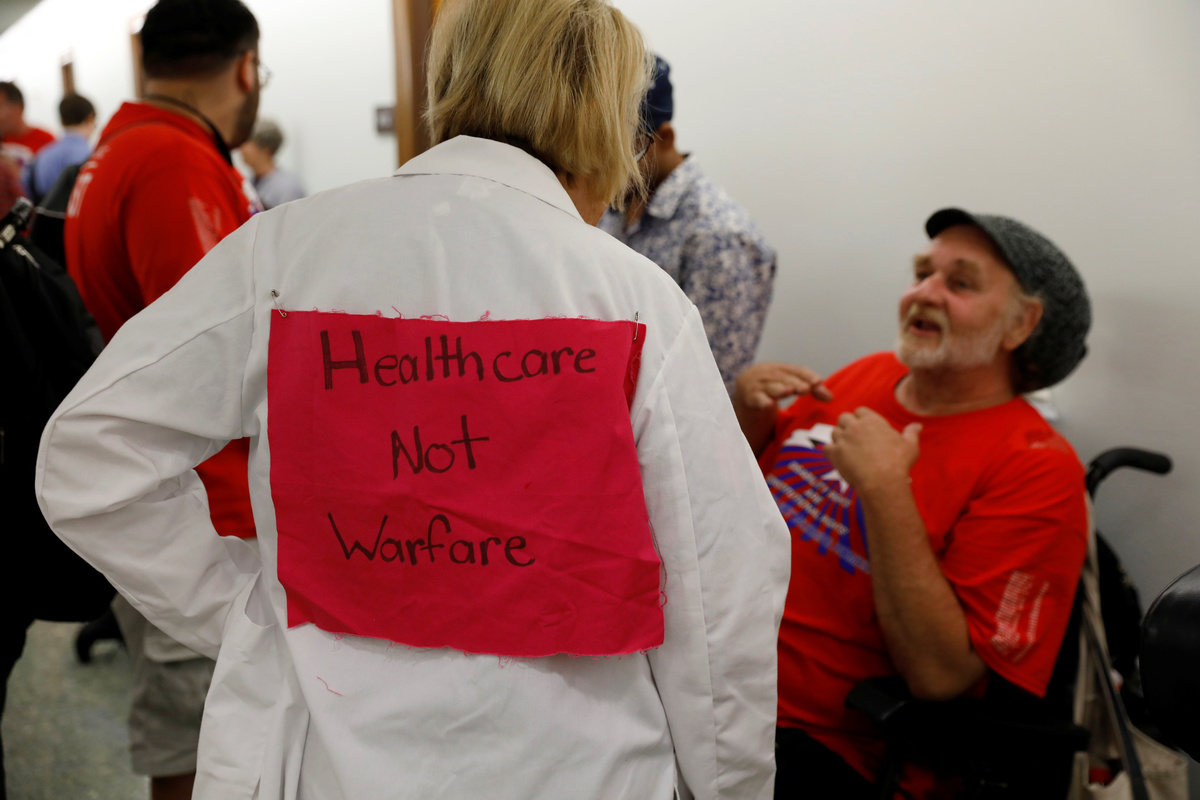
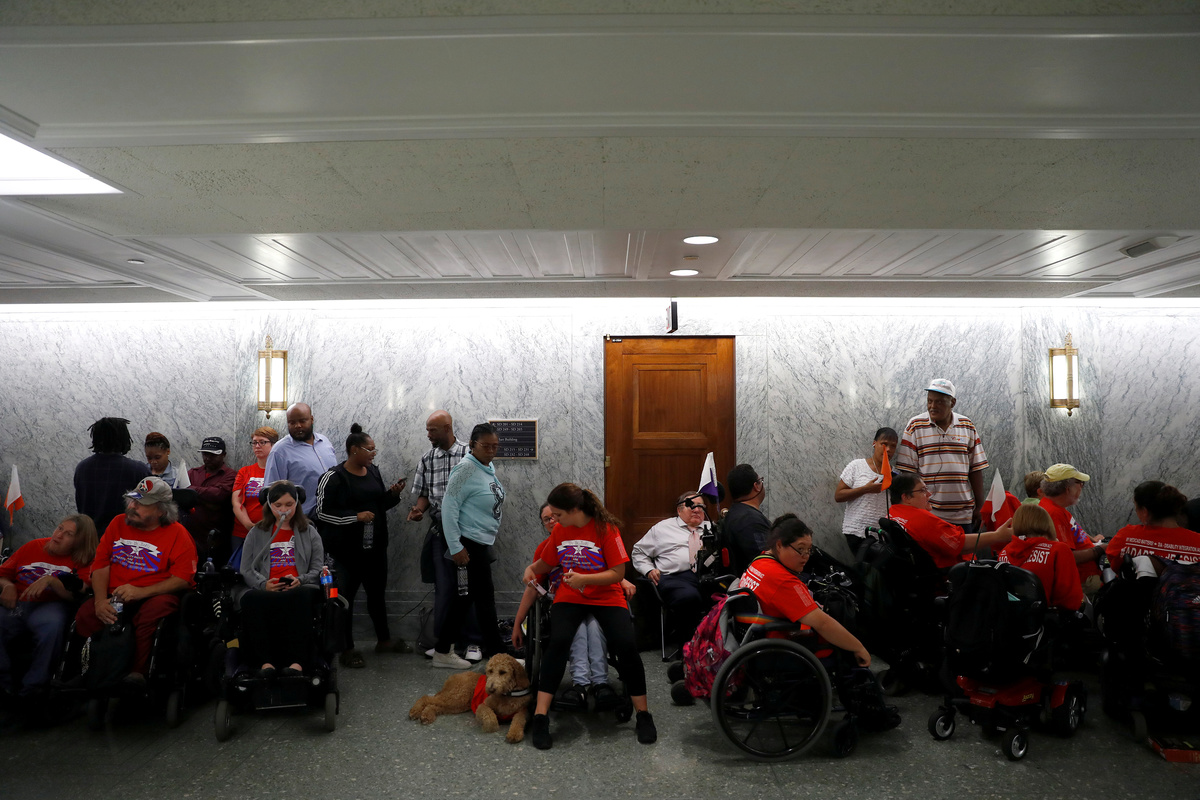
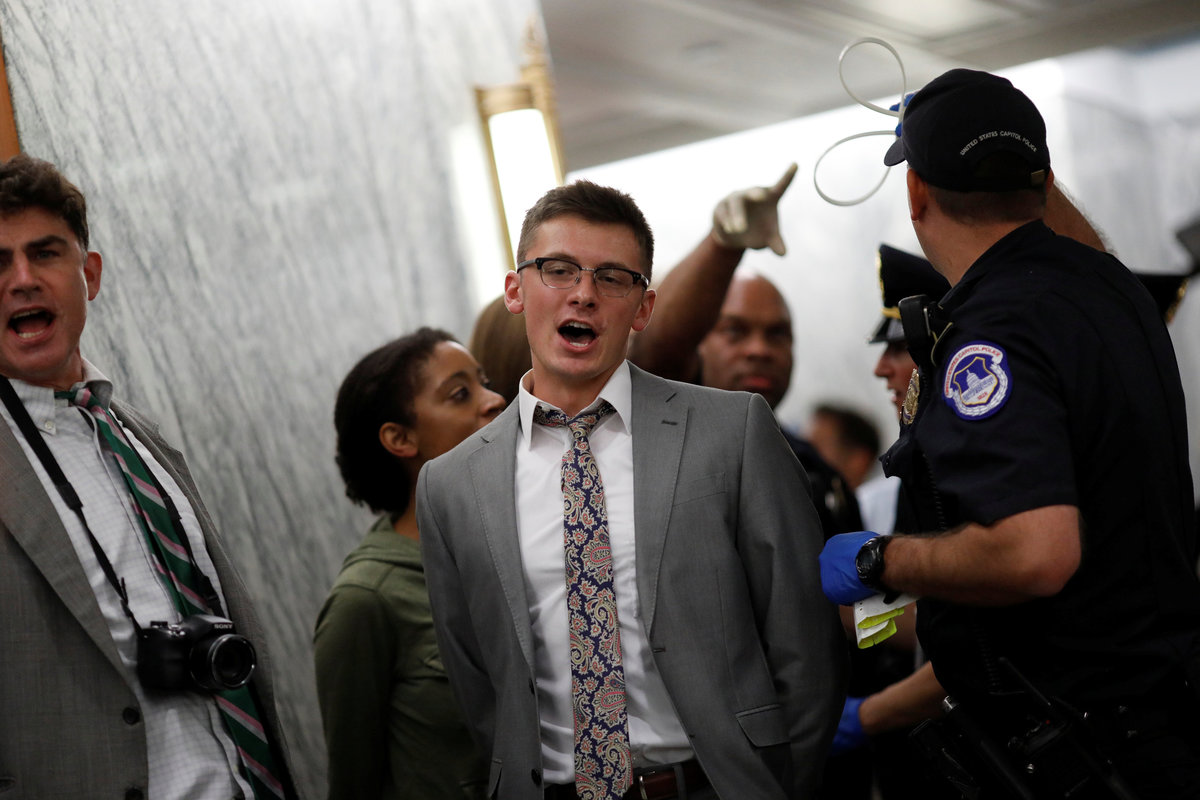
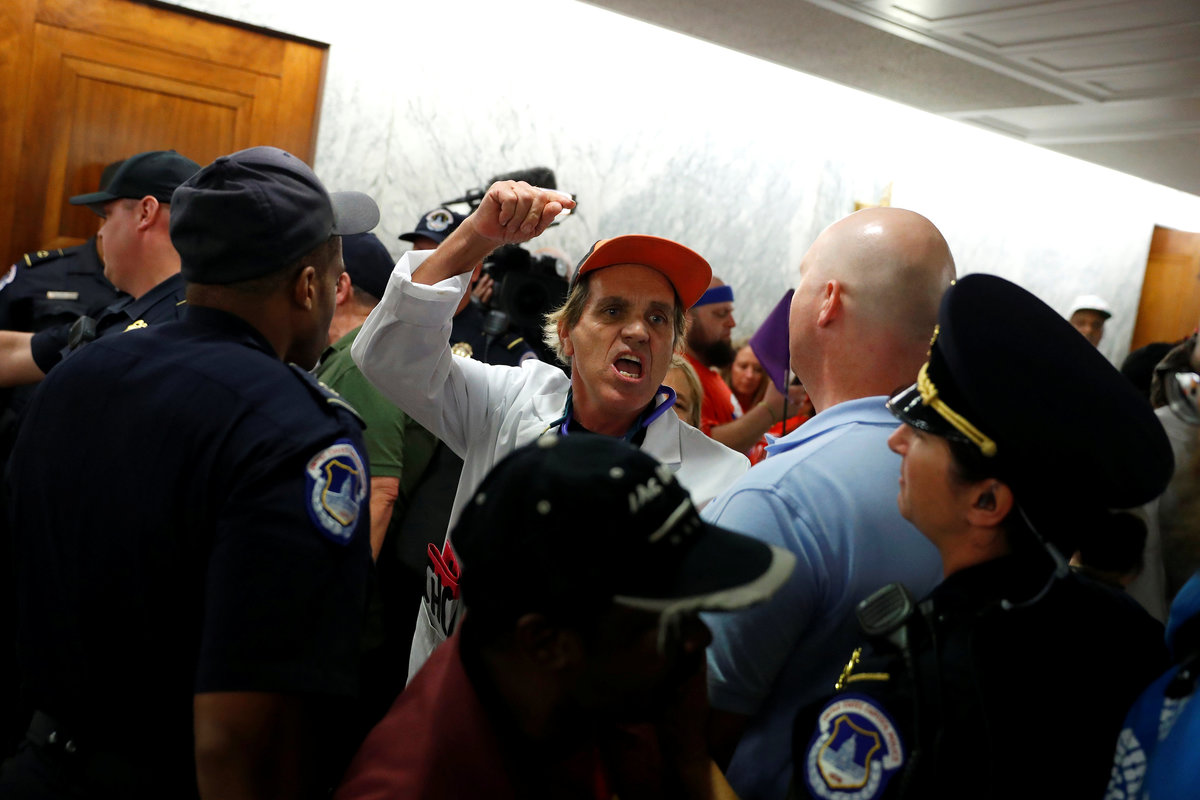
The Senate held its first hearing all year on the proposed Obamacare repeal on Monday, but it was immediately disrupted by protesters who forced Senate Finance Committee Chairman Orrin Hatch to postpone its start by about 15 minutes.
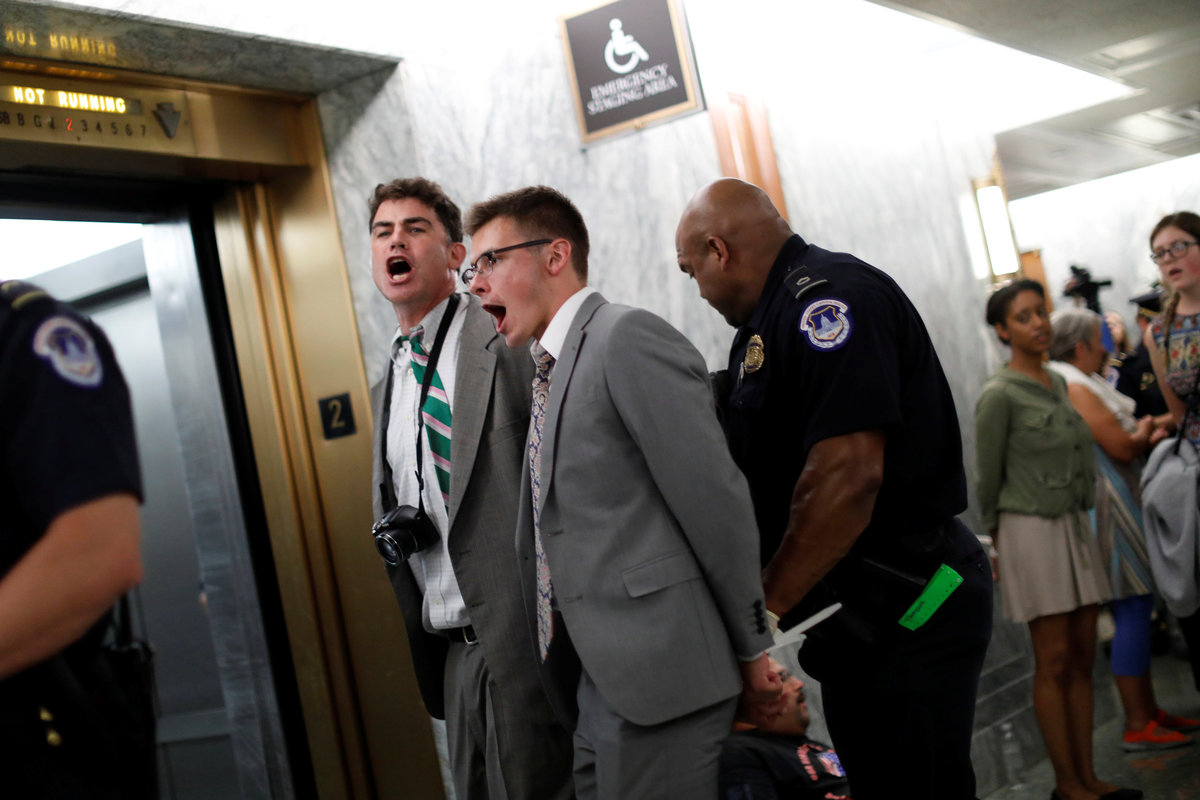
The protesters, mainly from a disability rights group and many of whom were in wheelchairs, were forcibly removed one-by-one from the hearing room as they yelled, "No cuts to Medicaid, save our liberty." The hearing eventually proceeded for about five hours, but protests could be heard outside for more than an hour.
Police arrested 181 demonstrators, including 15 in a senate hearing room. Police removed some protesters from their wheelchairs and carried them out by the arms.
Television talk show host Jimmy Kimmel, who had become part of the debate on U.S. healthcare legislation in May after discussing his newborn son's heart surgery, had taken aim at the bill in recent days. On Monday he tweeted: "Thank you @SenatorCollins for putting people ahead of party. We are all in your debt."
A new CBS poll released earlier on Monday said that a majority of Americans - 52 percent- disapprove of the Graham-Cassidy bill. It said only 20 percent of those polled approved. The poll was taken between Sept. 21 and 24.
(Reporting by Susan Cornwell and Richard Cowan; Additional reporting by Timothy Gardner, Philip Stewart, Makini Brice Alistair Bell in Washington and Caroline Humer in New York; writing by Timothy Gardner; Editing by Bill Trott and Mary Milliken)