Theodore Roosevelt is widely known as the "Great Conservationist," but President Barack Obama has a message for his distant predecessor on protecting lands and marine areas: Scoreboard.
When Obama last week used his office's powers under the 1906 Antiquities Act to quadruple the size of the Papahanaumokuakea (pronounced "Papa-ha-now-moh-koo-ah-kay-ah") Marine National Monument to 582,578 square miles, he established the world's largest protected area.
He also increased the total size of the lands and marine areas he has placed under federal protection to 548 million acres. That is more than twice as much as Roosevelt.
But Roosevelt, an avid outdoorsman, is the one former president who stands out: He protected 230 million acres, according to the National Park Service. Obama has worked hard to put the "Conservationist President" in second place, recently stepping up his Antiquities Act designations.
And during a speech Wednesday night in his native Hawaii, Obama had a message for Roosevelt.
"I have to say that Teddy Roosevelt gets the credit for starting the national parks system," Obama said, "but when you include a big chunk of the Pacific Ocean, we now have actually done more acreage than any other president."
Perhaps the 26th president will be on Obama's mind on Thursday when he travels to Midway Atoll, an island located inside the expanded Papahanaumokuakea monument that is about 1,500 miles northwest of the Island of Hawai'i.
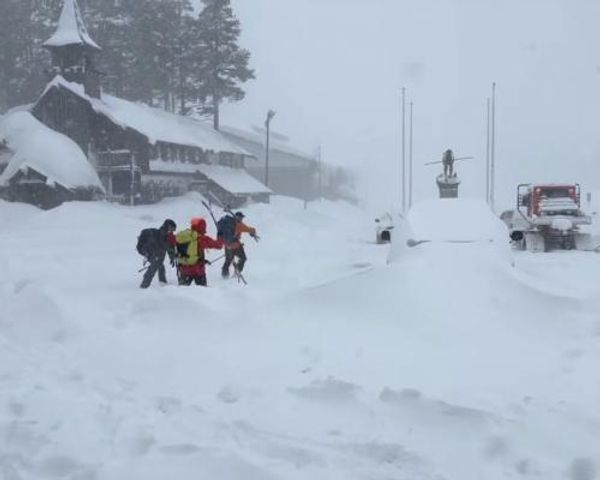
Obama spent much of Wednesday touting his conservation legacy, first during a speech in Lake Tahoe, Nev., then in remarks to Pacific Island leaders.
His top spokesman last week explained why Obama is stepping it up late in his presidency. Not surprisingly for a White House that has battled congressional Republicans since before its first day, Press Secretary Josh Earnest said lawmakers' inaction has forced Obama to act on his own.
"I know that there also has been a realization that there is a role for Congress to play in terms of setting aside certain territory, lands and waters in the United States for future preservation, but we haven't seen a lot of congressional activity of any sort, really, over the last few years," Earnest said last Friday. "And it has turned the president's attention to more robust use of executive action."