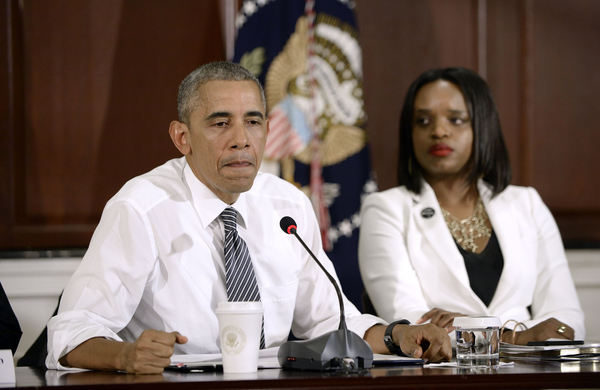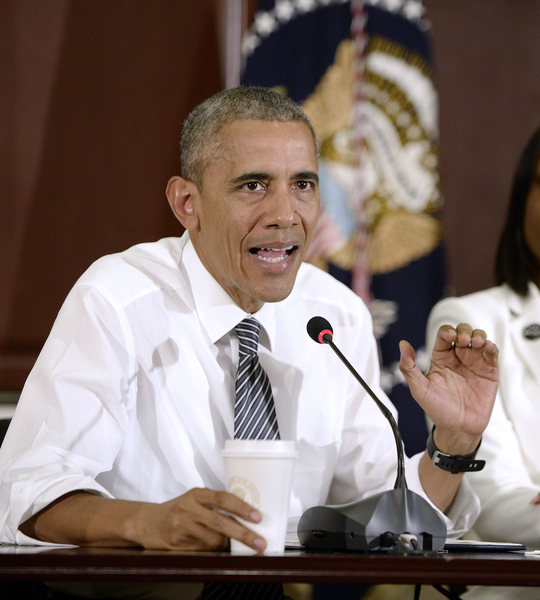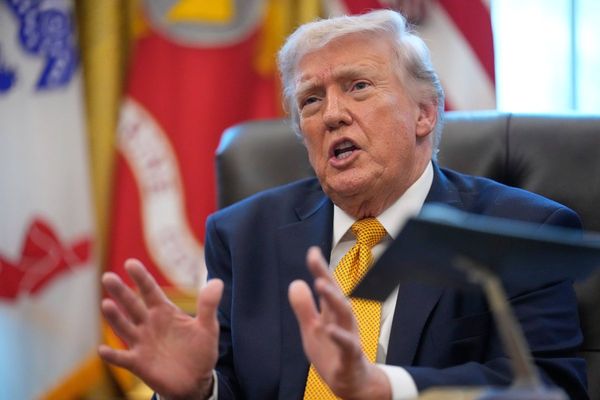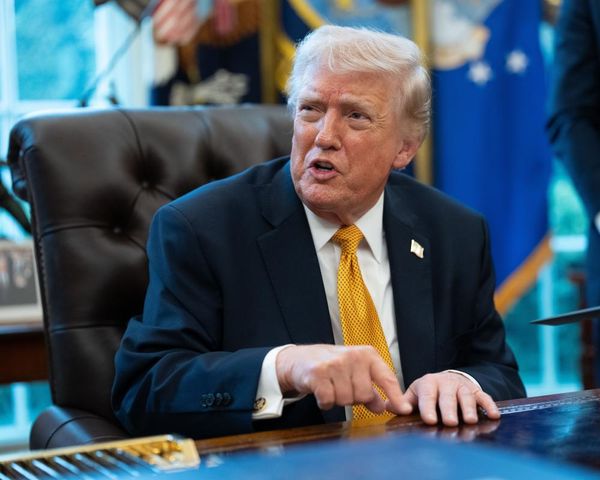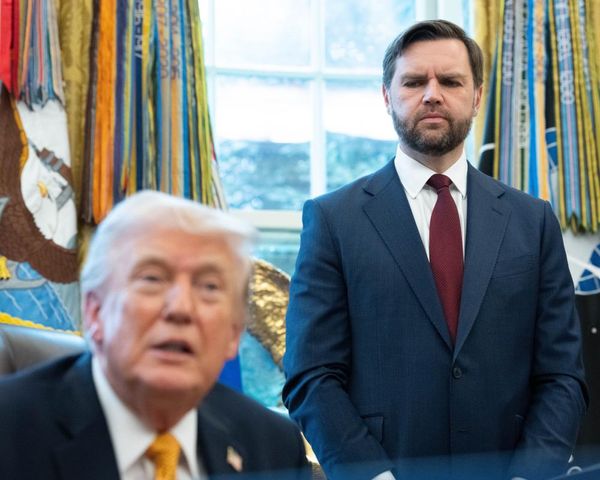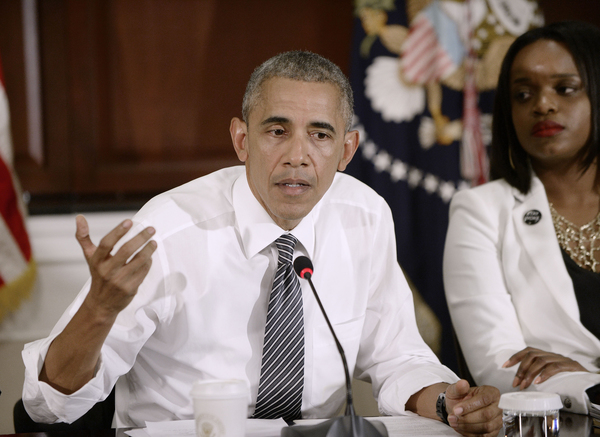
WASHINGTON _ In a farewell interview with CBS' "60 Minutes," President Barack Obama warned successor Donald Trump on Sunday about the downsides of a presidency as improvisational as his campaign, and suggested that Trump's vow to implement change may fall to the same forces of partisanship that hampered his presidency.
"He clearly was able to tap into a lot of grievances. And he has a talent for making a connection with his supporters that overrode some of the traditional benchmarks of how you'd run a campaign or conduct yourself as a presidential candidate," Obama said.
Yet while Trump's ability to communicate with supporters "through tweets and sound bites and some headline that comes over their phone" is powerful, Obama said, it also poses a danger: "What generates a headline or stirs up a controversy and gets attention isn't the same as the process required to actually solve the problem."
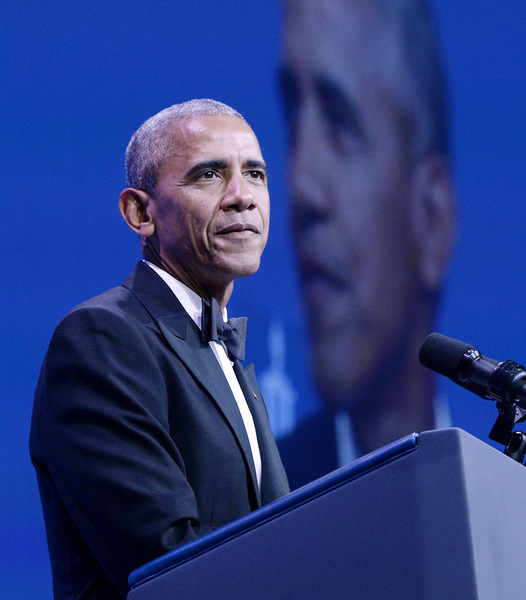
Obama suggested that the odds of Trump's success depended on Congress, and said that he continued to be surprised by how it limited his options.
"I will confess that I didn't fully appreciate the ways in which individual senators or members of Congress now are pushed to the extremes by their voter bases," said Obama, who during both of his presidential campaigns had suggested he would be able to bring the sides together.
"I did not expect, particularly in the midst of crisis, just how severe that partisanship would be.
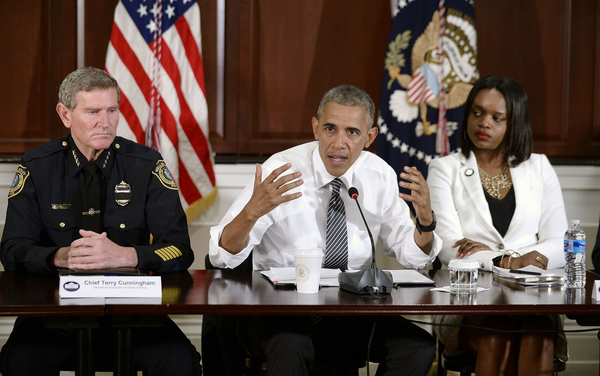
"I'm the first to acknowledge that I did not crack the code in terms of reducing this partisan fever," he said, citing as an example his inability to persuade the Republican Senate to hold hearings on a successor to Supreme Court Justice Antonin Scalia.
But he also acknowledged that his campaign rhetoric was not always matched by an ability to sell his proposals in Washington.
"We were very effective, and I was very effective, in shaping public opinion around my campaigns," he said. "But there were big stretches, while governing, where even though we were doing the right thing, we weren't able to mobilize public opinion firmly enough behind us to weaken the resolve of the Republicans to stop opposing us or to cooperate with us. And there were times during my presidency where I lost the PR battle."
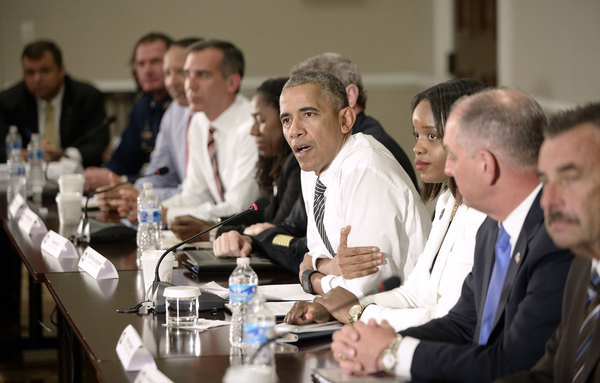
Obama cited as a particular failure the healthcare.gov website that was to serve as the portal for Americans signing up for his health insurance plan. Its troubled roll-out tainted the image of the program and offered his adversaries ammunition against his plan.
"If you know you got a controversial program, and you're setting up a really big, complicated website, the website better work on the first day or first week or first month," he said. "The fact that it didn't obviously lost a little momentum. That was clearly a management failure."
Obama said that he believed that it would take a decade for his presidency to be accurately assessed.
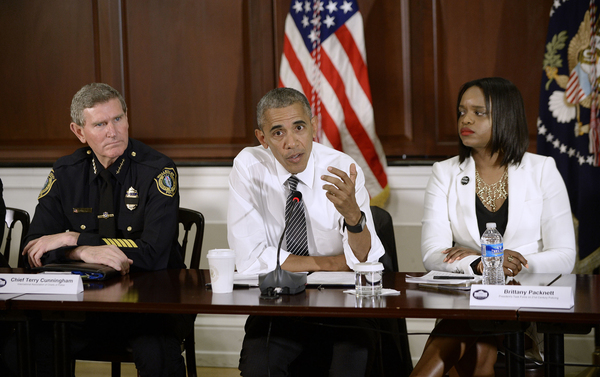
"Saving the economy was a pretty big deal," he said.
His hope for the nation, the president said, was for its democracy to remain healthy and its people to retain a sense of unity.
He said the recent controversy over Russian hacking of the 2016 election most shocked him not because it happened but because of the reaction of some Americans.
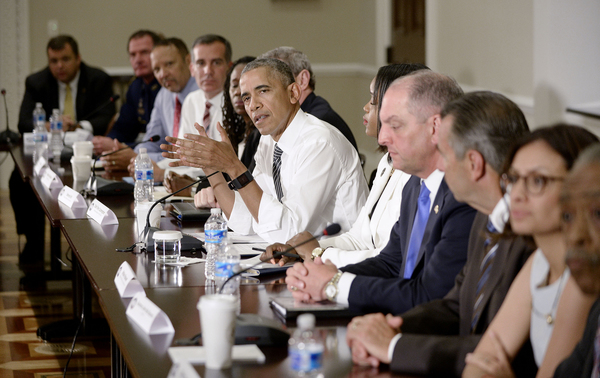
"I have been concerned about the degree to which in some circles you've seen people suggest that Vladimir Putin has more credibility than the U.S. government," he said, seeming to refer to the dismissal of the intelligence community's judgment by Trump and his loyalists.
"I think that's something new. And I think it's a measure of how the partisan divide has gotten so severe that people forget we're on the same team."