Financial battlelines have been drawn in New Zealand's election, with the opposition National party promising bumper tax cuts if elected at the October 17 poll.
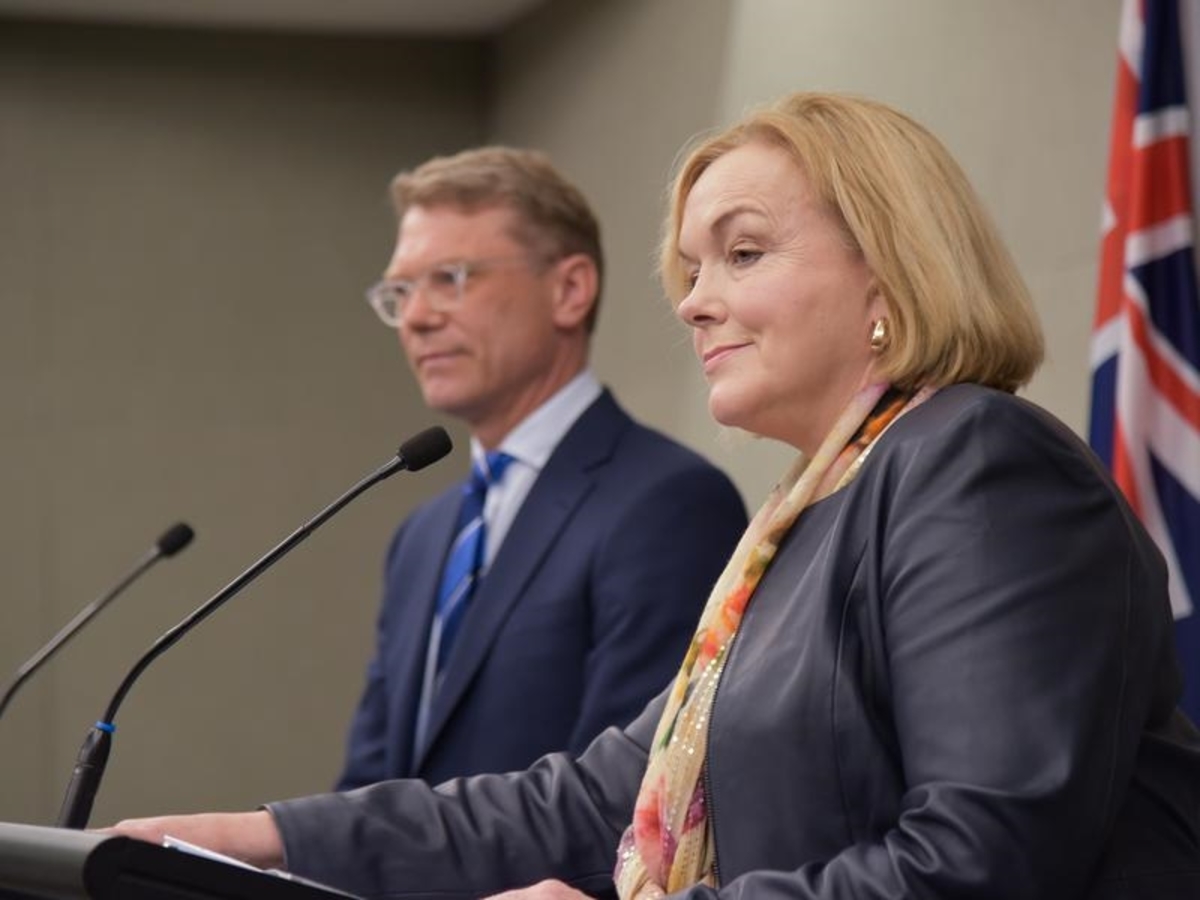
Opposition leader Judith Collins, who rose to the job in July, faces a mammoth task to reel in Jacinda Ardern's Labour party, which is sky high in the polls.
As of Friday, Ms Collins will boast a fresh advantage in her sell-job to Kiwis: tax cuts.
National is promising short-term tax relief as the centrepiece to its COVID-19 recovery plan, changing the country's income tax brackets for 16 months from December.
Finance spokesman Paul Goldsmith says the changes will save the average Kiwi worker $NZ3000 ($A2770), costing the government $NZ4.7 billion ($A4.3 billion).
"It's clear New Zealand is facing the biggest economic downturn the world has seen in living memory," Ms Collins said.
"We will need more stimulus to avoid prolonging the recession and to reduce the economic and social scarring Treasury predicts.
"The fairest and most efficient way to do that is through the tax system."
In contrast, Ms Ardern is proposing a modest tax hike.
Labour proposes to introduce a new top tax rate of 39 per cent for income earners over $NZ180,000 ($A166,000), which will affect two per cent of Kiwis and bring in around $NZ550 million ($A508 million) annually.
"Our plan strikes a balance as we recover from COVID-19," Labour's Finance Spokesman Grant Robertson said.
"The new rate will cost $23 a week for an individual earning $200,000, but it will make a big difference to the country's ability to maintain the investments needed for the economy to bounce back."
National will also allow businesses to double depreciation rates, in order to "get businesses spending like crazy".
Just two weeks before Kiwis can start to vote in the poll, the opposition has also released its policy costings.
In addition to the tax cuts, it will also claim a quicker pathway towards a budget surplus after drawing upon the government's $NZ14 billion ($A12.9 billion) "rainy day" COVID-19 fund many measures.
Mr Goldsmith says National's plan will have the budget in surplus by 2028, compared to Treasury forecasts released this week which show deficits for the next 15 years.
It has abandoned a long-running goal to keep government debt at 30 per cent of GDP, instead committing to lower debt than Labour.