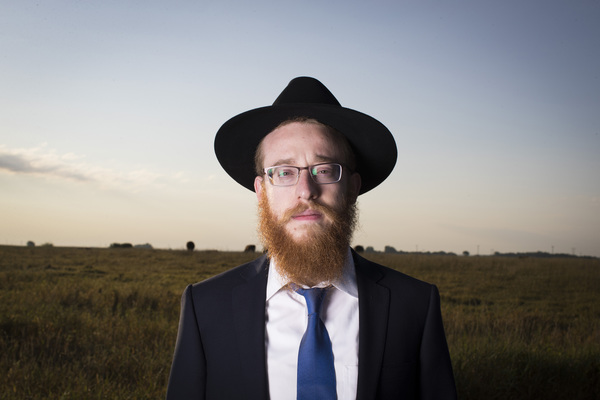
SIOUX FALLS, S.D. _ In the living room of a sprawling house on the edge of Sioux Falls, Mendel Alperowitz is winding a leather strap around the arm and fingers of Stuart Jacobs.
A box attached to the strap rests in Jacobs' elbow; inside is a scroll inscribed with seminal Jewish prayers that proclaim one God and profess man's duty to love that God. Another box rests on his forehead. They are performing the Jewish ritual of tefillin at Jacobs' home.
Alperowitz leads Jacobs in a prayer he once had memorized.
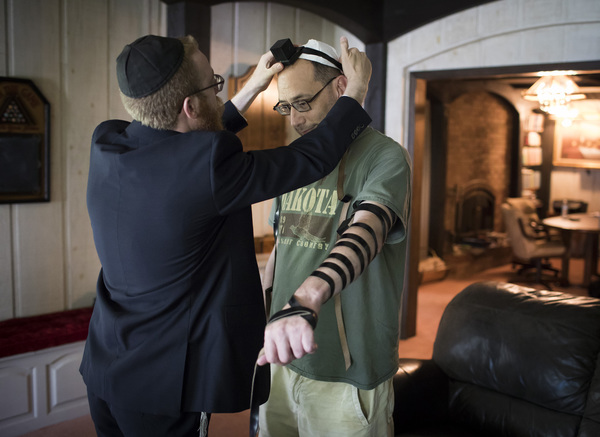
"V'ahavata. Et. Adonai. Elohecha. B'chol. L'vavcha," Alperowitz says and Jacobs repeats. "You shall love your God with all your heart."
When the prayer is over, Alperowitz takes out a ram's horn, a shofar, through which he blows a series of long and short blasts.
Jacobs, 55, takes it in with a wide grin.
"It always makes me feel better to do tefillin," Jacobs said, "because it takes me back to where I belong."
Jacobs, who was born and raised in the Bronx, is part of a tiny community of Sioux Falls Jews that has long gathered to pray and commune without a permanent rabbi. The last full-time spiritual leader of Mount Zion _ the only synagogue in South Dakota east of the Black Hills _ retired in 1978.
Lay leaders have picked up the slack, along with rabbinical students who fly in every other week from Hebrew Union College in Cincinnati. But some of the more observant felt something was lacking.
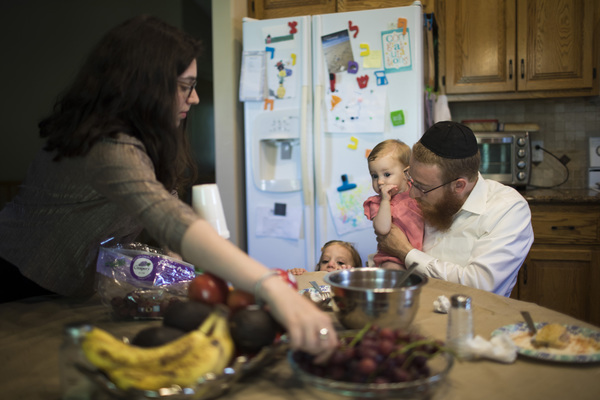
"I was starved for a leader," said Beverly Christensen, who has lived in South Dakota for 24 years.
Enter Mendel Alperowitz.
A clergyman without a congregation, Alperowitz moved to this city on the prairie to serve as a kind of Pied Piper for the Jews who don't have a spiritual home.
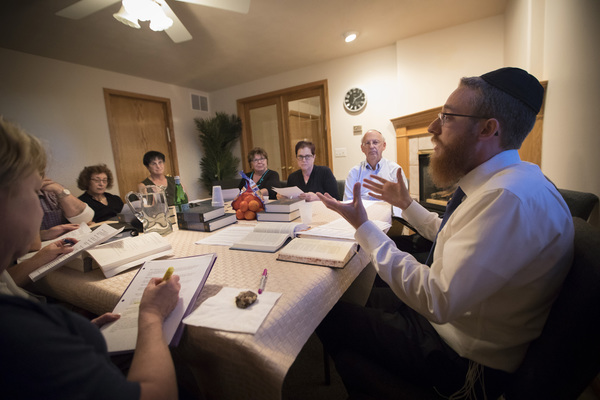
"My goal is that there should not be a single Jew in the state of South Dakota who feels that they don't have a way to express their Judaism," he said.
Although there are two synagogues and long established Jewish communities in South Dakota, Alperowitz has come for the isolated and the unaffiliated, whether they are devout or haven't prayed since childhood.
"No matter how far away they live from the Jewish community, however far across the state, we'll be there, we'll be visiting with them, in touch with them, doing Jewish things together," he said.
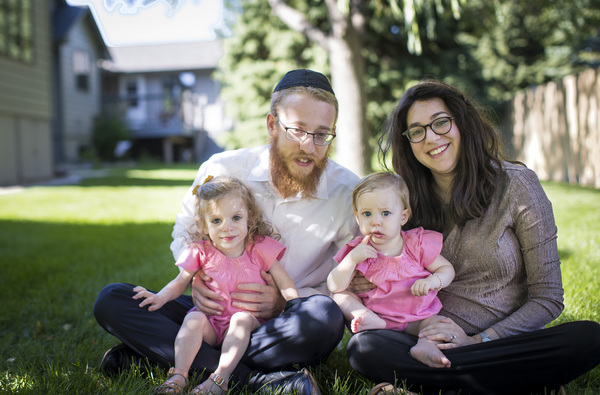
Since his arrival, the people who go to his classes or welcome him into their homes seem almost giddy to take part. Some have cried. Others have stopped him in public just to ask questions.
"I walk down the street, I'm a symbol of Judaism," he said, "whether I like it or not."
The 27-year-old has no intention of interfering with the state's synagogues, Mount Zion in Sioux Falls and Synagogue of the Hills in Rapid City. (While welcoming Alperowitz and his family, leaders from both synagogues say they've been self-sufficient long enough without a rabbi.)
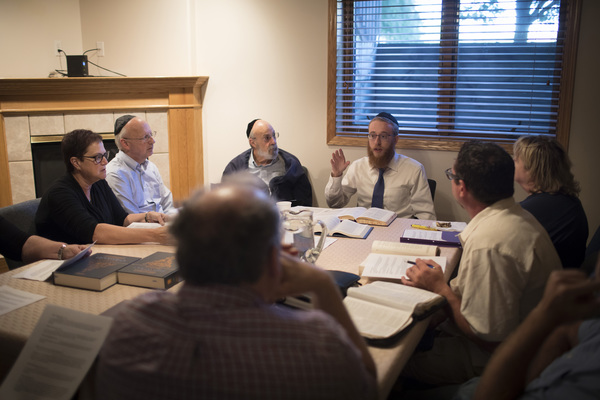
But with most of South Dakota's Jews practicing a far more liberal strain of Judaism, or none at all, some of the state's Jews are asking whether Alperowitz is the rabbi South Dakota needs.