Enhanced DBS checks and new sleeping guidelines must be implemented nationally by nurseries as part of a two-fold plan to help keep children safe, a Labour MP has said.
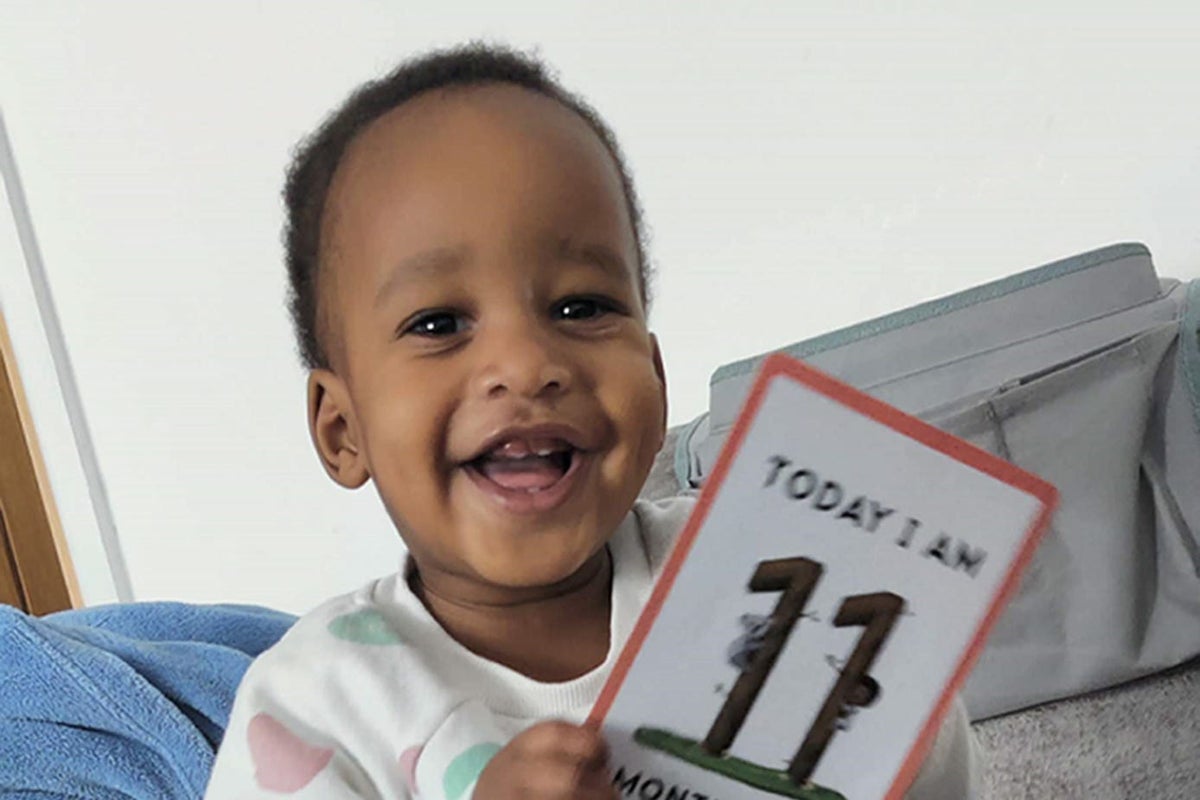
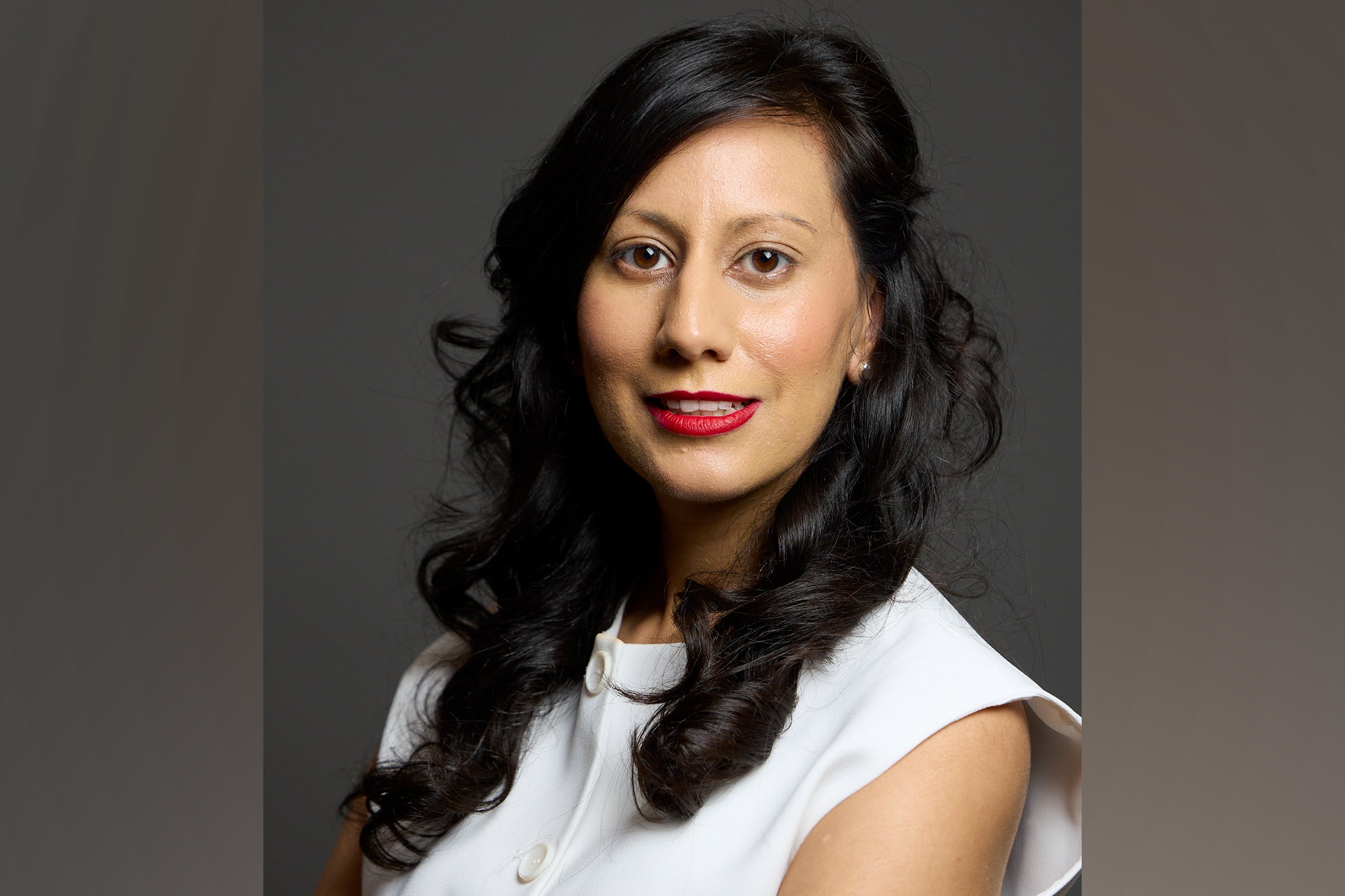
Sonia Kumar MP last month raised the tragic case in the Commons of her constituent’s son, Noah Sibanda, a 14-month-old who died at Fairtytales Day Nursery in Dudley, after a staff member placed a blanket over his head and repeatedly forced him to sleep.
There were almost 20,000 reports of serious childcare incidents in English nurseries in the five years to March 2024, according to figures obtained by the BBC last year. That was up 40 per cent on the previous five years.
“It was heartbreaking to hear this story when Noah’s mother, Masi Sibanda, first came to speak to me about it,” Ms Kumar told The Independent.
“You would never want your child to be in a situation where you are dropping them off in good faith to not have them return.”
Currently, it is the legal requirement for anyone working directly with children to have an enhanced DBS check with barred lists.
The Department for Education is updating the Early Years Foundation Stage statutory framework to explicitly incorporate strict, standardised "safer sleep" requirements directly into legislation and law for September 2026.
However, the Labour MP for Dudley said despite the enhanced DBS checks and improved sleeping guidelines, “something has gone terribly wrong”.
She said: “Coming to the root and branch of why this is happening is paramount”, adding it is “the responsibility of management and leadership” to “root out anyone who shouldn’t be doing the job”.
“Whether that’s through the first check of DBS; the interview they have; the training they make sure they organise; the implementation of it; and then recognising behaviour as well,” she said.
The installation of CCTV has been mooted in nurseries to help make them safer for children.
A survey by the National Day Nursery Association (NDNA) in April suggested that only around a third of nurseries have CCTV installed. Out of 276 nursery groups and nurseries who responded, 94 currently use CCTV, 98 have no plans to introduce it and 84 are considering it.
Mandatory CCTV in all nurseries has been a crucial part of the Campaign for Gigi, named after nine-month-old Genevieve Meehan who died in 2022 after she suffocated from being strapped face down to a beanbag and left for more than 90 minutes in a nursery in Stockport, Greater Manchester.
The parents of Genevieve, Katie and John Meehan have been joined by The Lullaby Trust in also calling for CCTV to be used by Ofsted to monitor regular practices in nurseries.
The devastated parents believe that without CCTV, they would not have known how unsafely she was put to sleep and her killer would never have been held accountable.
A Westminster Hall debate on the use of CCTV in nurseries and early years providers’ took place in February, where Early Years’ minister Olivia Bailey said a monthly expert advisory panel will meet to consider how CCTV and digital devices should be employed and monitored in these spaces.
Grieving parents of children who tragically died in nurseries will be invited to contribute to this panel to inform new guidance on safeguarding in early years settings.
When asked about her views on CCTV in nursery, Ms Kumar said camera surveillance manages “the symptom, not the root of the problem”, pointing out that Noah’s nursery did have CCTV.
But similarly to Genevieve’s case, while CCTV did not prevent these senseless deaths, it helped to bring the perpetrators to justice.
Jenny Ward, chief executive of The Lullaby Trust, said they would like to see CCTV utilised fully in nursery settings as part of “regular monitoring and training, and not only once a serious incident has happened”.
She added: “There is inconsistency in systems and safeguards that should be there to keep children safe, and better support early years professionals. Up until recently, there was a lack of clear, specific statutory guidance, particularly around safer sleep in nursery settings.
“There can also be inconsistent training and knowledge, meaning not all staff are trained on safer sleep and would feel confident to identify or challenge unsafe practices.
“The next priority is ensuring that knowledge is passed on in training for early years staff, and embedded into systems. When guidance is clear, training is consistent and safeguards are robust – it better supports early years professionals to keep children safe.”