Number of chinstrap penguins in Antarctica has fallen sharply - scientists
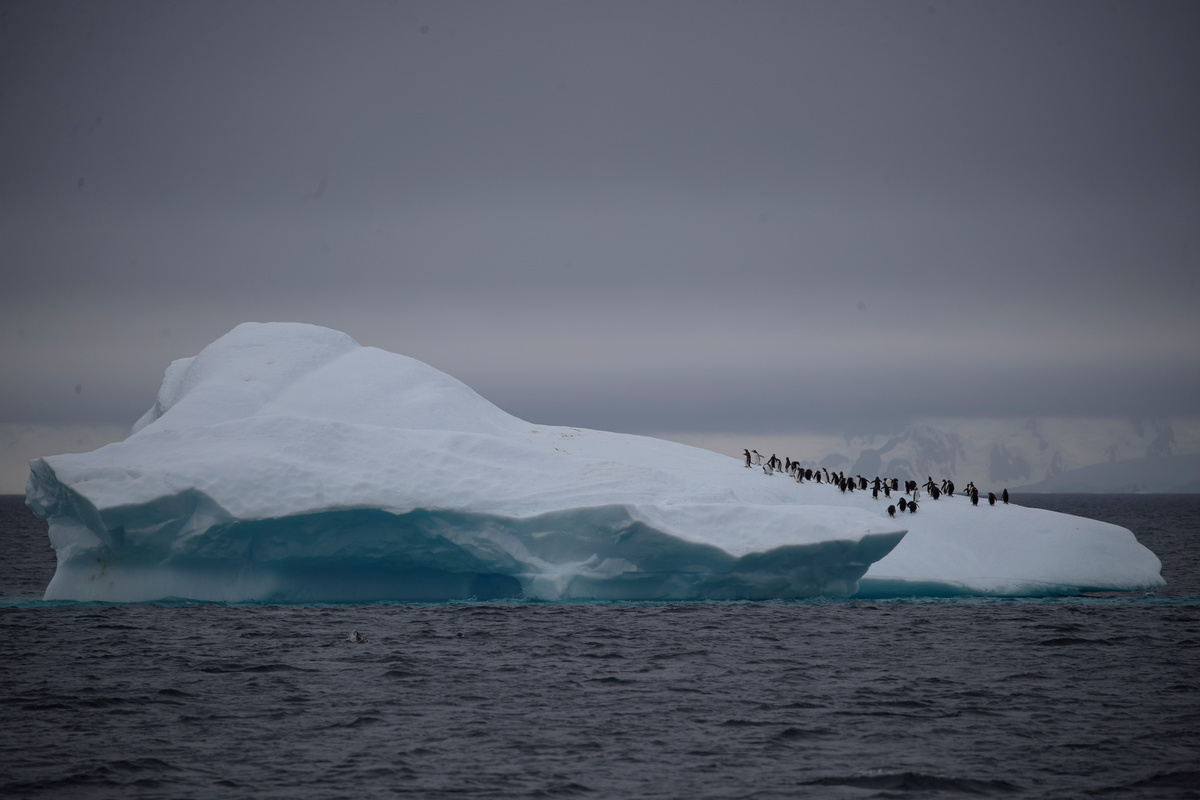
FILE PHOTO: A group of chinstrap penguins walk on top of an iceberg floating near Lemaire Channel, Antarctica, February 6, 2020. REUTERS/Ueslei Marcelino
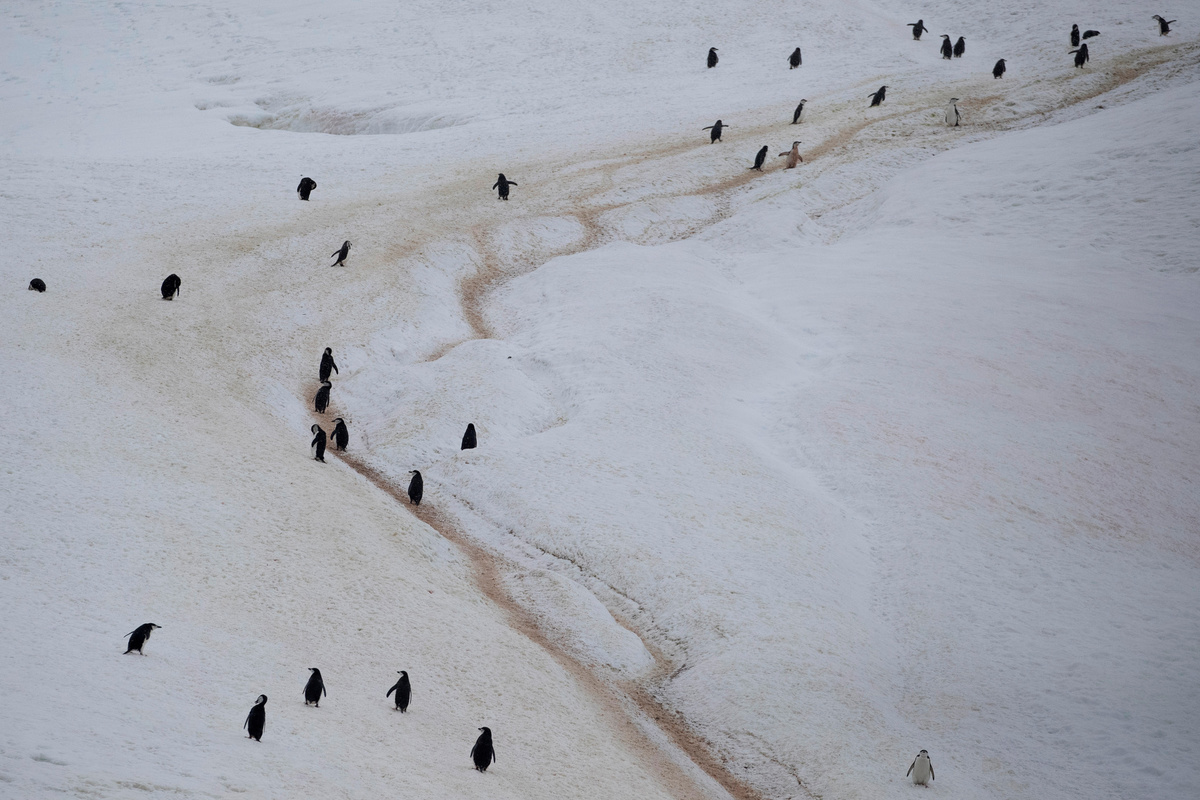
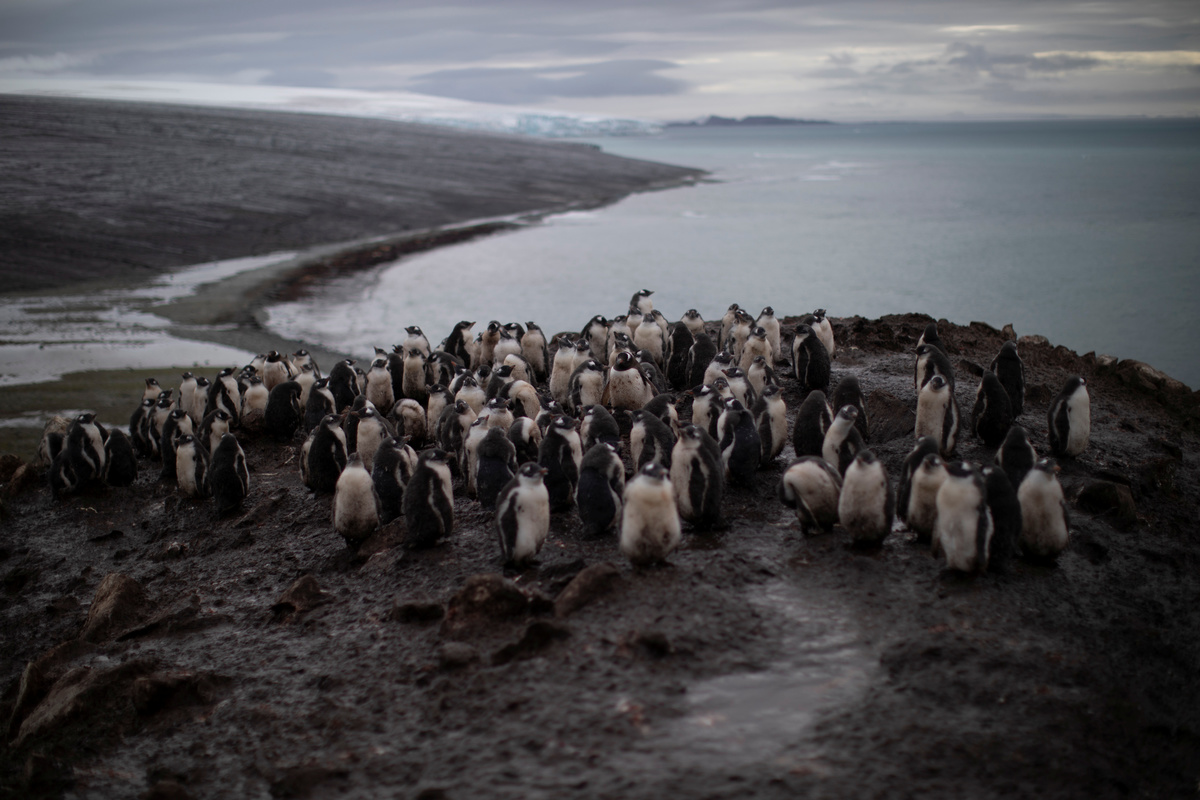
The number of chinstrap penguins in some colonies in Western Antarctica has fallen by as much as 77% since they were last surveyed in the 1970s, say scientists studying the impact of climate change on the remote region.
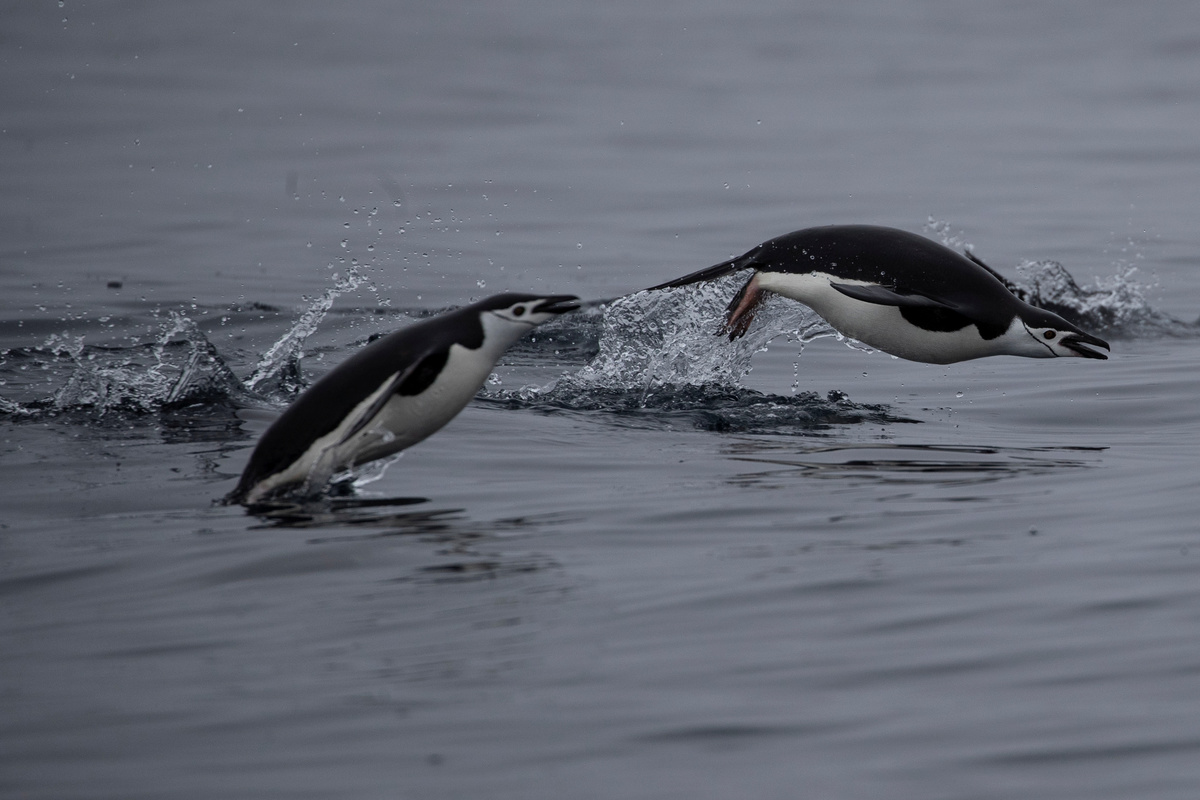
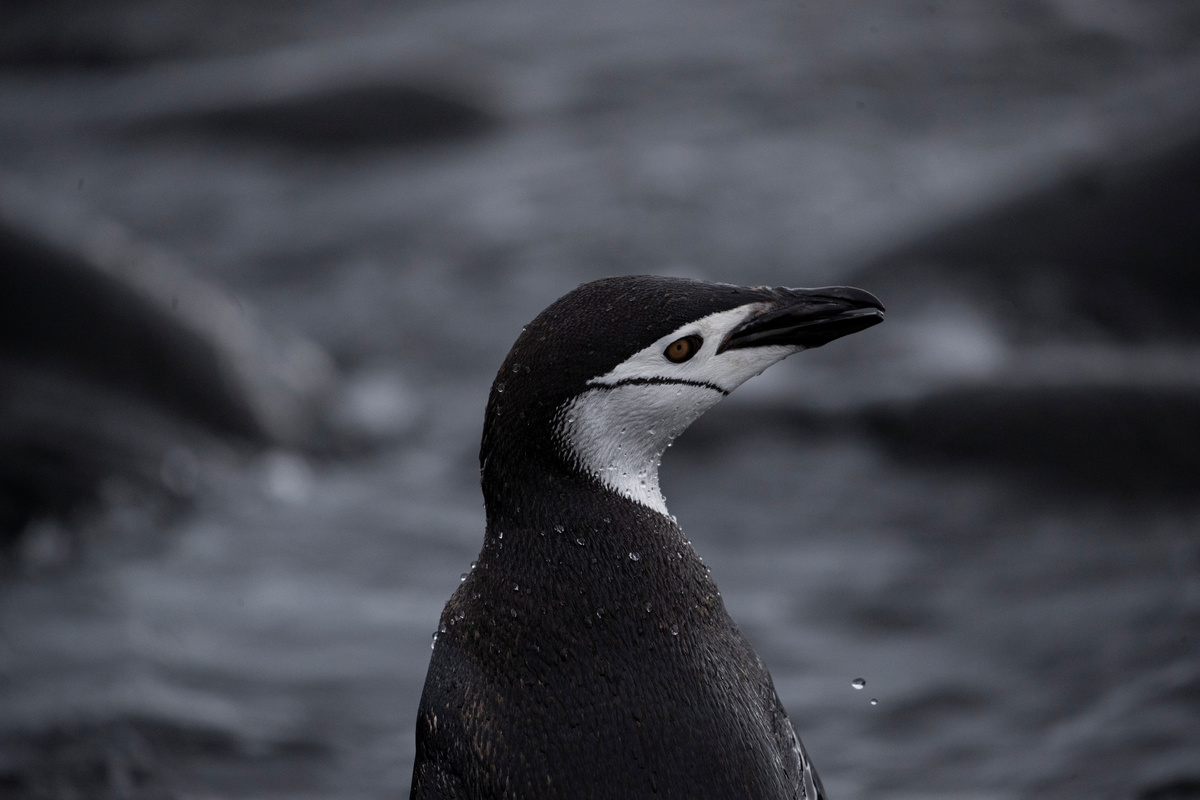
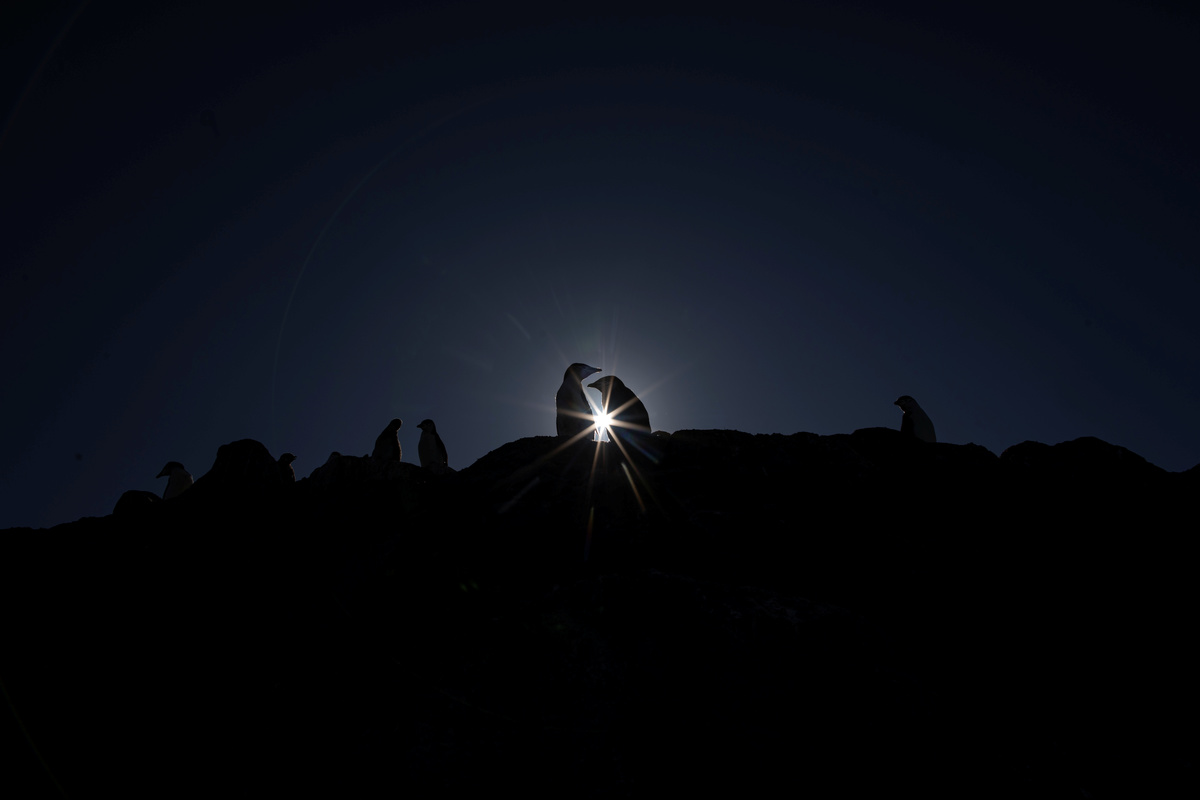
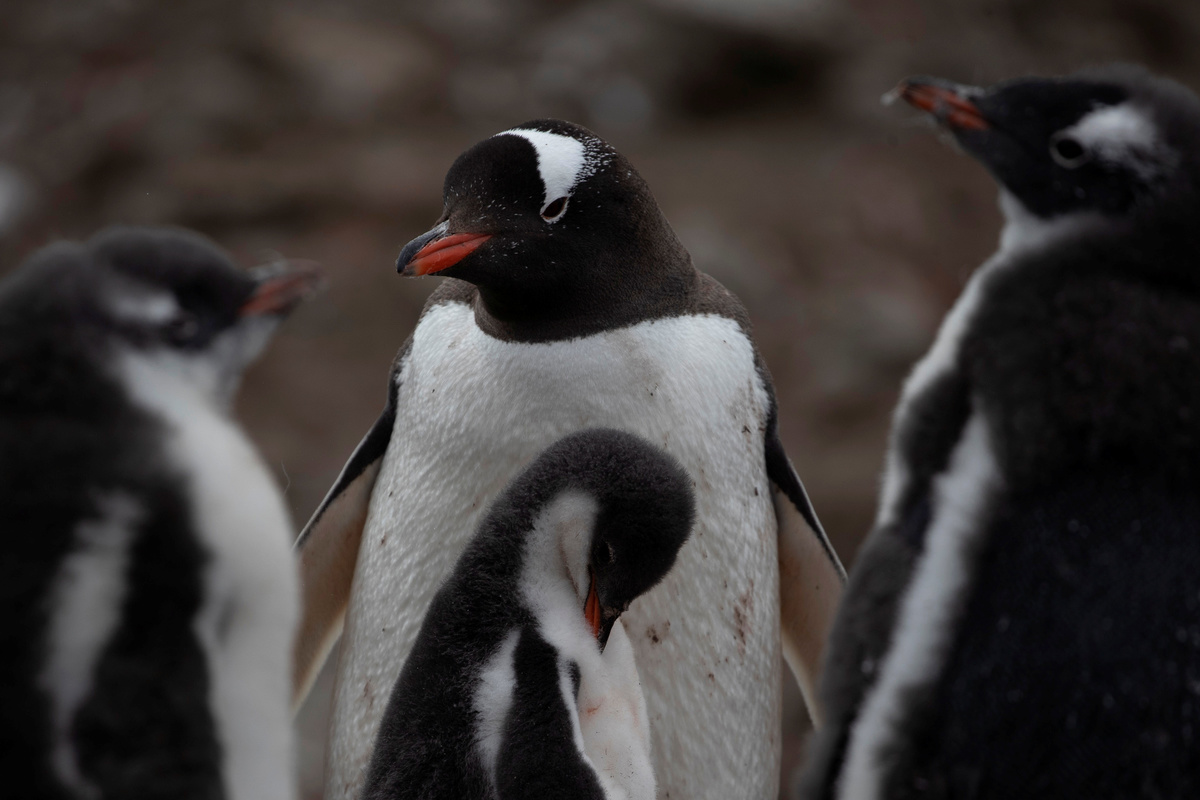
The chinstrap penguin, named after the narrow black band under its head, inhabits the islands and shores of the Southern Pacific and Antarctic Oceans and feeds on krill.
FILE PHOTO: A pair of chinstrap penguins swim near Two Hummock Island, Antarctica, February 2, 2020. REUTERS/Ueslei Marcelino
"The declines that we've seen are definitely dramatic," said Steve Forrest, a conservation biologist who joined a team of scientists from the two U.S. universities of Stony Brook and Northeastern on an Antarctic expedition that has just ended.
"Something is happening to the fundamental building blocks of the food chain here. We've got less food abundance that's driving these populations down lower and lower over time and the question is, is that going to continue?"
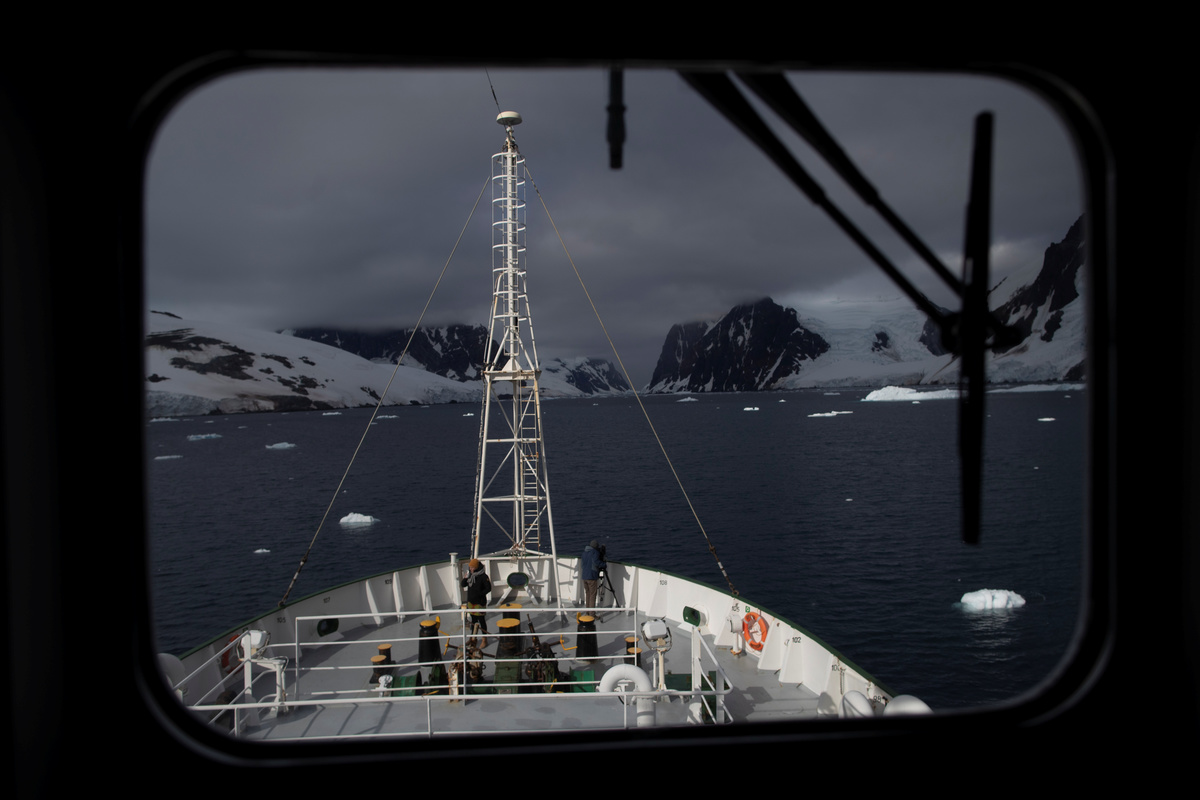
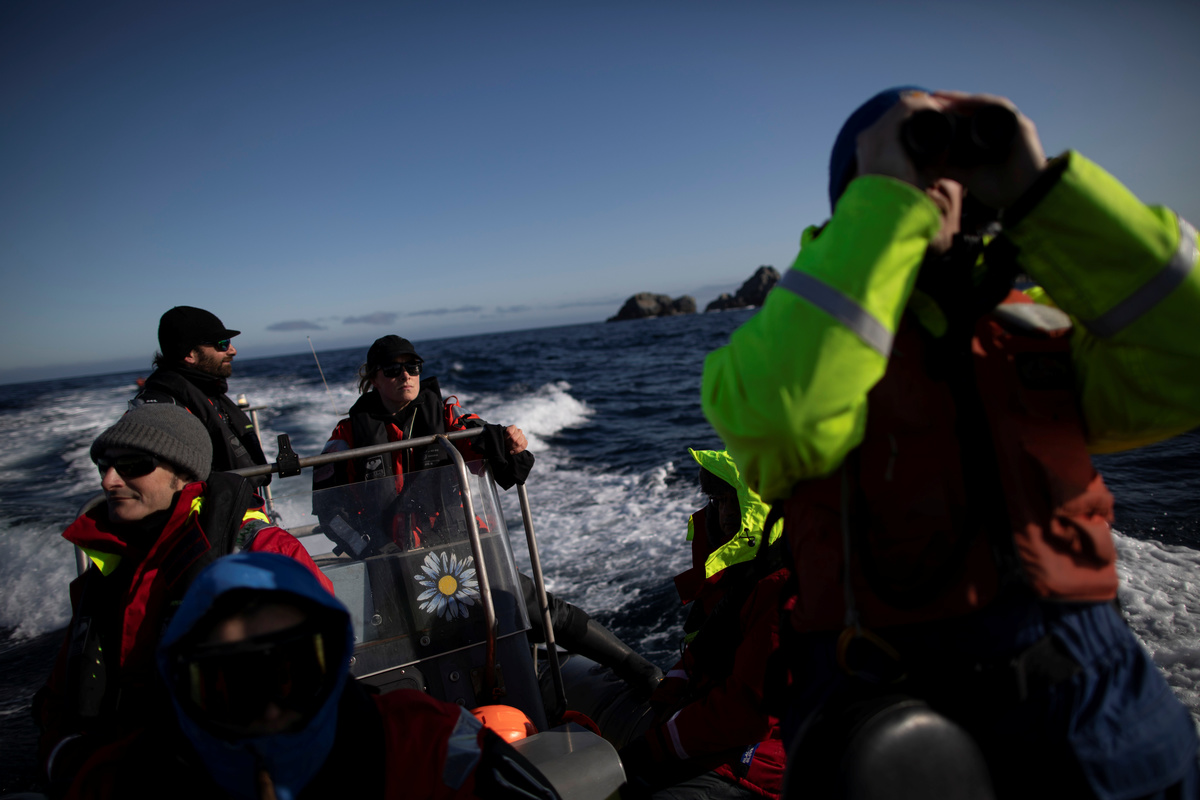
The scientists, travelling on two Greenpeace ships, the Esperanza and the Arctic Sunrise, conducted their expedition to Western Antarctica from Jan. 5 to Feb. 8, and used manual and drone surveying techniques to assess the scale of the damage.
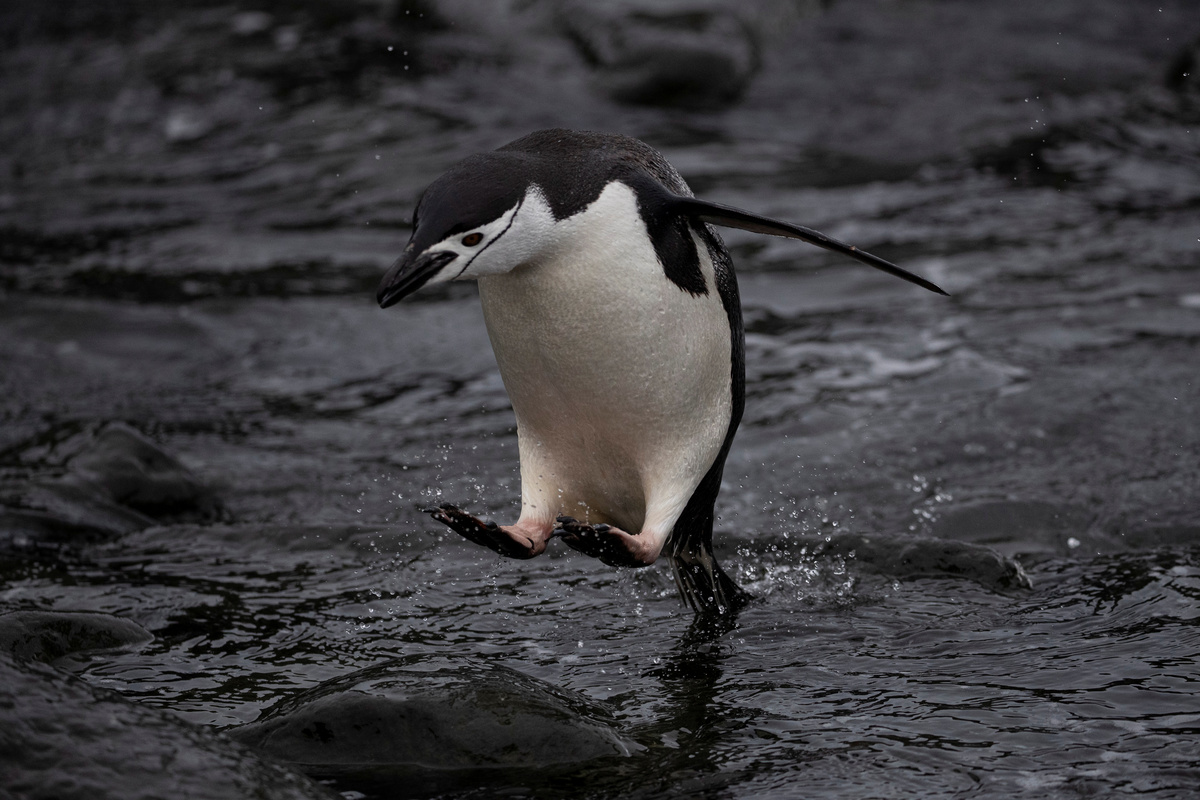
FILE PHOTO: A chinstrap penguin jumps into the water at Snow Island, Antarctica, January 30, 2020. REUTERS/Ueslei Marcelino
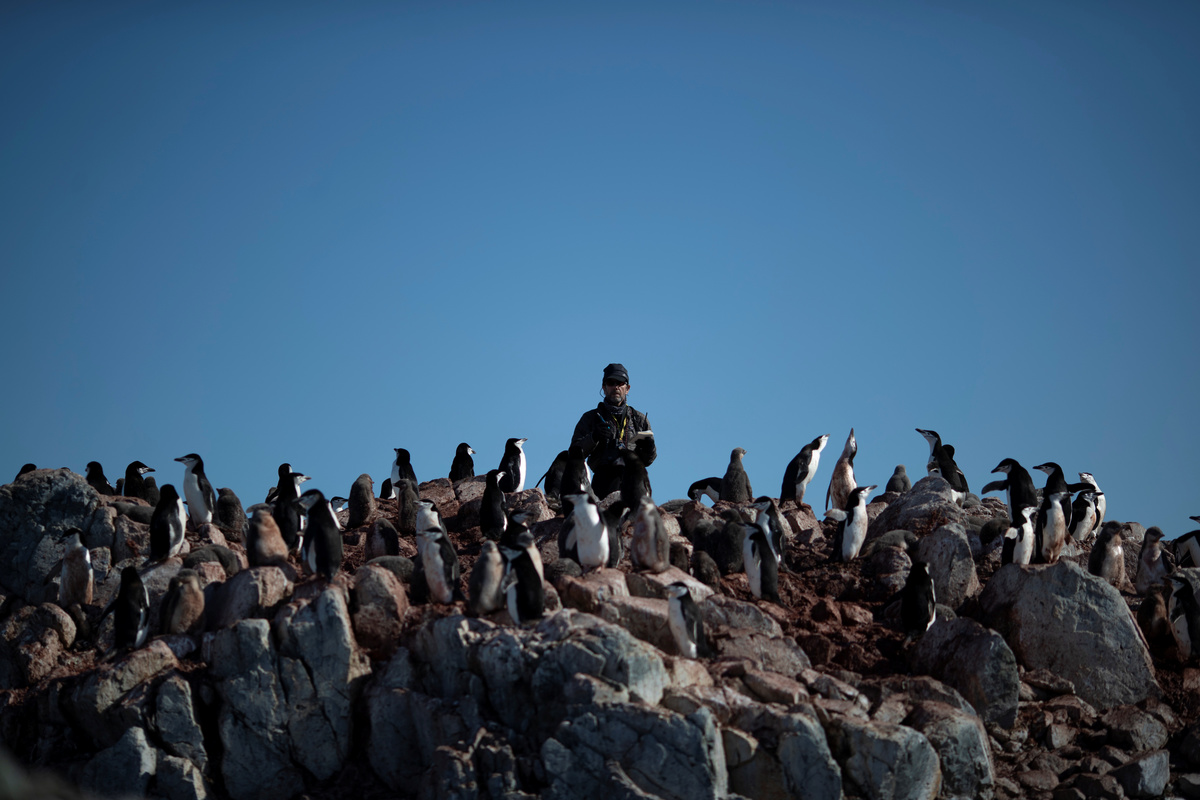
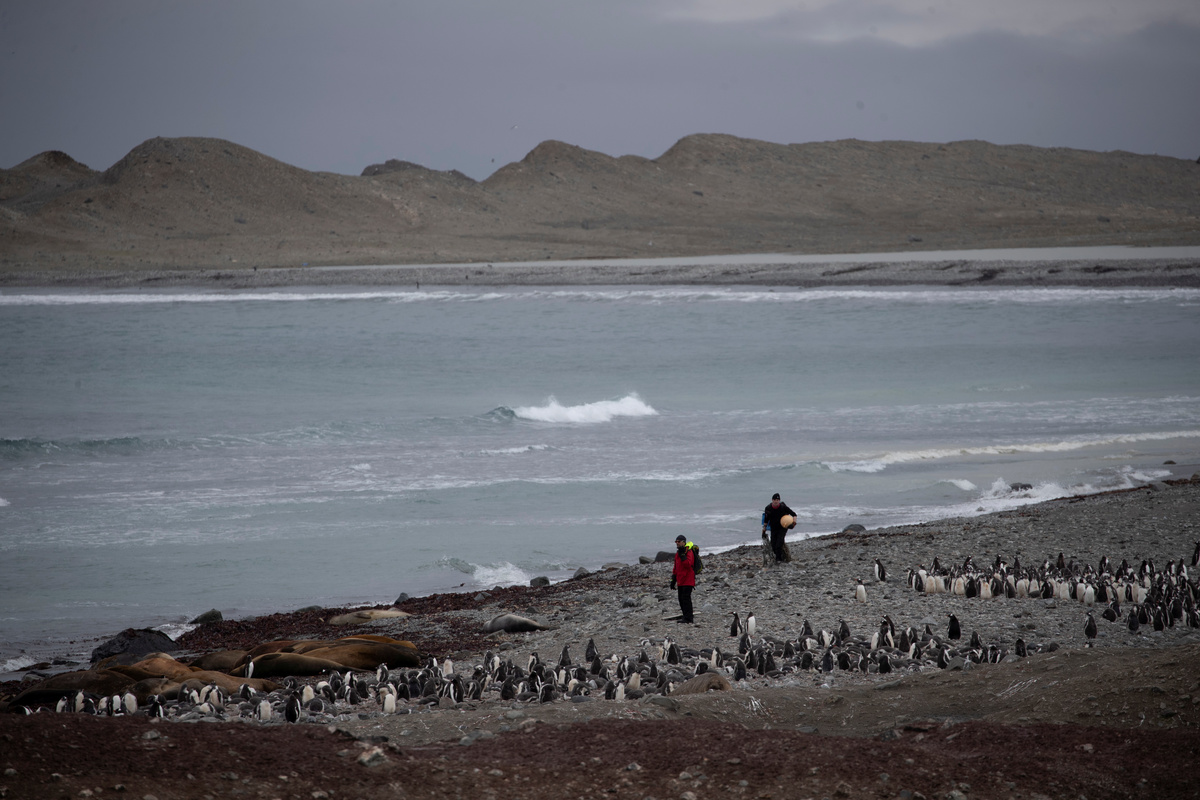
The number of chinstraps at one important habitat in the region, Elephant Island, has plummeted by around 60% since the last survey in 1971, to fewer than 53,000 breeding pairs today, the expedition found.
"While several factors may have a role to play, all the evidence we have points to climate change as being responsible for the changes we are seeing," said Heather Lynch, associate professor of ecology and evolution at Stony Brook University.
The World Meteorological Organisation said last week that a research base in Antarctica had recorded the hottest temperature ever for the continent - 18.3 degrees Celsius (64.94 degrees Fahrenheit) - as global warming causes an increase in melting of the ice sheets around the south pole.
FILE PHOTO: A chinstrap penguin stands on Snow Island, Antarctica, January 30, 2020. REUTERS/Ueslei Marcelino
PUNGENT SMELL
A pungent smell of penguin excrement informs the scientists that they are nearing a colony even before they can hear the birds' loud, harsh call.
FILE PHOTO: A colony of chinstrap penguins gather on Anvers Island, Antarctica, February 4, 2020. REUTERS/Ueslei Marcelino
The birds have not learnt to fear humans, so they mostly ignore their visitors.
Greenpeace is calling on the United Nations to commit to protect 30% of the world's oceans by 2030, a target called for by scientists and a growing number of governments as the minimum needed to halt the damage being done by harmful human activity.
The U.N. will meet from March 23 to April 3 to try to agree a global ocean treaty, which could then take years to ratify.
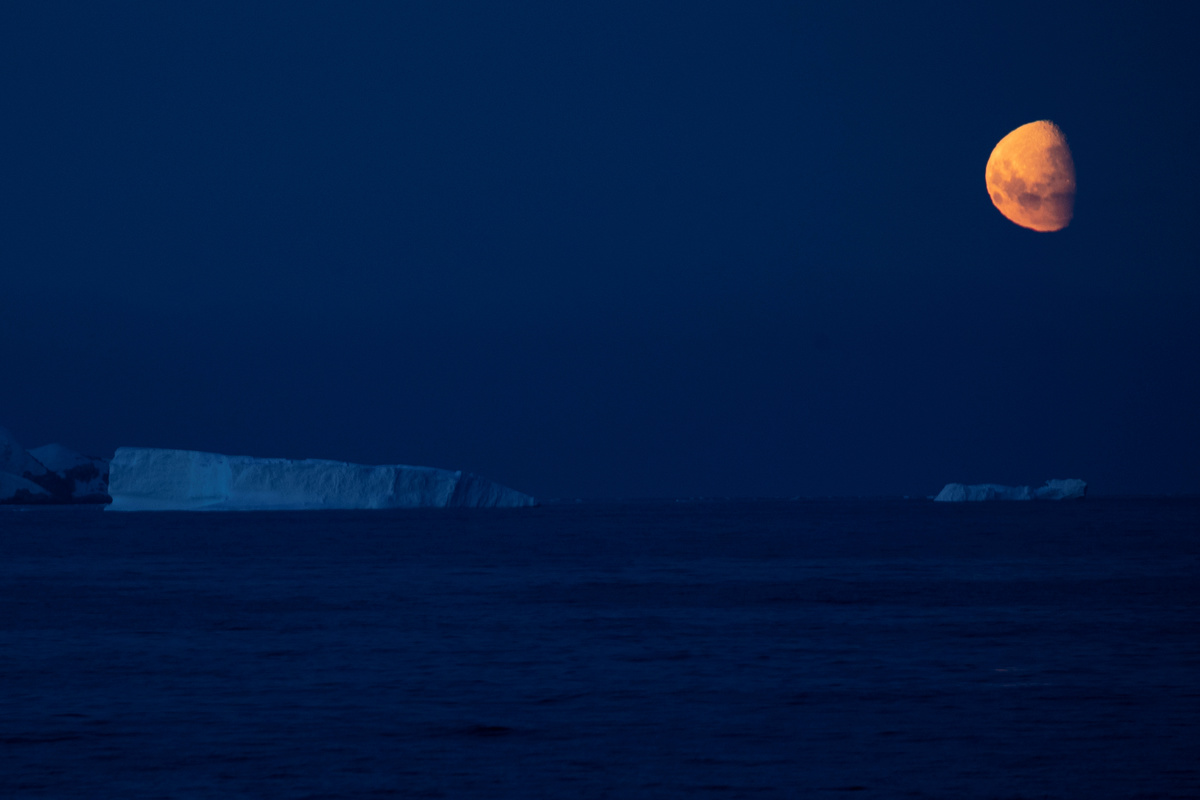
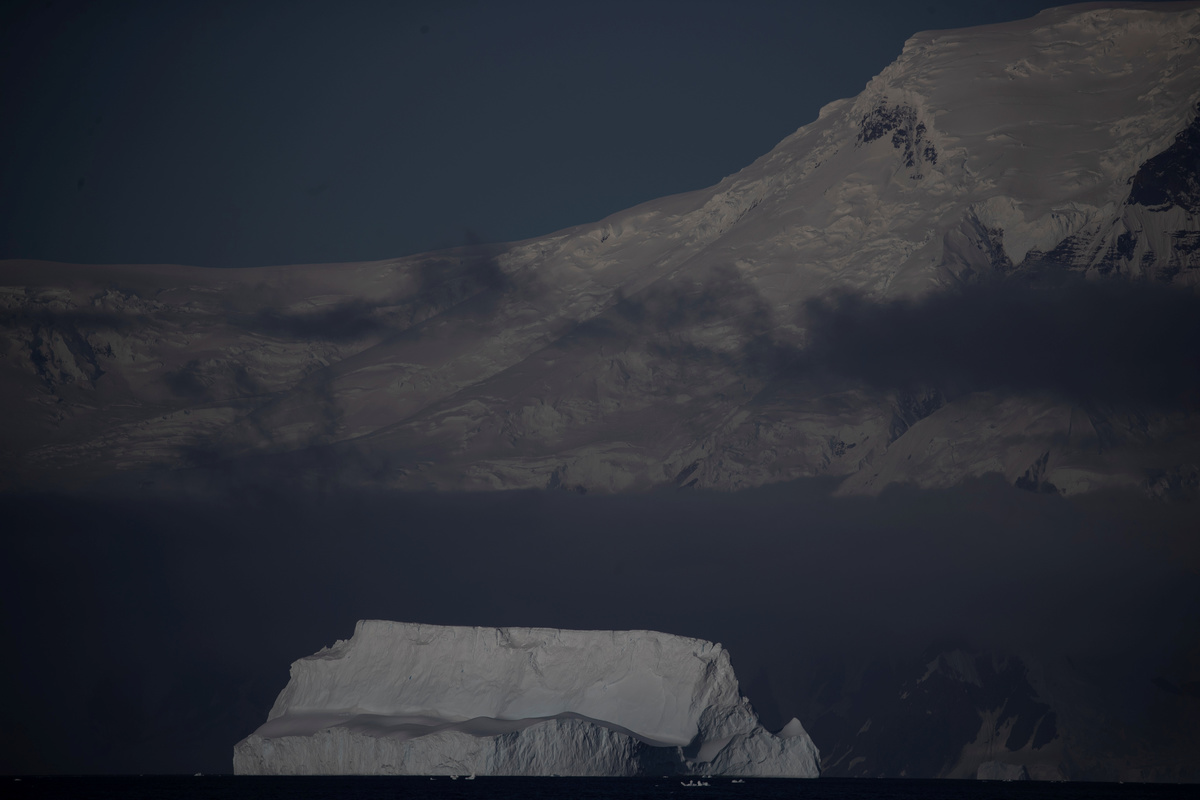
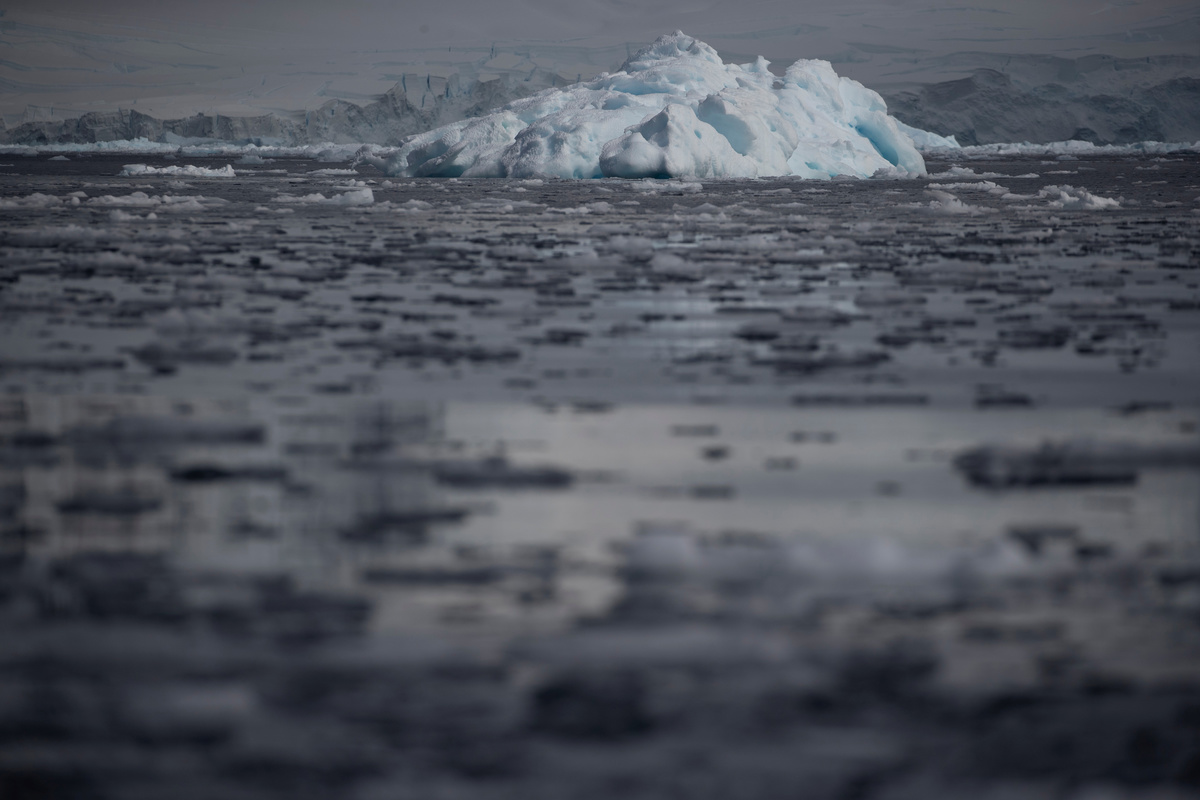
FILE PHOTO: The moon shines over icebergs near Fournier Bay, Antarctica, February 3, 2020. REUTERS/Ueslei Marcelino
"I think we stand to lose much of what we love... like the penguins from Elephant Island, but I think in the end it’s what kind of world do we want to live in?" Frida Bengtsson, Greenpeace Oceans campaigner, told Reuters off Anvers Island.
"Our oceans are incredibly important to regulate our global climate."
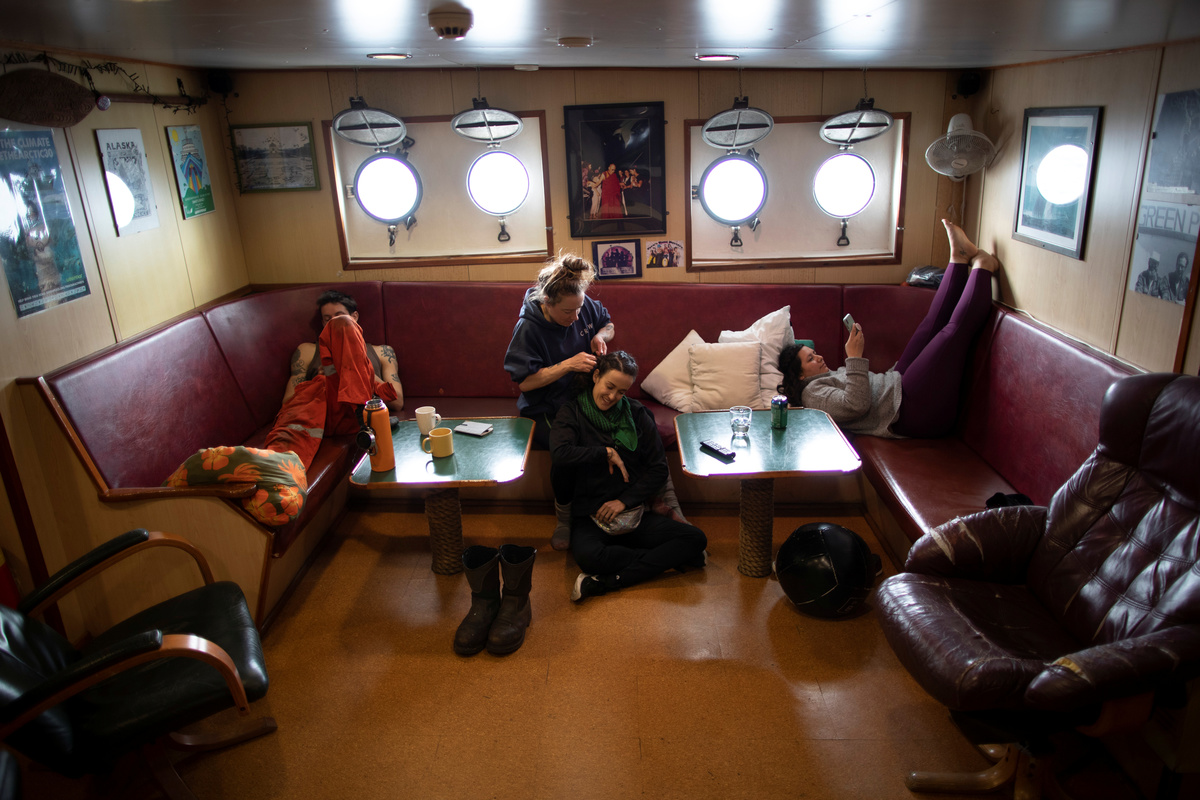
For 36-year-old Usnia Granger, a Greenpeace activist who worked as a deck hand on the expedition, visiting Antarctica was "a dream come true", though it involved lots of hard work cleaning, painting, mooring and helping to clear away some of the garbage that washes up in Antarctica.
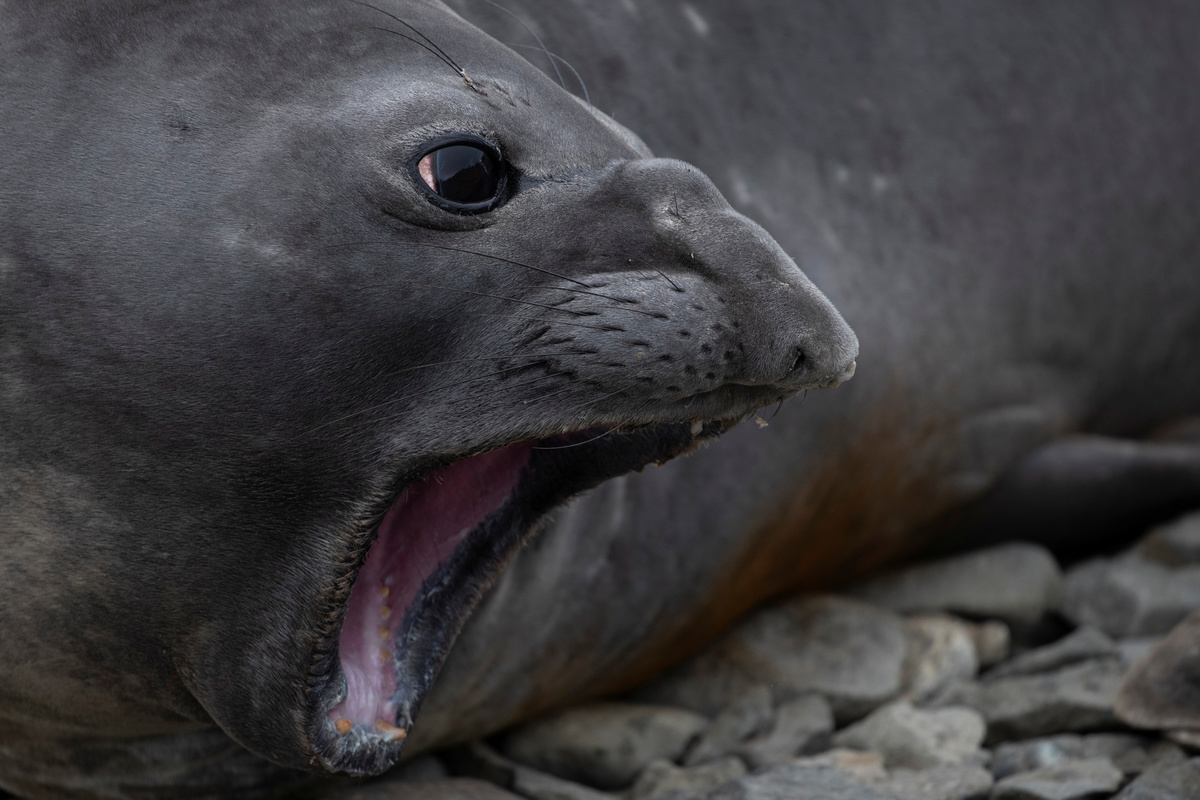
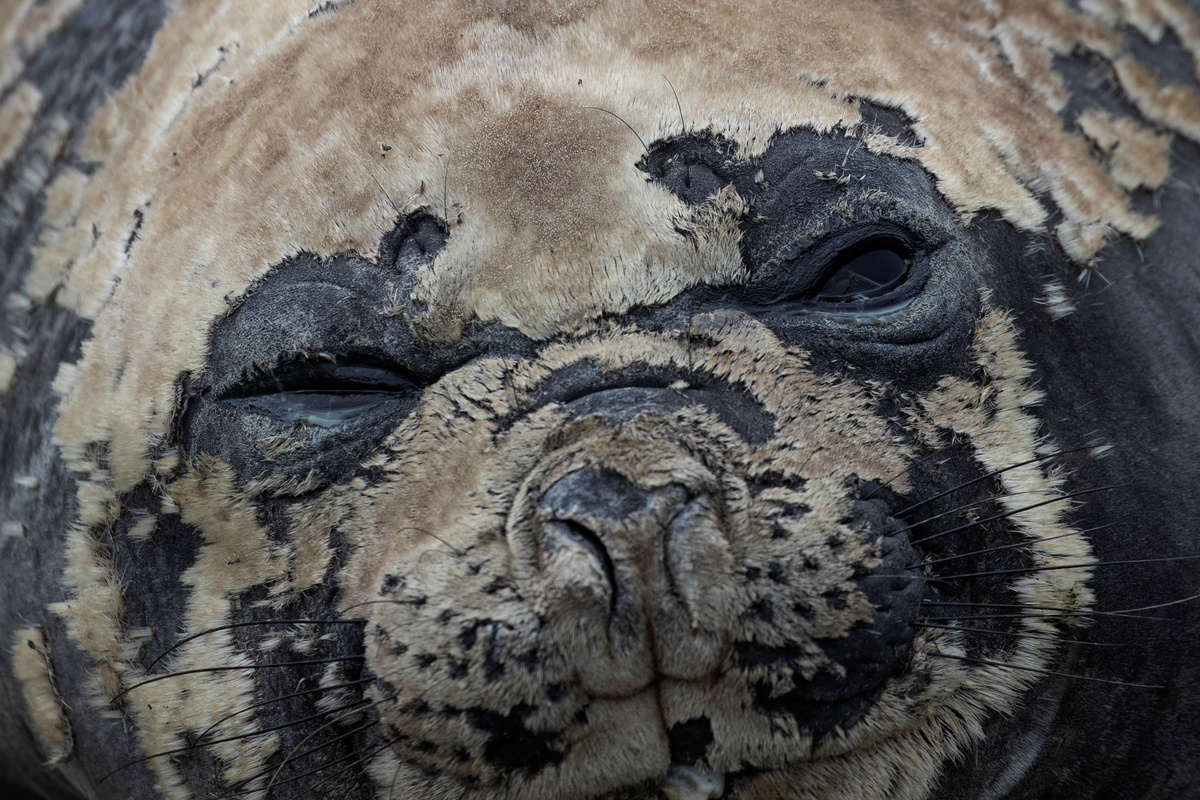
FILE PHOTO: A seal reacts on Snow Island, Antarctica, January 30, 2020. REUTERS/Ueslei Marcelino
"I think climate global chaos is wreaking havoc everywhere and I don’t imagine Antarctica will be any different from that," she told Reuters. "It feels like a privilege to see it now before it starts to change anymore."
(Editing by Gareth Jones)
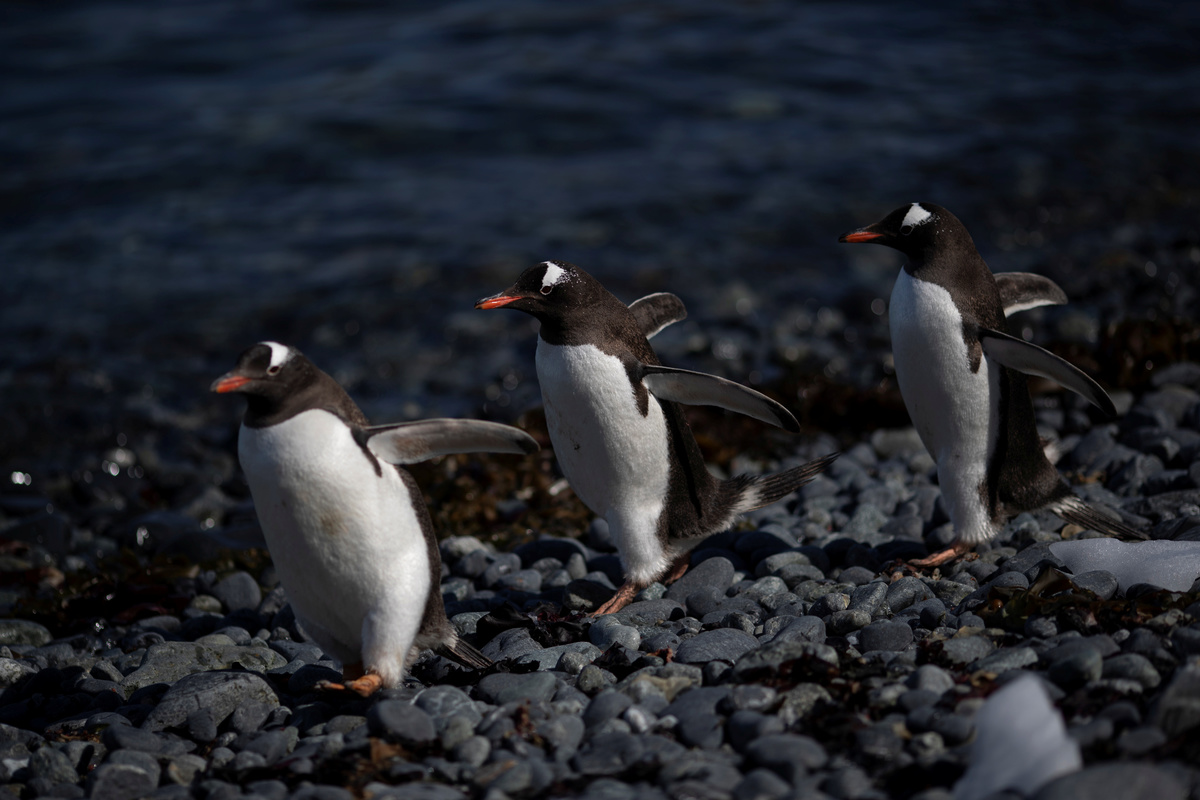
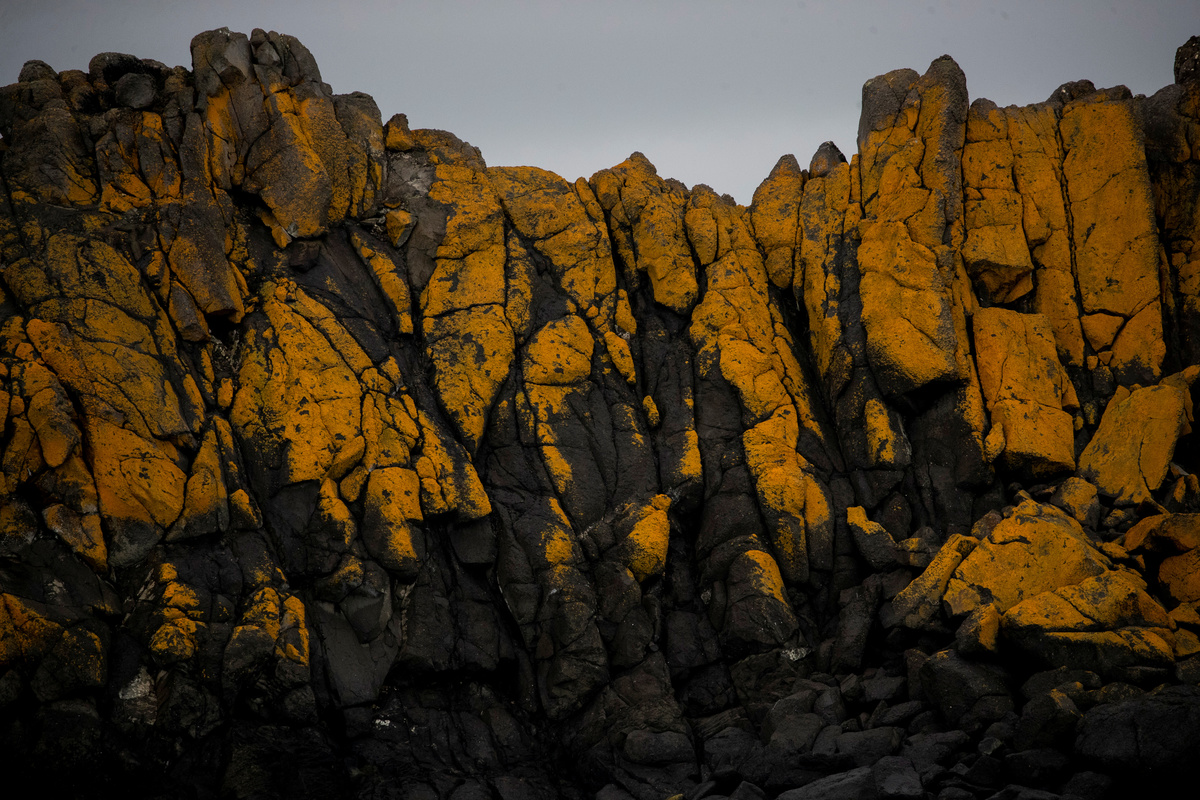
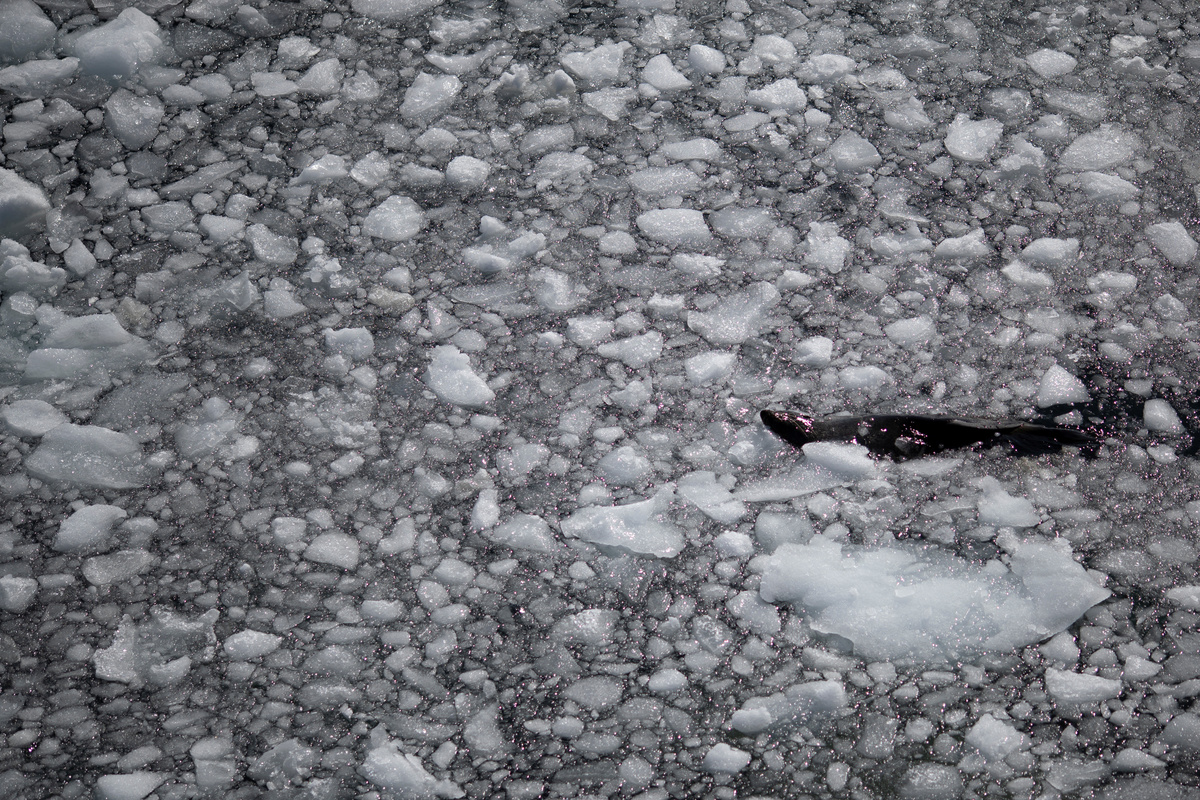
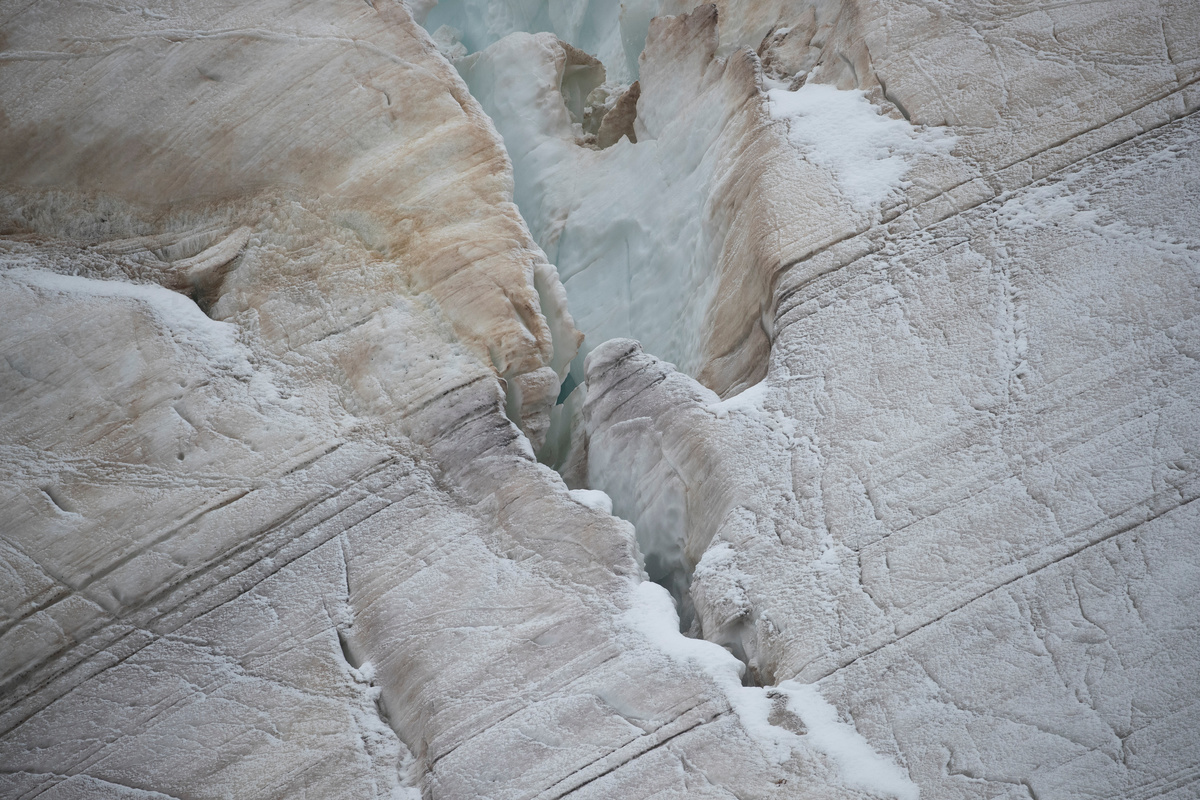
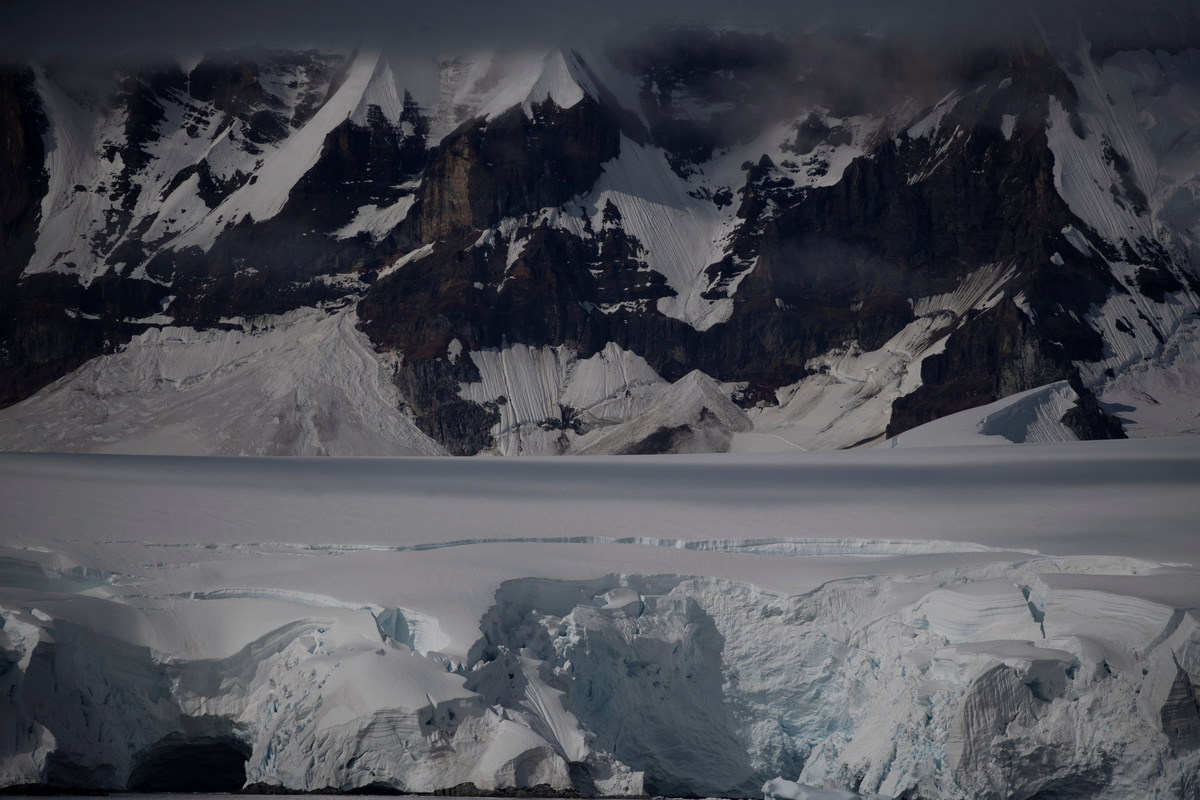
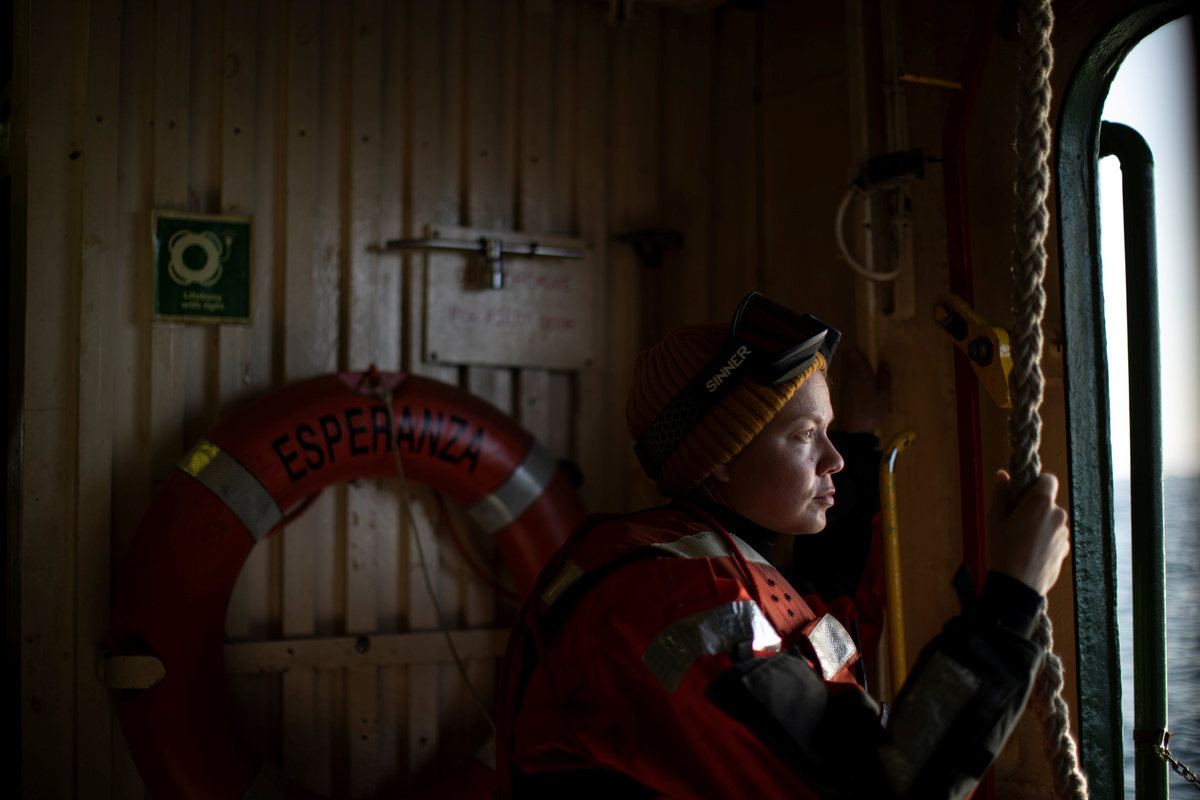
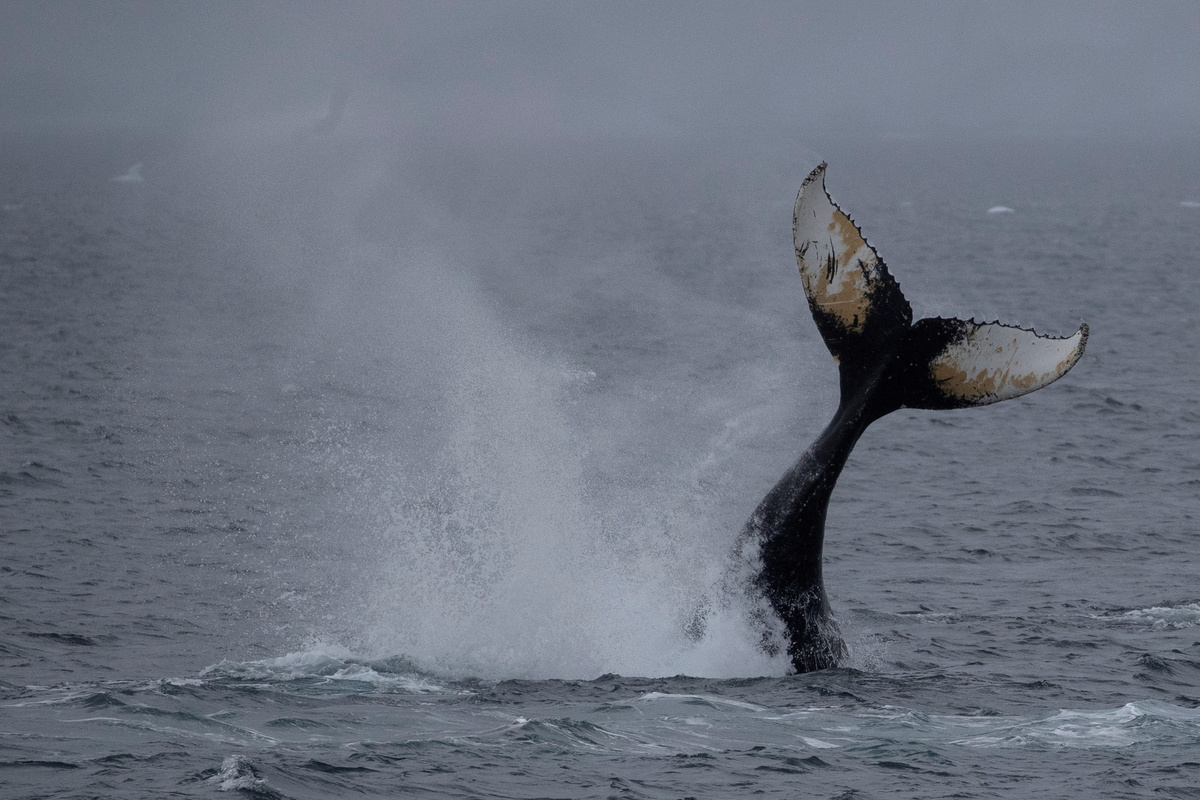
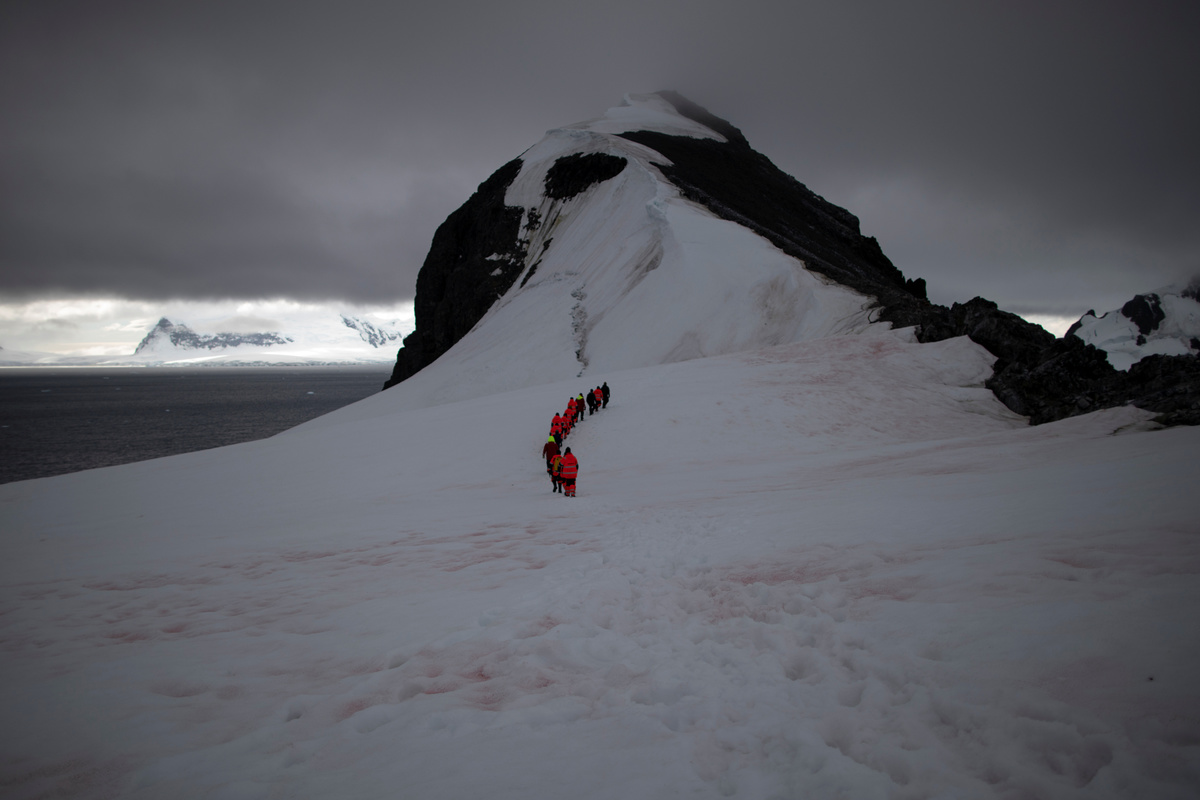
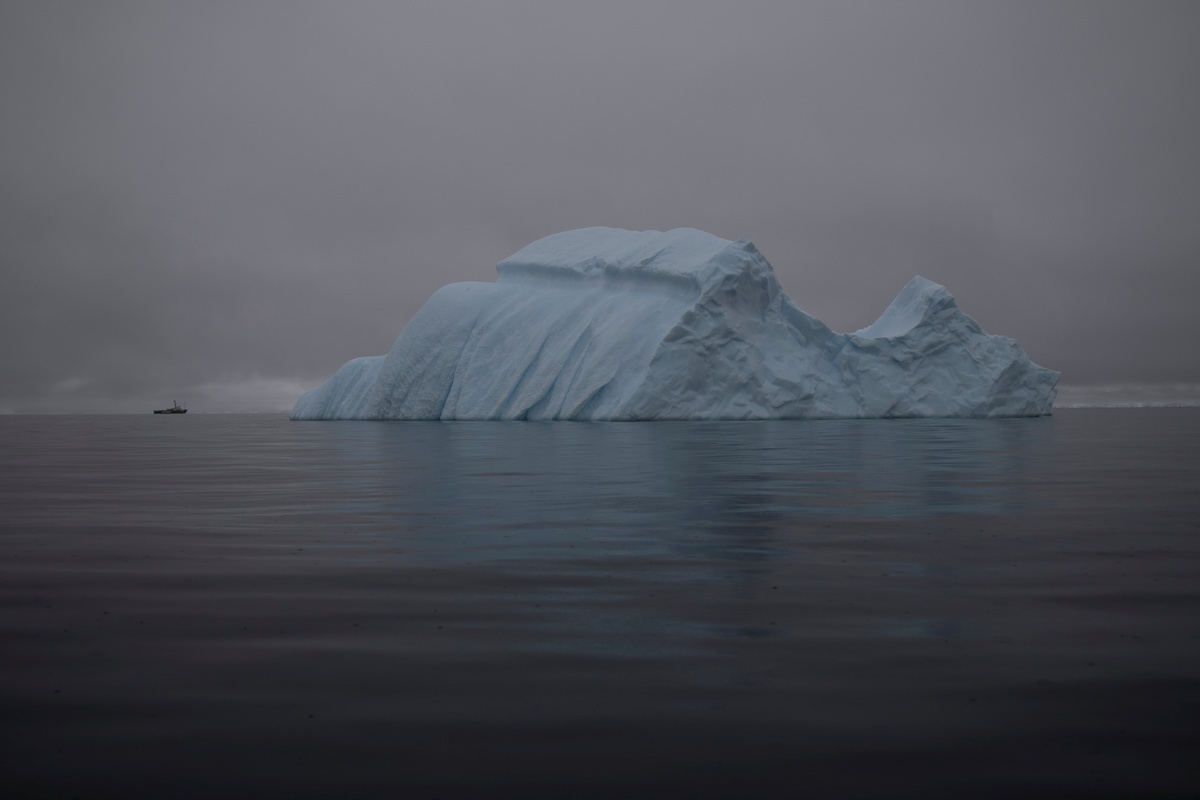
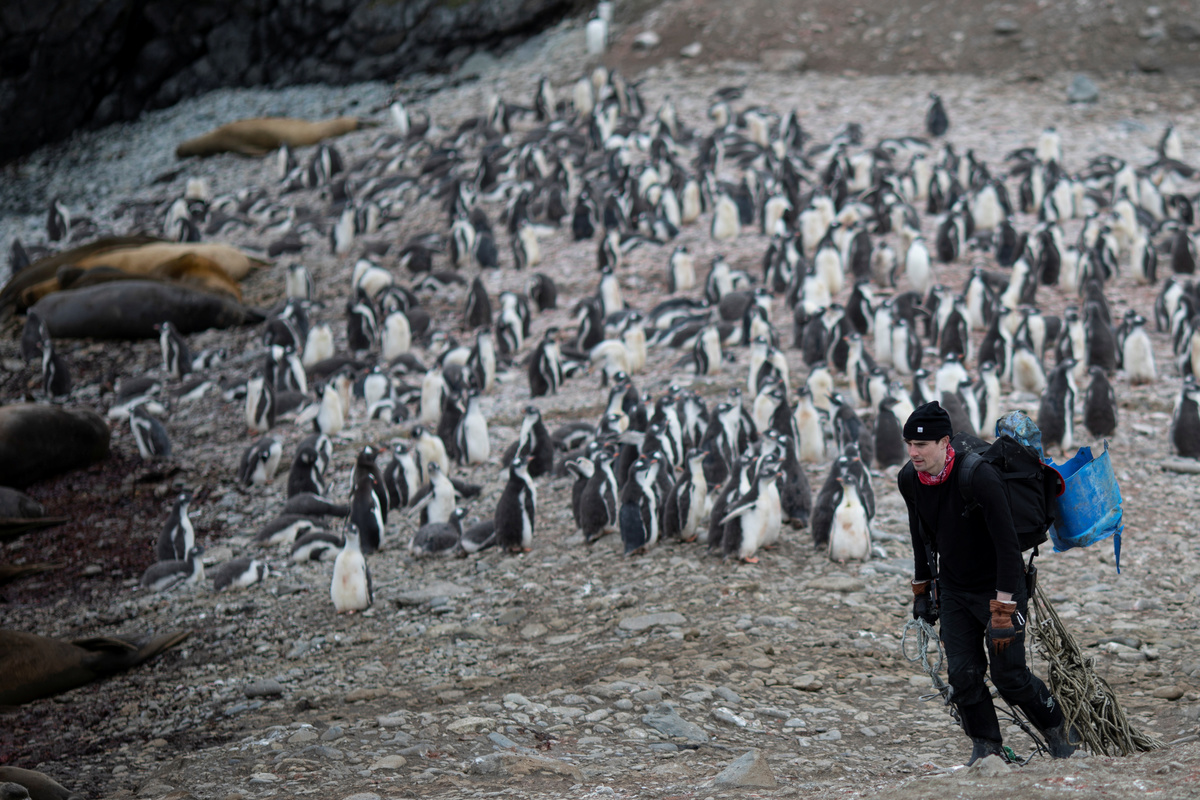
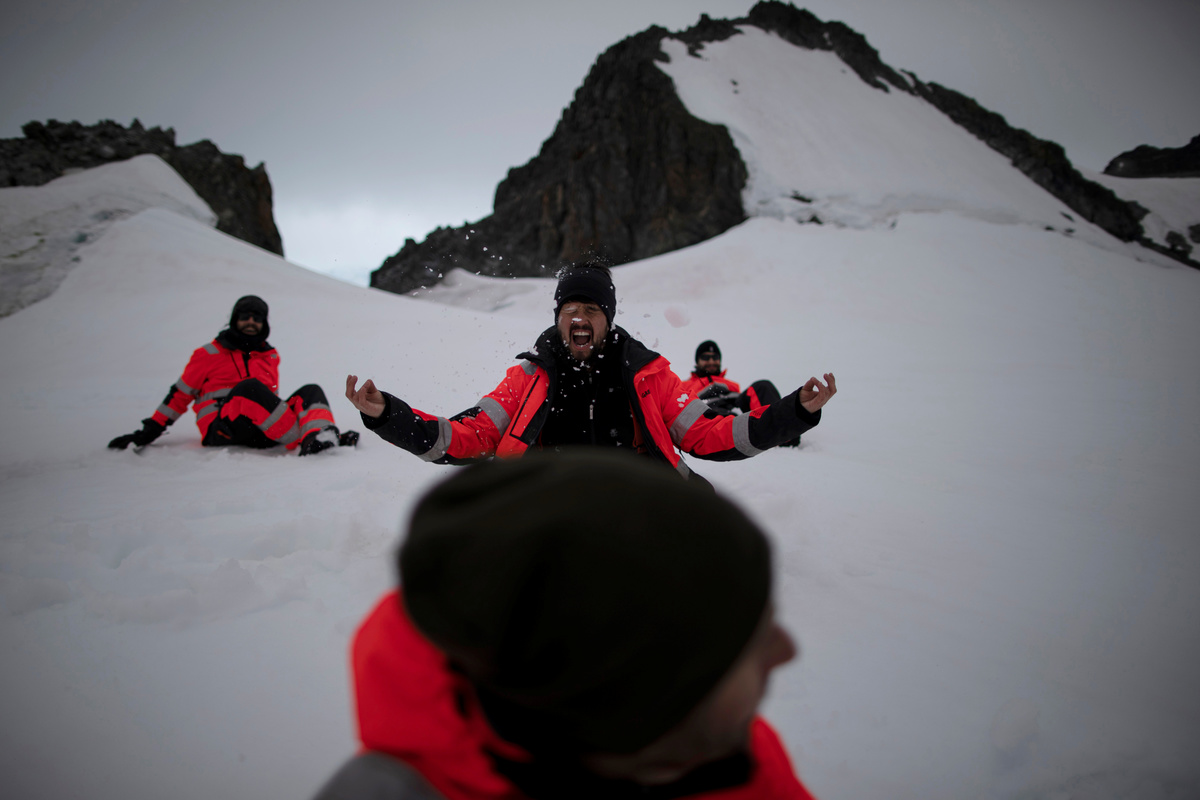
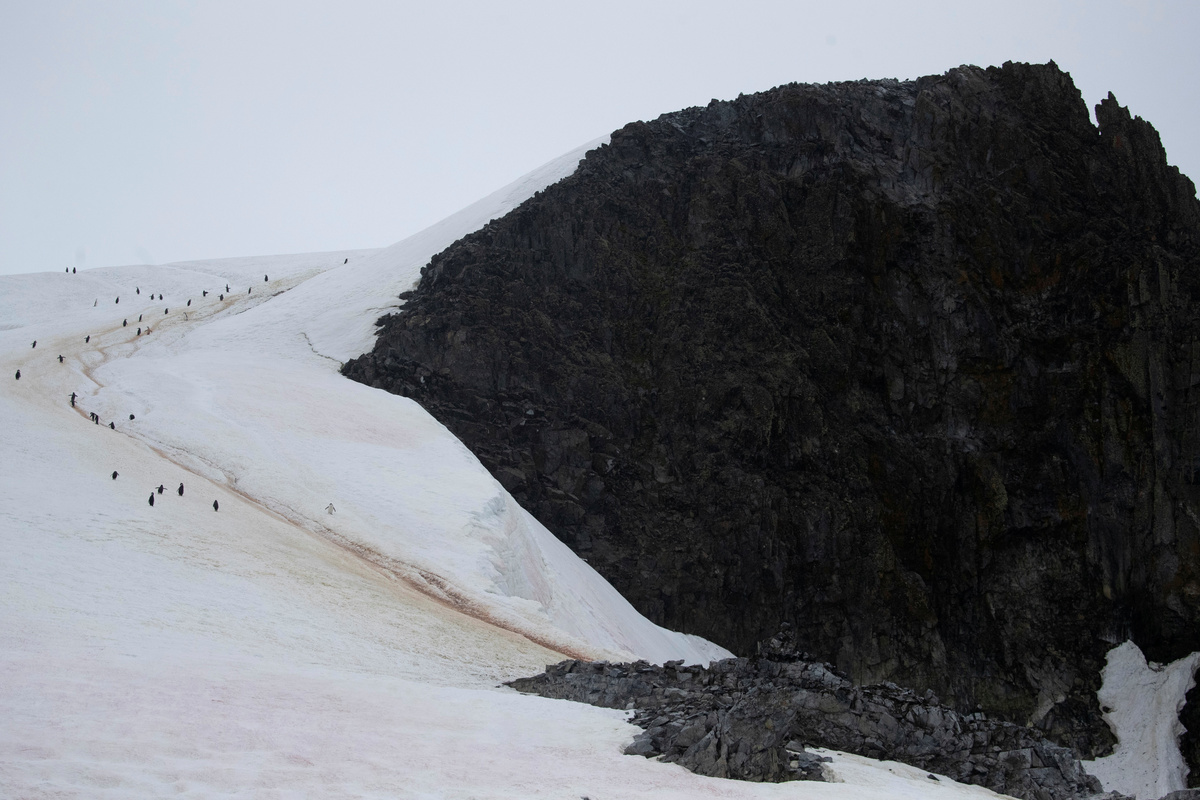
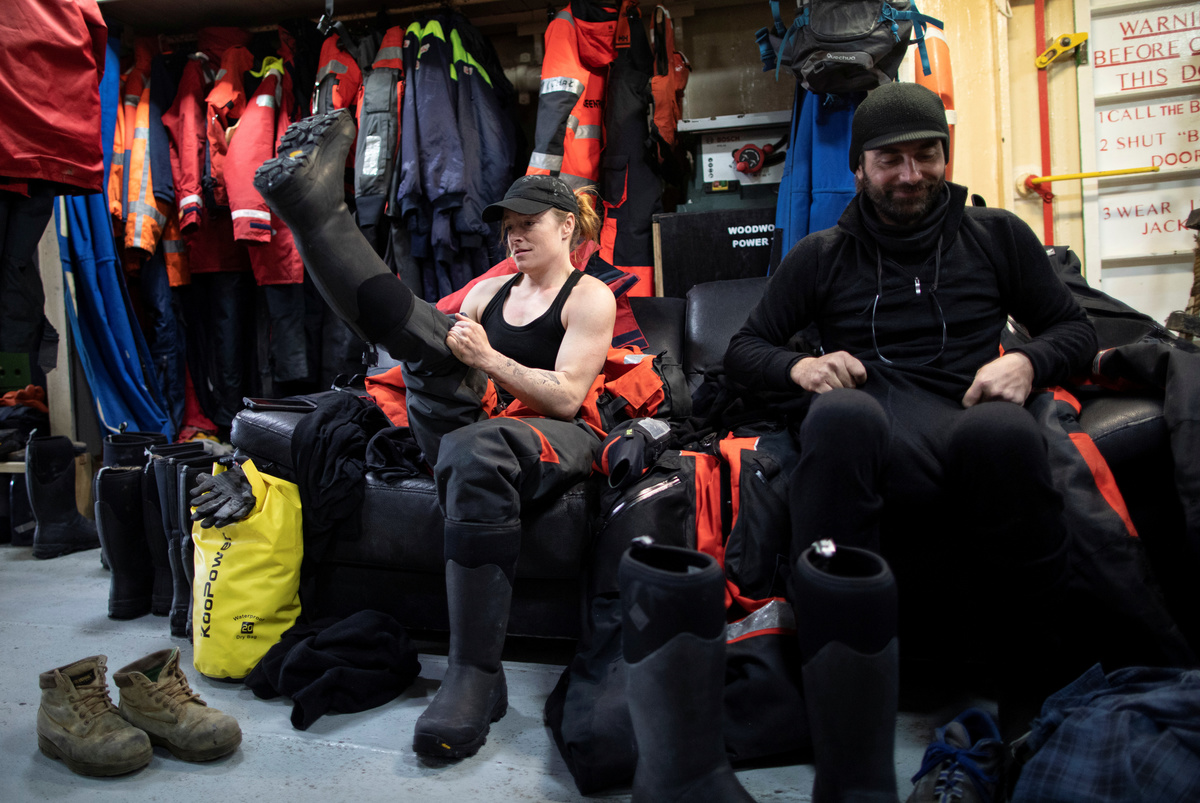
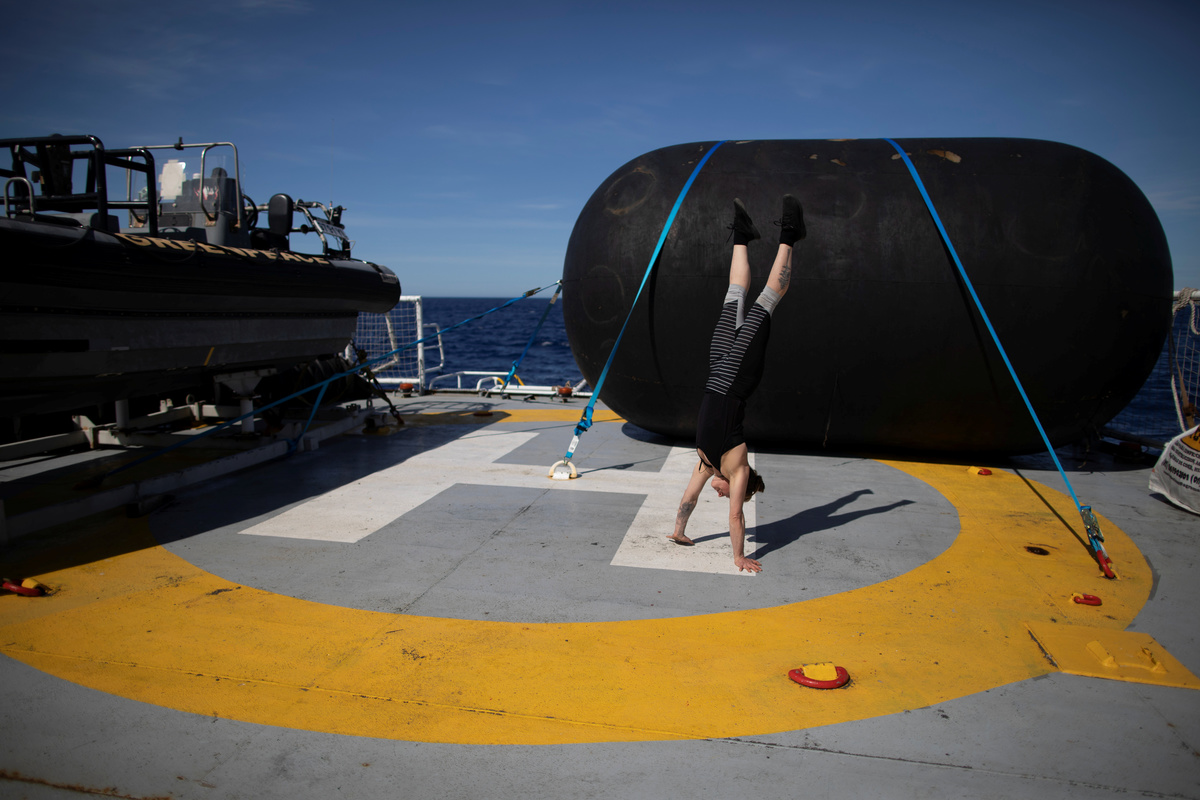
FILE PHOTO: A colony of chinstrap penguins walk along a mountain on Two Hummock Island, Antarctica, February 1, 2020. REUTERS/Ueslei Marcelino FILE PHOTO: Crew members stand aboard the front of the Esperanza ship near Lemaire Channel, Antarctica, February 5, 2020. REUTERS/Ueslei Marcelino FILE PHOTO: A group of gentoo penguins walk along Quentin Point, Anvers Island, Antarctica, February 4, 2020. REUTERS/Ueslei Marcelino FILE PHOTO: Steve Forrest, a scientist, counts the number of chinstrap penguins in a colony standing on Anvers Island, Antarctica, February 4, 2020. REUTERS/Ueslei Marcelino FILE PHOTO: A peak of rock stands on Snow Island, Antarctica, January 30, 2020. REUTERS/Ueslei Marcelino FILE PHOTO: An iceberg floats near Fournier Bay, Antarctica, February 3, 2020. REUTERS/Ueslei Marcelino FILE PHOTO: A seal swims amongst broken pieces of ice near Quentin Point, Anvers Island, Antarctica, February 4, 2020. REUTERS/Ueslei Marcelino FILE PHOTO: A glacier stands at Two Hummock Island, Antarctica, February 1, 2020. REUTERS/Ueslei Marcelino FILE PHOTO: A colony of gentoo penguins stand on Snow Island, Antarctica, January 31, 2020. REUTERS/Ueslei Marcelino FILE PHOTO: A mountain stands in Fournier Bay, Antarctica, February 3, 2020. REUTERS/Ueslei Marcelino FILE PHOTO: Hanna Jauhiainen, a Greenpeace activist, looks outside the window from aboard the Esperanza ship, near Quentin Point, Anvers Island, Antarctica, February 4, 2020. REUTERS/Ueslei Marcelino FILE PHOTO: A whale swims near Orne Harbour, Antarctica, February 6, 2020. REUTERS/Ueslei Marcelino FILE PHOTO: A seal rests on top of Snow Island, Antarctica, January 30, 2020. REUTERS/Ueslei Marcelino FILE PHOTO: Greenpeace activists take a walk along the snow during a day off at Orne Harbor, Antarctica, February 6, 2020. REUTERS/Ueslei Marcelino FILE PHOTO: An iceberg floats near Two Hummock Island, Antarctica, February 2, 2020. REUTERS/Ueslei Marcelino FILE PHOTO: Michael Wethington, a scientist, collects rubbish on Snow Island, Antarctica, January 31, 2020. REUTERS/Ueslei Marcelino FILE PHOTO: Greenpeace activists play in the snow during a day off at Orne Harbor, Antarctica, February 6, 2020. REUTERS/Ueslei Marcelino FILE PHOTO: A colony of chinstrap penguins stand on Snow Island, Antarctica, January 31, 2020. REUTERS/Ueslei Marcelino FILE PHOTO: Small chunks of ice float on the water near Fournier Bay, Antarctica, February 3, 2020. REUTERS/Ueslei Marcelino FILE PHOTO: Usnea Granger, a Greenpeace activist, braids her teammates Julia Zanolli's hair, aboard the Esperanza ship, near Lemaire Channel, Antarctica, February 5, 2020. REUTERS/Ueslei Marcelino FILE PHOTO: A colony of chinstrap penguins walk along a mountain on Two Hummock Island, Antarctica, February 1, 2020. REUTERS/Ueslei Marcelino FILE PHOTO: Michael Wethington, a scientist, collects rubbish on Snow Island, Antarctica, January 31, 2020. REUTERS/Ueslei Marcelino FILE PHOTO: Usnea Granger, a Greenpeace activist, drives a boat near Quentin Point, Anvers Island, Antarctica, February 4, 2020. REUTERS/Ueslei Marcelino FILE PHOTO: Usnea Granger, a Greenpeace activist, puts on outerwear, aboard the Esperanza ship near Quentin Point, Anvers Island, Antarctica, February 4, 2020. REUTERS/Ueslei Marcelino FILE PHOTO: Usnea Granger, a Greenpeace activist, does a handstand as she exercises on board the Esperanza Ship near Drake Passage, Antarctica, February 9, 2020. REUTERS/Ueslei Marcelino
Sign up to read this article
Read news from 100’s of titles, curated specifically for you.