
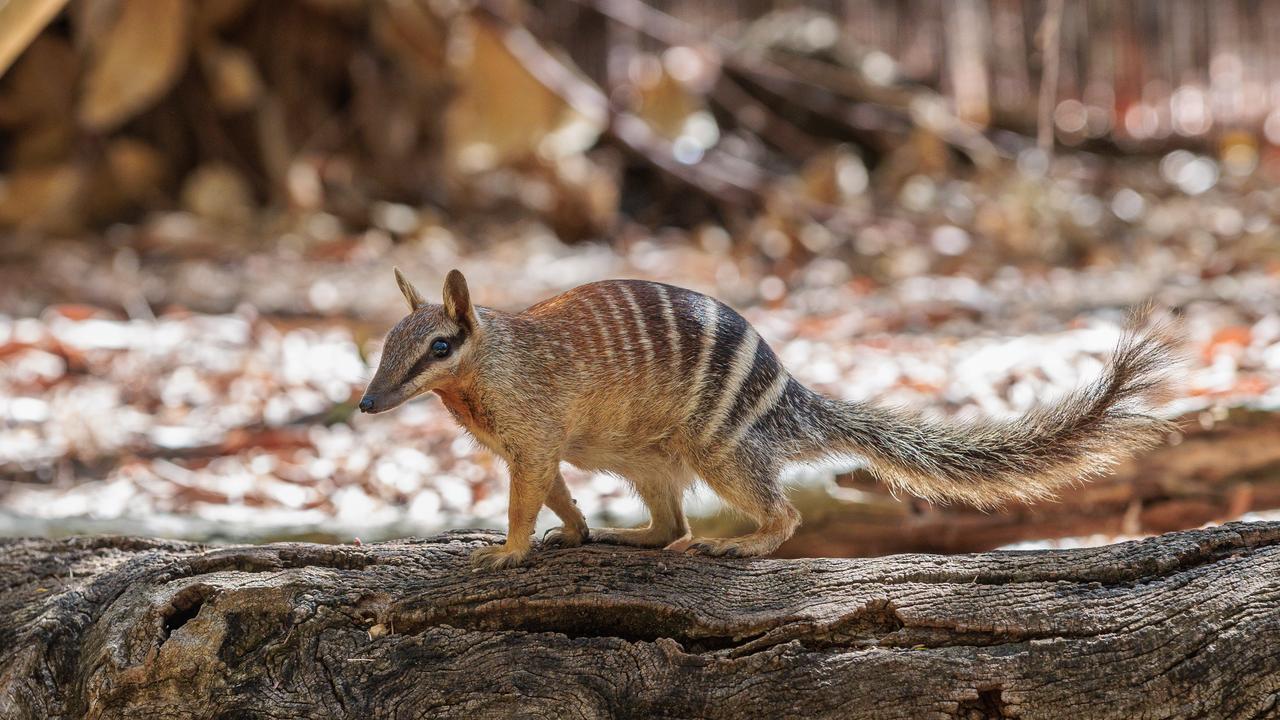
Long-tongued, termite-munching numbats are no longer endangered due to decades of successful conservation efforts, the global authority on the status of the natural world says.
Also known as banded anteaters, the status of the pint-sized marsupial has improved to near-threatened on the International Union for Conservation of Nature Red List.
''Today's assessments show that long-term, strategic and collaborative conservation effort works,'' conservation biologist John Woinarski said on Friday.
''Without it, invasive cats and foxes will continue to drive Australia's small marsupials and native rodents to extinction.''
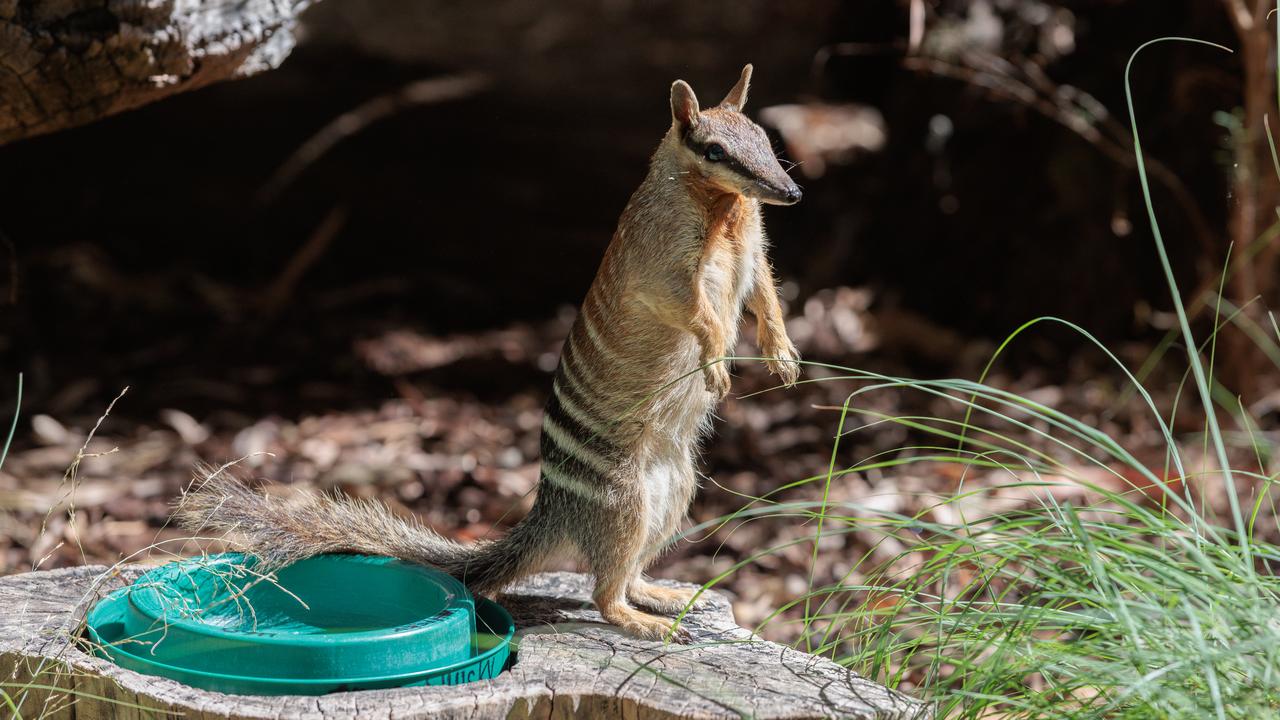
The numbat, Western Australia's faunal emblem, is a small, slender mammal with a pointed head, a bushy tail resembling a bottle brush, and a long, slender sticky tongue that it uses to dip into logs and small holes in the ground to collect termites.
It was widespread across southern Australia until the introduction and spread of cats and red foxes, which almost wiped it out.
By the 1970s, there were only about 300 animals left, and in the 1990s, a recovery plan was launched.
Since then, captive breeding at Perth Zoo has enabled at least five more self-sustaining populations to be established at various locations.
The WA government and the Australian Wildlife Conservancy have also worked to reduce the impact of feral cats and foxes through baiting and predator-proof fencing.
Thanks to these efforts, there are now between 2000 and 3000 numbats.
But the species occupies just 0.04 per cent of its original range, and ongoing management is essential to the numbat's survival and recovery.
"Continued management is vital not only to maintain the numbat's unique evolutionary line ... but also to support its role in maintaining a healthy ecosystem," Prof Woinarski, co-chair of the IUCN SSC Australasian Marsupial and Monotreme Specialist Group, said.
"Digging for the termites it eats increases rain penetration into the soil, helping protect woodlands."
Five Australian marsupials have been confirmed as extinct on the IUCN Red List.
These are the little bettong, crested-tailed, southern, northern and little mulgaras, with no individuals reported for at least 60 years.
It brings the total number of modern mammal extinctions in Australia to more than 40.
Predation by feral cats and foxes is the leading cause for their decline, with climate change a growing threat to those remaining.
Near-threatened means a plant or animal species does not currently qualify for a threatened status, like vulnerable, endangered, or critically endangered, but is close to doing so or is likely to become threatened in the near future.