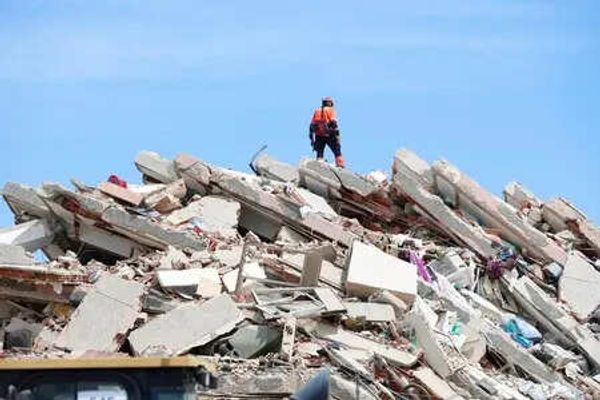
We are always complaining about inflation in the things we regularly use. But what about the deflation in the value of human lives that we are seeing in recent times? The Myanmar coup, Russia-Ukraine war, Israel-Gaza mayhem and here at home, the Manipur crisis, all point to one thing: the constantly falling price of human lives.
Those of us who are fortunate enough to be away from these bloodbaths, read or hear about it from the news. It shocks us for a few seconds, like the blinding of the eyes when a torch is shone at it. Soon enough, however, our conscience adjusts to the horror. Dry numbers of people dead, injured or rendered homeless hardly move us.
But if we were to find out that in those that perished was a first love, a child born after years of prayers and a teenager excited about joining college the next year, could we remain equally indifferent? If we imagine the face of one of our friends or loved ones among those killed, could we let it go so easily? No matter how much we hate to admit it, we all are cocooned in apathy. This apathy sees us through our day-to-day life. It may come across as an excuse, but if all of us paused and reflected on the state of humanity at present, it would immobilise us with shock initially and shame later. Doing everyday tasks would become difficult; deadlines will remain unmet and the family would go unfed. Perhaps it explains why there are so few poets in the world.
But “poetry makes nothing happen”, Auden had said. Bombs will still go off, children will still die, homes will still be razed to the ground, people’s right to choose their government will still be bound by barbed wires and the hills would still look down with suspicious hate at the valley. As for us, the fortunate, troubles like running out of turmeric when half-way through the curry or a deflated tyre on the way to work will continue to appear as major problems.
mohapatra.sarbani@gmail.com