Iran's state-affiliated Mehr News agency has published what it says are details of a 14-point draft memorandum of understanding between Tehran and Washington, outlining a framework that would reportedly release $24 billion in frozen Iranian assets, reopen the Strait of Hormuz, require a US military pullback from around Iran and pave the way for negotiations over Tehran's nuclear programme.
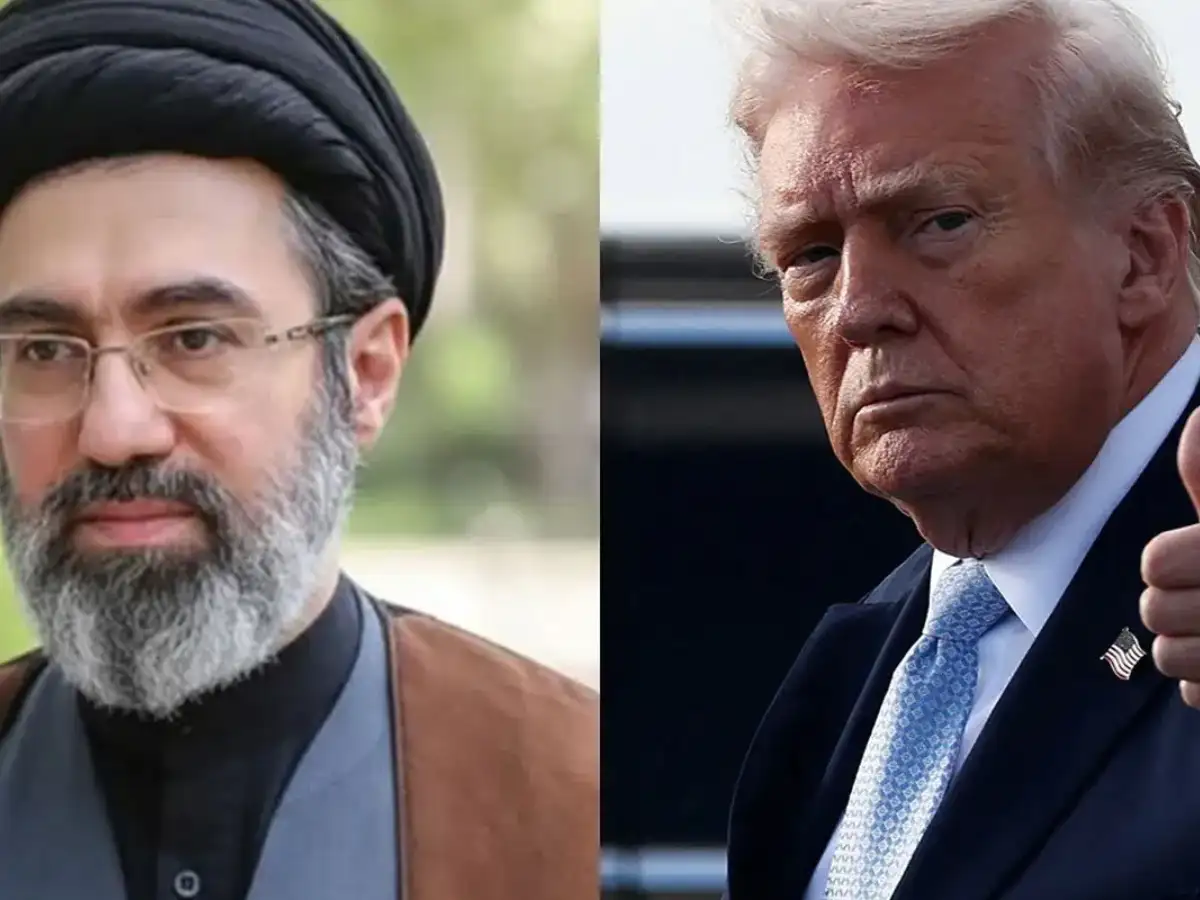
The reported document surfaced after US President Donald Trump and Pakistani Prime Minister Shehbaz Sharif announced that a framework agreement had been reached to end the conflict and launch broader talks. Trump said the agreement would help restore shipping through the Strait of Hormuz, a critical artery for global oil supplies.
Also read: US and Iran reach deal to end war, Trump says Strait of Hormuz to open on Friday
The contents published by Mehr have not been independently verified by ET, and neither Washington nor Tehran has publicly released or confirmed the draft.
Much of the latest detail comes from an audio briefing by political analyst Mehdi Mohammadi, published by the agency, describing what he said were provisions of the reported agreement.
US guarantee on Israel, troop withdrawal
According to Mohammadi, the first article of the draft requires an immediate and permanent end to military operations across all fronts, including Lebanon. He said the United States would commit not only on its own behalf but also on behalf of Israel not to initiate new military action once the agreement is signed.
The reported framework also envisages the suspension of sanctions on Iranian oil exports, the release of $24 billion in frozen Iranian assets over a 60-day negotiation period, and talks aimed at reaching a final agreement on Tehran's nuclear programme within the same timeframe.
Mohammadi described the provision as unprecedented, claiming it would mark the first time Iran had secured US guarantees covering Israeli actions as part of an agreement.
The reported draft also requires US forces to withdraw from areas surrounding Iran within 30 days, while maritime restrictions imposed during the conflict would be lifted and shipping activity restored to pre-blockade levels over the same period.
Also read: Trump warns US could resume attacks on Iran if nuclear accord not reached
Frozen assets, sanctions relief & a $300 billion reconstruction fund
The most consequential economic provision concerns frozen Iranian funds.
Mehr reported that Iran would gain access to $24 billion in frozen assets during a 60-day negotiation period, with half — approximately $12 billion — released before talks formally begin.
Mohammadi said Tehran views the upfront release of funds as one of the most significant achievements of the framework's first phase.
The draft also reportedly calls for the suspension of sanctions on Iranian oil, petrochemical products and related exports. More significantly, Mohammadi said Washington had, for the first time, agreed in principle to discuss lifting both primary and secondary sanctions as part of a final agreement.
The document also reportedly envisages a $300 billion reconstruction and development fund for Iran. While the text reportedly uses the term "reconstruction", Mohammadi argued it effectively amounts to compensation for damage inflicted during the conflict.
Nuclear talks narrowed to uranium issue
One of the most notable aspects of the reported framework is the narrow scope of future negotiations.
According to Mohammadi, discussions would focus primarily on Iran's stockpile of highly enriched uranium rather than broader aspects of its nuclear programme.
He said any expansion of talks to other nuclear issues would require the consent of both parties, giving Tehran the ability to reject additional demands.
Under the reported framework, Iran would commit not to pursue nuclear weapons and seek a solution for its stockpile of 60%-enriched uranium through a formula proposed by Tehran. Mohammadi said one option under discussion involves diluting the material inside Iran rather than removing it from the country.
That account differs from statements by US officials, who have indicated that a final agreement could ultimately require dismantling elements of Iran's nuclear infrastructure and eliminating its stockpile of highly enriched uranium.
The fate of Strait of Hormuz
Mohammadi also sought to clarify reports surrounding the Strait of Hormuz, saying the agreement would not alter existing arrangements governing the waterway.
According to him, Iran and Oman would retain exclusive authority over navigation, safety and security services in the strait, including the collection of associated fees.
He said the reported agreement merely restores shipping activity and does not transfer control or decision-making authority over the route to any outside party.