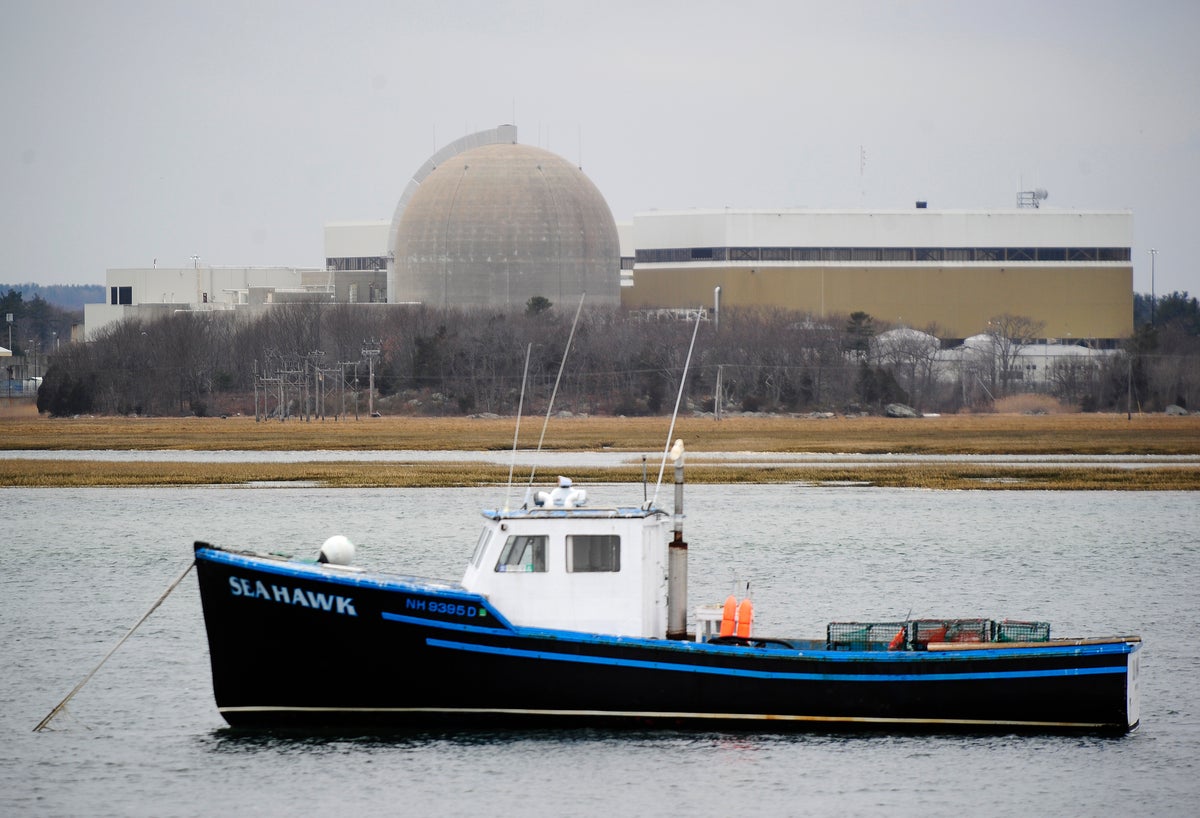
An investigation into a false alarm at a New Hampshire nuclear power plant that caused panic along the state’s coastline last month found that the cause was “human error”.
During the incident on 12 July, the Seabrook nuclear plant’s public address system sent out a verbal alarm from 10 of its 121 sirens telling people on the state’s beaches to evacuate the area because of a problem at the facility.
NextEra Energy has since conducted an internal probe into the series of events that led to the activation of the plant’s emergency system.
Seacoastonline reports that New Hampshire Executive Council member Janet Stevens, revealed the specific human error after meeting with nuclear plant officials.
Ms Stevens said the inadvertent test siren alarm was “triggered by a siren technician at the nuclear plant ... and the siren technician activated the PA key on the siren control panel — which is located one row directly above the ‘silent test’ key”.
The incident occurred during a regular test of the system that had taken place every two weeks for 30 years without incident, but on that day people “poured off the beaches” in panic when the alert sounded.
NextEra Energy spokesman Bill Orlove said new procedures are being established at the plant to ensure there is no repetition of the incident as well as to address communication gaps discovered as events unfolded.
Mr Orlove noted that there was no problem at the plant at the time the sirens sounded, the facility was operating normally, and there was also no problem with the sirens themselves.
He added that personnel “communicated that there was no plant emergency through local, county and state agencies in New Hampshire and Massachusetts, and through local and regional media outlets”.
Nevertheless, there has been widespread criticism of the time it took to notify all involved that the alarm was a mistake. It took almost an hour for a press release to be sent out notifying the public and officials it was a mistake, and two hours before an alert was sent to cell phones.
The delay in alerting the public has been attributed to the fact that the FEMA-approved state emergency management plan for the nuclear plant does not include directions for what to do in case of an accidental triggering of the sirens.
A new directive is being drawn up now by state officials as well as other updates including changing the verbal advice given over the sirens advising the public to turn on their radios to reflect modern communications.


.png?w=600)