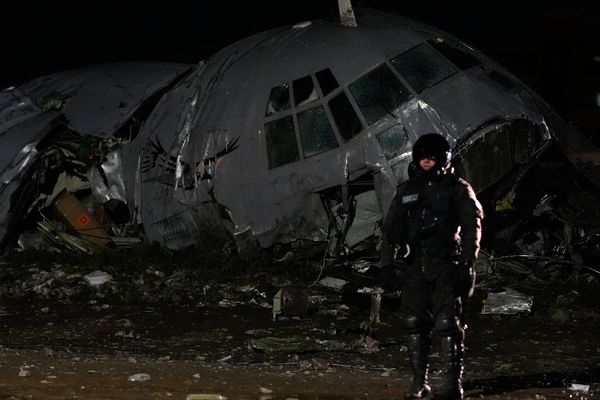
HACKENSACK, N.J. _ The NJ Transit train that slammed into Hoboken Terminal on Sept. 29, killing one person and injuring about 110, had air brakes that appeared to have been functional at the time of the crash, federal crash investigators wrote in a report issued Thursday.
As the train pulled into Hoboken Terminal, 38 seconds before the crash, the train's engine accelerated rapidly, from 8 miles an hour to 21 by the time it hit the station. The collision caused a large flash of light at the head of the train, and then the video camera attached to the lead car stopped working, according to the report.
The report, by the National Transportation Safety Board, is preliminary, and includes no findings about the cause of the crash.
The crash caused so much damage to the lead car of the train that its electrical communication systems could not be tested, including the throttle controls and brakes. Instead, the brakes were tested by hooking them up to the locomotive, which was attached to the rear of the train, and which sustained less damage in the crash.
Thursday's report reiterated facts about the crash that the safety board already has announced. The train's engineer, identified as Thomas Gallagher, arrived to work at 6:46 a.m. The morning of the crash, and he was well-rested, according to the report. Neither he nor the train conductor noticed anything unusual about each other or the performance of the train during pre-trip inspections or along the route, which traveled the Pascack Valley line.
Investigators continue to study the crash site and the train, which was pulled away from the terminal to a maintenance facility nearby. They're also researching the data and video recorders from the train's lead car, which was functioning at the time of the crash. Investigators found that the train's other data recorder, located in the locomotive, was not working for its entire final trip.