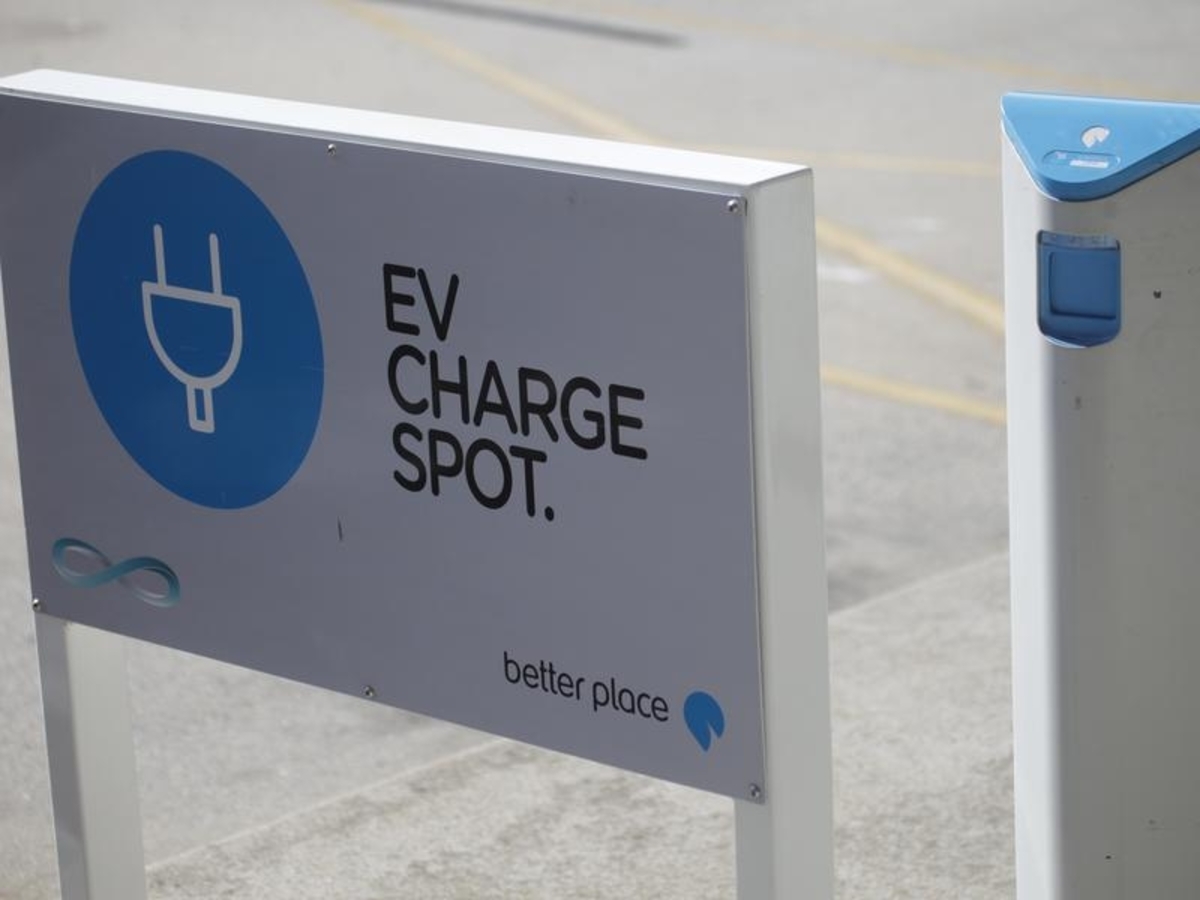
Consumers should be encouraged to buy electric cars with cheaper car parks and special access to transit lanes before being slapped with a tax, the NSW transport minister says.
Governments across Australia are worried about losing out on fuel excise revenue as more consumers turn to electric vehicles, but they also don't want to discourage broader take-up of the more environmentally friendly option.
Transport Minister Andrew Constance told the Sydney Morning Herald on Wednesday that incentives such as subsidised car parks, access to transit lanes usually reserved for buses and taxis, and a waiver of stamp duty should come before a distance-based tax.
Electric Vehicle Council chief executive Behyad Jafari welcomed the sentiment.
"The minister's rightly identified that this is an opportunity for NSW to lead not only Australia, but be on par with the rest of what the developed world has been doing on electric vehicles," he said.
He said holding off on imposing a tax was a win-win situation.
"Why not encourage more electric vehicles on our roads and if we charge them when they're more common then of course we'll make more money," Mr Jafari said.
Battery-run cars made up only 0.7 per cent of sales last year, making Australia a laggard among its peers. Electric cars were 10 per cent of sales in the EU and the UK and 8.1 per cent in California in the same period.
NSW was responsible for about one-third of electric vehicle purchases in Australia, Mr Jafari said.
Mr Constance's comments are in stark contrast with the approach adopted in Victoria, where the government plans to legislate a tax before July.
Critics like Mr Jafari say the tax will stifle growth.
They're also out of sync with comments made by NSW Treasurer Dominic Perrottet, who has foreshadowed a "holistic" tax plan for electric vehicles in next month's state budget.
Mr Perrottet told the Herald he did not want to impede innovation and more people embracing the vehicles.
Mr Jafari trumpeted the attractions of a broader take-up in NSW, including a "once-in-a-lifetime opportunity" to create more jobs for the state.
Electric cars were also cheaper to run and cleaner to have on our roads, he said.