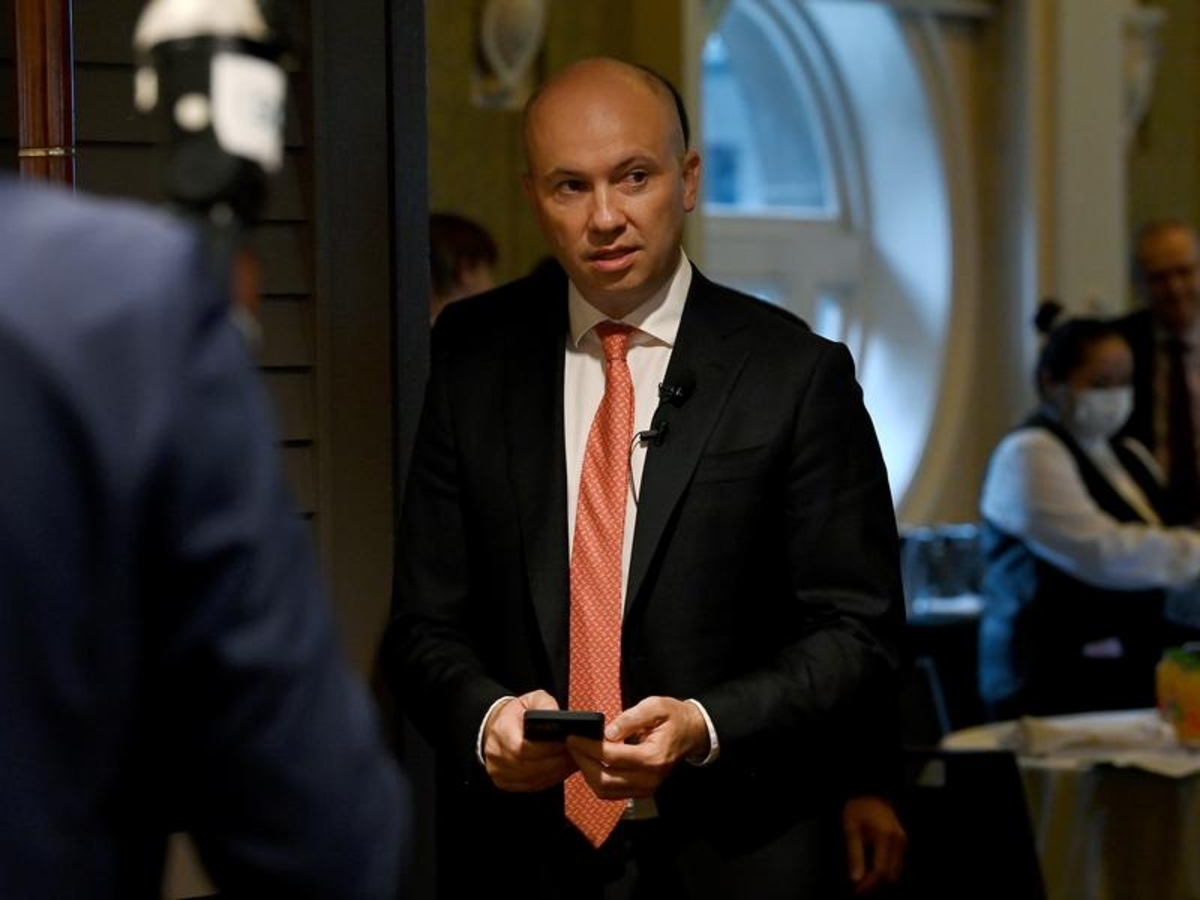
The NSW government budget deficit is expected to more than double to $19.5 billion, but Treasurer Matt Kean says the state's accounts remain structurally sound.
On a day NSW reported a record number of COVID-19 cases, Mr Kean released the coalition's mid-year budget update for the 2021/22 financial year.
Like the budget handed down by treasurer-turned-premier Dominic Perrottet on June 22, four days before the Delta outbreak forced Greater Sydney into lockdown, Mr Kean's numbers rely on no more lockdowns for the state.
"We've modelled a range of scenarios in terms of Omicron outbreaks and things like that, but the last thing anyone wants to see is (NSW) going back into lockdown," he said on Thursday.
"That's not what we're going to do."
On the updated numbers, Mr Kean forecasts an expansion in the deficit to $19.5 million, from $8.6 billion in June, on the back of measures to offset this year's Delta outbreak.
With the total number of cases climbing past 81,000 and stay-at-home orders lasting 107 days in some areas, more than 234,000 people lost work during the outbreak.
"But because we have structured our support package for our economy and our people in a way that is targeted and temporary ... our budget remains structurally sound," he said.
A large chunk of that money - about $7 billion - was spent on the government's JobSaver payments, with another $2.3 billion spent on COVID-19 business grants.
Some $2.8 billion is also going into the state's economic recovery package.
"(But) this was not an expense," Mr Kean said.
"It was an investment in our economy and investment in the health of our citizens and investment in each and every person in NSW."
Despite the extra $10 billion in spending this year, the government still forecasts the budget to return to surplus of $449 million by 2023/24.
"Our expenditure is largely confined to this financial year," Mr Kean explained.
The state's revenue forecasts have improved since the June budget, with GST receipts, transfer duties and mining royalties all up, which would help cushion the blow, he said.
"What this shows is the best way to have a strong budget is to have a strong economy," Mr Kean said.
"When our state is prosperous, when our businesses are profitable, when our people are in work and earning a good wage, the state's finances prosper as well."
Asset recycling - selling public assets to return money to government coffers - will also underpin the state's budget, but Mr Kean refused to be drawn on what would be privatised.
He rubbished the suggestion public sector wages could be cut to help lower government spending as well, calling it "absurd".
He also rejected claims the government's troubled Transport Asset Holding Entity could leave a multi-billion dollar hole in the state's budget.
The NSW auditor-general has refused to sign off on the state's finances, citing "significant accounting issues" with TAHE, which critics say has been used to falsely inflate the state's accounts.
But Mr Kean insisted nothing is amiss, saying it is commonplace for an auditor to work with a client to on "very complex accounting issues".
"I'm confident these issues will be resolved very shortly," he said.
"These numbers incorporate the adjustments proposed by the auditor-general so the people of NSW can have confidence in the accounting and treatment of TAHE."
While volatility remains, the outlook for the state's finances is positive, Mr Kean said, with consumer and business confidence both up.
"Whilst the last two years have been hard, and we are by no means out of the woods yet, this government's strong health and economic management has meant that we have navigated the pandemic better than anywhere else in the world."