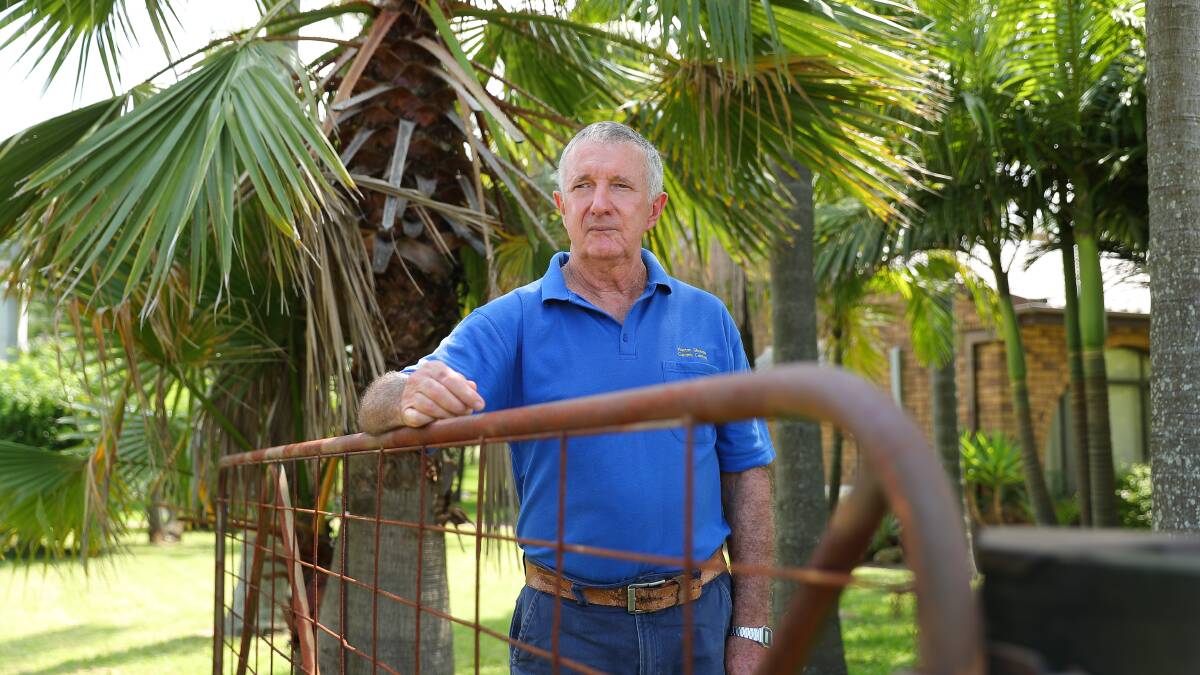
TODAY'S announcement by NSW Environment Minister Matt Kean, of a ban on PFAS firefighting foam in all but "catastrophic" or "special" circumstances is - as Williamtown campaigner Lindsay Clout describes it - a "step in the right direction".
But as Mr Clout points out, a justification for the PFAS ban on environmental grounds comes as Australian governments declare there is still only "limited evidence that exposure to PFAS causes adverse human health effects" - the current position as expressed in June last year by Dr Brendan Murphy when he was the Commonwealth's chief medical officer.
As a veteran of the PFAS campaigns, Mr Clout hopes for minimal health impacts, but fears something greater will eventually be confirmed.
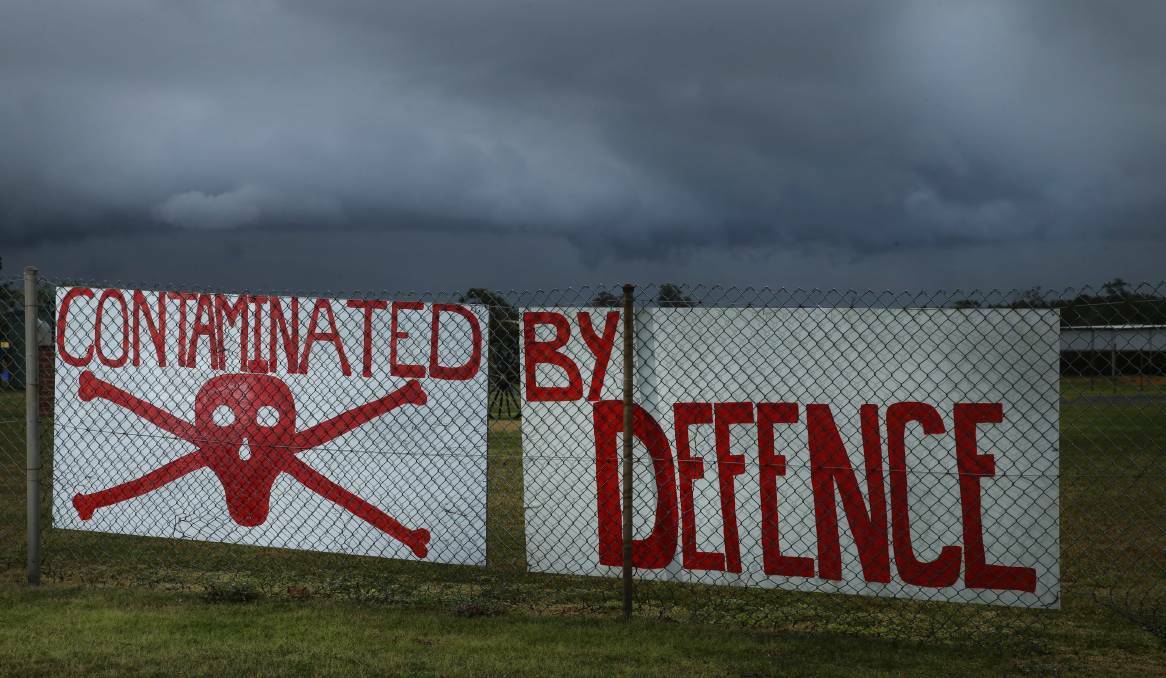
Time passes, but he says the 3500 or so people living in the impacted areas around the Williamtown, Oakey (Queensland) and Tindal (Northern Territory) RAAF bases remain in limbo, even after the $212.5-million settlement (including the lawyers' share) of three high-profile class actions against the federal government.
PFAS concerns in Australia began with the RAAF bases, but the potential impacts are much wider, with PFAS-type chemicals widely used in all sorts of firefighting equipment, as well as other industrial applications.
The ban on PFAS in firefighting training begins today, March 1, but PFAS can still be used against "live" fires for another 18 months, and then afterwards if the fire is deemed to be bad enough.
The NSW government says it has consulted along the way and that the phased introduction will provide time for everyone to replace their old equipment with new, "fluorine-free" fire-fighting chemicals.
In the meantime, Williamtown residents endure their "limbo" as best they can.
In a sobering assessment, top shelf law firm Corrs Chambers Westgarth compares the PFAS landscape with that of "the early days of asbestos regulation and management", when coordination between Canberra and the states was lacking.
It is regularly claimed, now, that the COVID crisis has pushed once recalcitrant governments to new levels of cooperation.
More progress on PFAS would be one way for those same governments to prove this new coordination is more than a one-off, forced by necessity.
ISSUE: 39,461