The National Statistical Office (NSO) wants to provide integrated official statistics to the public by the end of 2019 to create a precise database of the economy and society, aiming to carry out the government's big data analytics policy.
The integrated statistics platform will be accomplished through procedures in four areas -- upgrading provincial statistics reports to information centres; e-surveys; standard codes of surveys and data catalogues; and amendment of the 2007 Statistics Act.
NSO director-general Putchapong Nodthaisong said the use of data in the public and private sectors has grown dramatically.
Under the government's digital transformation road map, the NSO is assigned to update information collection procedures and reports in collaboration with 20 ministries, transforming them into a centralised platform.
Official statistics are those provided by government agencies or other public bodies such as international organisations. They provide quantitative or qualitative information in all major areas related to citizens, such as economic and social development, living conditions, health, education, and environment.
The NSO collects four sources of information for statistics reports -- public registration, administration (tax payment and educational enrolment), the census, and social media. However, 80% of information used by NSO comes public registrations and administrations.
Mr Putchapong said the NSO plans to improve in the four key areas to have a more successful statistics programme.
The office began upgrading data collection processes in the provinces last year, aiming to improve the quality of the process and connect the data to other provincial agencies.
The NSO needs to transform the existing provincial statistics reports from provincial information centres to focus more intensively on services and data management systems in provinces and regions.
The office will start e-surveys by the end of this year, which should help reduce operating and processing costs.
The NSO will send a letter with a QR code to people for them to scan, giving information to the NSO via their smartphones.
The e-survey complements the Net Pracha Rat scheme, the national broadband project for villages nationwide.
Mr Putchapong said the NSO will set standard survey codes for all related agencies to collect data with the same methodologies, targeting creating a precise data collection process and reducing data processing errors in the reports.
The NSO also wants to create a data catalogue or data directory to enable people to search and use information easily.
The office is in the process of amending the 2007 Statistics Act to facilitate the data collection process through collaboration with other agencies.
According to the amended draft, people need to provide basic information to the NSO or state agencies' digital platforms at fixed intervals, such as every six months, to help the agencies update information. Those who ignore the updates will fail to access some social services.
The NSO's adviser is drafting the amendment to the Statistics Act, which is projected to be completed by February 2019. It will then undergo a public hearing process, followed by cabinet approval, before being proposed to the National Legislative Assembly.
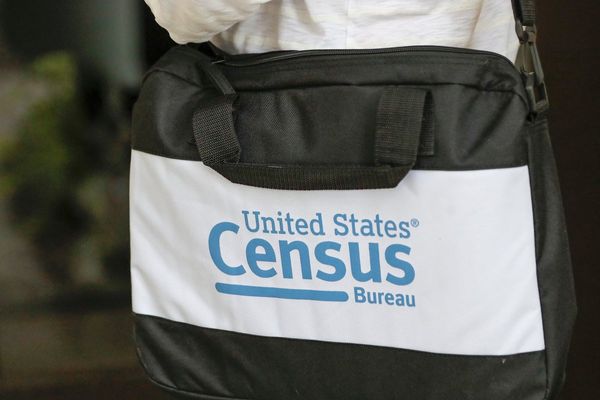
Mr Putchapong said the NSO has a duty to conduct a census every decade.
The next census will be carried out in 2020 using both traditional and e-survey methods. The NSO targets conducting solely e-surveys by 2030.