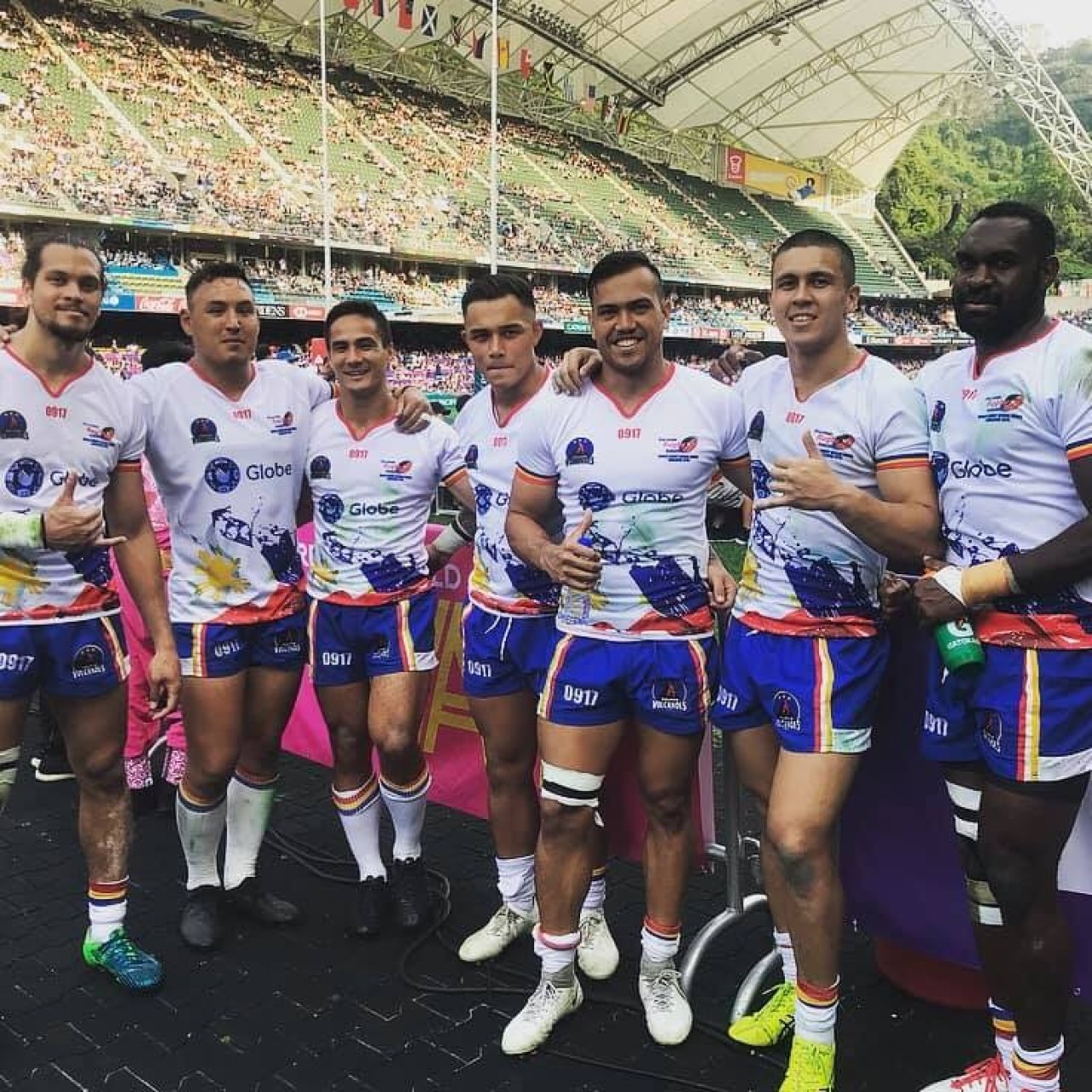
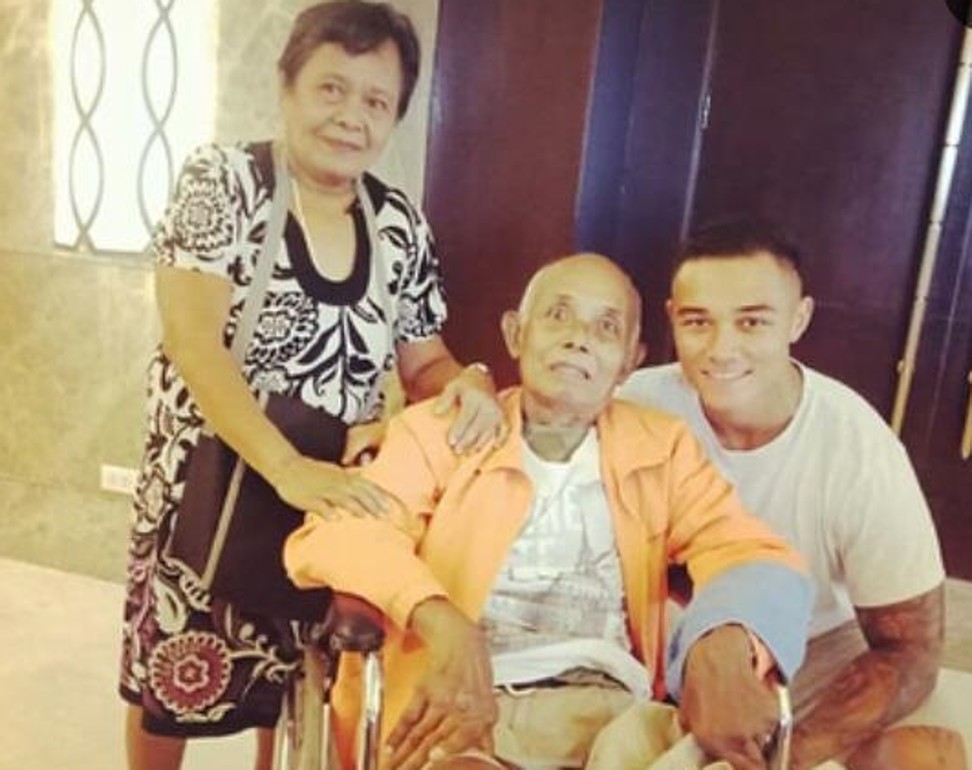
Rob Fogerty grew up as an Englishman, his father made sure of that. Last year, he landed in Manila to play for the Philippines in the Asian Rugby Championships and met his grandparents from his Filipino mother’s side for the first time.
It was a surreal experience, for not only did the former England under-20 player connect with blood relatives he had never seen before, he also discovered just how Filipino he was.
Similarly, Ryan Howe was raised as a New Zealander in the Bay of Plenty. The full-blooded Filipinos in his school would hang out together. Despite being half Filipino, Howe “grew up as a Kiwi”.
Only when he travelled to Philippines did he feel a sense of belonging to a country both his parents largely ignored during his upbringing.
Fogerty and Howe are typical of the Philippines Volcanoes rugby squad; a band of brothers who travel to meet each other from the corners of the earth when the call comes to unite in a single cause – to take Philippines rugby to the next level.
Though they have vastly differing backgrounds, the group are bonded by their Filipino blood. They see each others’ faces, they instinctively know the struggles of their teammates; of growing up as mixed-race individuals in Western societies. Each has a story to tell.
“Playing for the Philippines, I know this sounds crazy, but it has actually allowed me to meet my family,” Fogerty said. “I’m 22 and last year I met my grandparents for the first time, and uncles and other relatives.
“I think it wasn’t helped by my dad being very English. He had very traditional values and took the Filipino side out of my mum. That is what most English dads are like; they want their children to be born and bred English.
“It was very surreal when I met my grandparents. It is hard to put into words. For most people, seeing your grandparents is something you do every day, every week, every month but for me to see their faces for the first time was something special.”
“When I first got the chance to play for the Philippines, I didn’t think much of it,” Fogerty said. “But now, without sounding too cheesy or cringeworthy, it has honestly changed my life.”
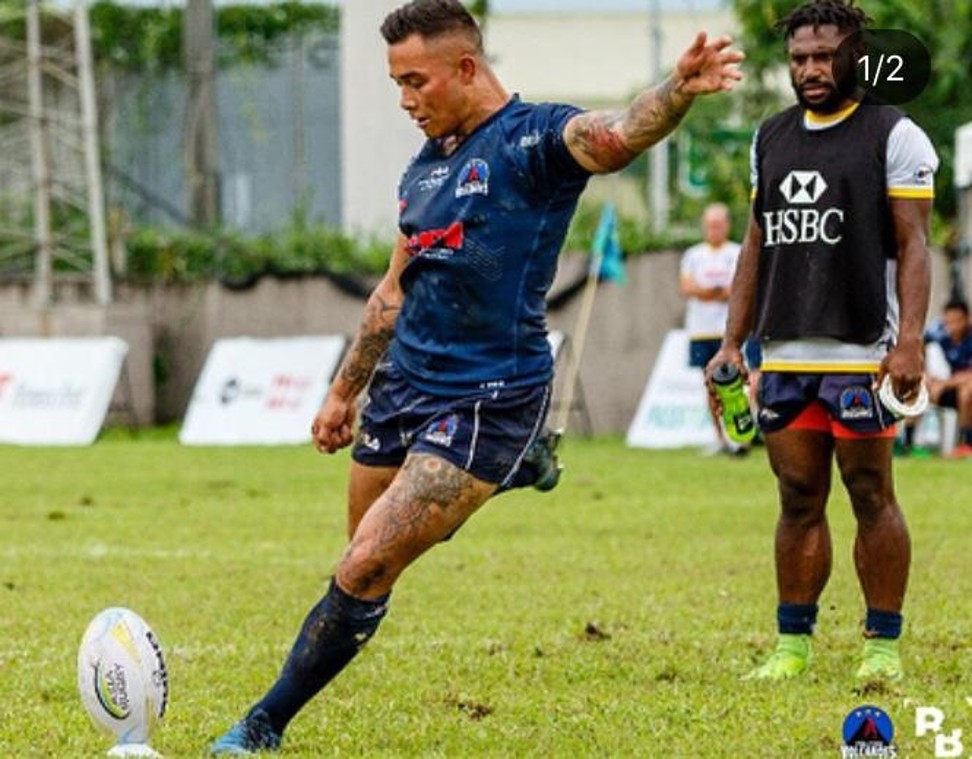
Howe, 27, is a chiropractor by profession and is one of the fastest men in New Zealand. He has run the 100 metres in 10.4 seconds, was once part of New Zealand’s 4x100m Commonwealth Games training squad and was introduced to rugby three years ago.
Like Fogerty, Howe’s Filipino half became more pronounced when he joined up with the squad and met teammates who had similar backgrounds.
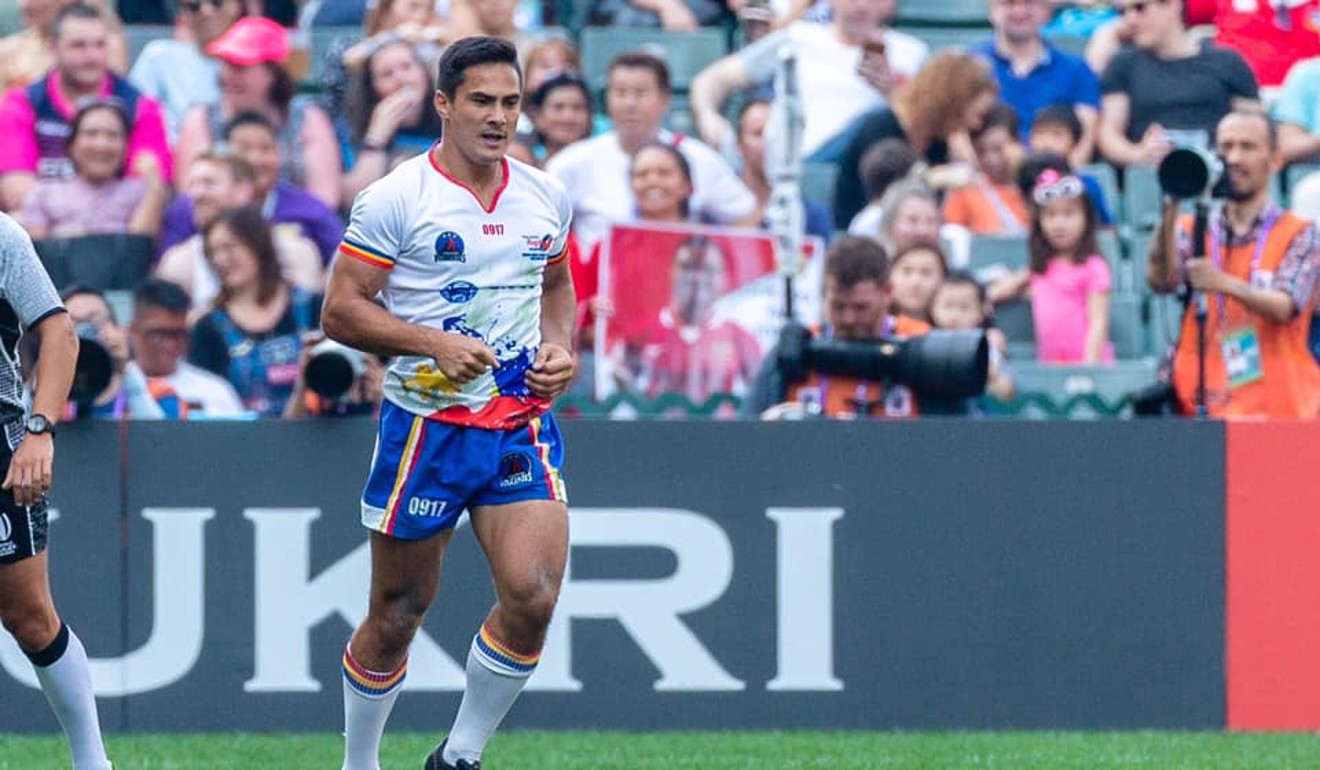
“The whole team is pretty much half Filipino with Filipino mums,” he said. “Even though many of us haven’t met each other before, we really feel close because of our Filipino blood.
“I have lived my whole life in New Zealand and mum tried to keep us Westernised and grow up as a Kiwi boy. I really didn’t have much to do with my mum’s side until I started to play rugby a few years ago.
“Meeting my relatives makes me more aware of that side of my background and that happened only when I started to play rugby for Philippines. I realised, I’m actually Filipino and I’ve got to start making a connection with my people.”
Both players are involved in the 15s and sevens programmes and it is the latter that takes priority this year as the Volcanoes seek qualification for the 2020 Tokyo Olympics and glory at the SEA Games on home soil at the end of the year.
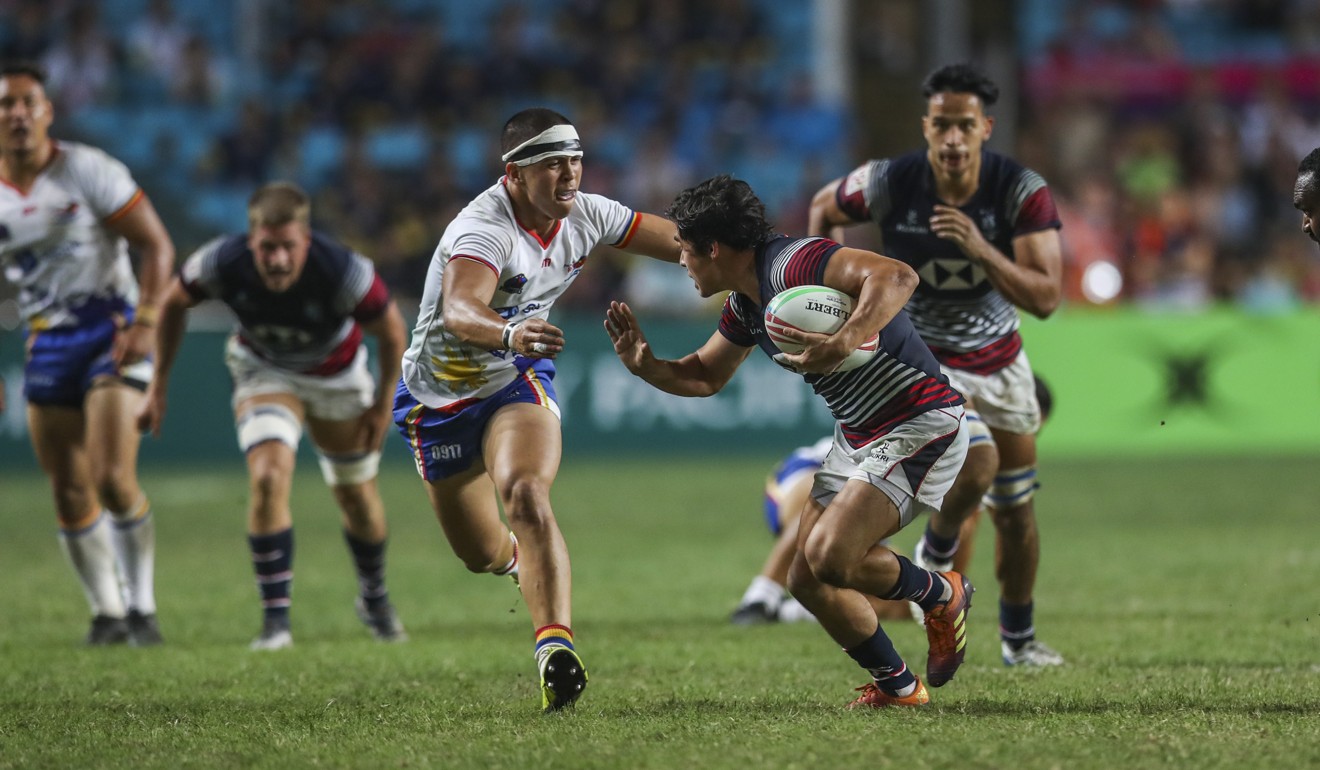
The sevens team showed how much they have progressed with some impressive performances at the Hong Kong Sevens World Series qualifying tournament in April.
They were beaten by Hong Kong and Tonga, with Howe scoring a brilliant runaway try, and scored a confident 24-12 victory over Zimbabwe.
But it has not been easy for the likes of Fogerty, Howe and other players who travel from England, New Zealand and Australia.
Rugby is very much a secondary sport in the Philippines where basketball rules and the players must make sacrifices to play for a country they have come to love in a sport that has opened their hearts to the land of their mothers.
Fogerty is studying at St Mary’s University in Twickenham for a degree in strength and conditioning. He hopes to become a teacher in physical education and biology but has had to delay his graduation because of his commitments to rugby.
In addition, he needs to pay for flights to Manila whenever the team are preparing for important tournaments. While the players do receive allowances once they land in the Philippines, it fails to cover all their costs.
Howe works in a clinic and every day he is away means loss of income.
Still, the effort is worth it. The Volcanoes are, without doubt, among the rising forces in Asian rugby – at sevens and 15s – and players such as Fogerty and Howe are paving the way for future stars.
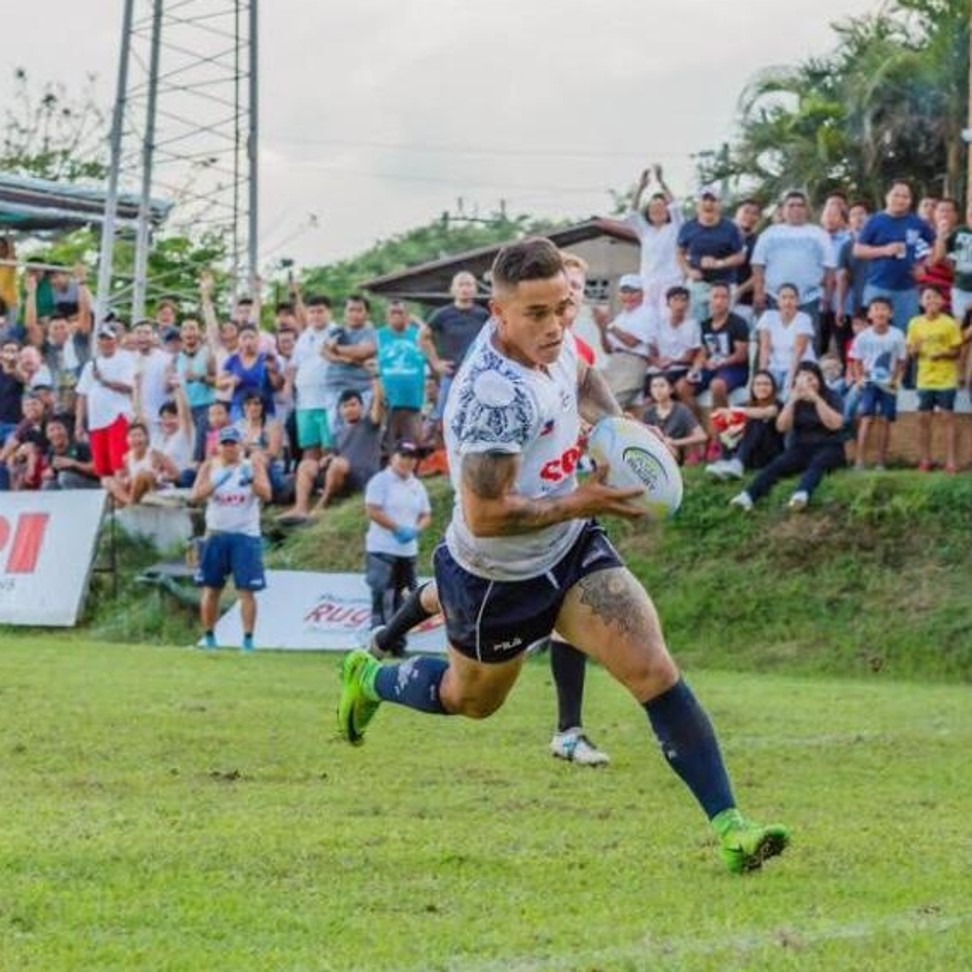
And whether they succeed or fail, they will do it as Filipinos. “I actually feel home for me is the Philippines now,” Fogerty said. “I never thought I would say it but I feel 60 per cent Filipino. I feel more of a connection with the Philippines than I do with England.
“When I represented England at under-20 level, that was special because that was the country I was born in and my dad was really pushing that, and it’s every boy’s dream to play for England.
“Not many boys grow up wanting to represent the Philippines but I’m happy to do that and proud to call myself a Filipino. Now that I’ve got the [Philippines] passport, I feel more Filipino than English.”