It was mere months ago when Nothing unveiled its Phone (4a) product line, so for the Phone (4b) to follow so soon after is somewhat surprising.
But this 'b'-grade phone is designed to pare back some of the fancier elements of the 'a'-grade model, ditching the zoom camera and boosting the battery (even more so for the India variant), while squashing the price.
It might be a shame that the Phone (4b) misses out on that even greater battery capacity for wider markets, but it nonetheless performs relative to its position and, perhaps most importantly of all, just looks and feels great for a phone at this price.
Price & Availability
The Nothing Phone (4b) is up for pre-order now, with a £299 and AU$629 asking price. There's no pre-order for the USA, as this model isn't expected to arrive in the States.
What's New?
Phone (4b) |
Phone (4a) |
|
Cameras |
50MP main, 8MP wide |
50MP zoom (3.5x), 50MP main, 8MP wide |
Display |
6.77in, AMOLED, 120Hz, 1080 x 2344 |
6.78in, AMOLED, 120Hz, 1224 x 2720 |
Battery |
5200mAh (6000mAh India) |
5080mAh |
Processor |
Qualcomm Snapdragon 6 Gen 4 |
Qualcomm Snapdragon 7s Gen 4 |
Colours |
Red, Black, White, Blue |
Pink, White, Black, Blue |
With Nothing's focus on making the Phone (4b) more affordable, it's the less premium compared to the Phone (4a). But it hasn't thrown its design and materials ethics to the dogs – both phones still look the part, with distinctive visuals that set them apart.
The key reasons to spend more on a Phone (4a) would be for that zoom camera and sharper display. The Phone (4b) manages to cram in more battery capacity, which, with a lower-grade processor and fewer camera features, should last even longer.
Those are the core differences in summary: spend less and get basic cameras; spend more and get a zoom that no other competitors can realistically offer at this sort of level.
Design & Display
- 164.4 x 78.2 x 8.6mm / 210g
- IP64 dust- and water-resistant
- Colour options: White, Black, Blue
- Under-display optical fingerprint scanner
- 6.77-inch AMOLED, 1080 x 2344 resolution, 120Hz refresh
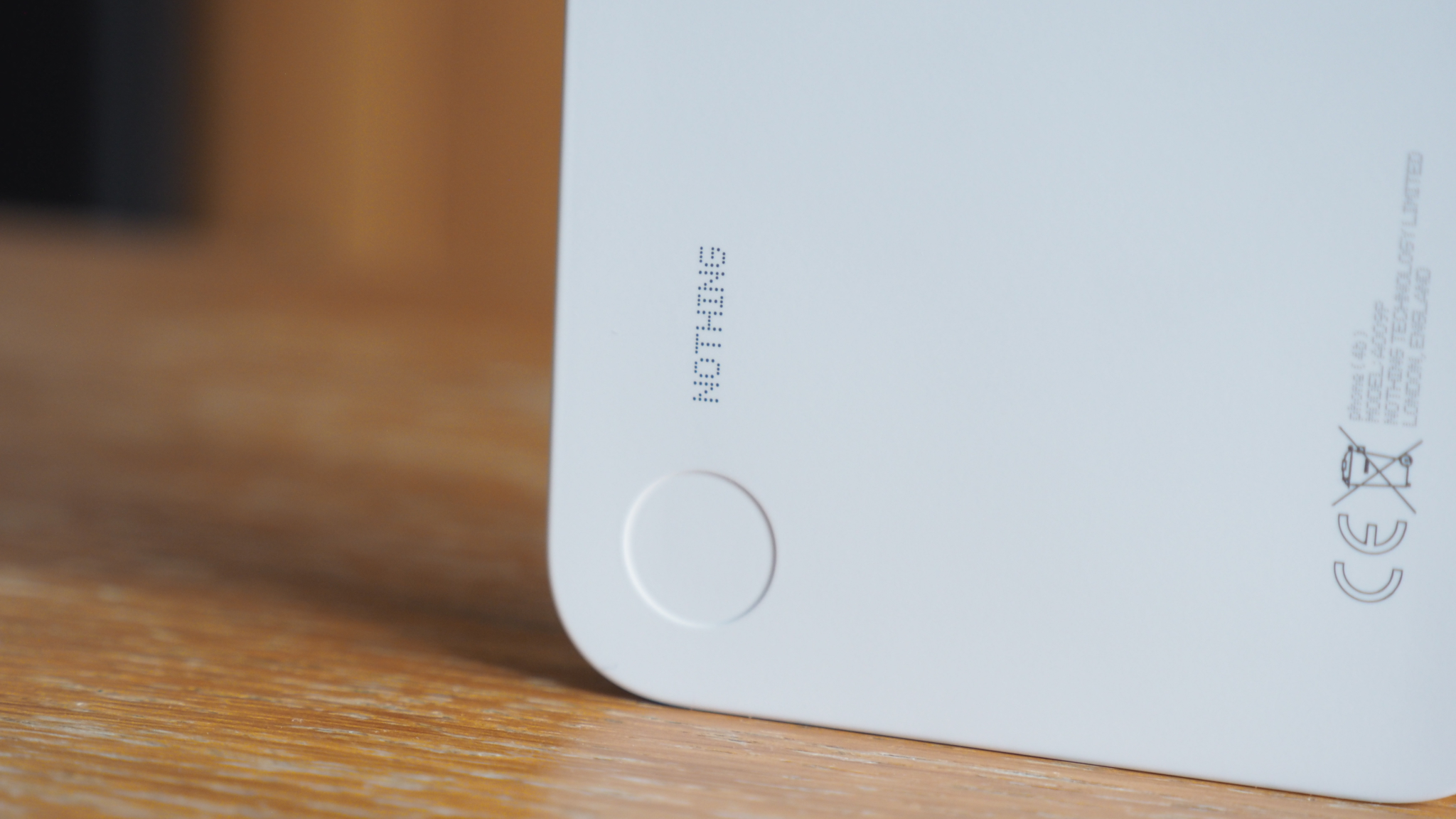
When pulling the Phone (4b) from its box, aside from the giant SIM tool (which I've written about here), the first thing that struck me about the handset is how nice and smooth it feels. That plastic rear somehow just isn't as 'plastic' as the material would make one assume – it feels more premium than that.
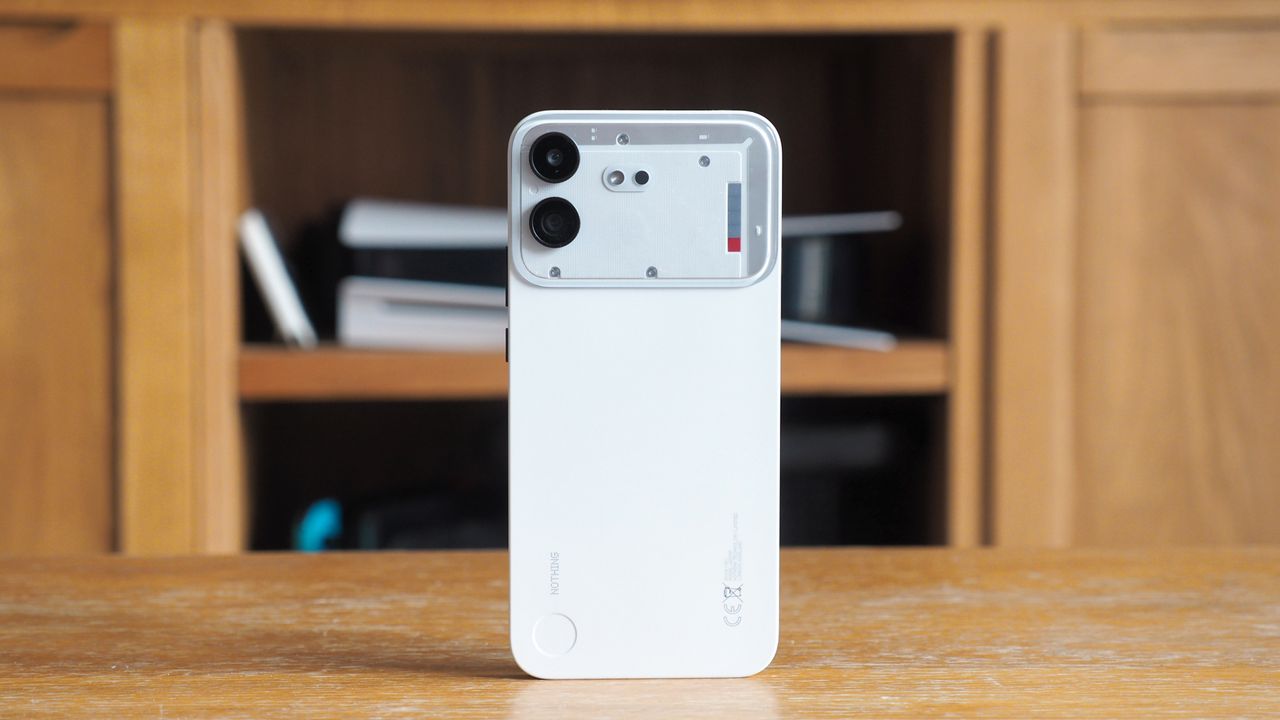
The design jump from Phone (4a) to (4b) model is immediately obvious, too. The newer, cheaper device has one camera fewer, so opts to align its duo of optics to one side rather than a centre island. It looks neater to my eyes, while a full-width transparent island provides some aesthetic appeal.
As with any Nothing handset, the Phone (4b)'s details add a great deal to the overall appeal. Look up close and beneath that transparent slice there's a textured panel, visible screws, and metal detailing that are of themselves the overall design language. That it's white in finish is almost irrelevant, such are the details (much as I'd prefer the blue finish).
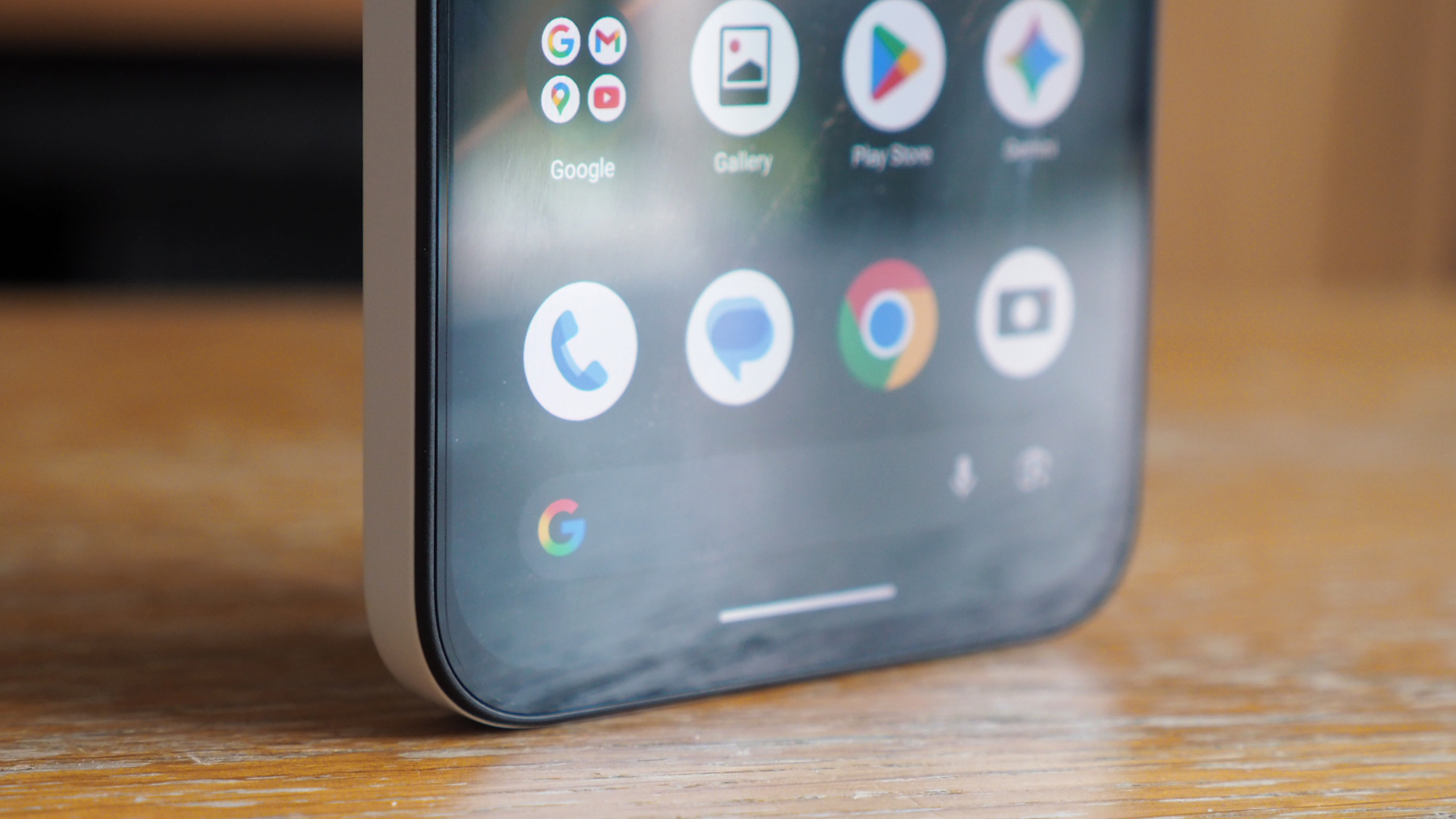
The display is a pleasing offering, too, an AMOLED panel with all the resolution and refresh rate you could ask for – just not quite as much brightness as those positioned higher up the ranks (including the (4a)).
My only real 'problem' with the screen is its reflective nature. It's much glossier than other recent Android phones I've been testing, which can be taxing in certain outdoor scenarios in particular. It's not an end-of-times issue, though, more minor bother that you won't notice in isolation.
Pair that with a top brightness that can't deliver sustained or peak output like the best flagships, and it can lack a bit of contrast and pop. But I wouldn't call it 'dim' by any means – and for this price it's perfectly adept. It will automatically dim quite quickly, but it's clever enough to jump the brightness back up to sensible levels when you begin interacting again.
The display is also coated with Dragontail Pro Glass rather than any of the more typical Corning Gorilla Glass variants. In my working week of use I've not damaged the device, but the Japanese-made choice here is, by all accounts, a very capable marque.
Performance & Battery
- Qualcomm Snapdragon 6 Gen 4 processor
- 8GB RAM / 128/256GB storage variants
- 5200mAh battery (6000mAh in India)
- 33W wired charging, no wireless
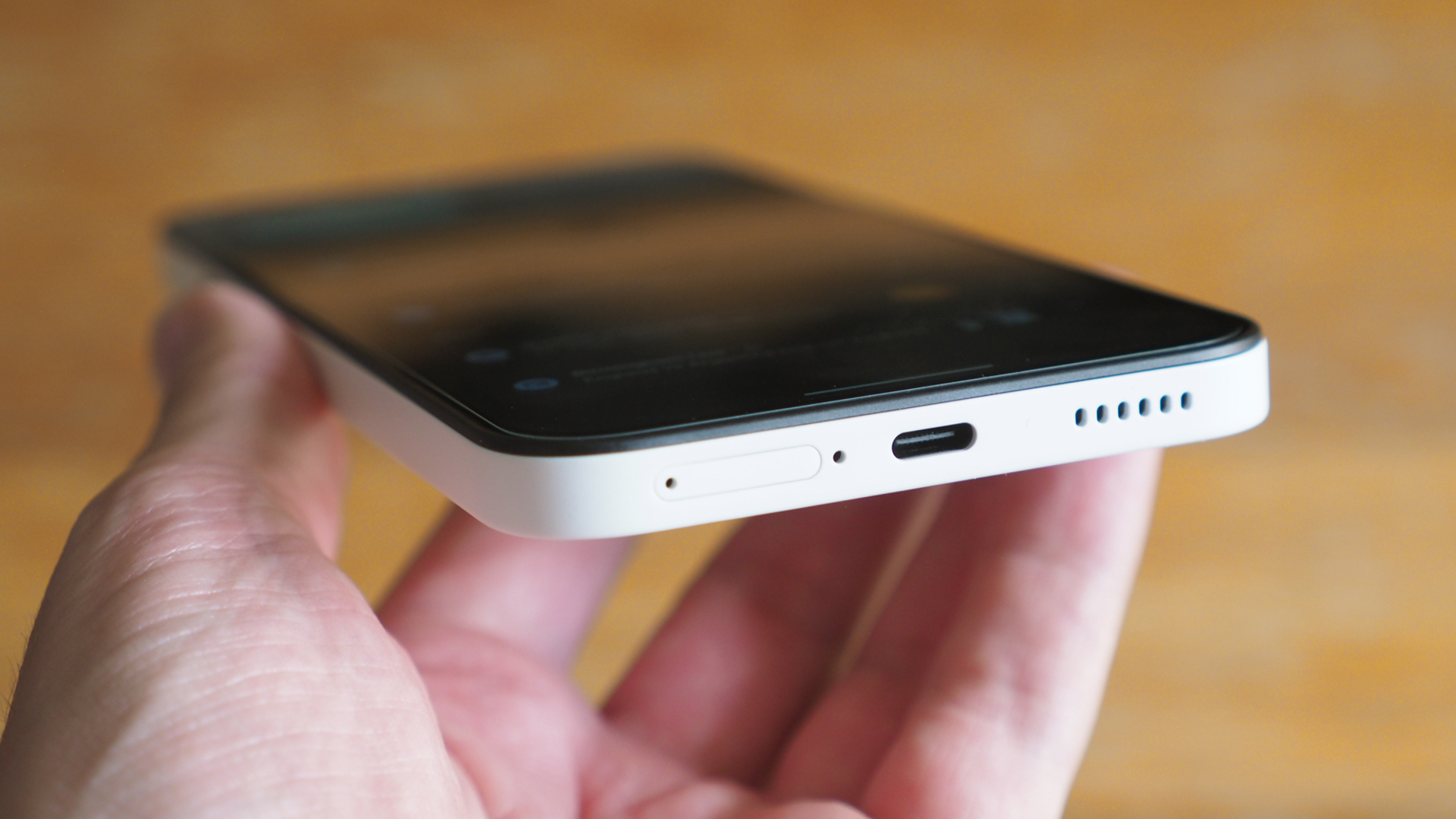
The chip inside this handset, the Snapdragon 6 Gen 4, paired with just 8GB RAM, can't quite compare with the very top. But much as I might assume the Phone (4b) wouldn't be up to much, it's plenty capable.
There's nothing here that'll restrict you from playing games, for example. I've put in some evening sessions with my go-to, South Park: Phone Destroyer, and the Nothing is unfussed, bar a little warming. It even downloads quicker than many a budget handset.
It's in the some of the tinier details where I've felt the biggest differences, such as the occasional less-than-perfect screen transition or app icon pop-up when loading. I suspect that's down to the RAM portion here, though, as when the display's 120Hz refresh gets into flow everything in smooth sailing.
Battery life is pretty great, too. Not a surprise for a large cell paired with a mid-tier chip by any means. But I put a background streaming test on and the handset, connected to Wi-Fi with the display on, clocked through 16 hours.
Nobody's realistically using a phone with the display on for that long, so for the latter half of my test week – it always takes a couple of days for a phone battery to bed in – I've been getting sterling results. Easily my 16-hour waking day covered with 25% remaining before bedtime.
Charging is so-so, at 33W, and there's no wireless charging. But, hey, what d'ya expect at this price point? That's perfectly fine. There are even battery protection features where slower charging preserves the longevity over time.
Glyph & Software
- Nothing OS 4.1, over Google Android 16
- Glyph Bar illumination strip
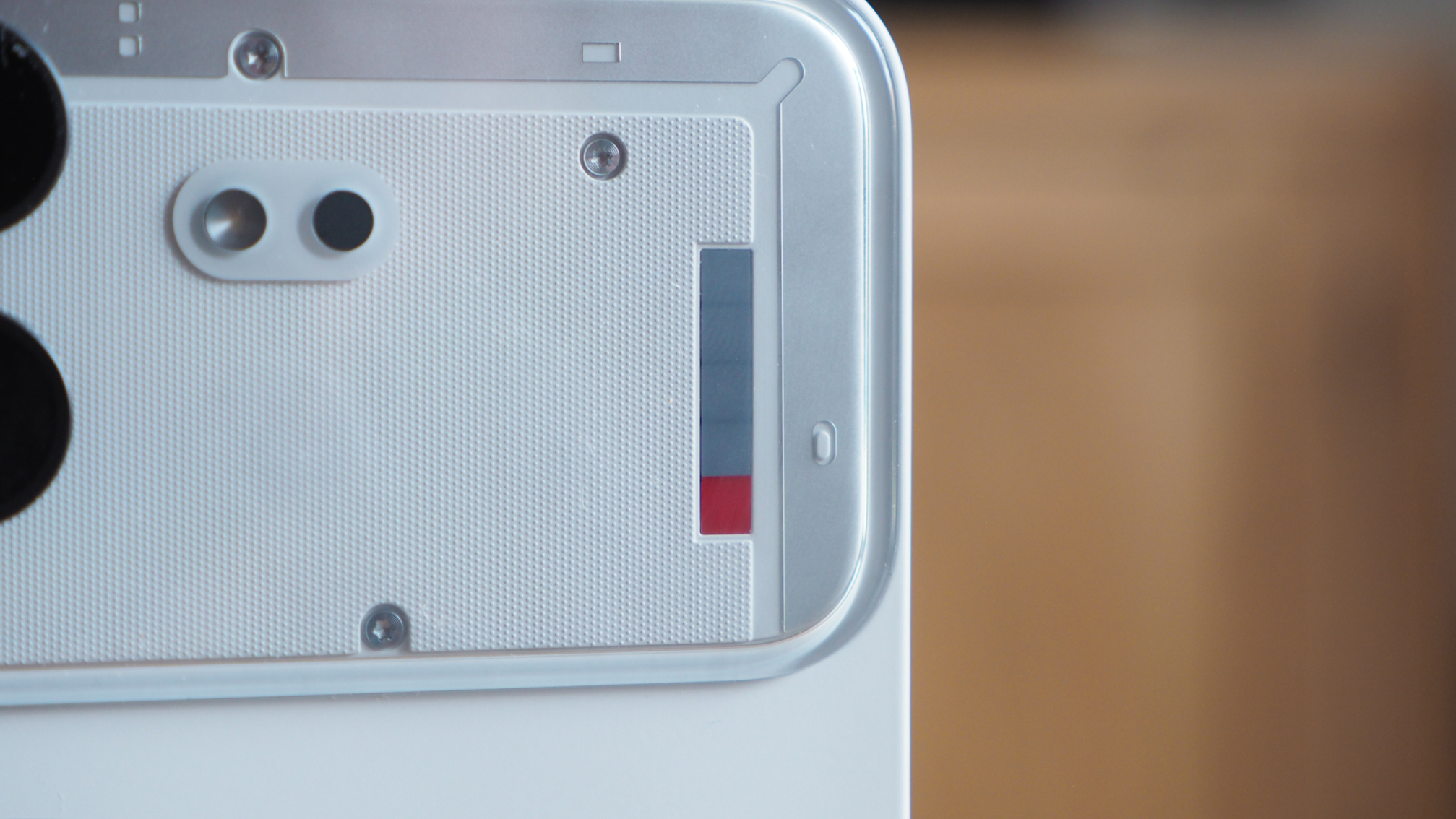
Since the off, Nothing's standout feature has been its so-called Glyph setup. With the Phone (1) that was a series of lights that illuminated in patterns. You could even programme them. It was very fun – its usefulness still arguable, though.
Over time, Nothing has progressed its Glyph systems. There's a Glyph Matrix on the Phone (3), for example, which is like a little low-red LCD window. The Phone (4b), meanwhile, continues the more basic Glyph Bar, just like its predecessor, which is a strip light up one side of the rear.
This strip is packed with LEDs, divided into seven squares, with one of those being red. The red will, for example, illuminate when you're recording with the cameras, while the whites are there for notifications – or progress tracking.
It's less of a head-turner than some of the older systems, but then it's perhaps less distracting overall, too, which I prefer. Whether you find huge value in how it interacts with certain apps is going to be 'a you thing', quite honestly. I could take it or leave it – but do enjoy Nothing's unique take.
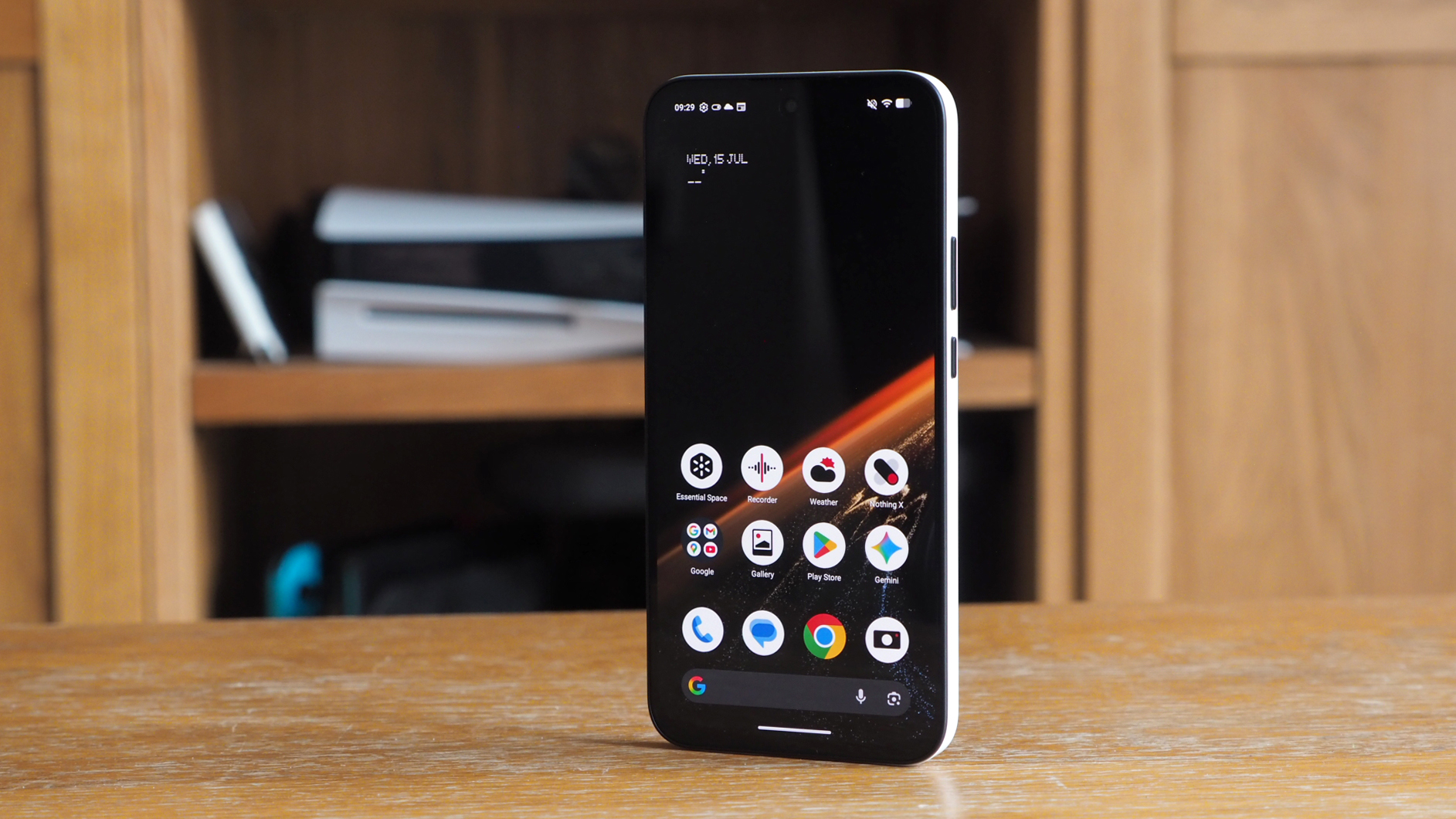
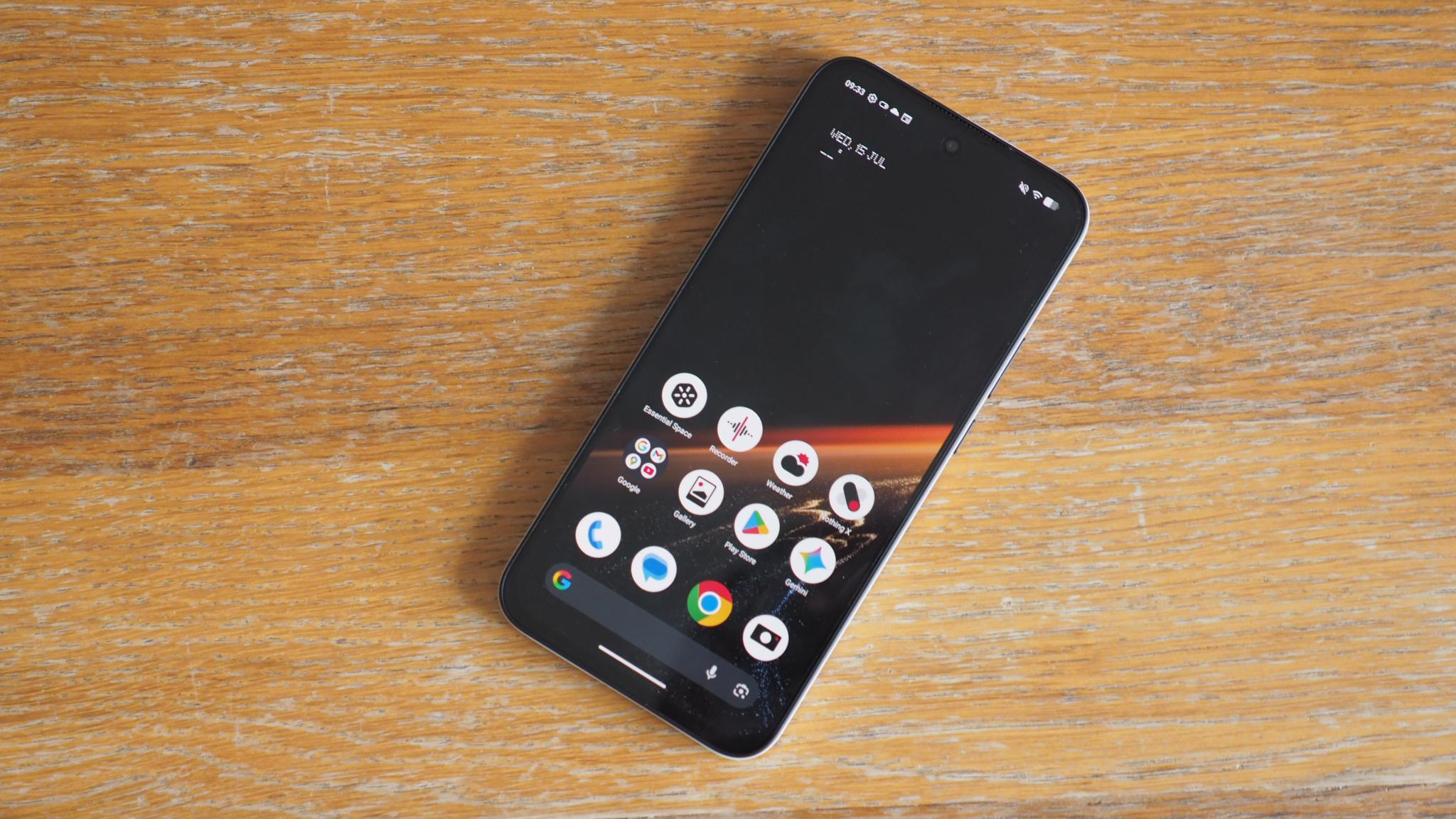
As for software, it's here where Nothing continues down that design route, its Nothing OS offering a largely stock Google Android experience, but with a full monochrome black-and-white take on icons if you prefer (I don't, as I use Google's five-colour system as an identifier assist).
The software also brings custom widgets and various assists, such as Notification Cooldown, to give you a bit of a break from the barrage of notifications – something other phone-makers, such as Honor, can't seem to provide.
Nothing avoids annoying pre-installed nonsense and the duplicated app store experience of some makers, keeping things feeling clean and easy. It supports three years of full-generation software updates, too, which isn't class-leading, but it means you'll get 3+ years of secure use out of it with the newest features.
When it comes to AI (artificial intelligence), Nothing's move here is with Essential Space. It can be activated using the dedicated key to the left side (when facing the display), keeping it away from your on/off and volume controls successfully (an error with the original Nothing Phone (3a) Pro).
Essential Space is designed to help you store and recall information, or process things such as screenshots, which are then searchable using more paramaters and intelligence. It does a fine enough job – I just don't really ever find myself using it. And with Google Gemini easily accessible, too, that seems to take the cake.
Cameras
- Main: 50-megapixel, f/1.8 aperture, optical stabilisation (OIS)
- Wide: 8MP, f/2.2
- Selfie: 16MP
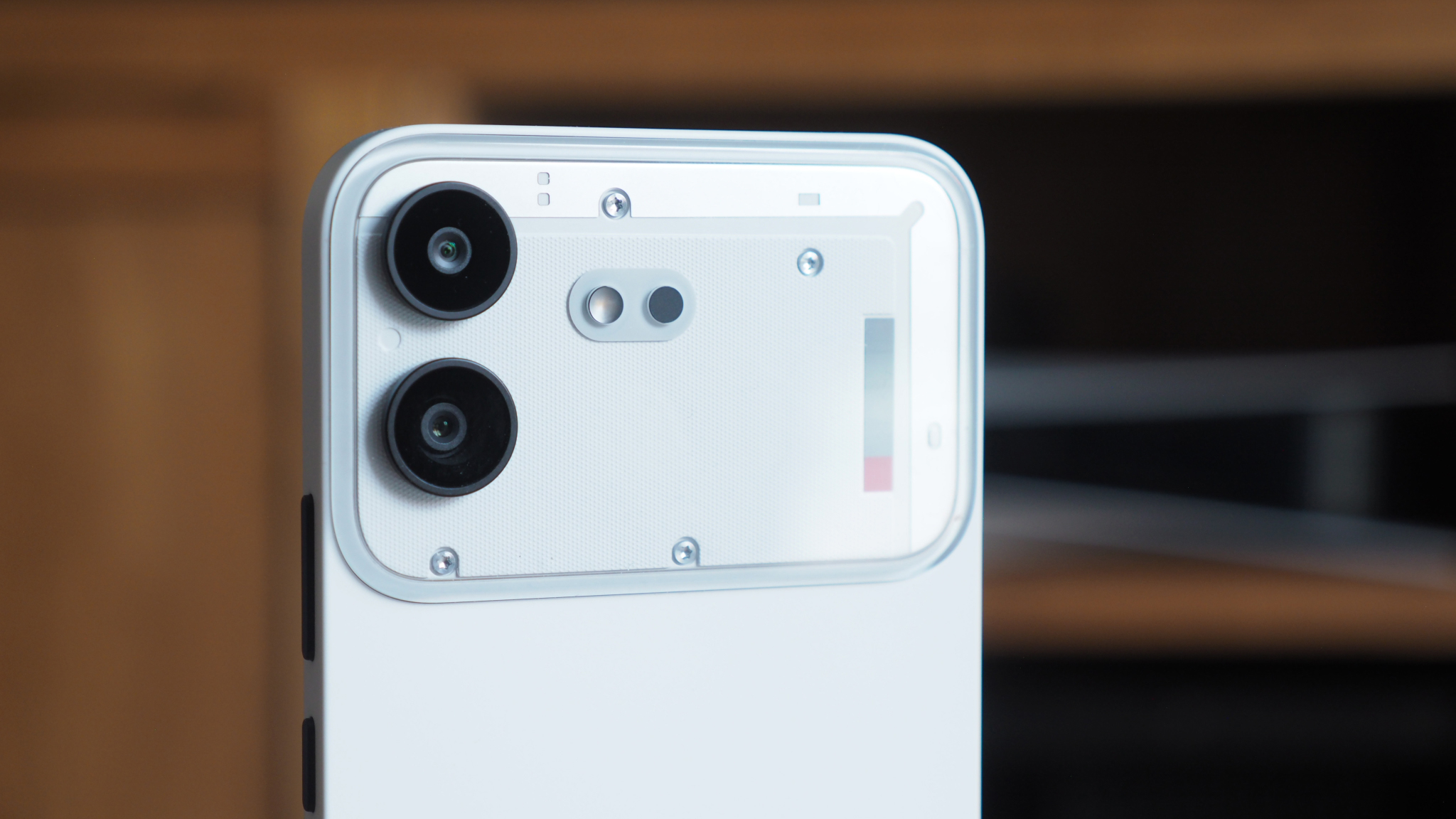
While you might assume that the Nothing Phone (4b) adopts the same cameras as the (4a), albeit minus the zoom, that's not the case.
The 50-megapixel camera has a smaller sensor, but a slightly 'faster' aperture. The results are fine, but more limited when it comes to lower light – which is no surprise.
The wide-angle, meanwhile, does a pretty good job in delivering results that look as though they're part of the same camera family, so consistency is a success. However, its inevitable soft edges are a downside.
Zoom is taken care of digitally only, which is limited in its sharpness resolve. If you really want a zoom lens then you'll just need to spend more and buy the (4a) Pro, ultimately.
Nothing Phone (4b) review: Verdict
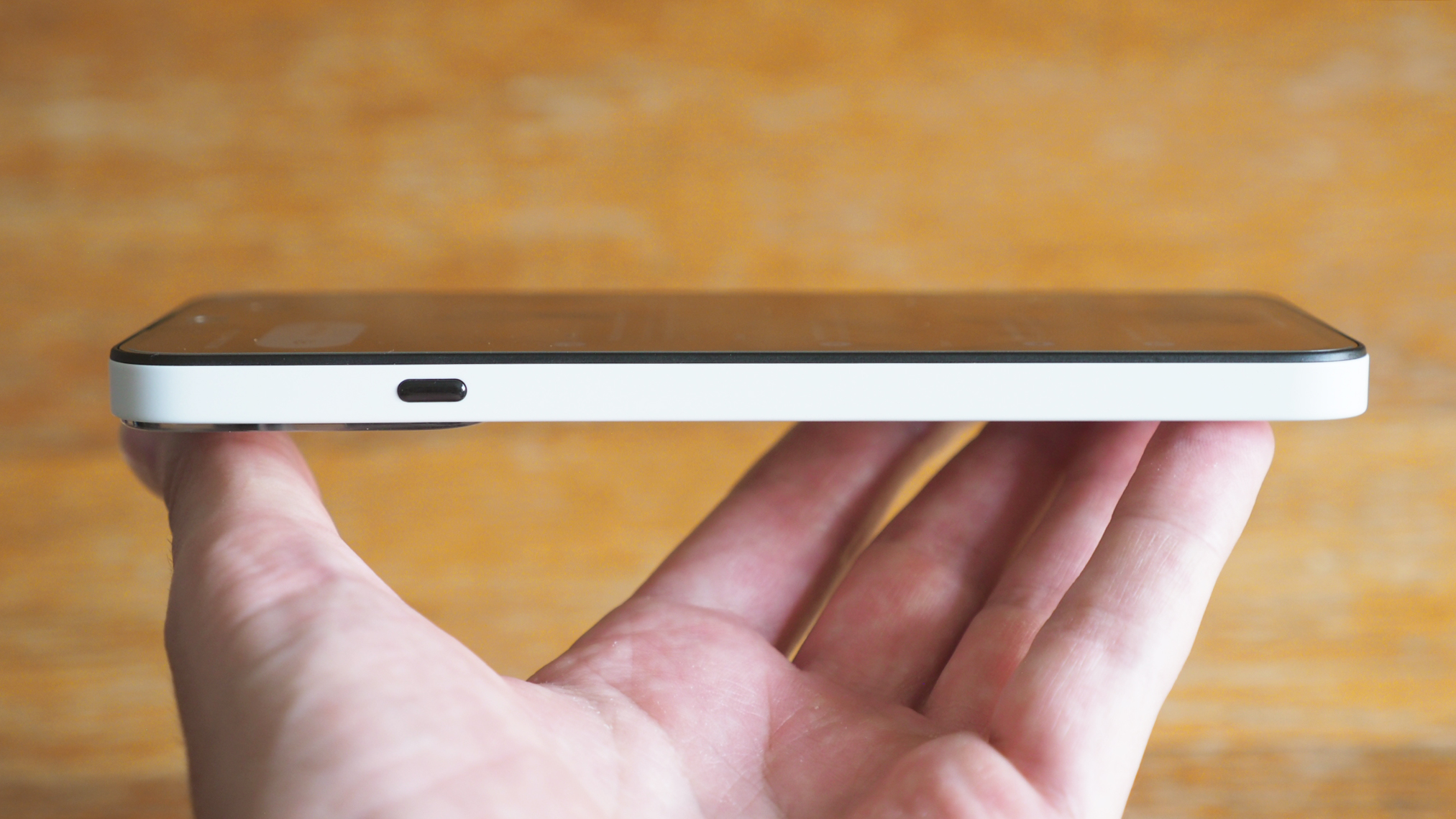
If you're looking for an affordable Android phone without any of the luxury extra features for the sake of saving cash, then Nothing's Phone (4b) delivers a strong case.
It's akin to a Phone (4a) minus the zoom camera, with a slightly larger battery capacity and hardware that's a little less powerful – yet still perfectly capable.
Also Consider
Like the Nothing aesthetic but want a little more? The Phone (4a) isn't actually that much pricier – and adds an all-important 3.5x zoom lens.
The (4a) Pro version is nicer still, thanks to a metal design, but the price does jump up yet again – putting it into quite a different space.
Otherwise, for a flat-back alternative, Google's last-gen Pixel 9a model is a decent price to compare – and takes better pictures overall.