(This April 26 story corrects spelling of name in paragraph 6))
(Reuters) - The Trump administration failed to adequately consider oil spills, climate change and the welfare of polar bears in its expedited study of proposed drilling in Alaska’s Arctic National Wildlife Refuge, according to comments published by the U.S. Fish and Wildlife Service this week.
The unusually harsh criticism from federal wildlife regulators could deal a blow to one of the most high-profile items in President Donald Trump’s energy agenda, and reflects the pitfalls of the administration’s drive to speed up big projects with quicker, shorter environmental studies.
The Interior Department wants to hold its first lease sale of at least 400,000 acres in ANWR, America's largest wildlife sanctuary, later this year, but could face lawsuits if its permitting process is flawed.
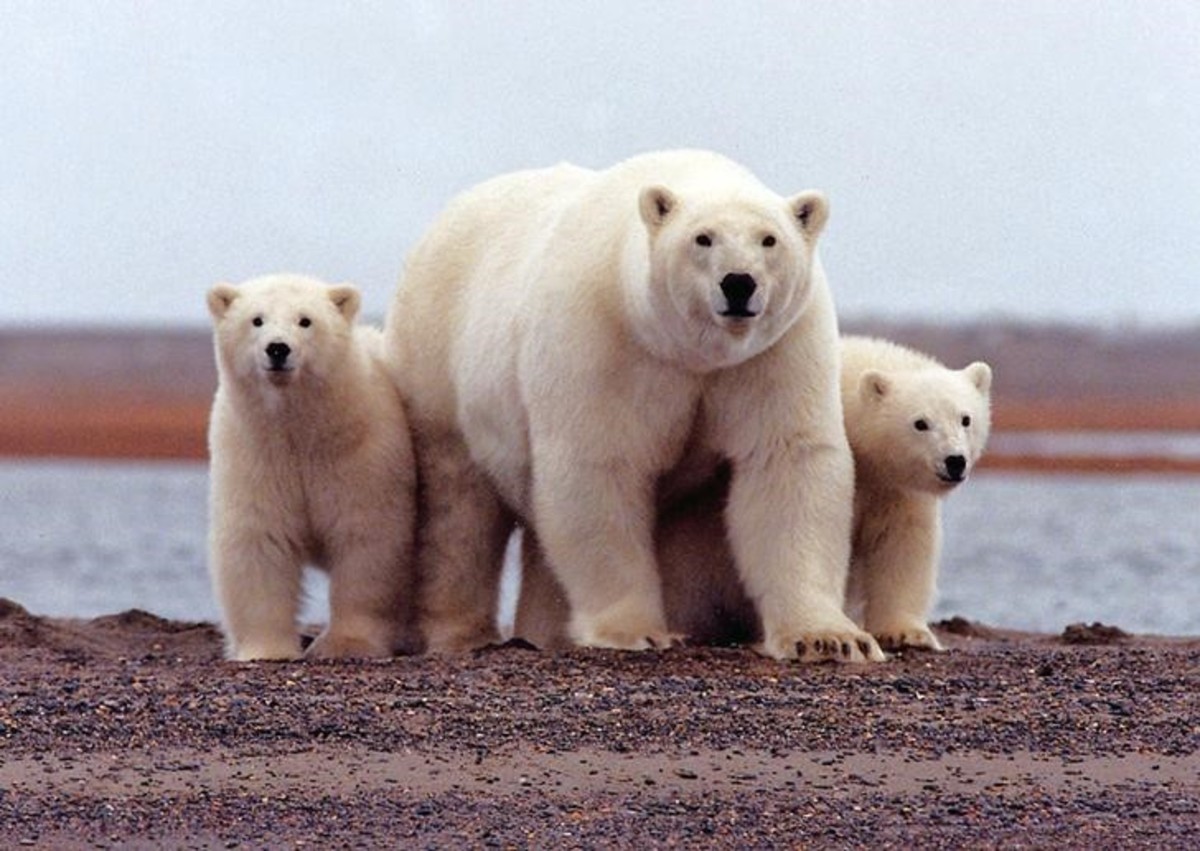
The Fish & Wildlife Service said the ANWR Coastal Plain draft environmental impact study (EIS) failed to include oil spill response plans, analyze the effects of climate change on the Arctic, or ensure that surveys of polar bear denning habitats are required.
The Interior subagency also listed dozens of other information gaps in its 59 pages of comments and implied that the Interior Department's Bureau of Land Management wrote the study without properly consulting wildlife regulators.
"The Service has managed the Arctic National Wildlife Refuge and its resources for several decades and has information and expertise that is valuable in formulating a final EIS that can withstand the scrutiny of legal sufficiency," the agency's Alaska director Gregory Siekaniec wrote.
The Fish & Wildlife Service declined to provide further comment. The Interior Department said its Bureau of Land Management had received thousands of comments on the draft study, all of which would be considered.
"BLM has an obligation to consider all of these comments -including those from its sister agency (Fish & Wildlife) - and anticipates they will inform the Final EIS inmultiple ways," spokeswoman Molly Block said in an email.
BLM completed the draft environmental impact study at the end of December, after Trump expressed an interest in opening the zone to drilling. The comment period ended on March 13.
The study was among the first of its kind since Trump’s Interior Department in 2017 issued an order that assessments under the National Environmental Policy Act be completed within one year and be no longer than 150 pages.
NEPA studies under past administrations have taken years and filled out thousands of pages, a major source of frustration for drillers, miners and other industries that argue the process creates unnecessary delays.
Experts said the effort to streamline environmental permitting, however, could also cause problems.
"Imposing the timelines and page limits will mean significant impacts go un-analyzed. Tribal consultation and coordination will likely get shortchanged, important scientific data will not be considered, and the public’s ability to provide meaningful input on alternative courses of action will be compromised," said Geoff Haskett, former Fish & Wildlife Service director for Alaska and president of the National Wildlife Refuge Association.
ANWR covers some 19 million acres of Alaska’s North Slope, home to bears, caribou, lynx and muskox, and overlying around 16 billion barrels of recoverable crude oil reserves, according to federal officials. It has been a lightning rod of contention between energy companies that want to develop it and conservationists that want to protect it since the 1970s.