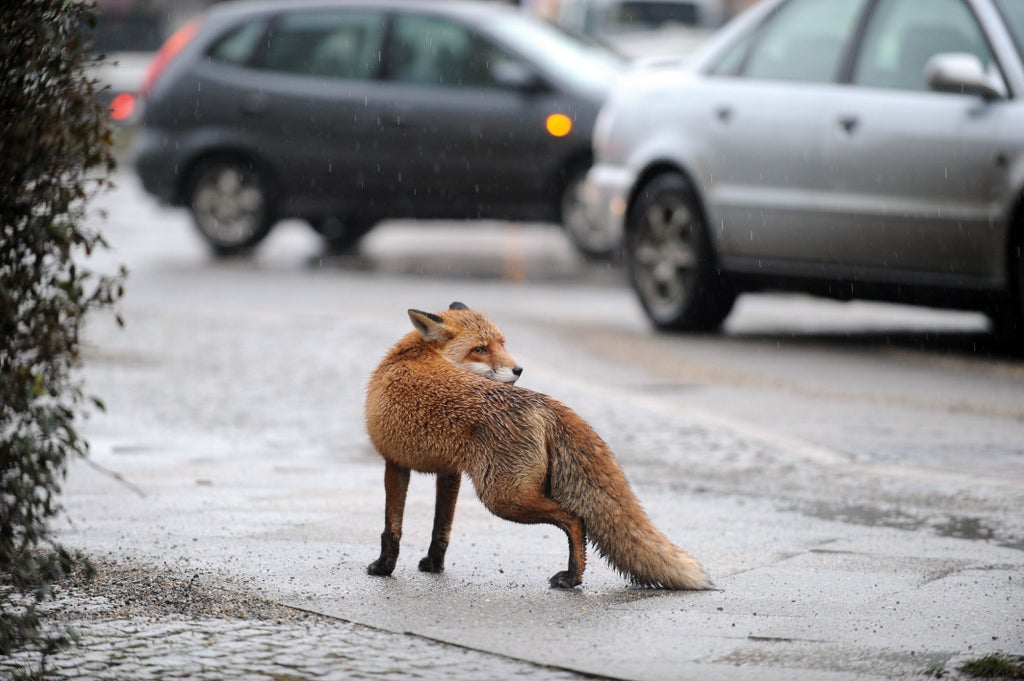
Foxes, and not a human serial killer, were responsible for a spate of mutilated cats found in London between 2014 and 2018, says a new study that provides crucial evidence on the so-called “Croydon cat killer” case.
The research, published in the journal Veterinary Pathology on Tuesday, supports the conclusion drawn by the Metropolitan Police that there was no human involvement in the mutilation of the affected cats.
In the four-year period between 2014 and 2018, 400 cats across various locations in London were killed.
Media speculation at the time had suggested that a human “cat killer” was at large in south London and citizens feared the alleged killer could be a threat to human safety.
The public concerns sparked a police investigation called “Operation Takahe”.
But following forensic DNA analysis of 32 mutilated cat bodies that had been brought to the police by members of the public between 2016 and 2018, researchers, including Henny Martineau from the Royal Veterinary College said there was no evidence supporting human involvement in the mutilations.
The scientists took swabs to analyse carcasses for the presence of fox, dog and badger DNA, performed full post-mortem examinations of the carcasses and found a clear link between the mutilations and the presence of fox DNA on the dead cats.
They said there was also a clear link between puncture wounds – consistent with scavenging by carnivores – and the deceased cats.
Based on the analysis, veterinarians said the mutilation patterns on the cats examined were similar to the scavenging patterns of foxes on lambs.
“Together these findings supported the theory that the cause of mutilation was postmortem scavenging by red foxes (Vulpes vulpes),” the scientists wrote in the study.
In the cat carcasses that were not associated with predation, they said other causes of death were possible. These ranged from road traffic accidents and liver failure to the ingestion of antifreeze.
Eight of the 32 dead cats were found to have suffered from heart disease, the study noted.
“While the public’s concern around the safety of their pets is totally understandable, our investigation into the deaths of these cats demonstrates the importance of an evidence-based approach to investigating incidents like this,” Dr Martineau, head of Veterinary Forensic Pathology at the Royal Veterinary College, said in a statement.
“The narrative of the so-called ‘cat killer’ was a good example of the human tendency to pick out what we want from data, demonstrating our inclination to stop investigating when we think we have made a major discovery or noticed a particular pattern. It is the job of scientists – in this instance, veterinary pathologists – to identify and overcome such confirmation bias,” she added.
The research showed the important role that veterinary pathologists can play in contributing to police investigations, particularly when there is speculation or conjecture surrounding proceedings, the scientists said.
“While the subject was a matter of much speculation at the time online, we now believe that there was no human involvement,” Stuart Orton, East Hertfordshire chief inspector, said in a statement.
“I hope that this new analysis provides some comfort to the owners who previously believed that their beloved pets had been targeted maliciously. It also provides law enforcement colleagues with the ability to review any future investigations from a scientifically supported and evidence-based approach,” Mr Orton added.